What happens when the man who returns from war is kinder, more ambitious, altogether better than the man who left? That's the captivating question simmering at the heart of Sommersby, a film that arrived on VHS shelves in 1993, offering a potent blend of sweeping romance, period drama, and a central mystery that gnaws at you long after the credits roll. It wasn't your typical blockbuster fare, demanding a certain patience, a willingness to sink into its specific time and place – the muddy, exhausted landscape of the post-Civil War South. Seeing it again recently, that central question felt just as compelling, perhaps even more so.
### A Ghost from the Past, Or Something Else Entirely?
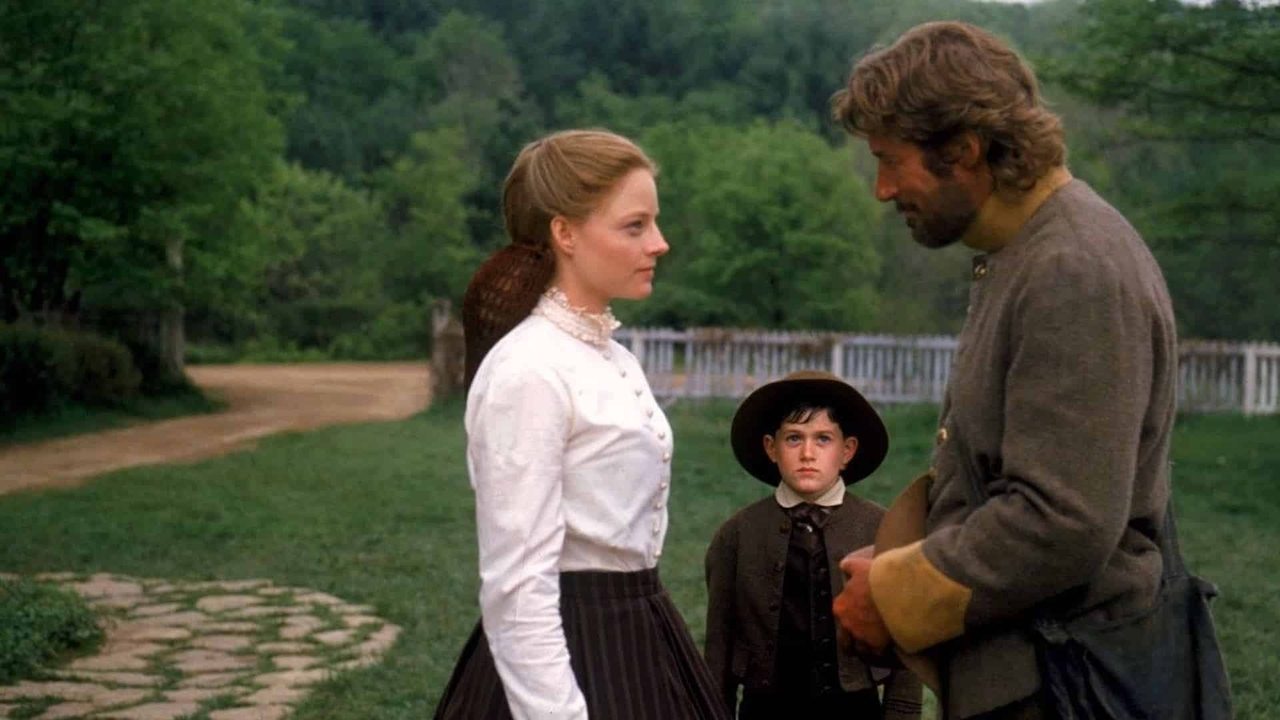
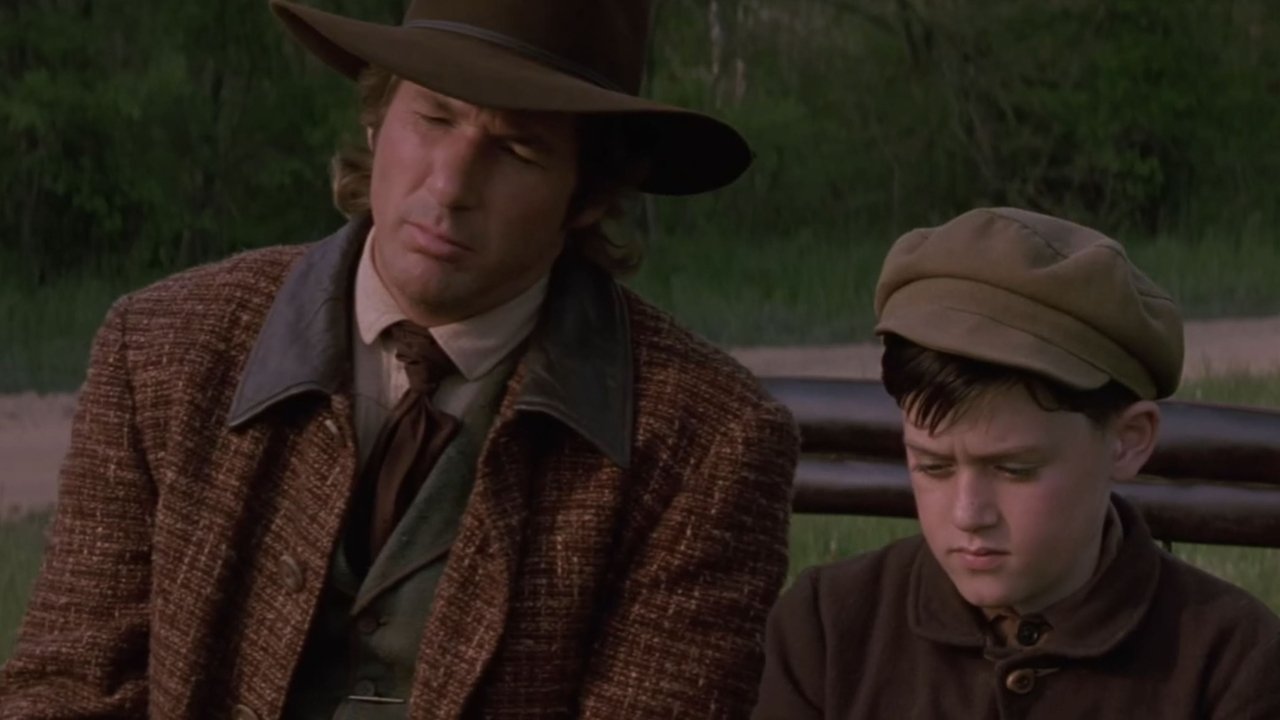
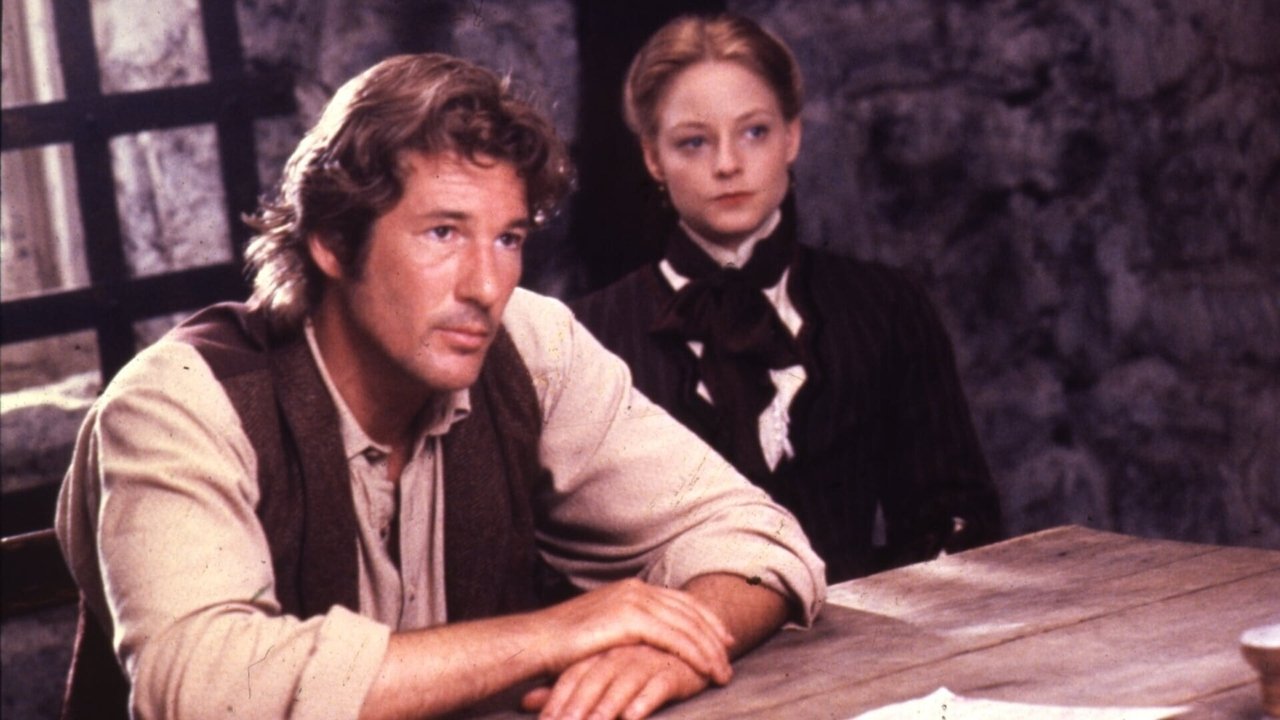
The film opens on Laurel Sommersby (Jodie Foster), stoically managing a struggling farm and raising her son in the absence of her husband, Jack, presumed dead after fighting for the Confederacy. Jack wasn't exactly missed; by all accounts, he was cruel, neglectful, and unpleasant. So when a man (Richard Gere) walks back into town claiming to be Jack Sommersby, but bearing little resemblance to the brute Laurel remembers, the community – and Laurel herself – is thrown into turmoil. This new Jack is charming, considerate, forward-thinking, and determined to revitalize the town by switching from cotton to the risky but potentially lucrative crop of Burley tobacco. Is it truly him, miraculously changed by the horrors of war? Or is he an imposter, seizing an opportunity?
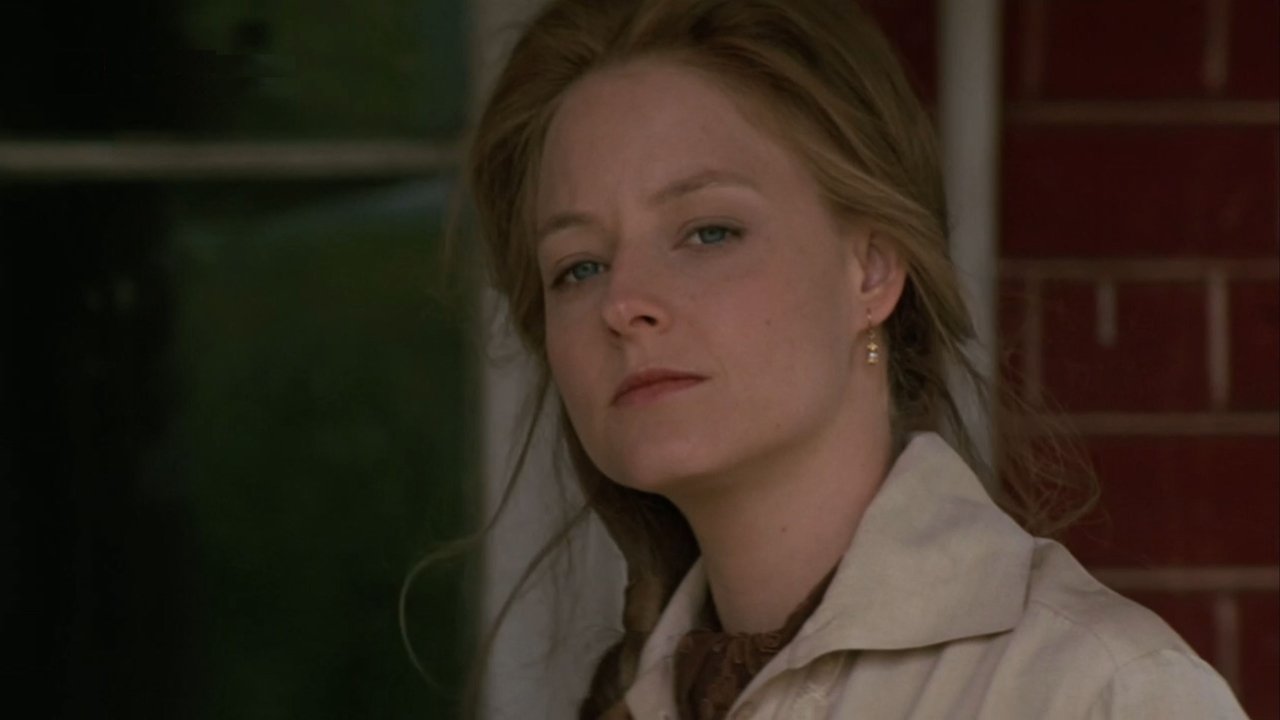
Jodie Foster, fresh off her second Oscar win for The Silence of the Lambs (1991), brings a profound depth to Laurel. Her performance is a masterclass in contained emotion. You see the flicker of hope warring with deep-seated suspicion in her eyes, the longing for this better man to be real clashing with the fear of betrayal. It's a quiet performance, but incredibly powerful, grounding the film's central romance and moral dilemma. Richard Gere, meanwhile, had to campaign quite hard to get Foster on board, sensing she was perfect for the role, and their chemistry is undeniable. Gere sheds his usual smooth persona for something more complex – a man driven by a hidden past, radiating warmth and ambition, yet always carrying a shadow of uncertainty. Is his kindness genuine, or a calculated act?
### More Than Just a Romance
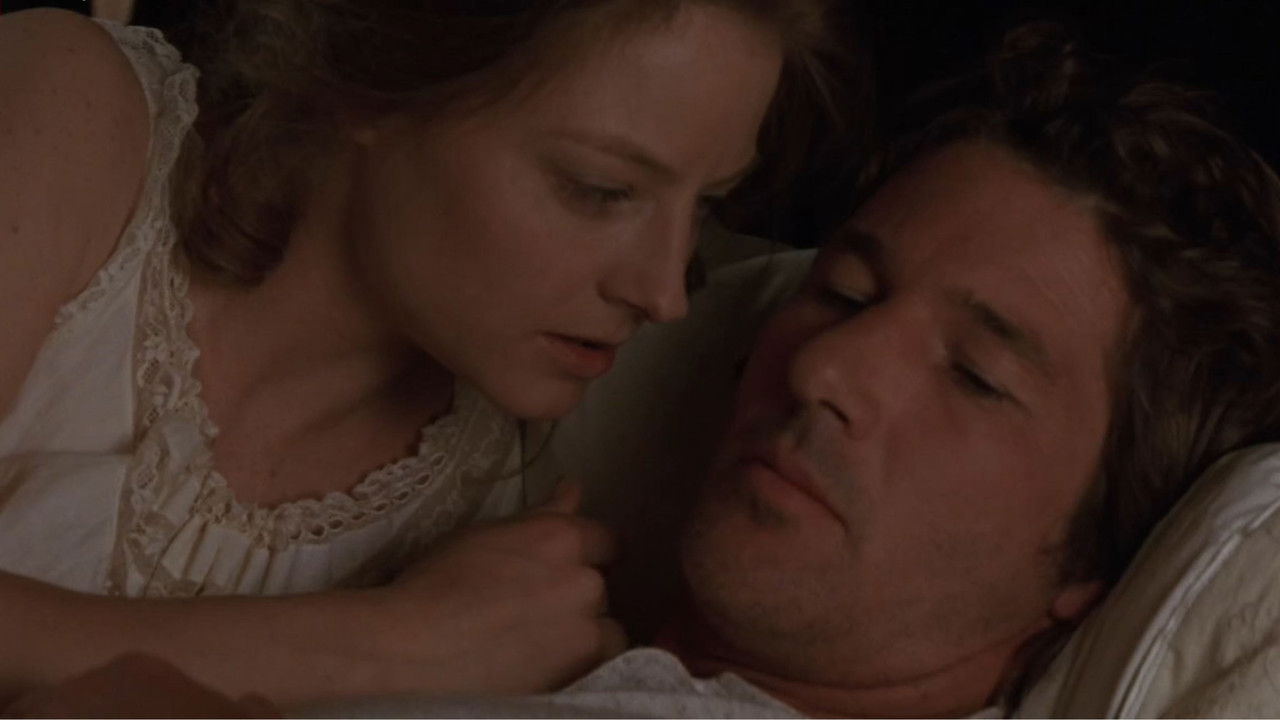
While Sommersby certainly leans into its romantic elements, director Jon Amiel (who later gave us the twisty thriller Copycat) ensures the film is more than just a period love story. He captures the texture of the era – the hardship, the racial tensions simmering beneath the surface (handled with varying degrees of subtlety), the desperate hope for recovery after devastating conflict. The shift to tobacco farming becomes a potent symbol of renewal and risk, mirroring the gamble Laurel takes in accepting this changed man back into her life and bed.
The supporting cast adds layers, particularly Bill Pullman as Orin Meecham, Laurel's decent, steadfast suitor before Jack's return. Pullman embodies the community's skepticism and the personal pain of being displaced by this enigmatic newcomer. His presence constantly reminds Laurel, and the audience, of the life she might have had, the stability offered versus the passionate uncertainty Jack represents.
### From French Courts to Southern Farms
One of the fascinating bits of trivia surrounding Sommersby is its origin. It's actually a Hollywood adaptation of the 1982 French film Le Retour de Martin Guerre (The Return of Martin Guerre), which starred Gérard Depardieu and was itself based on a famous 16th-century French legal case. Transplanting the story to the American South, courtesy of screenwriters Nicholas Meyer (yes, the same writer/director behind the brilliant Star Trek II: The Wrath of Khan!) and Sarah Kernochan, adds a unique dimension, exploring themes of identity and reinvention against the backdrop of national healing and lingering division. It was a gamble that paid off commercially, too – made for around $30 million, Sommersby pulled in roughly $140 million worldwide (that's close to $300 million in today's money!), proving audiences were hungry for these kinds of thoughtful, adult dramas.
The production itself, filmed largely in Virginia, aimed for authenticity in its depiction of the era's farming practices and social structures. You can almost feel the humidity and smell the damp earth, immersing you in Laurel and Jack's world. It’s this commitment to atmosphere that makes the central mystery feel less like a plot device and more like an organic outgrowth of the characters and their environment.
### The Question of Truth (Spoiler Alert!)
The film culminates in a courtroom drama where Jack's identity is put on trial. This is where Sommersby truly forces its central question upon the characters and the viewer. Even as evidence mounts suggesting this man is not the original Jack Sommersby, the community, having benefited from his leadership and vision, seems willing to accept the comforting lie. Laurel, torn between the harsh truth and the happiness she's found, faces an agonizing choice.
The ending, where Jack chooses to affirm his assumed identity even though it means facing execution for a crime committed by the real Sommersby, is devastatingly powerful. He chooses the integrity of the man he became over the life he could have had by revealing his true, less noble origins. It’s a sacrifice made for love, for the community he helped build, and perhaps for his own redemption. Does the truth matter more than the good a person does, even if that person is living under false pretenses? The film doesn't offer easy answers, leaving you to ponder the weight of identity, love, and sacrifice.
### Lasting Impression
Sommersby might not be the first film that springs to mind when thinking of 90s classics, but it holds up remarkably well. It’s a mature, beautifully acted drama that tackles complex themes with grace and emotional weight. The central performances from Gere and Foster are exceptional, anchoring the story with palpable chemistry and nuanced portrayals of hope and doubt. The pacing is deliberate, demanding engagement, but the payoff is a story that resonates deeply. It’s the kind of film that might have felt right at home on a rainy Sunday afternoon, rented from the local video store – a thoughtful escape that leaves you with more questions than answers.
Rating: 8/10
This score reflects the film's powerful performances, particularly Foster's exceptional work, its compelling central mystery, strong atmospheric direction, and its willingness to explore complex themes without easy resolution. While perhaps a touch melodramatic in spots for modern tastes, its emotional core remains incredibly effective.
Sommersby ultimately lingers because it asks us to consider what truly defines a person: their past actions, or the person they strive to become? A question as relevant today as it was in post-Civil War Virginia, or indeed, on that faded VHS tape.