How slippery is memory? How easily can a chance encounter, a half-heard voice, or a familiar scent derail the carefully constructed path of our lives? It’s this disquieting territory that Gilles Mimouni’s 1996 French thriller, L'Appartement (or simply The Apartment for us Anglophones browsing the foreign film section back in the day), maps with such intoxicating style. Forget neat narrative lines; this film plunges you headfirst into a labyrinth of longing, mistaken identity, and the haunting power of 'what if'. It’s the kind of gem you might have stumbled upon at Blockbuster, drawn in by the moody cover art and the promise of something different, something… European.
A Glimpse of Yesterday
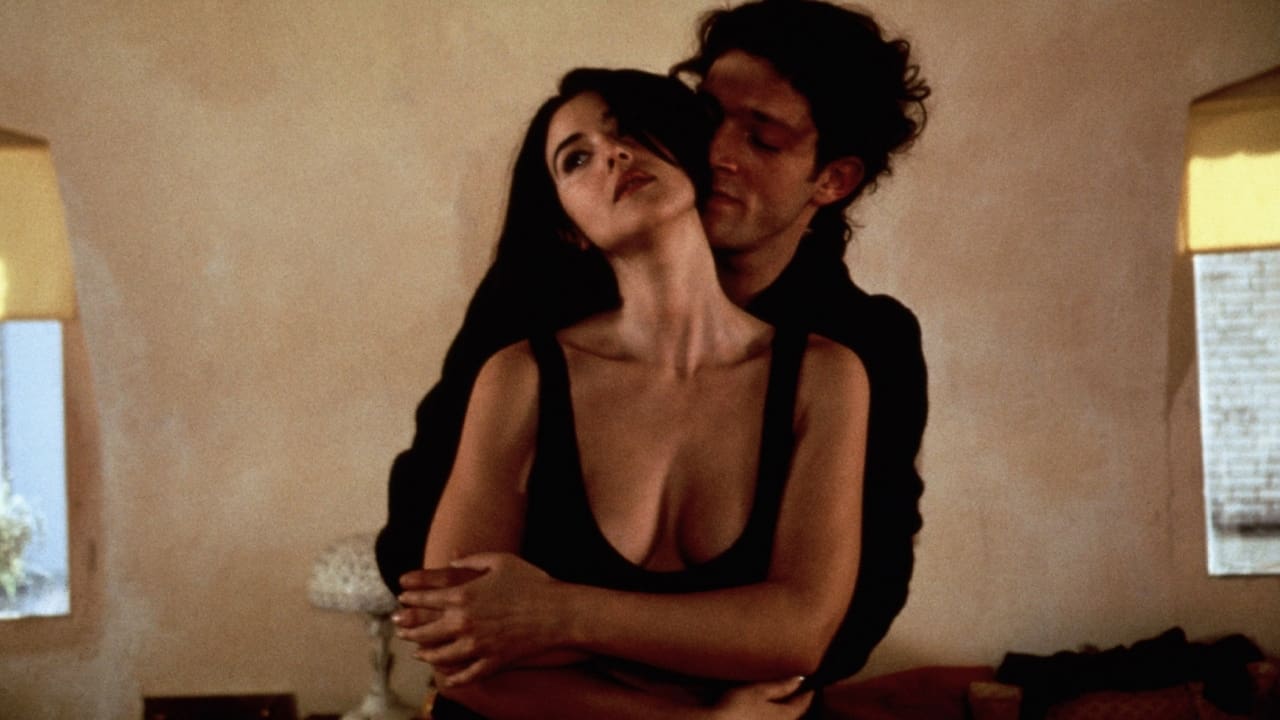
The setup feels almost deceptively simple. Max (Vincent Cassel, radiating that restless energy he does so well) is on the cusp of settling down. He has a successful career, a lovely fiancée, and a business trip to Tokyo lined up. But a fleeting moment in a Parisian café – a woman he believes is Lisa (Monica Bellucci, utterly magnetic in an early, star-making role), the great love who vanished from his life two years prior – unravels everything. This isn't just nostalgia; it's an immediate, consuming obsession. He ditches his flight, lies to his fiancée, and embarks on a desperate search, following a trail of clues that leads him to a strangely empty apartment. What unfolds is anything but straightforward, a narrative puzzle box clicking open piece by tantalizing piece.
Mirrors and Misdirection
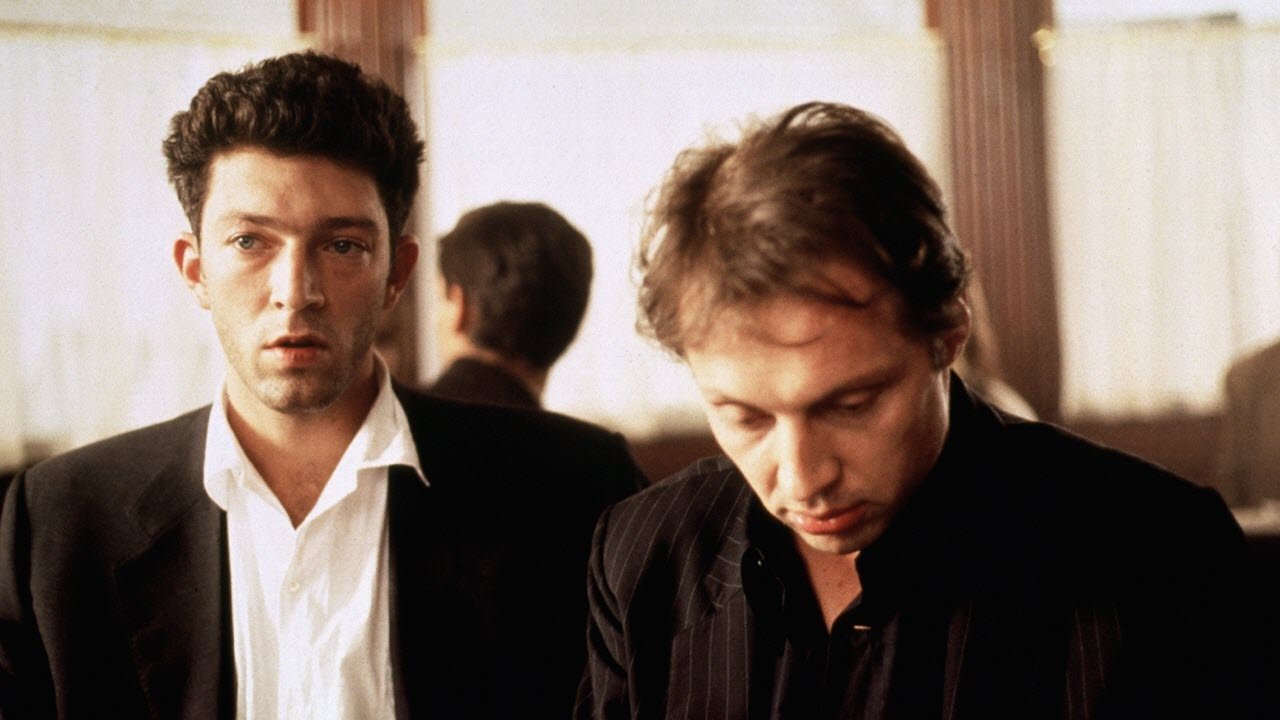
What elevates The Apartment beyond a simple romantic mystery is its structure. Gilles Mimouni, in what remains, astonishingly, his sole feature film directing credit, employs a fractured timeline. We jump between Max’s present-day pursuit, his memories of Lisa, and the perspective of Alice (Romane Bohringer), the apartment's current, enigmatic occupant. This isn't just a stylistic flourish; it mirrors the fragmented nature of memory and obsession itself. Events are replayed from different angles, revealing new layers of meaning, deception, and hidden connections. There’s a distinct Hitchcockian flavour here – the voyeurism, the mounting suspense, the sense that ordinary lives are teetering on the edge of something dangerous – but filtered through a distinctly French sensibility, more concerned with internal turmoil than external threats. Does the non-linear approach perfectly serve the story, or does it occasionally feel like complexity for complexity's sake? That's a question that might linger, but its power to wrong-foot the viewer is undeniable.
The Faces of Longing
The film rests heavily on its central trio, and they deliver performances that feel raw and captivatingly real. Cassel embodies the consuming nature of fixation, his Max driven by an almost self-destructive need to recapture the past. You see the intelligence warring with the impulse, the charm curdling into desperation. Bellucci, even with comparatively less screen time in the present narrative, casts a long shadow. Her Lisa is less a fully fleshed character and more an idealized phantom, the embodiment of lost passion, which is precisely the point. It's through Max's (and later, Alice's) perception that she takes shape. And then there's Romane Bohringer. Her Alice is the film's complex, beating heart. Initially quirky and seemingly peripheral, her role deepens profoundly as the layers peel back. Bohringer navigates Alice’s vulnerability, intelligence, and quiet desperation with extraordinary nuance. It’s a performance that stays with you, demanding empathy even as her actions become increasingly questionable. The chemistry between these three, charged with desire, deceit, and misunderstanding, is the engine driving the film's emotional intensity. Watching Cassel and Bellucci on screen together, knowing they would marry just a few years later in 1999, adds another layer of meta-resonance to their characters' potent connection.
Retro Fun Facts: Behind the French Doors
For a directorial debut, The Apartment made quite a splash, particularly outside of France. It snagged the BAFTA for Best Film Not in the English Language and a César Award (the French Oscar) for Best First Feature Film – testament to Mimouni's confident handling of complex material. Why he never directed another feature remains one of contemporary French cinema's little mysteries. Perhaps the pressure of this successful debut was too much, or maybe he simply felt he'd said what he needed to say. The film’s distinct look owes much to its Parisian setting, captured not as a tourist postcard but as a city of intimate spaces, shadowed corners, and serendipitous encounters.
Of course, for many North American viewers, the story might be more familiar through its 2004 Hollywood remake, Wicker Park, starring Josh Hartnett, Diane Kruger, and Rose Byrne. While a reasonably faithful adaptation plot-wise, it arguably smooths out some of the original's rough edges and complex ambiguities, lacking the specific moody charm and intensity of Mimouni's vision. Seeing the original feels like uncovering the more potent, concentrated source. It’s fascinating how a relatively modest French production (precise budget figures are tricky to pin down, but it certainly wasn't a blockbuster) could inspire a studio remake, highlighting the strength of its core concept.
The Lingering Question
The Apartment isn't a film that provides easy answers. It delves into the unsettling idea that our lives can pivot on misunderstandings and near-misses, that the people we think we know might be projections of our own desires. It asks us to consider the fine line between romantic devotion and dangerous obsession. What resonates most powerfully, perhaps, is its portrayal of loneliness and the desperate lengths people will go to connect, even if that connection is built on a fragile foundation of deceit. Does the intricate plot ultimately satisfy, or does its cleverness leave you feeling slightly detached? For me, the atmosphere, the performances, and the haunting central questions far outweigh any narrative quibbles.
Rating: 8/10
This score reflects the film's masterful creation of atmosphere, its compelling central performances (especially Bohringer's), and its intelligent, intricate structure that genuinely serves its themes. While the complexity might occasionally border on the convoluted for some, its power lies in its ambiguity and stylish execution. It's a standout piece of 90s foreign cinema that rewards patient viewing.
Final Thought: The Apartment remains a potent reminder that sometimes the most captivating mysteries aren't about whodunit, but about the tangled pathways of the human heart – a stylish, haunting echo from the shelves of VHS Heaven.