It arrives not with a thunderclap, but with a whisper of aged wood and secrets held for centuries. The Red Violin (1998) wasn't the kind of tape you grabbed impulsively from the New Releases wall at Blockbuster; it felt more like a discovery, tucked away perhaps, promising something intricate and resonant. And resonant it is. What unfolds is less a single story and more a tapestry woven across time, continents, and human hearts, all threaded together by the journey of one enigmatic instrument. Its distinctive colour, a deep, almost blood-like red, feels less like a simple pigment and more like a stain left by the intensity of the lives it touches.
A Journey Through Passion and Pain
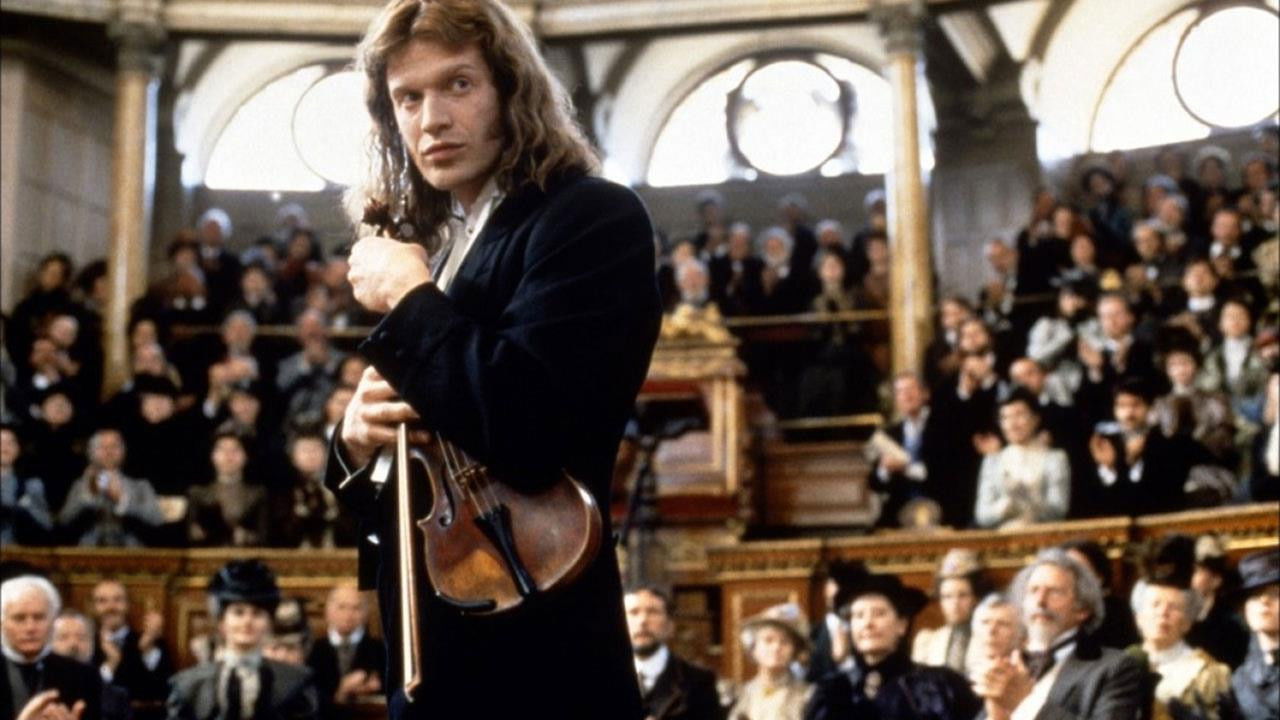
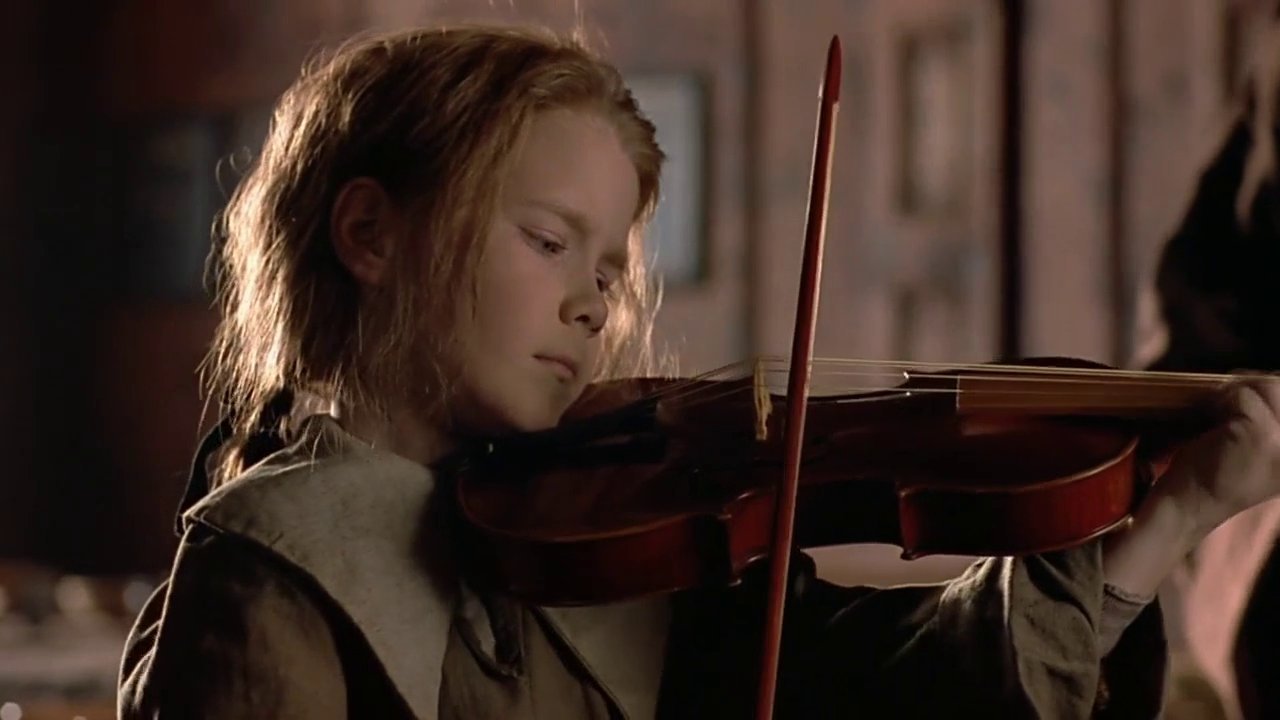
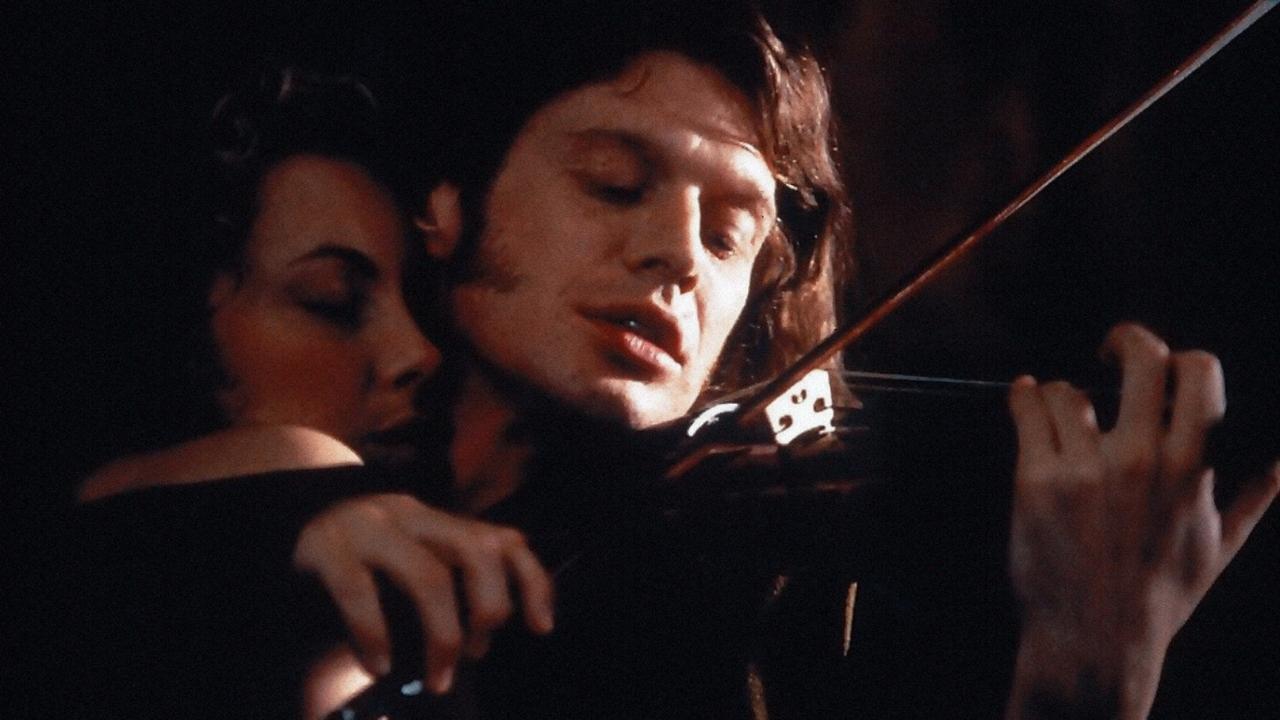
Directed by François Girard, who co-wrote the ambitious screenplay with Don McKellar (who sharp-eyed viewers might spot as the violin restorer in the Montreal segment), The Red Violin follows its namesake from its creation in 17th-century Cremona, Italy. Crafted by master luthier Nicolo Bussotti (Carlo Cecchi, radiating quiet intensity) for his unborn son, the violin is imbued from its very conception with powerful, perhaps even tragic, destiny. From there, it travels through the hands of an Austrian monastery orphan prodigy (Christoph Koncz), a tormented English virtuoso lord (Jason Flemyng), a desperate woman during China's Cultural Revolution (Sylvia Chang), and finally lands on the auction block in modern-day Montreal, where an expert appraiser (Samuel L. Jackson, in a surprisingly fitting role) attempts to unravel its mysteries.
The film's structure is audacious, shifting seamlessly between Italian, German, French, and Mandarin, demanding attention but rewarding it tenfold. Girard doesn't just present vignettes; he creates distinct worlds, each with its own palpable atmosphere – the candlelit workshop of Cremona, the austere discipline of the monastery, the opium-hazed decadence of Victorian Oxford, the fearful secrecy of Maoist China, and the sleek, high-stakes tension of the auction house. It’s a testament to the direction and cinematography that each era feels authentic and lived-in, drawing you completely into its specific time and place.
The Soul of the Instrument
What makes The Red Violin linger long after the credits roll isn't just its epic scope, but its central, compelling idea: that an object, particularly one crafted with such intense emotion, can absorb and carry the echoes of human experience. The violin isn't merely passed along; it seems to influence, witness, and even participate in the dramas of its owners. It becomes a vessel for obsession, artistic ecstasy, forbidden love, desperate survival, and profound loss. Is it cursed? Blessed? Or simply a catalyst, amplifying the inherent passions and flaws of those who possess it? The film wisely leaves these questions open, allowing the viewer to ponder the connection between art, artist, and audience.
The performances across the board are remarkably strong, each actor anchoring their segment with conviction. Cecchi’s portrayal of the grieving Bussotti sets the emotional tone, while young Christoph Koncz’s haunted performance as the prodigy Kaspar Weiss is heartbreaking. Sylvia Chang powerfully conveys the weight of history and personal sacrifice in the Shanghai sequence. And Samuel L. Jackson, known more for explosive roles even then (coming off films like Pulp Fiction (1994) and Jackie Brown (1997)), brings a grounded curiosity and quiet determination to the appraiser Charles Morritz, providing the narrative thread that ties the historical fragments together.
The Sound of Centuries
Of course, one cannot discuss The Red Violin without hailing John Corigliano's magnificent, Academy Award-winning score. It is the voice of the violin, shifting in character and mood to reflect each era and emotional state. Performed with breathtaking skill by renowned violinist Joshua Bell, the music is more than just accompaniment; it's the film's lifeblood, conveying the passion, sorrow, and mystery that words sometimes cannot. You feel the instrument's journey through the music itself.
Retro Fun Facts: Crafting a Legend
Creating this cinematic odyssey was no small feat. The production spanned continents, filming on location in Italy, Austria, England, China, and Canada – a logistical challenge that pays off handsomely in the film's visual richness. To bring the titular instrument to life, multiple copies of the "Red Violin" prop were crafted by master violin makers, ensuring authenticity in appearance and handling. Interestingly, the film's concept drew inspiration from the real-life story of the 1720 "Red Mendelssohn" Stradivarius, known for its distinctive colour and mysterious history. Made on a relatively modest budget (around $10 million USD, roughly $18.7 million today), its subsequent critical acclaim and cult following proved its artistic value resonated far beyond its initial box office returns. For many of us discovering it on VHS or DVD, it felt like unearthing a hidden treasure, a sophisticated piece of storytelling that stood apart from the usual fare.
Enduring Resonance
The Red Violin isn't a fast-paced thriller or a feel-good drama. It's a patient, immersive film that asks us to consider the journeys objects take and the human stories they silently carry. It explores the timeless power of art to transcend borders, languages, and centuries, linking disparate lives through shared beauty and sorrow. What stays with you is the haunting melody, the richness of the visuals, and the profound sense that some things – like music, like passion, like loss – echo through history in ways we can only begin to comprehend. Doesn't it make you look at antique objects, even familiar heirlooms, with a slightly different eye, wondering about the lives they've touched?
Rating: 9/10
This score reflects the film's sheer ambition, masterful execution, unforgettable score, and deeply resonant themes. While its episodic nature might feel slightly disjointed to some, the cumulative power of the interconnected stories and the central mystery make it a unique and rewarding experience. It's a film that respects its audience's intelligence and emotional capacity.
A true gem from the late 90s, The Red Violin remains a captivating testament to the enduring power of storytelling and the haunting beauty that can be found in the echoes of the past. A perfect film for a quiet night when you want something that truly stays with you.