There's a certain weight that settles in when you contemplate Ronald F. Maxwell's Gettysburg. It’s not just the formidable runtime – clocking in at over four hours, often demanding two VHS tapes back in the day – but the gravity of the event itself, presented with a solemnity and focus rarely afforded to historical conflict on screen. Watching it again after all these years, that weight feels less like a burden and more like an invitation to understand, to step past the broad strokes of history and into the mud, smoke, and agonizing decisions of the men who were there.
More Than Just Cannons and Charges
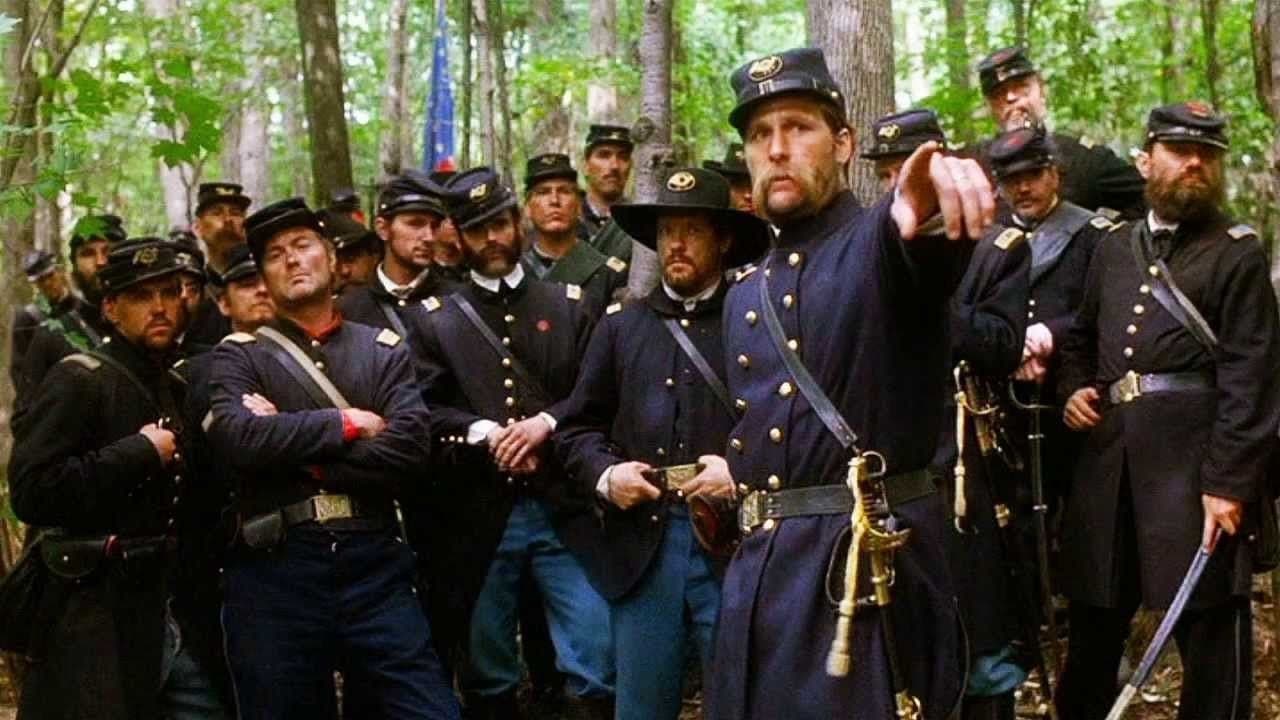
Based on Michael Shaara's Pulitzer Prize-winning novel The Killer Angels, Gettysburg distinguishes itself by concentrating less on the spectacle of battle (though the spectacle is undeniably immense) and more on the minds and hearts of the commanders. We aren't just shown troop movements; we're privy to the strategic disagreements, the ethical dilemmas, and the profound weariness etched on the faces of men like Confederate General James Longstreet and Union Colonel Joshua Lawrence Chamberlain. The film unfolds over the three crucial days of the battle in July 1863, meticulously charting the ebb and flow of fortune, but its real territory is the internal landscape of leadership under unimaginable pressure.
Portraits Forged in Fire
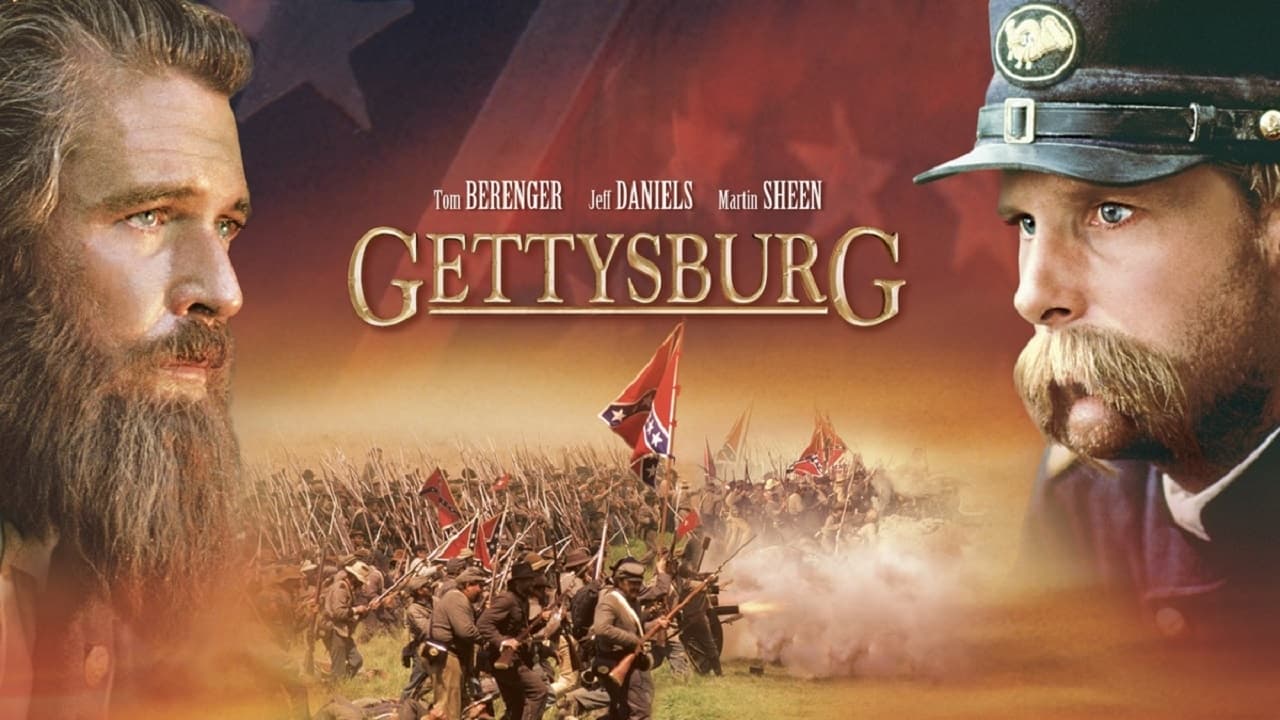
The performances are central to the film's enduring power. Jeff Daniels, in what remains a career-defining role, is Colonel Chamberlain. He embodies the transition from Bowdoin College professor to resolute battlefield commander with startling authenticity. The moments before the pivotal defense of Little Round Top, where he addresses his mutinous Maine soldiers, aren't just exposition; they are a masterclass in conveying quiet conviction and appealing to a shared, deeper sense of duty. You see the intellectual wrestling with the brutal realities of war, and it’s utterly compelling.
Opposite him, Tom Berenger brings a soulful gravity to Longstreet, Lee's "Old War Horse." Berenger plays him not as a simple subordinate, but as a man burdened by foresight, questioning the wisdom of Pickett's Charge yet bound by duty to obey. His scenes with Martin Sheen's Robert E. Lee possess a quiet tension. Sheen portrays Lee with a profound, almost tragic dignity, a man aware of the immense human cost of his decisions, carrying the weight of the Confederacy's hopes and facing the grim arithmetic of dwindling resources. The interactions between these actors feel less like reenactment and more like glimpses into genuine, complex relationships forged in the crucible of war.
An Epic Undertaking, Born from Passion
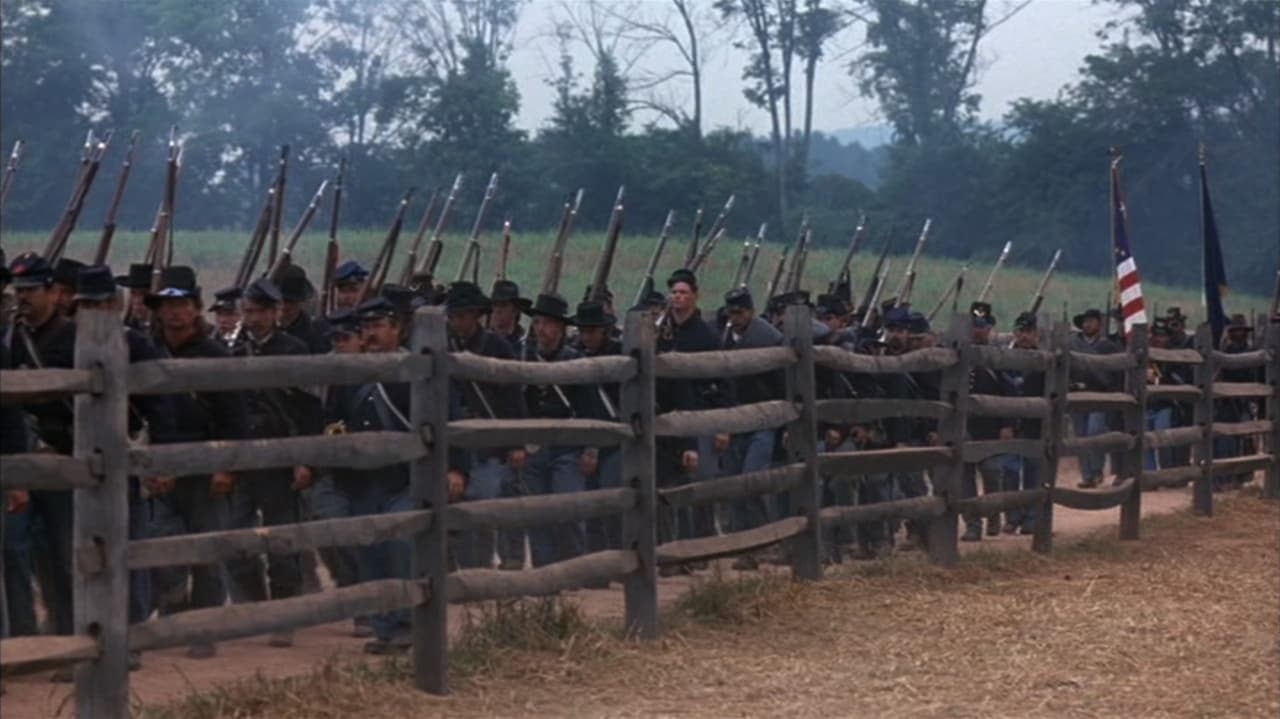
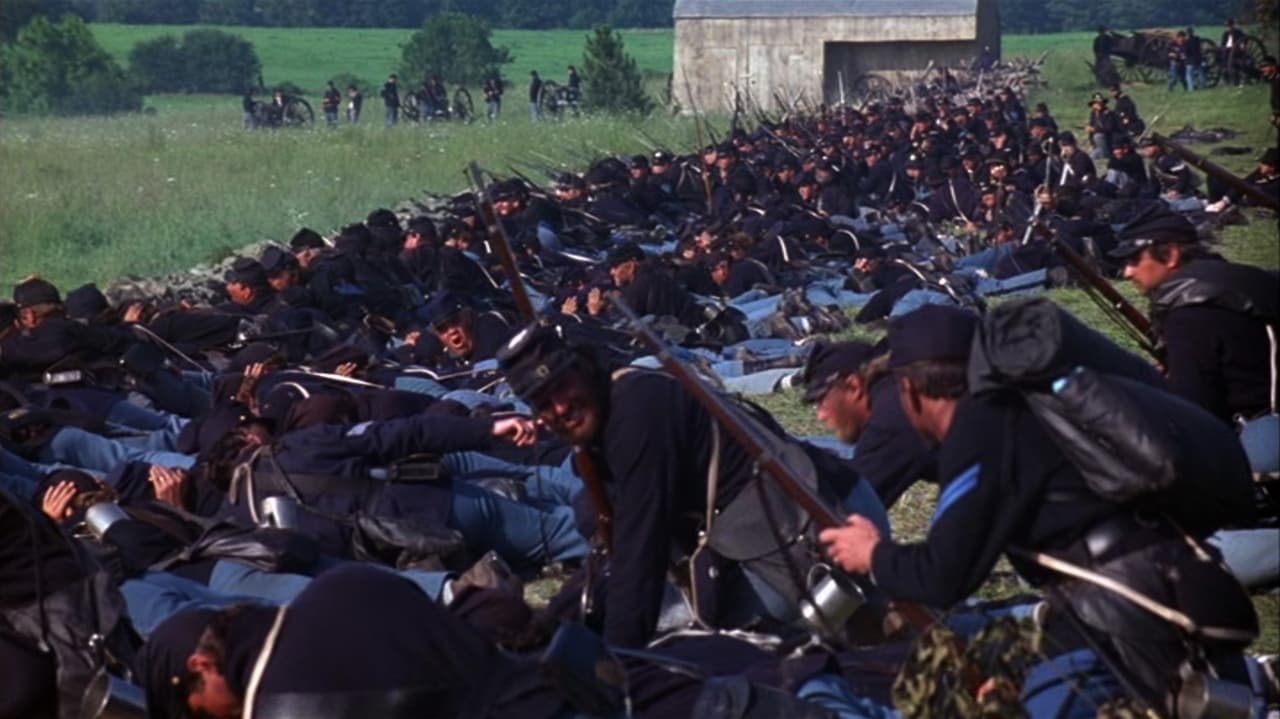
Bringing Gettysburg to the screen was an epic campaign in itself. Initially conceived as a TV miniseries for ABC, the project languished until Ted Turner and TNT stepped in, providing the necessary backing ($20 million – a substantial sum then, roughly $42 million today). This support allowed director Maxwell the scope to realize his vision, including a commitment that gives the film its unique texture: filming on the actual Gettysburg battlefield.
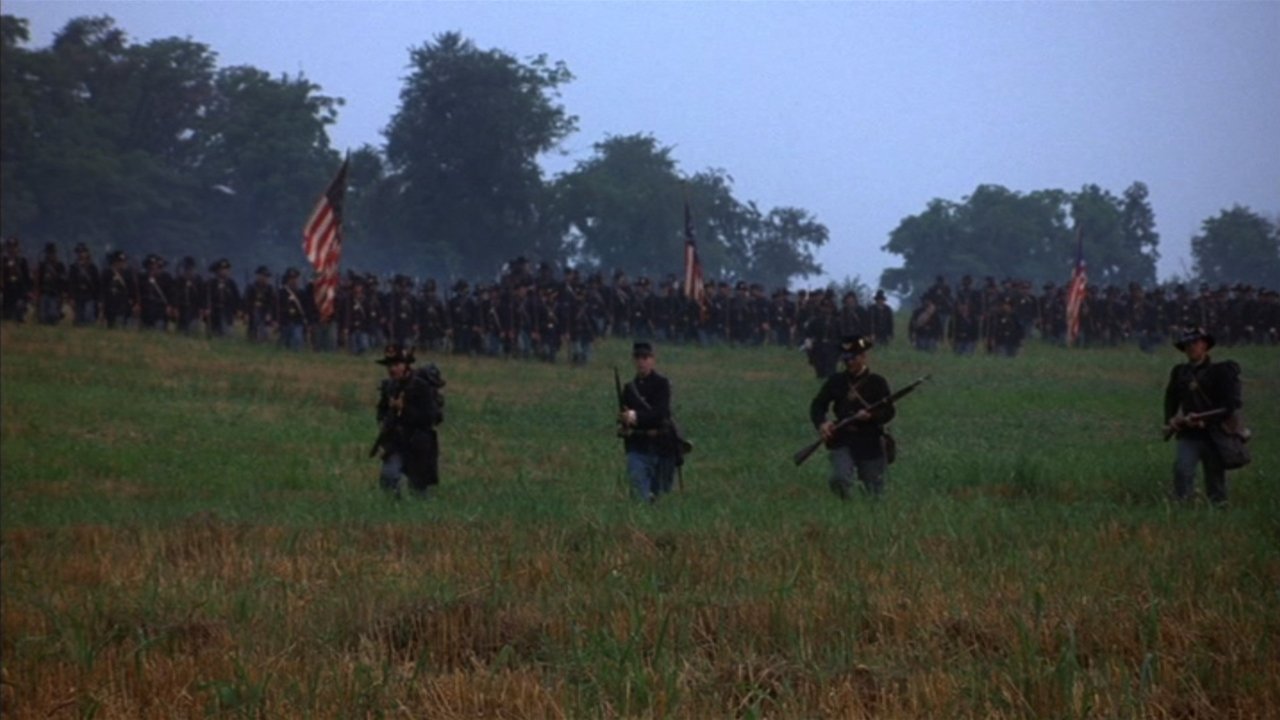
Perhaps most astonishingly, the production utilized thousands of volunteer Civil War reenactors. These weren't just extras; they were passionate historians bringing their own meticulously researched uniforms and equipment. Coordinating these armies of dedicated amateurs was a monumental logistical feat, lending the battle sequences an unparalleled sense of scale and authenticity that CGI struggles to replicate. Seeing those long lines of blue and grey deploy across those familiar fields... it felt incredibly real, even on a fuzzy CRT back in the 90s. I distinctly remember the heft of that double-VHS box from Blockbuster; it felt like you were renting a piece of history itself. Maxwell, who also adapted Shaara's novel, clearly poured immense dedication into getting the details right, from the tactics discussed in the command tents to the buttons on the soldiers' coats.
The Weight of History, The Echo of Sacrifice
Gettysburg doesn't shy away from the brutality, but its focus remains resolutely human. It asks us to consider the perspectives on both sides – the belief in cause, the loyalty to comrades, the shared experience of facing death. There are moments of profound sadness, such as the interactions between Confederate Generals Armistead (Richard Jordan, in one of his final roles) and Union General Hancock (Brian Mallon), friends forced onto opposing sides. What does it mean to fight against men you once called brother? The film doesn't offer easy answers, but it compels you to confront the question.
The famous sequence depicting Pickett's Charge is harrowing not just for its scale, but because we understand the reservations Longstreet felt, the hopes Lee pinned on it, and the sheer, awful courage of the men marching into that devastating Union fire. It’s a sequence that stays with you long after the credits roll.
Rating: 9/10
Gettysburg is a remarkable achievement. Its deliberate pace and extensive runtime demand commitment, but the reward is an immersive, thoughtful, and deeply human exploration of a pivotal moment in American history. The stellar performances, particularly from Daniels, Berenger, and Sheen, give faces and feelings to the names in the history books. The film's dedication to authenticity, made possible by Maxwell's vision and the incredible contribution of the reenactor community, creates a palpable sense of time and place. While perhaps lacking the kinetic energy some expect from war films, its strength lies in its quiet intensity and its focus on the internal battles waged by commanders and soldiers alike. It earns its length and its place as a significant piece of historical filmmaking.
It’s more than just a movie; it’s an experience that invites reflection on courage, sacrifice, and the enduring echoes of a conflict that shaped a nation. What lingers most, perhaps, is the profound sense of empathy it fosters for all who stood on that hallowed ground.