It’s a film that arrived not with the usual fanfare of a blockbuster, but with a profound hush, a weight that settled over cinemas and, later, living rooms across the globe. I distinctly remember the heft of the double VHS cassette for Steven Spielberg’s Schindler's List (1993) – it felt substantial, mirroring the gravity of the story held within those magnetic tapes. This wasn't your typical Friday night rental; it was an event, a film demanding attention and reflection, marking a stark departure for a director primarily known, until then, for weaving magic and adventure. What unfolds is less a movie and more an essential historical document rendered with shattering artistry.
A Different Kind of Storytelling
Before Schindler’s List, mentioning Steven Spielberg conjured images of wide-eyed wonder: bicycles silhouetted against the moon (E.T. the Extra-Terrestrial, 1982), thrilling archaeological escapades (Raiders of the Lost Ark, 1981), or primal terror emerging from the deep (Jaws, 1975). This film felt like something else entirely, something deeply personal. Spielberg, grappling with his own Jewish heritage and the horrors of the Holocaust, famously felt unready to direct it for years, even offering it to peers like Martin Scorsese and Roman Polanski (who understandably declined due to his personal history). When he finally committed, after witnessing renewed denial and ethnic cleansing in Bosnia, he approached it not just as a director, but as a witness bearing responsibility. He famously refused a salary, considering any profit "blood money."
The story itself, adapted by Steven Zaillian from Thomas Keneally's book, follows Oskar Schindler (Liam Neeson), a charismatic German industrialist and member of the Nazi party who arrives in Krakow, Poland, eager to profit from the war. Initially motivated by greed, he employs Jewish workers in his enamelware factory primarily because they are cheap labor. Yet, as he witnesses the escalating brutality of the Nazi regime, particularly the liquidation of the Krakow ghetto, a profound transformation occurs. How does a man driven by self-interest find himself compelled toward acts of extraordinary courage and compassion? That question pulses at the film’s heart.
Faces in the Darkness
The power of Schindler's List rests significantly on its performances, captured with unflinching intimacy. Liam Neeson, in a career-defining role, embodies Schindler's complex evolution. He isn't presented as a saint from the outset; Neeson masterfully conveys the initial opportunism, the charm used for manipulation, which gradually gives way to a dawning conscience, etched with desperation and resolve. His final breakdown, lamenting he couldn't save more, is simply devastating in its raw humanity.
Opposite him, Ben Kingsley is Itzhak Stern, Schindler's Jewish accountant and conscience. Kingsley delivers a performance of quiet dignity and immense moral weight. Stern understands Schindler perhaps better than the man understands himself, subtly guiding him, meticulously managing the list that becomes a lifeline. Their relationship, built on necessity and evolving into grudging, then genuine, respect, forms the film’s moral anchor.
And then there is Ralph Fiennes as Amon Göth, the commandant of the Płaszów concentration camp. Fiennes’ portrayal is terrifying precisely because it avoids caricature. He presents Göth not as a monstrous abstraction, but as a man capable of casual cruelty, vanity, and chilling indifference – a human face on absolute evil. Fiennes reportedly gained weight for the role by drinking Guinness, and his physical presence, combined with the coldness in his eyes, creates one of cinema's most unforgettable villains. The anecdotes of Holocaust survivors visiting the set being deeply disturbed by Fiennes in full SS uniform, mistaking him for the real Göth for a terrifying moment, speak volumes about the authenticity he achieved.
The Weight of Witness
Spielberg’s directorial choices are deliberate and impactful. The decision to shoot almost entirely in black and white, with Janusz Kamiński’s stark, documentary-style cinematography, lends the film a timeless, newsreel quality. It strips away any potential for aestheticizing the horror, forcing a direct confrontation with the events. Spielberg deliberately chose not to storyboard many sequences, particularly the harrowing ghetto liquidation, aiming for a chaotic, immediate feel that mirrors the terror experienced by the victims.
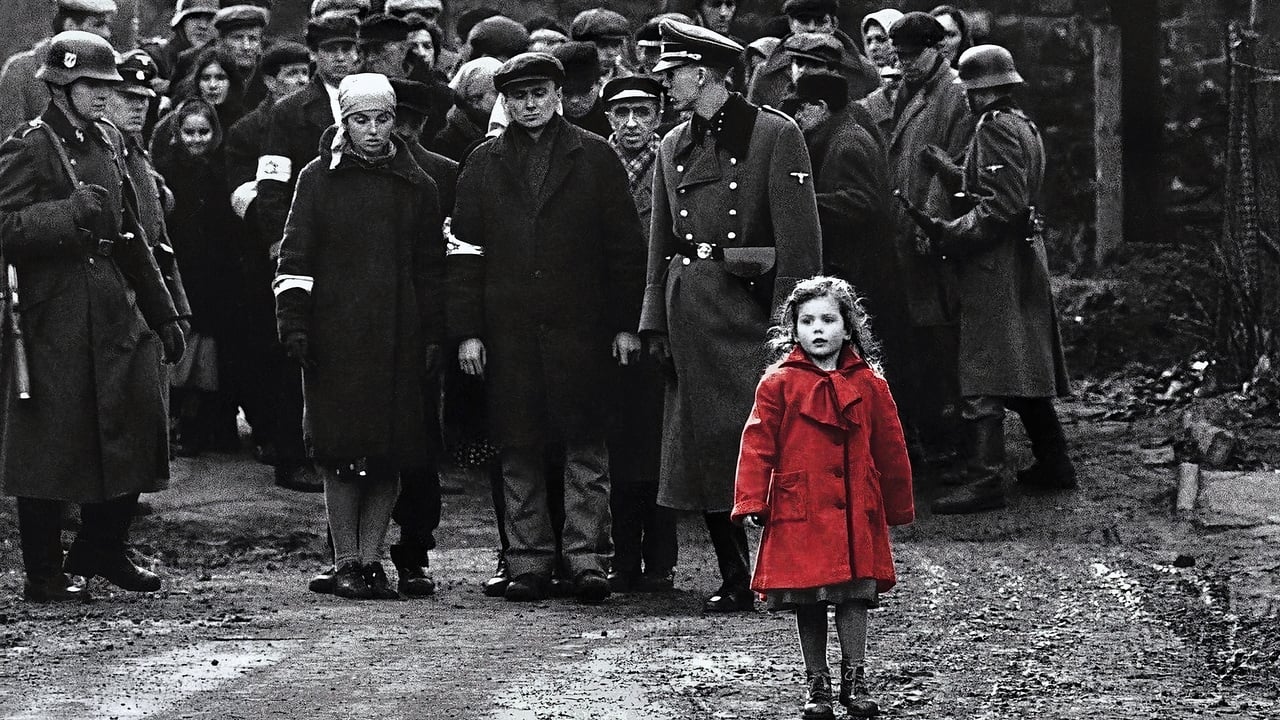
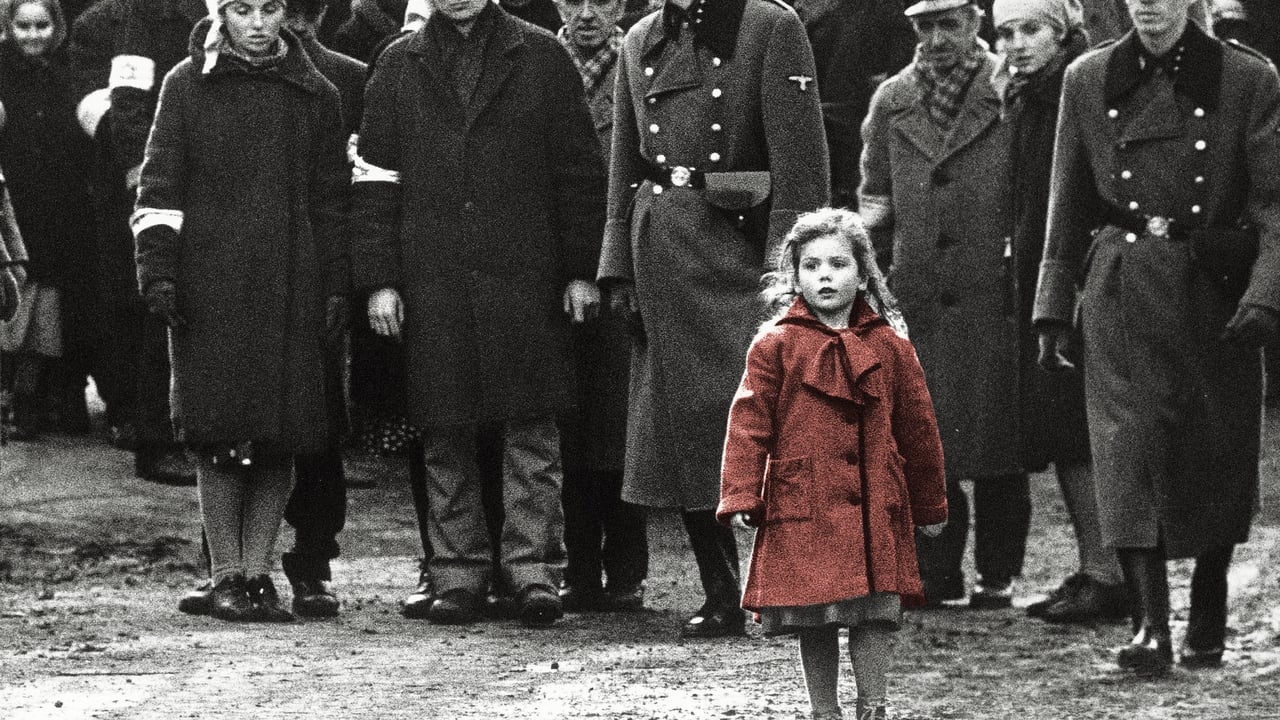
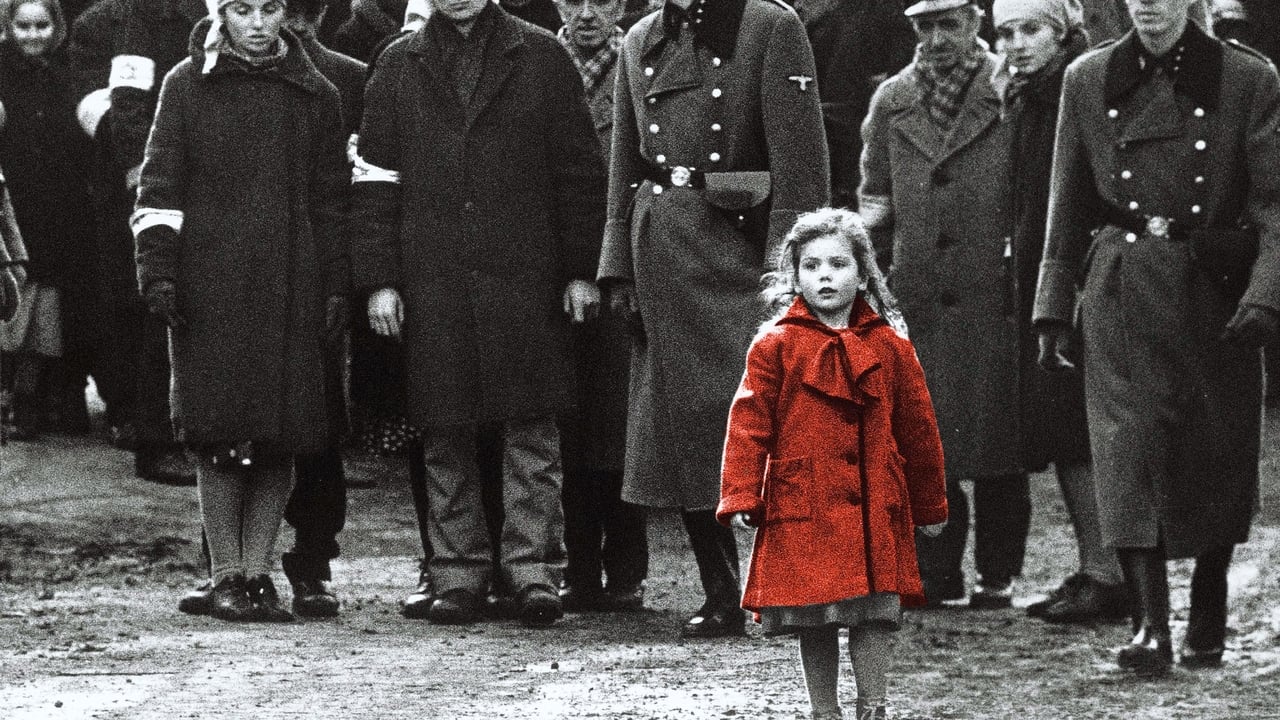
The sparing use of color – famously, the little girl in the red coat – is heart-wrenching. She stands out amidst the monochrome brutality, a symbol of innocence lost, her fate a shattering punctuation mark in the narrative. John Williams, known for soaring, adventurous scores, provides something profoundly different here: a haunting, elegiac violin theme that speaks of sorrow, loss, and flickering hope. It’s a score that mourns.
Shooting on location in Poland, often mere yards from the actual historical sites like Schindler’s factory and the gates of Auschwitz (permission was granted to film outside, but not inside the camp itself, out of respect), added another layer of authenticity and emotional weight for the cast and crew. This wasn't just a set; it was ground soaked in history.
Beyond the Tape
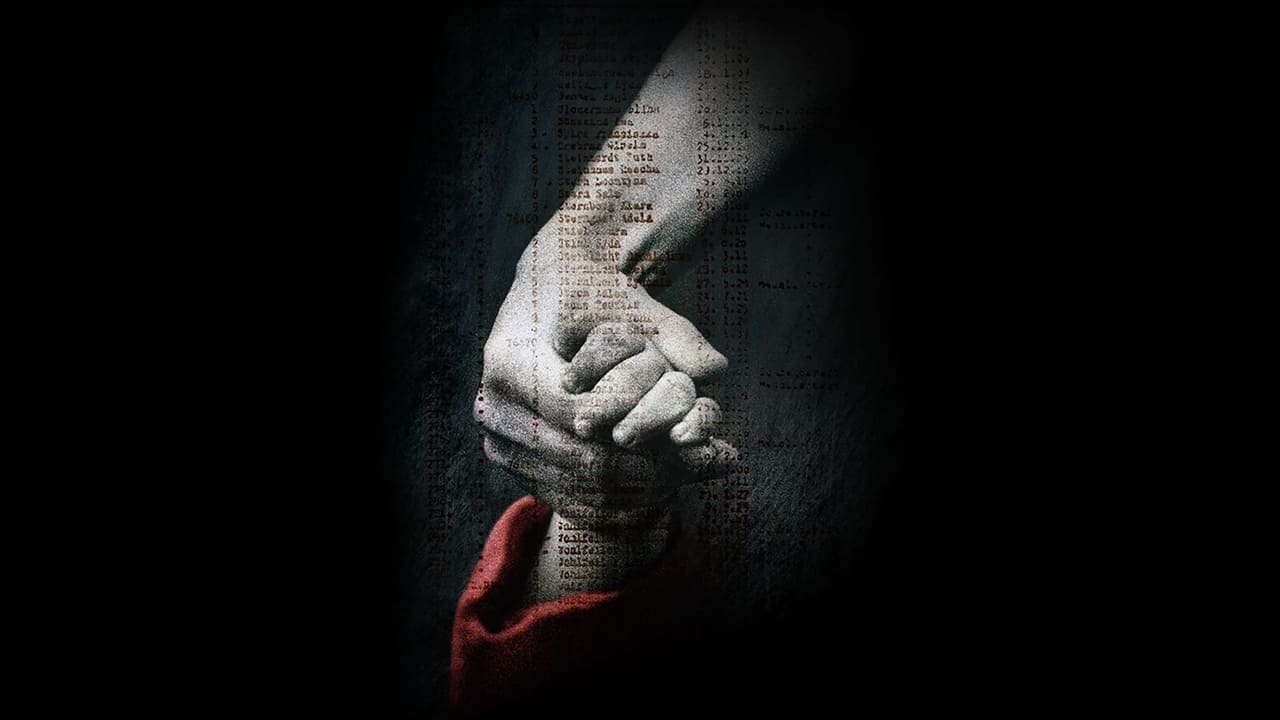
Watching Schindler’s List again, years after that first encounter with the double VHS, its power hasn't diminished. If anything, it feels more essential. It’s a film that confronts the worst of humanity but also illuminates the potential for good, even in the most unlikely individuals. It challenges us to consider what we would do, how indifference can be as deadly as hatred, and how individual actions can ripple outwards with unforeseen consequences. The film’s financial success ($322 million worldwide on a $22 million budget) was funneled by Spielberg into establishing the Shoah Foundation, dedicated to preserving survivor testimonies – a testament to the film's purpose beyond entertainment.

It's not an easy watch. It shouldn't be. But it’s a profoundly moving, meticulously crafted, and historically vital piece of cinema. It transcends its medium to become an act of remembrance.
Rating: 10/10
This rating reflects the film's near-perfect execution across acting, direction, writing, and cinematography, coupled with its immense historical significance and enduring emotional impact. It achieves its monumental goals with grace, power, and unflinching honesty. Schindler’s List isn't just a great film; it's necessary viewing, a stark reminder etched onto celluloid, leaving you not entertained, but changed. What endures most is the quiet power of the final scene, the real survivors placing stones on Schindler’s grave – a bridge between history and memory that film rarely achieves so profoundly.