There's a certain weight that settles in your chest when the final frames of Edward Zwick's Glory fade to black. It's not just the somber conclusion of a historical narrative, but the resonance of sacrifice witnessed, of prejudice confronted, and of a profound, terrible beauty found amidst the brutality of the American Civil War. Released in 1989, this wasn't just another war film pulled from the shelves of the local video store; it felt like uncovering a vital, often overlooked chapter of history, presented with a dignity and emotional force that stays with you long after the VCR clicks off.
Bearing Witness
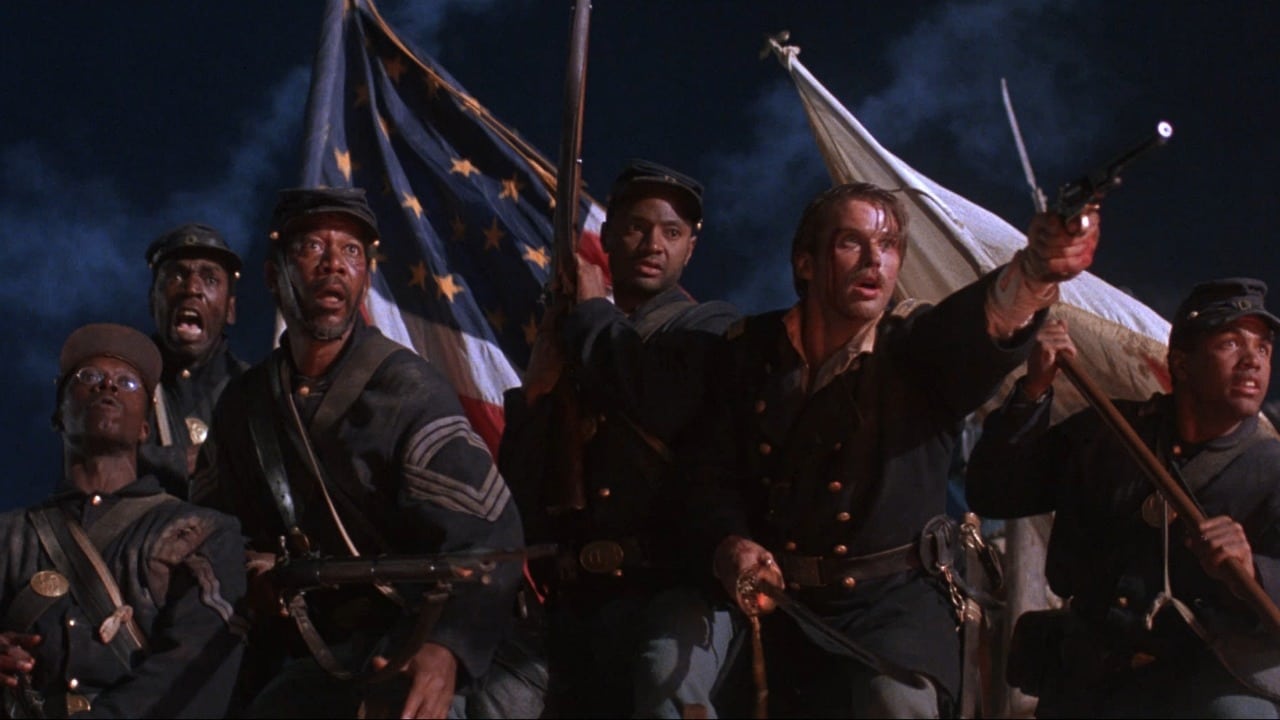
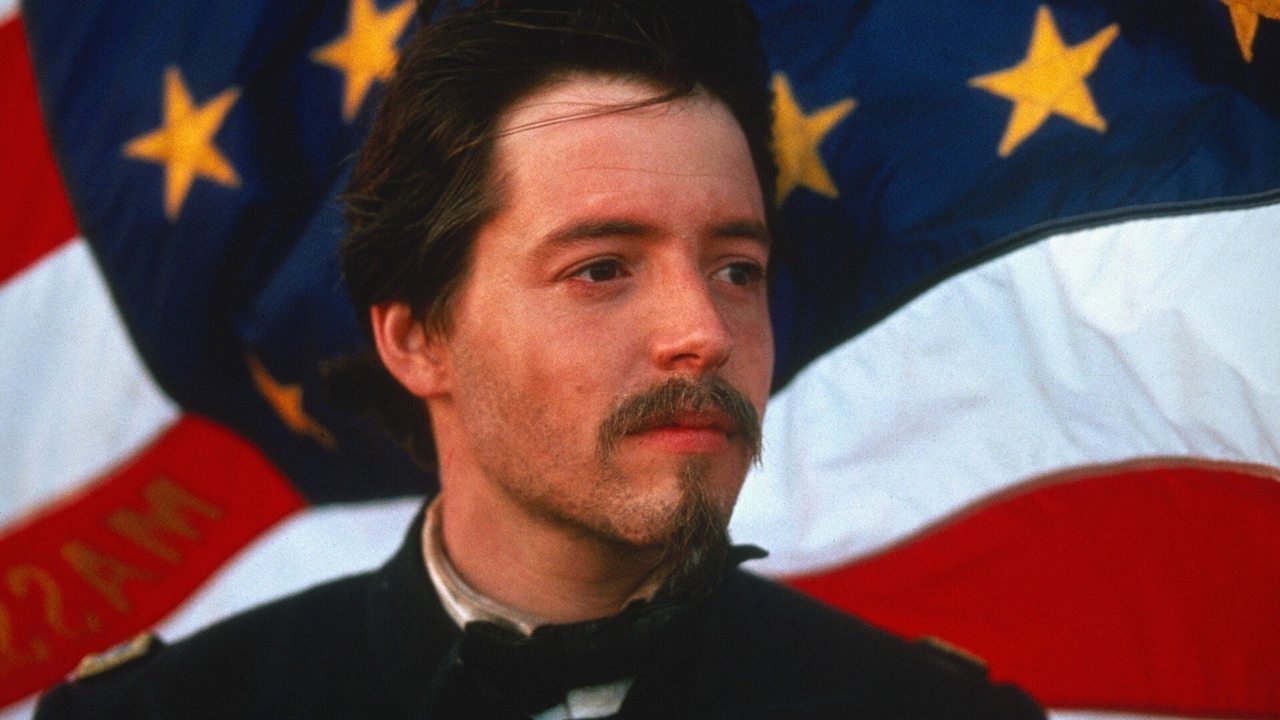
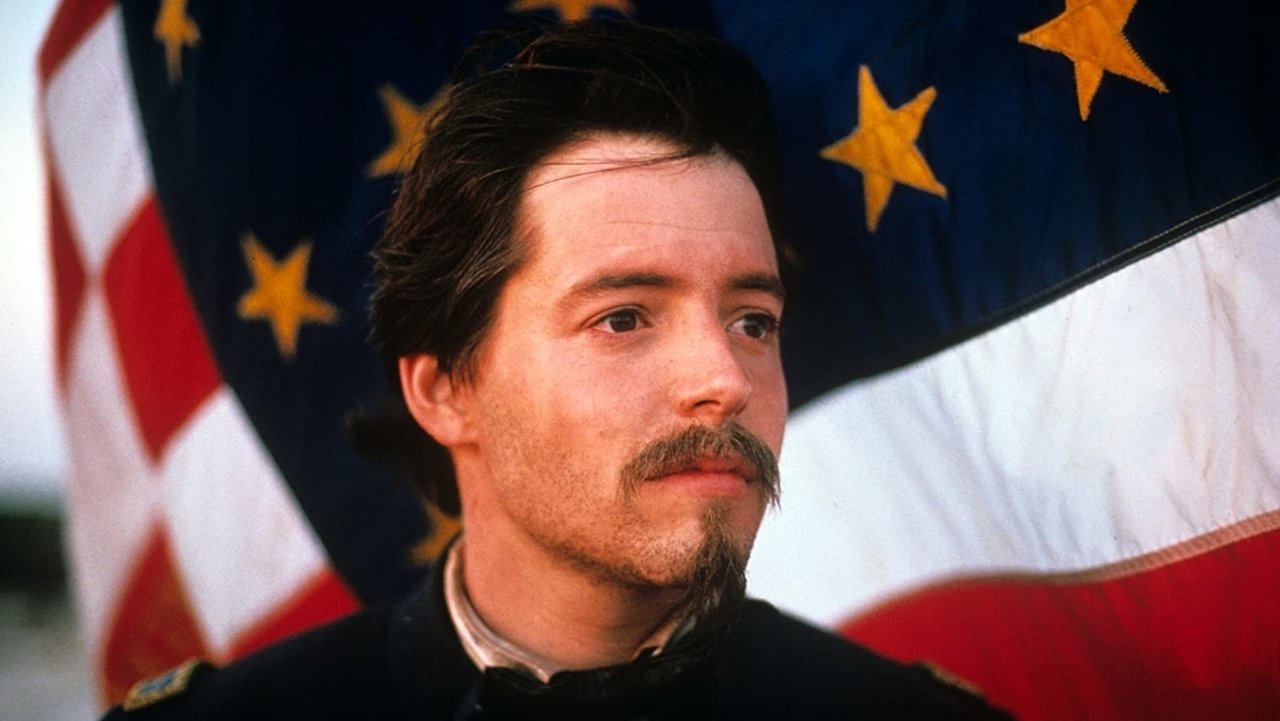
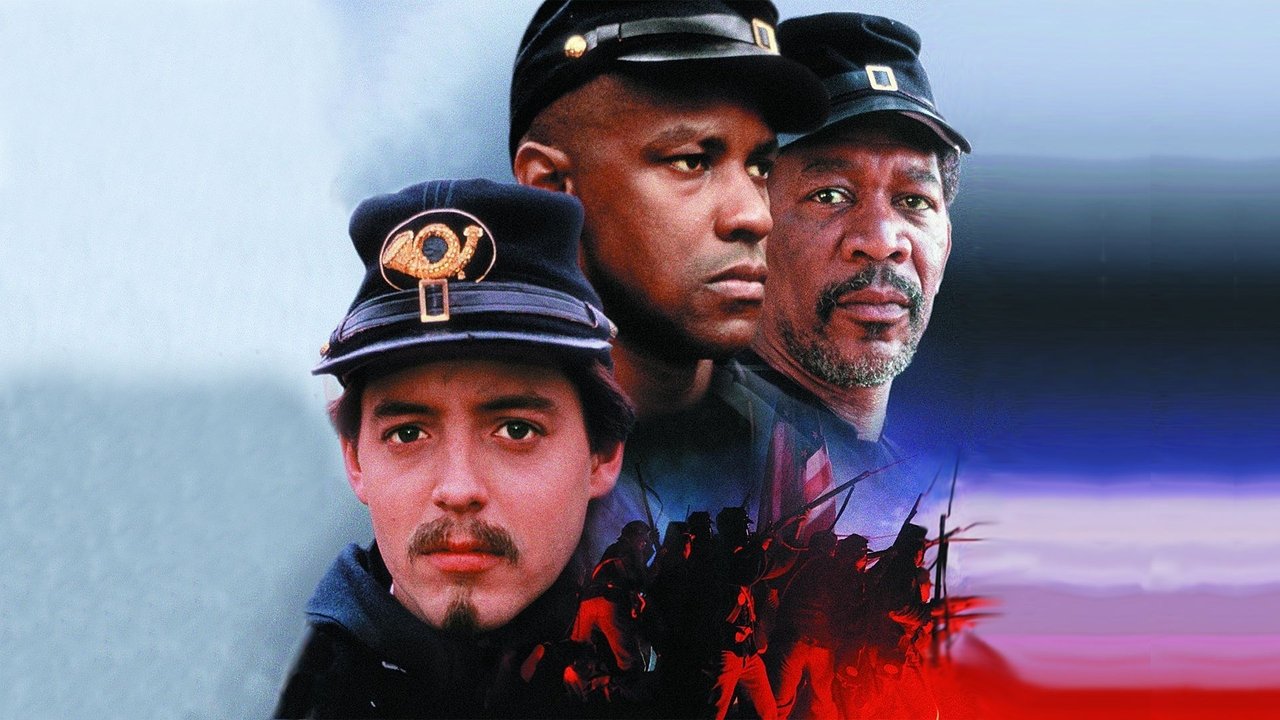
Glory tells the story of the 54th Massachusetts Volunteer Infantry, one of the first official African American units in the United States Army during the Civil War. Leading them is the young, inexperienced Colonel Robert Gould Shaw, played with earnest conviction by Matthew Broderick. Fresh off lighter fare like Ferris Bueller's Day Off (1986), Broderick steps into a role demanding a different kind of presence. He effectively portrays Shaw's evolution from a somewhat naive Boston Brahmin idealist, initially uncertain of his command and the men under him, into a leader forged in the crucible of shared hardship and burgeoning respect. His stiffness isn't a flaw in the performance; it is Shaw, wrestling with duty, societal expectations, and the horrifying realities of war.
The film doesn't shy away from the immense prejudice the 54th faced, not just from the Confederacy (who declared any captured Black soldier or white officer commanding them would be executed), but from within the Union ranks itself. The struggle for basic supplies, for proper boots, for equal pay – these aren't mere plot points; they are the soul of the film's central conflict. It asks: what does it mean to fight and die for a country that doesn't even recognize your full humanity?
A Chorus of Unforgettable Voices
While Shaw provides the narrative frame, the heart of the 54th beats within its enlisted men. Morgan Freeman, already a revered presence, lends his signature gravitas to Sergeant Major John Rawlins, a figure of quiet wisdom and resilience. Cary Elwes, known best perhaps for The Princess Bride (1987), offers steadfast support as Major Cabot Forbes, Shaw's friend and fellow officer grappling with the moral complexities. But it's Denzel Washington as Private Silas Trip who delivers a performance for the ages, one that rightly earned him his first Academy Award.
Trip is pure, concentrated defiance – cynical, scarred (physically and emotionally), and unwilling to offer deference easily. Washington embodies his rage and pain with electrifying intensity. The infamous scene where Trip is flogged for desertion (reportedly, Washington bore lash marks for days afterwards, a testament to the realism sought) is agonizing, but it’s the single tear rolling down his cheek – an unscripted moment Washington later attributed to the character's overwhelming pain and injustice – that shatters the viewer. It’s a perfect distillation of the film’s power: raw, visceral emotion grounded in historical truth. Screenwriter Kevin Jarre, who poured years into researching Shaw's letters and historical accounts (and would later pen the equally memorable Tombstone), gave these actors such rich soil to work with.
Crafting History with Mud and Blood
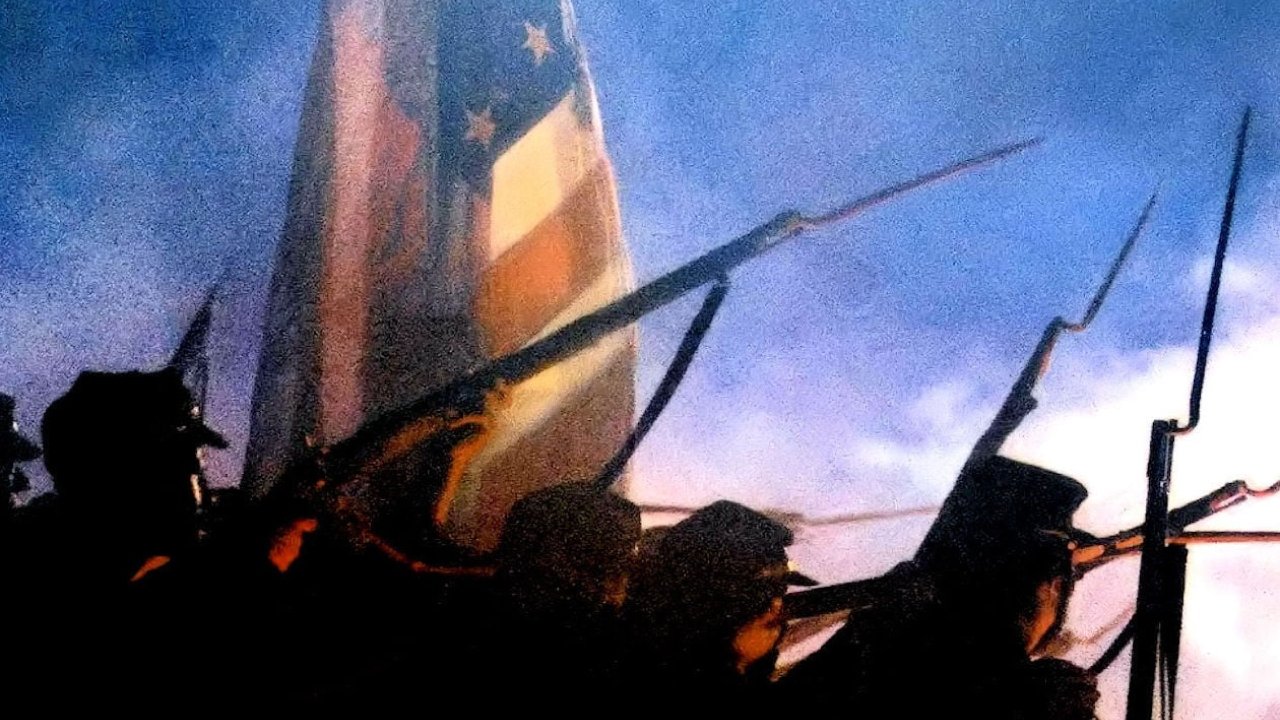
Edward Zwick, who would revisit historical epics like Legends of the Fall (1994) and The Last Samurai (2003), directs with a steady, unflinching hand. He balances the intimate character moments with the terrifying chaos of battle. The film benefited immensely from the masterful eye of cinematographer Freddie Francis, a two-time Oscar winner (including one for Glory), whose compositions capture both the desolate beauty of the landscapes (filming occurred largely in Georgia and Massachusetts) and the grim, muddy reality of war. There's a tangible quality to the film – you can almost feel the wool uniforms scratch, smell the gunpowder, sense the damp chill.
And then there's the score. James Horner's soaring, heartbreaking score is inseparable from Glory's impact. Featuring the Boys Choir of Harlem, it evokes innocence, heroism, and profound sorrow, often simultaneously. It elevates the narrative without overwhelming it, becoming one of the most iconic and moving film scores of the era. Despite its epic scope, Glory was made for a relatively modest $18 million, requiring careful planning, particularly for the climactic assault on Fort Wagner, staged with gut-wrenching authenticity.
The Weight of the Charge
The film culminates in the near-suicidal assault on Fort Wagner, South Carolina. The sequence is brutal, terrifying, and ultimately, deeply moving. Knowing the historical outcome doesn't lessen the impact. Seeing these men, who fought for recognition, for pay, for the right to simply fight, charge into almost certain death is an unforgettable cinematic moment. It's a testament to courage born not from blind patriotism, but from a desperate need to prove their worth and claim their stake in the nation's future.
Glory wasn't a runaway blockbuster upon release (grossing around $27 million domestically), but its critical acclaim and subsequent awards recognition cemented its status. More importantly, it played a crucial role in bringing the contributions and sacrifices of Black soldiers during the Civil War into the mainstream consciousness, challenging sanitized narratives and demanding recognition for their bravery. It stands as a powerful corrective and a deeply human war story.
Rating: 9.5/10
This score reflects the film's exceptional power, driven by phenomenal performances (especially Washington's), masterful direction, stunning cinematography, an unforgettable score, and its vital historical significance. It avoids easy sentimentality, delivering a raw, honest, and deeply affecting portrait of courage against overwhelming odds. Any minor quibbles fade in the face of its overall achievement.
Glory is more than just a film you watch; it's one you carry with you. It’s a reminder of the cost of freedom, the poison of prejudice, and the enduring power of the human spirit, even when marching towards the cannon's roar. It remains essential viewing, a VHS tape that always felt heavier, somehow, than the others on the shelf.