There's a particular kind of silence that The Big Blue evokes, a feeling less like absence and more like presence – the immense, crushing quiet of the deep ocean. Watching it again, decades after first sliding that well-worn VHS tape into the VCR, that feeling returns instantly. It's more than just a film about freediving; it’s a sensory immersion, a plunge into obsession that leaves you breathless, contemplating the powerful, almost mystical pull of the abyss. Released in 1988, Luc Besson’s visually stunning epic wasn't just a movie; for many, especially in Europe, it was an event, a phenomenon.
A World Apart
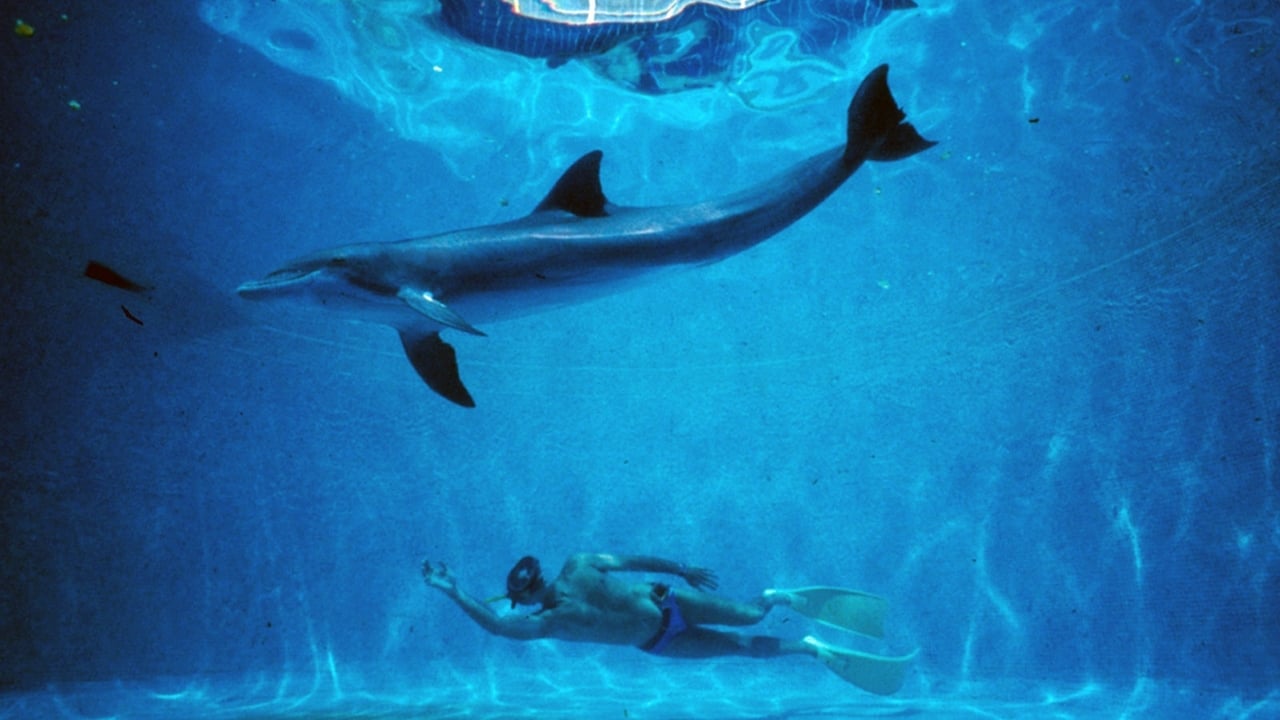
The story orbits the lives of two childhood friends turned rivals: Jacques Mayol (Jean-Marc Barr) and Enzo Molinari (Jean Reno). Both are gifted freedivers, pushing the boundaries of human endurance, but their motivations diverge sharply. Jacques seems almost otherworldly, more comfortable communicating with dolphins than humans, driven by an internal, spiritual quest connected to the sea itself. He’s quiet, introspective, his gaze often lost somewhere far beyond the horizon. Enzo, conversely, is pure fire and charisma – loud, competitive, embracing life on land with gusto, yet equally consumed by the need to be the best, to conquer the ocean depths through sheer will and bravado. Caught between them, and serving as our eyes into their strange world, is Johana Baker (Rosanna Arquette), an American insurance investigator who falls for Jacques’s enigmatic charm, trying desperately to understand a man who seems tethered to another realm.
Beneath the Surface
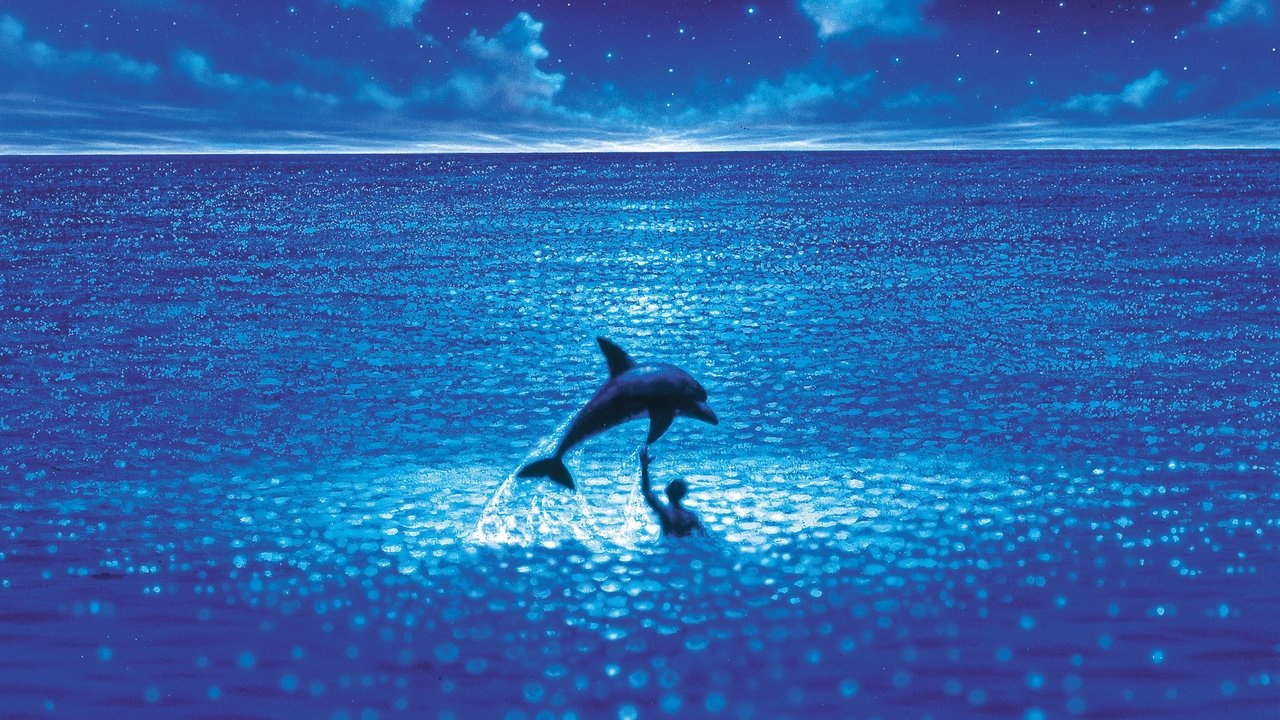
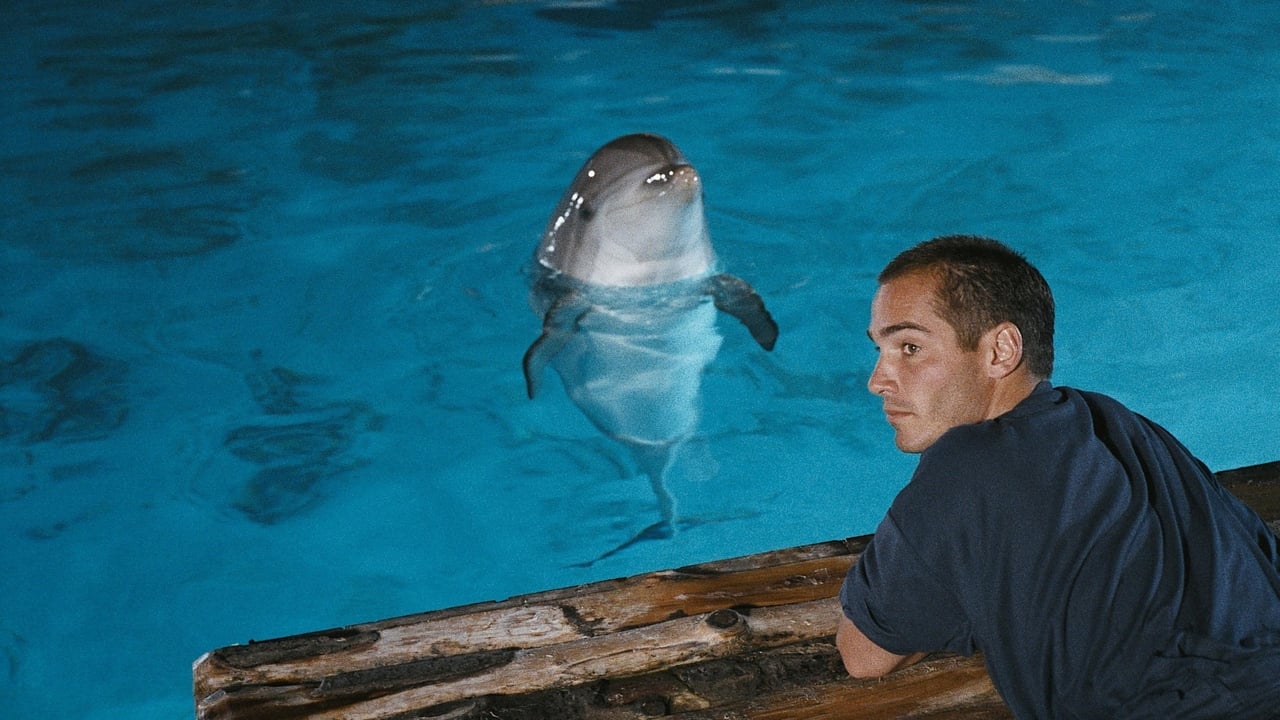
The performances are central to the film's hypnotic power. Jean-Marc Barr embodies Jacques with a serene detachment that feels utterly authentic. It’s a challenging role – conveying deep passion through near silence – but Barr makes you believe in Jacques's profound connection to the water. He isn't just diving; he's communing. It's a performance built on stillness and subtle shifts in expression, capturing a soul adrift from the terrestrial world. In stark contrast, Jean Reno, in a role that arguably launched his international stardom (before his iconic turn in Besson's Léon: The Professional), is magnetic as Enzo. He brings warmth, humor, and fierce energy to the Sicilian diver, making his competitive drive both understandable and compelling. His loyalty to Jacques, buried beneath layers of machismo and rivalry, forms the emotional core of their complex relationship. Rosanna Arquette, known then for films like Desperately Seeking Susan, has the difficult task of grounding the narrative. Johana represents the audience, bewildered by Jacques's pull towards the abyss and Enzo's relentless drive. While sometimes feeling slightly underserved by the script, Arquette brings a necessary vulnerability and warmth, highlighting the human cost of the men’s oceanic obsessions.
The Immense Spectacle
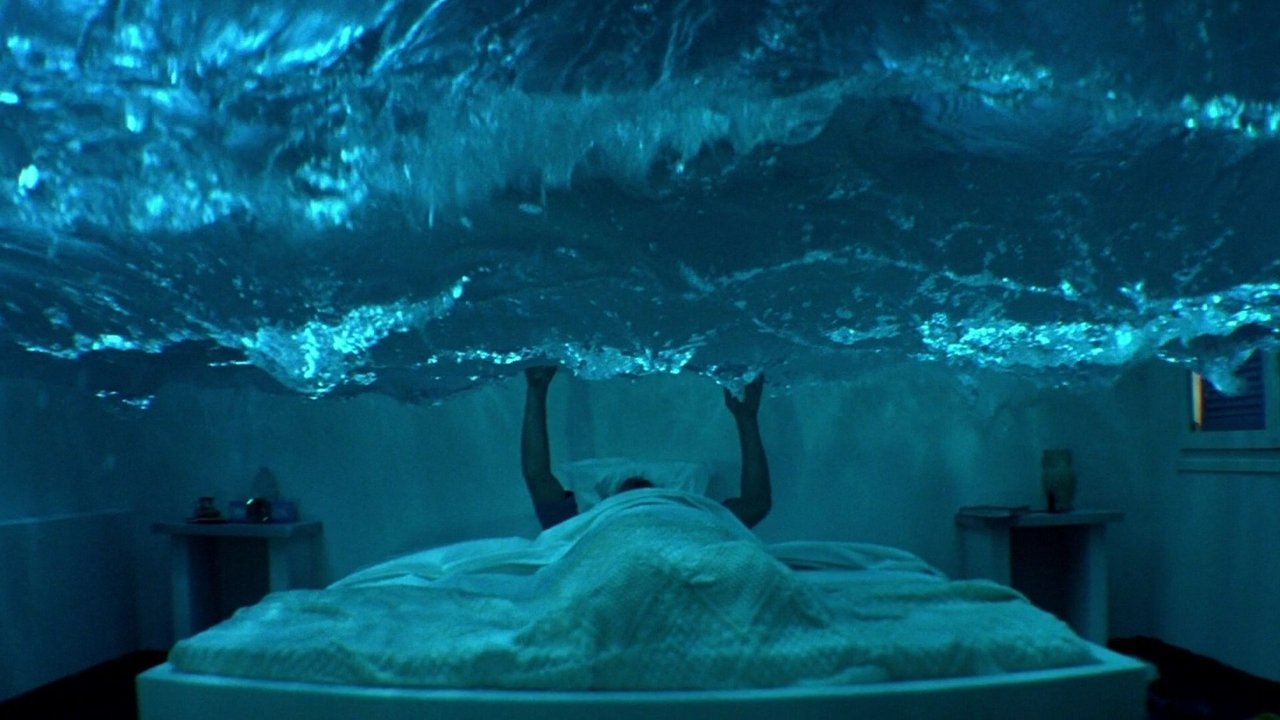
Visually, The Big Blue is breathtaking. Besson, whose own parents were diving instructors, clearly has a deep affinity for the ocean. Filmed in stunning locations across Greece, Italy, France, and Peru, the underwater sequences possess a grandeur and ethereal beauty rarely matched. The vast expanses of blue, the mesmerizing dance of light filtering through the water, the graceful movements of dolphins – it’s pure cinematic poetry. This wasn't easy to achieve in the late 80s; the technical challenges of filming deep underwater with bulky equipment were considerable, requiring innovative techniques and immense patience. The commitment paid off, creating images that lodge themselves firmly in the memory. Anyone who saw this on a decent-sized screen back in the day remembers that feeling of being submerged alongside Jacques and Enzo.
Retro Fun Facts: Cuts, Scores, and Sensation
Digging into the film's history reveals fascinating details. The Big Blue is loosely inspired by the real-life rivalry between legendary freedivers Jacques Mayol and Enzo Maiorca. Mayol even served as a consultant on the film, adding a layer of authenticity, though Maiorca famously sued Besson over his portrayal (leading to the character's name change to Molinari in some versions and the film being banned in Italy for years).
Perhaps the most significant trivia for VHS collectors is the existence of different versions. The original US theatrical release (the one many of us first rented) was shorter, featured a jarringly different, more conventional score by Bill Conti (Rocky), and tacked on a happier, studio-mandated ending. This version often baffled American critics, who found it beautiful but emotionally distant. Contrast this with the European reception: the longer Director's Cut, propelled by Eric Serra's haunting, atmospheric electronic score (which won a César Award and became a massive bestseller), turned the film into a cultural phenomenon, particularly in France where it played for over a year and became one of the decade's biggest hits. Seeing the Director's Cut truly unlocks the film's intended meditative, almost melancholic power. Serra's score isn't just background music; it is the soul of the film, perfectly capturing the mystery and allure of the deep. The film itself, despite a modest budget (around $15 million), became a huge success internationally, cementing Besson's reputation.
The Lingering Echo
What stays with you after The Big Blue? It’s the vastness, certainly. The overwhelming beauty and danger of the ocean. But it’s also the exploration of obsession, the question of what drives individuals to dedicate their lives to pursuits that isolate them, that push them to the edge of existence. Is Jacques’s connection to the sea a spiritual calling or a tragic inability to connect with the human world? Does Enzo’s fierce competitiveness mask a deeper fear or insecurity? The film doesn't offer easy answers, instead leaving us suspended in its beautiful, melancholic ambiguity. It forces us to consider the limits we place on ourselves and the powerful forces – both internal and external – that compel us to push beyond them.
***

Rating: 8.5/10
Justification: The Big Blue (specifically the Director's Cut with Serra's score) is a visually spectacular and emotionally resonant experience. Its hypnotic atmosphere, stunning underwater cinematography, and the compelling central performances from Barr and Reno create a unique and memorable film. While Arquette's character sometimes feels like an observer rather than a fully integrated part of the core dynamic, and the narrative pacing is deliberately meditative (which might test some viewers), the film's ambition and artistic vision are undeniable. The score alone elevates it, and its exploration of obsession and the allure of the unknown remains potent. It’s a film that truly transports you.
Final Thought: More than just a sports rivalry movie, The Big Blue is a haunting dive into the human spirit's yearning for something beyond the ordinary, leaving you wondering about the depths within us all.