### A Question of God Complexes and Hidden Agendas
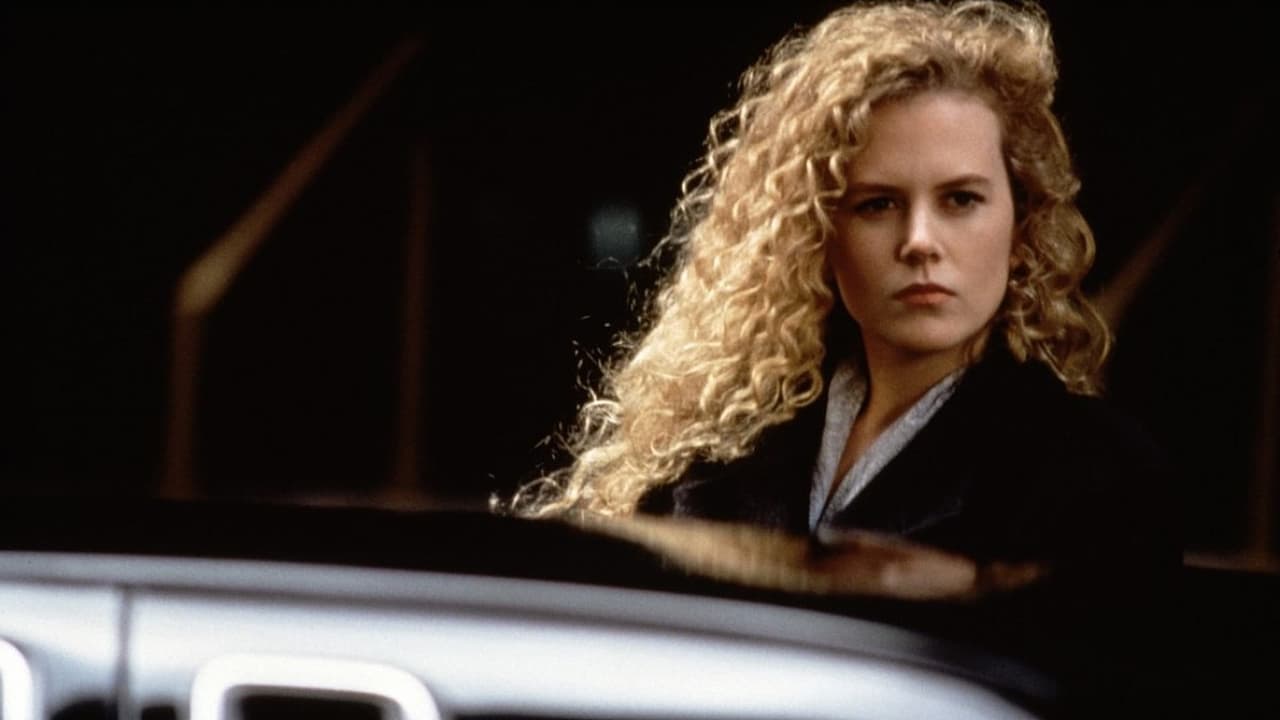
There’s a certain glossy, almost hyper-real sheen to many early 90s thrillers, isn't there? That sense of expensive surfaces barely concealing something rotten underneath. Malice (1993) practically drips with it. It arrives like a perfectly wrapped gift box that feels just a little too light, hinting that the real value lies not in what's promised, but in the elaborate deception of the packaging itself. Watching it again now, decades after pulling that distinctive VHS box off the rental shelf, what strikes me isn't just the pretzel logic of its plot, but the sheer audacity of its central performance and the questions it dares to ask, however luridly.
Small Town Shadows
Set against the deceptively tranquil backdrop of a New England college town, the film introduces us to Andy and Tracy Safian (Bill Pullman and Nicole Kidman), a young couple seemingly living an idyllic life. He's a dean at the local college; she's a volunteer children's art teacher. Their world is stable, comfortable, maybe even a touch mundane. Enter Dr. Jed Hill (Alec Baldwin), a charismatic, supremely confident surgeon new to the local hospital and an old acquaintance of Andy's. It’s a setup ripe for disruption, and Harold Becker, who previously helmed the similarly atmospheric Sea of Love (1989), knows exactly how to slowly tighten the screws, letting the picturesque setting curdle as secrets and suspicions mount. The initial charm gives way to a palpable sense of unease, a feeling that established lives are about to be irrevocably fractured.

That Monologue, and the Performances That Orbit It
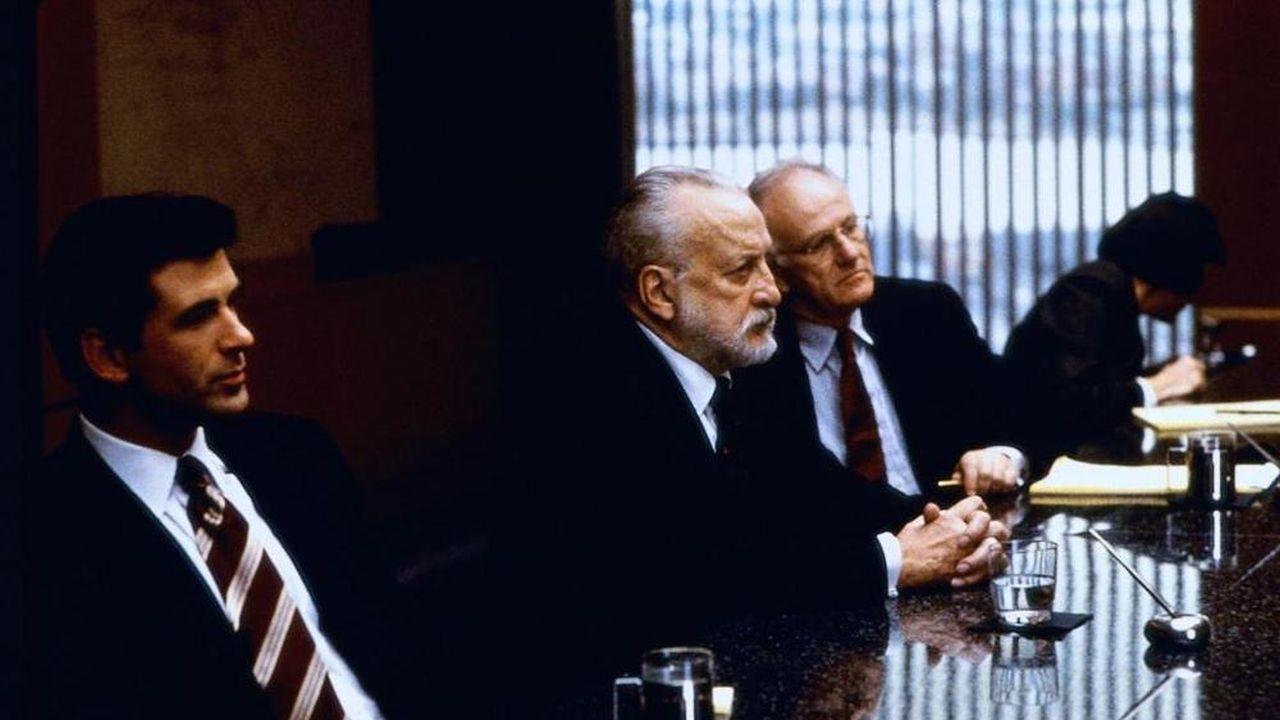
Let's be honest: for many, Malice is defined by one scene, one blistering monologue. When Alec Baldwin’s Dr. Hill is questioned during a deposition about whether he has a God complex, his retort is pure, uncut arrogance, delivered with a chilling conviction that electrifies the screen. "You ask me if I have a God complex? Let me tell you something: I am God." It’s a showstopper, a moment of dialogue so sharp and self-assured it almost feels like it belongs in a different, perhaps more overtly theatrical movie. And that’s likely down to the involvement of a pre-West Wing Aaron Sorkin, who shares screenwriting credit with the equally talented Scott Frank (known later for Get Shorty (1995) and Out of Sight (1998)), working from an original story by Jonas McCord. Sorkin reportedly performed significant rewrites, and you can hear his distinctive rhythm and razor-sharp wit, especially in Baldwin's lines. It’s a fascinating early glimpse of his signature style.
Baldwin absolutely devours the role. He leans into Jed’s swagger and brilliance, making him simultaneously magnetic and repellent. You understand why people might be drawn to him, even as every alarm bell in your head is screaming. It's a performance of pure, unadulterated confidence that borders on the operatic, yet somehow feels grounded within the film's heightened reality.

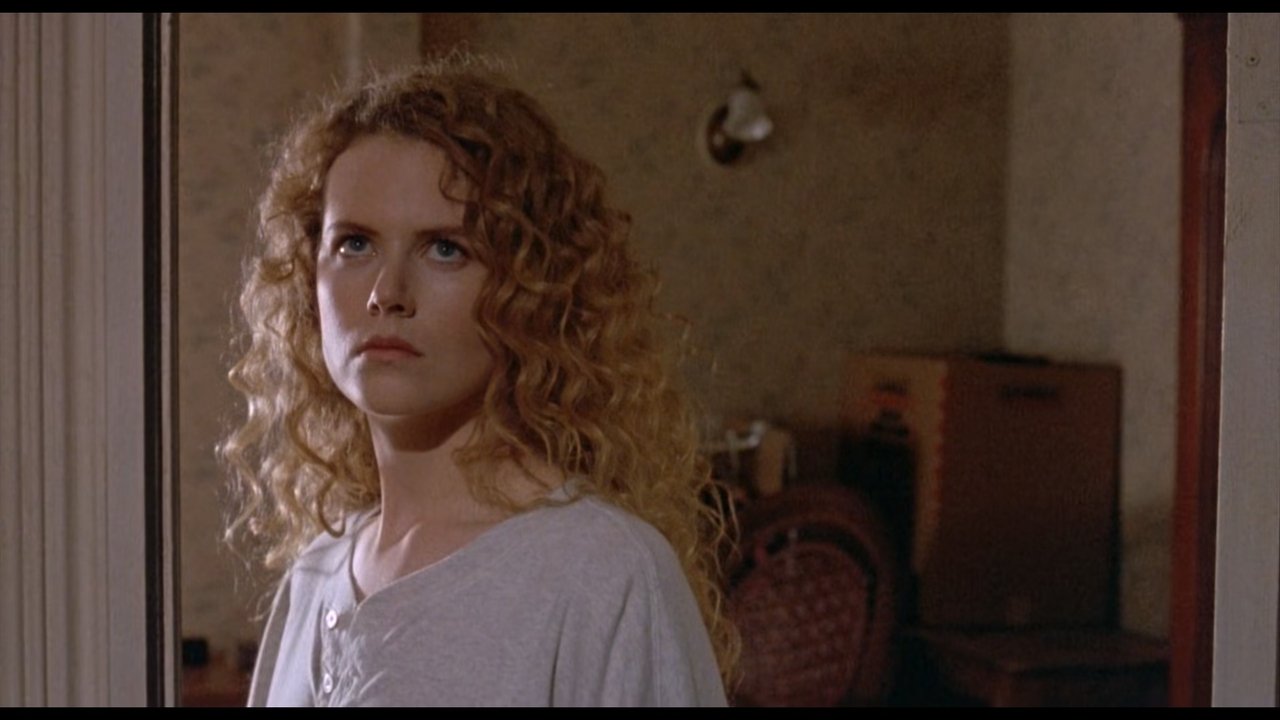
Opposite him, Nicole Kidman, then solidifying her Hollywood standing after films like Dead Calm (1989), delivers a more complex and arguably trickier performance. Tracy is initially presented as the vulnerable victim, but Kidman subtly layers her portrayal with ambiguities that keep you guessing. Is she merely caught in the crossfire, or is there more to her than meets the eye? It’s a performance that requires careful modulation, and Kidman navigates its demands skillfully. Bill Pullman, meanwhile, anchors the film as the relatable everyman, Andy. His journey from trusting husband to a man consumed by doubt and desperation is the emotional core of the film. Pullman excels at portraying decency pushed to its breaking point, making Andy’s plight genuinely affecting amidst the escalating melodrama. We see the events unfold largely through his increasingly frantic eyes.
Twists in the Tape
The plot of Malice is notoriously intricate, folding back on itself multiple times with reveals and reversals. It’s a film that demands your attention, rewarding close viewers while perhaps occasionally straining credulity. Some twists land like a punch to the gut; others feel a tad contrived, products of a screenplay perhaps trying too hard to outsmart its audience. Yet, isn't that part of the fun of these 90s thrillers? The sheer willingness to go for broke, logic sometimes taking a backseat to narrative shock value. It keeps you engaged, constantly re-evaluating what you think you know. I remember pausing the VHS tape back in the day, trying to piece it all together, rewind a few seconds just to catch a glance or a line again.
Interestingly, for a film with such star power and notable writers, Malice wasn't a runaway hit. Made for around $20 million, it pulled in a respectable but not spectacular $46 million at the US box office. It found its groove, like so many films of the era, on home video, becoming a staple of the "Thriller" section, passed between friends with a knowing nod: "You gotta see the twists in this one." Look closely and you'll also spot early appearances from Gwyneth Paltrow and Anne Bancroft in a smaller but pivotal role, adding further pedigree to the proceedings.
The Verdict
Malice is a slick, absorbing, and sometimes slightly preposterous thriller that perfectly embodies a certain type of 90s studio filmmaking. It boasts star power firing on all cylinders, particularly a career-highlight turn from Baldwin, and a screenplay that, while occasionally over-stuffed, delivers sharp dialogue and genuine surprises. Becker's direction keeps things taut and visually polished, contrasting the idyllic setting with the dark human dramas unfolding within it. Does the plot entirely hold up under intense scrutiny? Perhaps not perfectly. But does it offer a compelling ride, fueled by strong performances and a memorable sense of escalating tension? Absolutely. It's a film that reminds you how potent a well-crafted thriller, even a flawed one, could be in the days before everything felt the need to be a franchise-starter. It sits comfortably in that category of glossy, entertaining thrillers you’d happily grab off the shelf for a Friday night viewing.
Rating: 7.5/10
It doesn't quite reach the heights of the genre's absolute classics, occasionally letting its intricate plot mechanics overshadow deeper character work. However, the powerhouse performances, particularly Baldwin's unforgettable arrogance, Sorkin's sharp dialogue, and the sheer twisty entertainment value make this a standout 90s thriller well worth revisiting. It leaves you pondering the corrosive nature of secrets and the terrifying confidence of those who believe they operate above consequence.