The air hangs thick and heavy in Heaven's Prisoners, much like the past clings to its haunted protagonist, Dave Robicheaux. Watching it again now, decades after its 1996 release flickered onto CRT screens from well-worn VHS tapes, that oppressive Louisiana humidity feels almost palpable through the screen. It's a film steeped in atmosphere, a Southern Gothic noir that aims for something deeper, darker, and perhaps more troubled than your average mid-90s thriller. It doesn't always hit the mark, but its ambition and moodiness linger.

Bayou Ghosts and Broken Pasts
Based on the novel by the great James Lee Burke, the film plunges us into the life of Dave Robicheaux (Alec Baldwin), a former New Orleans homicide detective trying to live a quiet life running a bait shop and boat rental with his wife Annie (Kelly Lynch). He's sober, trying to keep the violence and booze that defined his past life at bay. But the bayou has other plans. Witnessing a plane crash offshore, Dave rescues a young Salvadoran girl, the sole survivor. This single act of heroism rips the scab off his carefully constructed peace, dragging him back into a world of drug runners, dangerous local figures like Bubba Rocque (Eric Roberts, perfectly cast in menacing mode), and painful memories brought vividly to life by stripper Robin Gaddis (Mary Stuart Masterson). The plot, co-scripted by talents like Harley Peyton (of Twin Peaks fame) and Scott Frank (who penned Get Shorty the year prior), weaves a complex web of past sins and present dangers. Can Dave protect this child and his family without becoming the man he swore he'd left behind?
Baldwin's Burden
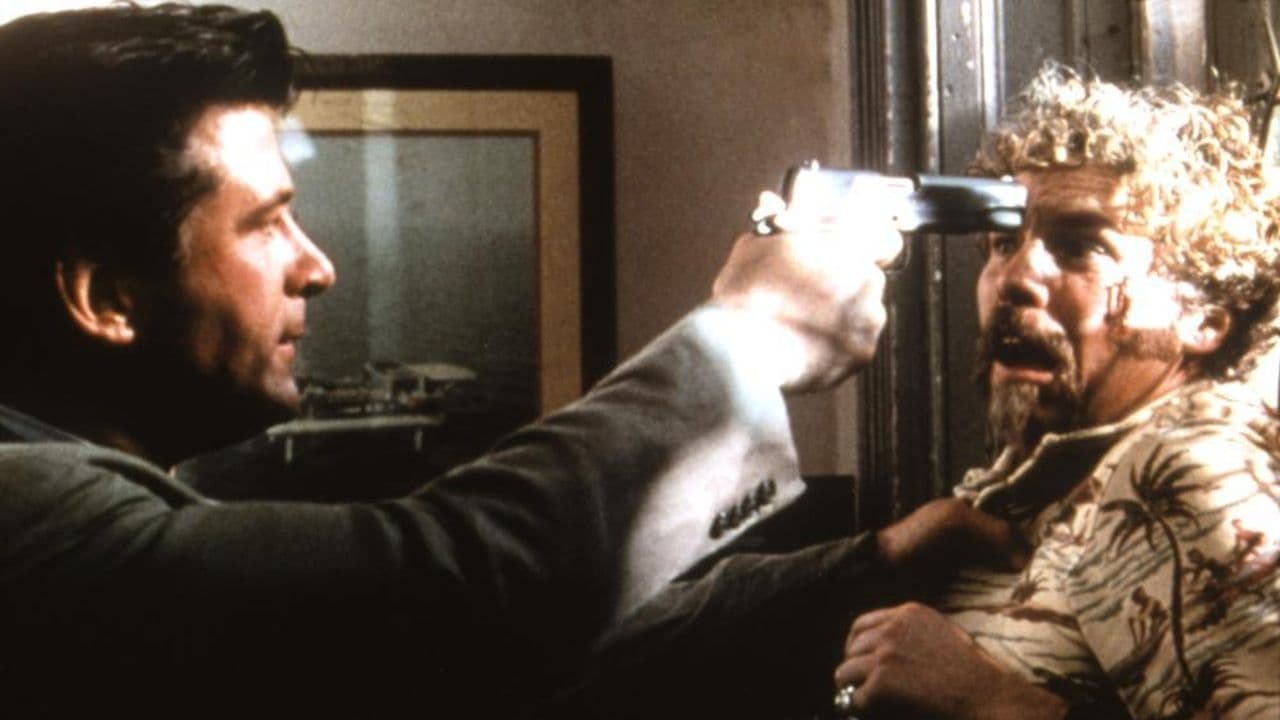
This film was clearly a personal project for Alec Baldwin. He had purchased the rights to Burke's novel himself, envisioning a potential franchise for the complex character of Dave Robicheaux. You can see that investment in his performance. He carries the weight of Dave's history – the alcoholism, the capacity for violence, the weary disillusionment – in his eyes and posture. It's a brooding, internalized performance, far removed from some of his more charismatic roles. He’s trying to suppress an inferno, and Baldwin makes you feel the strain. Does it fully capture the nuances of Burke's literary creation? Perhaps not entirely for die-hard fans of the books, but it's a committed, often compelling portrayal of a man wrestling with his own nature. Burke himself reportedly admired Baldwin's work here, even if he wasn't entirely sold on the film adaptation overall.
A World Drenched in Sweat and Shadow
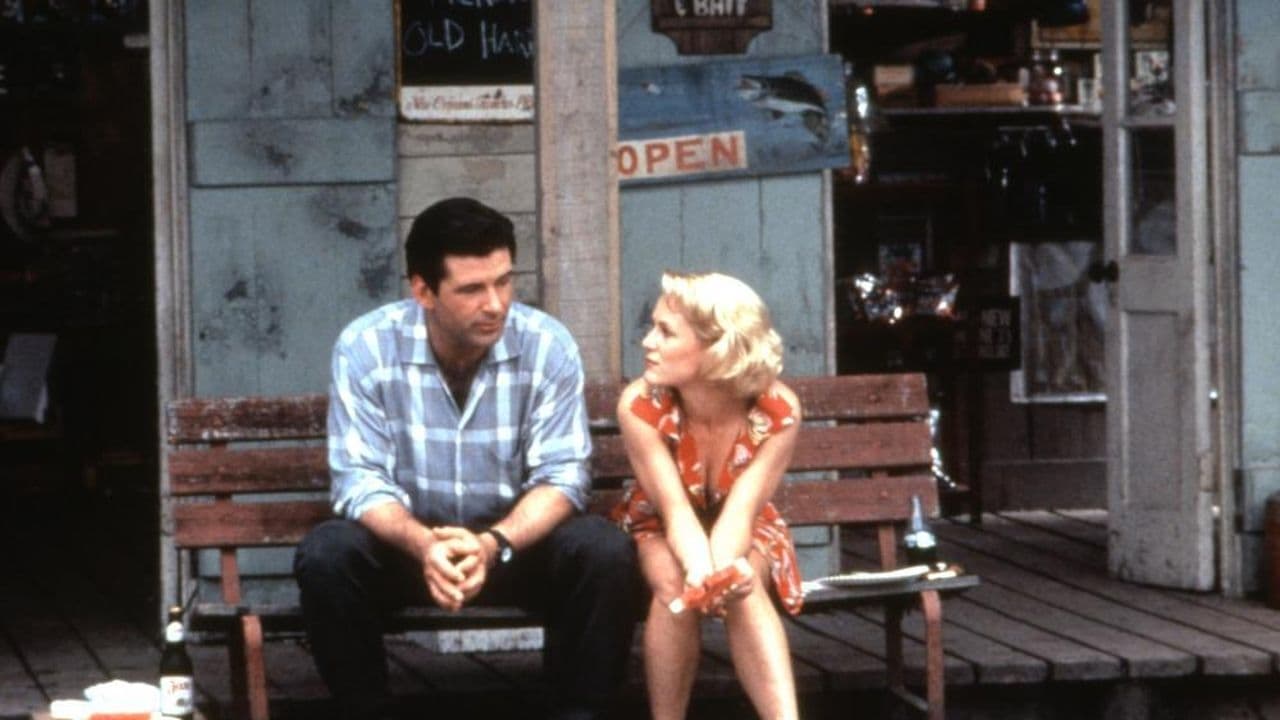
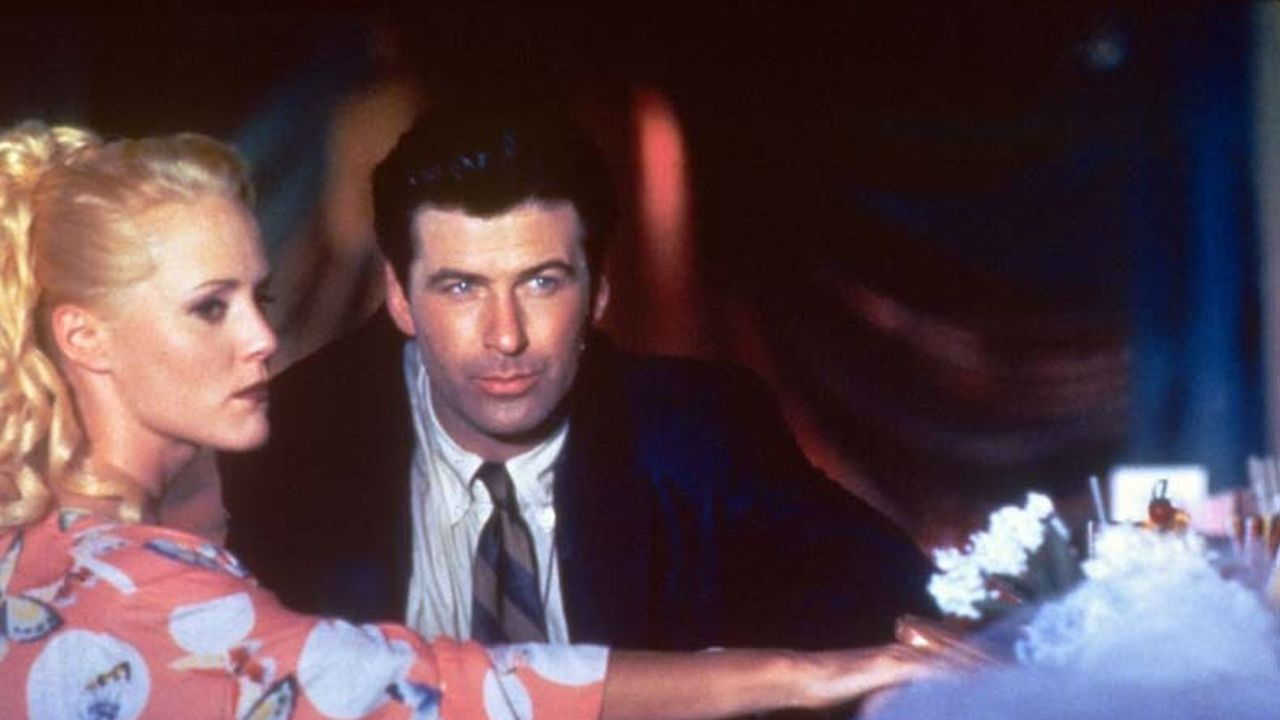
Director Phil Joanou, who previously gave us the stylish crime drama State of Grace (1990), certainly knows how to evoke a sense of place. The Louisiana locations aren't just backdrop; they're practically a character in themselves. The film feels sticky, dangerous, beautiful, and decaying all at once. The cinematography captures both the lushness of the environment and the rot hiding beneath the surface. There’s a deliberate, almost languid pacing at times, allowing the oppressive heat and moral ambiguity to sink in. It’s a far cry from the slick, fast-paced thrillers that often dominated the decade. The supporting cast adds texture, particularly Mary Stuart Masterson, who delivers a raw, vulnerable performance that cuts through the grime. Teri Hatcher, playing Bubba's calculating wife Claudette, also makes an impression in a role that leans into the femme fatale archetype.
Troubled Waters Behind the Scenes
It’s perhaps telling that the film itself seemed to mirror some of the turmoil it depicted. Heaven's Prisoners had a somewhat troubled production history, reportedly marked by friction between star and director, and its release was delayed. That passion project Baldwin envisioned unfortunately didn't quite land with audiences or critics at the time. On a budget of around $25 million (roughly $50 million in today's money), it brought in a mere $5 million domestically, effectively scuttling hopes for a Robicheaux film series led by Baldwin. It wouldn't be until 2009's In the Electric Mist that the character returned to the screen, this time played by Tommy Lee Jones. Looking back, you can sense the film straining against its own complexities – part character study, part noir thriller, part action piece. It doesn’t always mesh seamlessly, and the intricate plot can occasionally feel dense.
Does it Hold Up?
So, pulling this tape off the metaphorical shelf at "VHS Heaven," how does Heaven's Prisoners fare today? Surprisingly well, in many respects. Its commitment to atmosphere and character depth feels refreshing compared to more formulaic thrillers. The performances, especially Baldwin's intense turn and Masterson's fragility, still resonate. It captures that specific mid-90s feeling – a time when studios were still occasionally greenlighting darker, more adult-oriented mainstream thrillers based on literary sources. It’s flawed, certainly. The pacing might test some viewers, and the narrative threads don’t always tie together perfectly. But there’s an undeniable power to its brooding mood and its exploration of inescapable pasts. It makes you think about the choices we make and the ghosts we carry. Isn't that what a good noir should do?
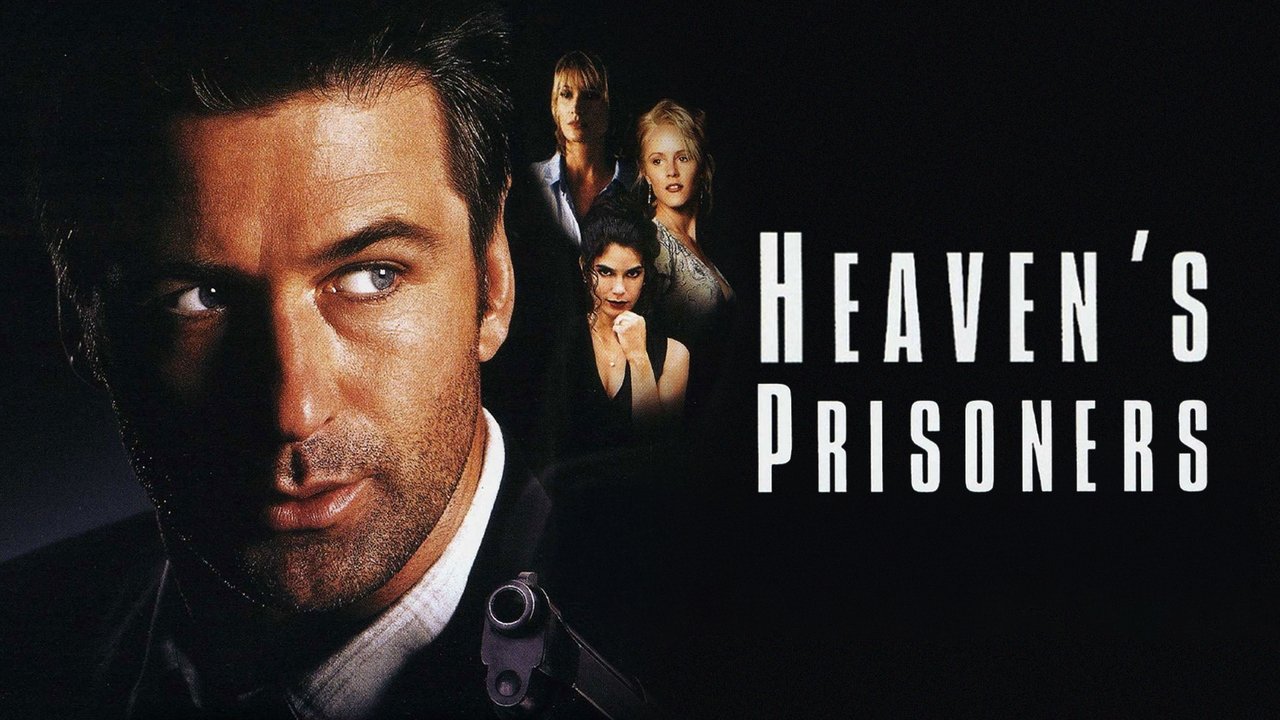
Rating: 7/10
Justification: While hampered by some narrative unevenness and pacing issues that likely contributed to its commercial failure, Heaven's Prisoners earns points for its potent atmosphere, committed lead performance from Alec Baldwin, standout work from Mary Stuart Masterson, and its serious attempt to bring the complex world of James Lee Burke to life. It’s a film that feels richer and more textured than many of its contemporaries, capturing a specific kind of moody, adult 90s thriller that rarely gets made today. Its flaws are visible, but its strengths – particularly its palpable sense of place and brooding tone – leave a lasting impression.