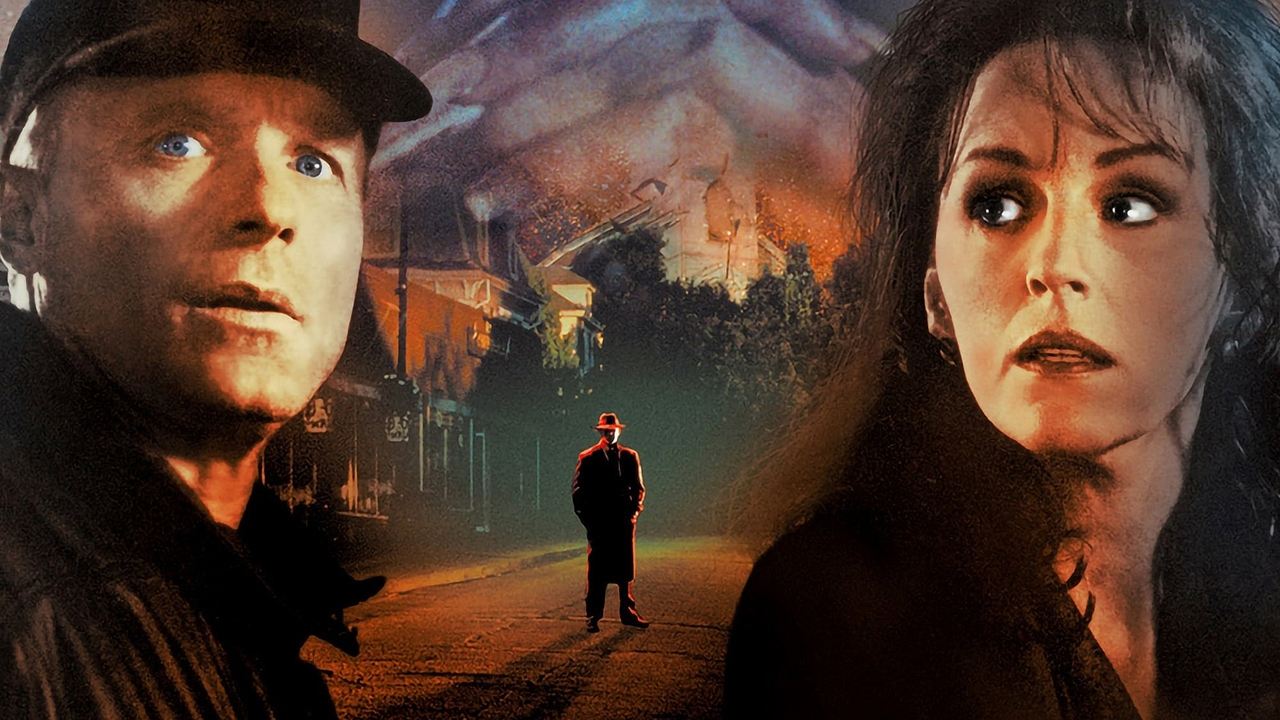
"I have what you want... and I know what you need." The whisper hangs in the air, not just a line from a film, but the very essence of temptation itself, bottled and sold in Castle Rock, Maine. When Leland Gaunt’s antique shop, ‘Needful Things’, opens its doors in 1993, it doesn’t arrive with fanfare, but with the quiet insidiousness of rot settling into wood. It’s the kind of darkness that doesn’t announce itself with thunder, but creeps in through the cracks of ordinary life, exploiting the petty jealousies and buried desires that fester beneath the surface of any small town.
### The Shopkeeper from Hell
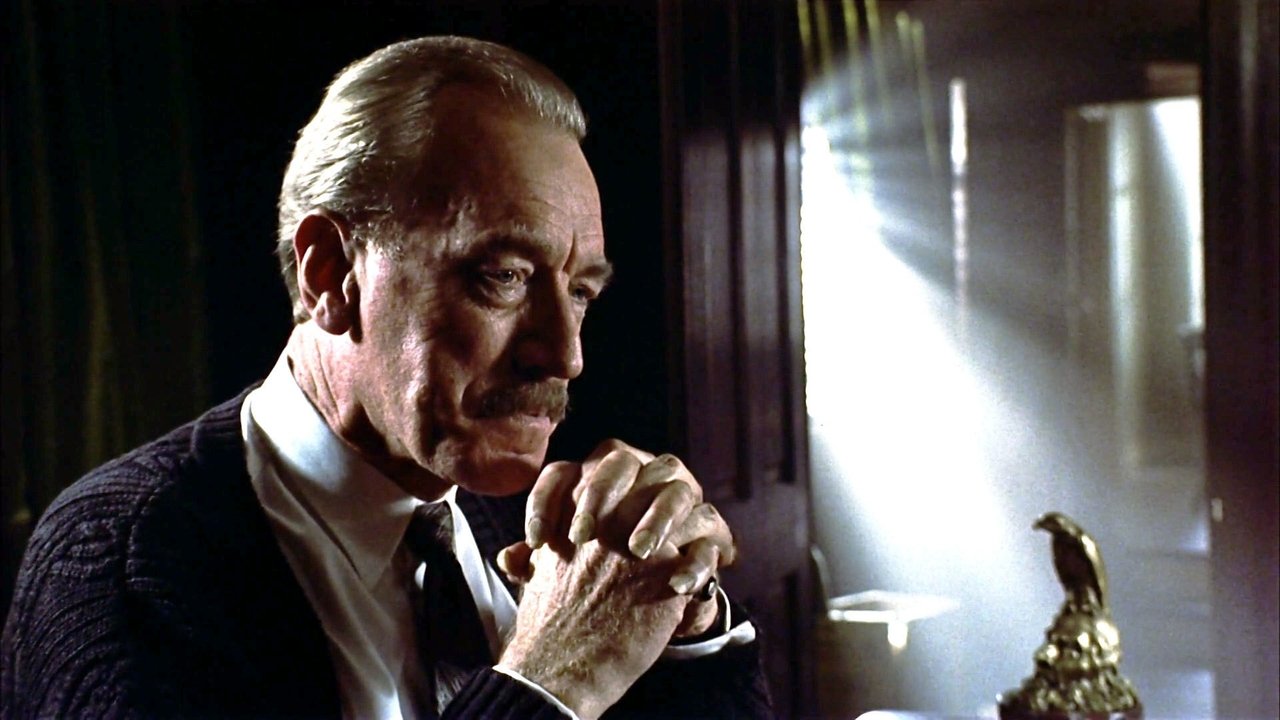
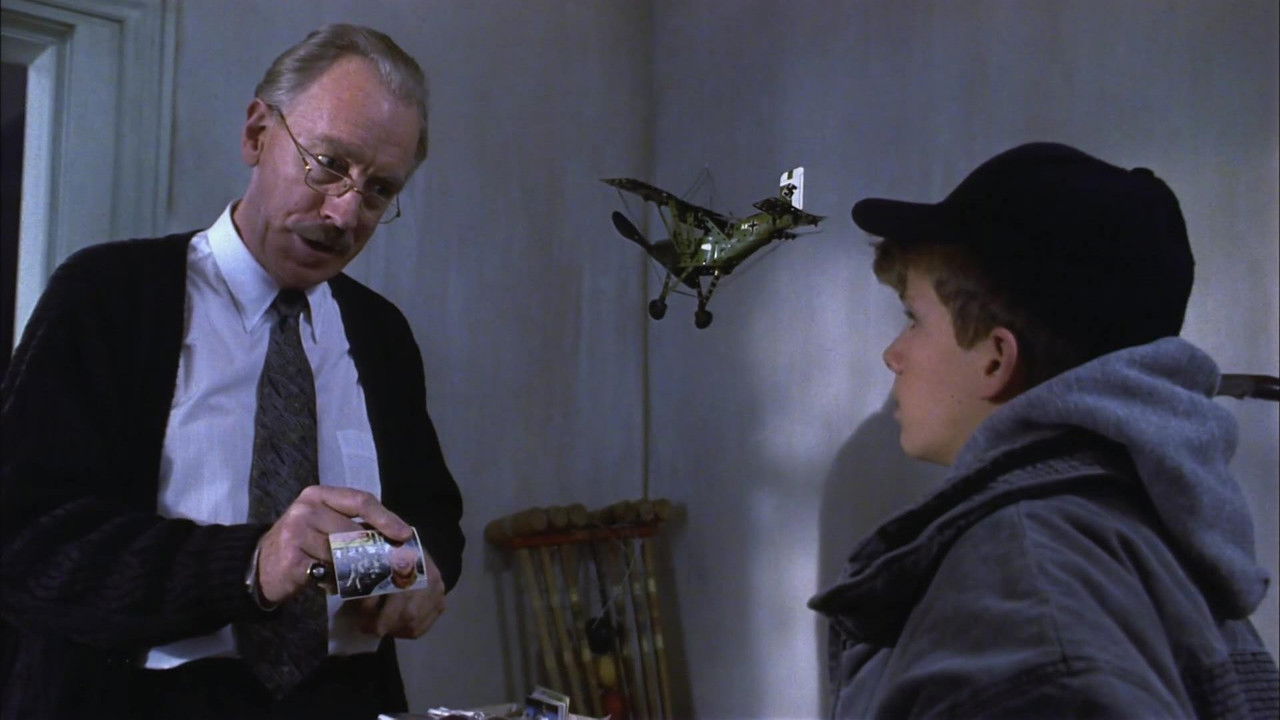
At the heart of the film’s chilling effectiveness is Max von Sydow’s portrayal of Leland Gaunt. Forget flamboyant demons; von Sydow, already legendary for roles like Father Merrin in The Exorcist (1973), crafts Gaunt as a figure of almost grandfatherly charm, his eyes twinkling with ancient malice. He’s the ultimate predator disguised as a kindly proprietor, his politeness a razor-thin veneer over pure, manipulative evil. He doesn't need to raise his voice; his power lies in observation, in knowing exactly which treasured object—a rare baseball card, a carnival glass lampshade, a necklace rumored to ease pain—will hook his next victim. Rumor has it von Sydow relished playing such an unapologetically dark character, finding a subtle theatricality in Gaunt's quiet manipulations that resonated deeply on set. His performance anchors the film, lending it a gravity that elevates it beyond a simple horror premise.
### Castle Rock Unravels
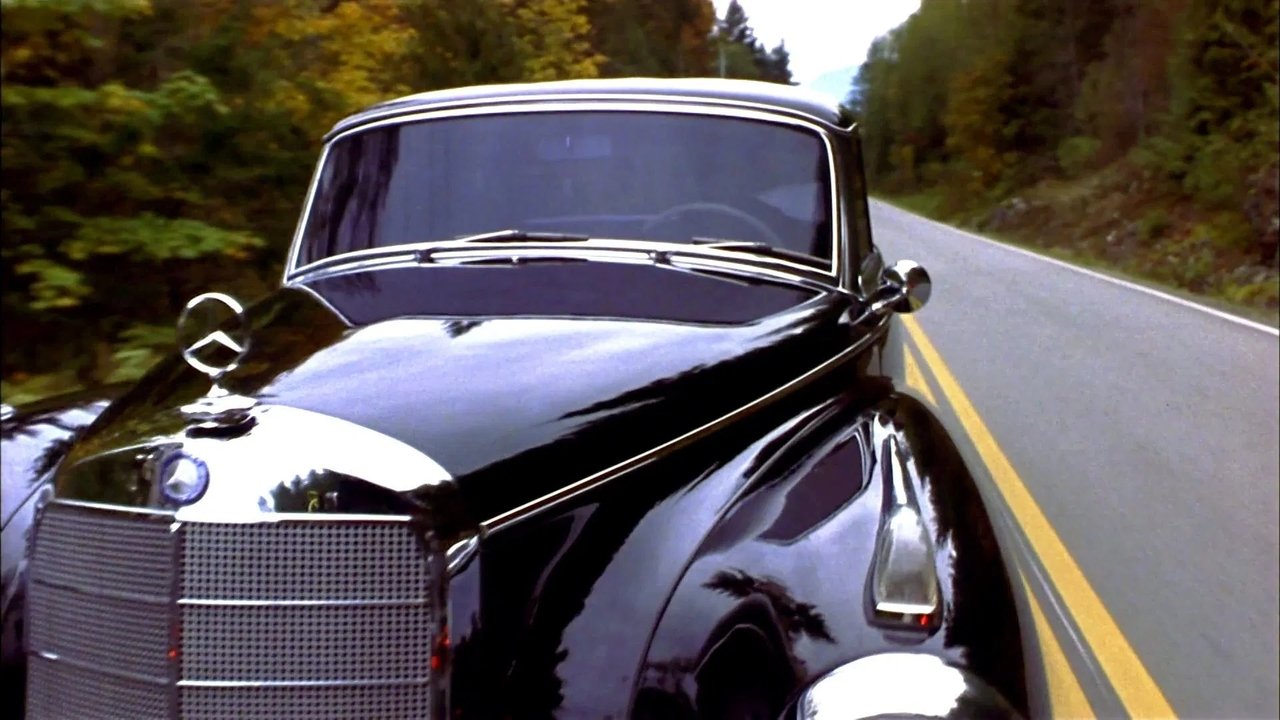
The genius of Stephen King's source material, and something writer W. D. Richter (The Adventures of Buckaroo Banzai Across the 8th Dimension) tries valiantly to capture, is how Gaunt uses seemingly minor "favors" or "pranks" as payment. These aren't grand acts of evil initially, but small, targeted actions designed to pour salt in old wounds. A hurled mud pie, a scattering of turkey droppings, sliced tires – childish acts weaponized to ignite simmering resentments between neighbors. Soon, Castle Rock, depicted with an almost Rockwellian initial charm (thanks to location shooting in Gibsons, British Columbia), descends into paranoia and violence. We watch trusted figures turn on each other, their moral compasses skewed by the allure of Gaunt’s wares and the insidious whispers he plants in their minds.
Leading the charge against this encroaching chaos is Sheriff Alan Pangborn, played with weary integrity by Ed Harris. Harris, often known for more intense roles, brings a grounded frustration to Pangborn, a man trying to police not just crime, but the unraveling sanity of his entire town. His relationship with Polly Chalmers (Bonnie Bedelia, fondly remembered from Die Hard), who runs the local diner and suffers crippling arthritis, forms the film's emotional core. Their struggle against Gaunt, both external and internal as they too face temptation, provides a necessary human counterpoint to the escalating supernatural mayhem.
### Condensing a Tome
Adapting King’s dense, 700+ page novel was always going to be a Herculean task for director Fraser C. Heston (son of screen legend Charlton Heston). The film inevitably feels compressed, losing some of the novel's intricate character webs and subplots. Devoted King fans might recall the significantly longer, three-hour television cut that aired later, restoring much of the excised material and offering a deeper dive into the townsfolk's individual descents. While the theatrical cut streamlines the narrative, focusing primarily on the Pangborn/Polly/Gaunt triangle and the escalating feud between Nettie Cobb and Wilma Jerzyck, it sometimes sacrifices the slow-burn build-up that made the novel so insidious. The film cost around $15 million, a respectable budget for the time, but still required careful management to deliver the explosive finale where the town literally tears itself apart – a sequence achieved through a combination of practical effects and controlled pyrotechnics that still feels satisfyingly chaotic today.
### The Atmosphere of Need
Despite the narrative condensation, Needful Things succeeds in cultivating a potent atmosphere. The 'Needful Things' shop itself is a masterpiece of production design – cluttered, dimly lit, filled with objects that seem both alluring and vaguely threatening. You can almost smell the dust and decay, the scent of forgotten histories clinging to every artifact. The score subtly underscores the rising tension, shifting from quaint small-town melodies to discordant themes as Gaunt’s influence spreads. Heston directs with a steady hand, letting the performances, particularly von Sydow's, carry the weight of the dread. Even if some of the practical effects in the climax feel a touch dated now, they possess that tactile quality so characteristic of the era – a physical reality that CGI often struggles to replicate. Remember seeing those explosions rip through familiar storefronts on your flickering CRT? There was a weight to it, a destructive finality.
### Legacy of Greed
Needful Things wasn't a box office smash upon release (grossing just over $15 million domestically) and received mixed reviews, often criticized for simplifying its source. Yet, watching it today on a worn VHS tape (or perhaps a pristine Blu-ray, if you've upgraded), it holds a particular charm and a chilling relevance. It’s a potent cautionary tale about the dangers of unchecked desire and the ease with which communities can fracture when suspicion replaces trust. It may not be the most celebrated King adaptation, lacking the iconic status of The Shining (1980) or the raw terror of Pet Sematary (1989), but it occupies a distinct space – a dark fable powered by a truly unforgettable villain.

Rating: 7/10
Justification: While the pacing suffers slightly from condensing the novel and some character arcs feel rushed, Needful Things delivers compelling atmosphere, features a career-highlight performance from Max von Sydow that is worth the price of admission alone, and captures the core King theme of small-town darkness effectively. The practical effects and explosive climax provide a satisfying, if slightly chaotic, payoff. It overcomes its flaws through sheer commitment to its dark premise and von Sydow's chilling presence.
Final Thought: More than just a horror flick, Needful Things is a morality play wrapped in supernatural dread, a reminder from the VHS vaults that the most dangerous demons often wear the most welcoming smiles and offer us exactly what we think we want. Did you ever wonder what your needful thing would be?