Alright, settle in, grab your rewind knob (metaphorically speaking, unless you’ve still got the VCR hooked up!), because we’re diving into a slice of early 90s revisionist cool that absolutely popped on the rental store shelf: Mario Van Peebles' ambitious 1993 Western, Posse. This wasn't just another oater; it arrived with swagger, style, and a story itching to be told, all wrapped up in a package that felt both instantly familiar and radically different for its time.
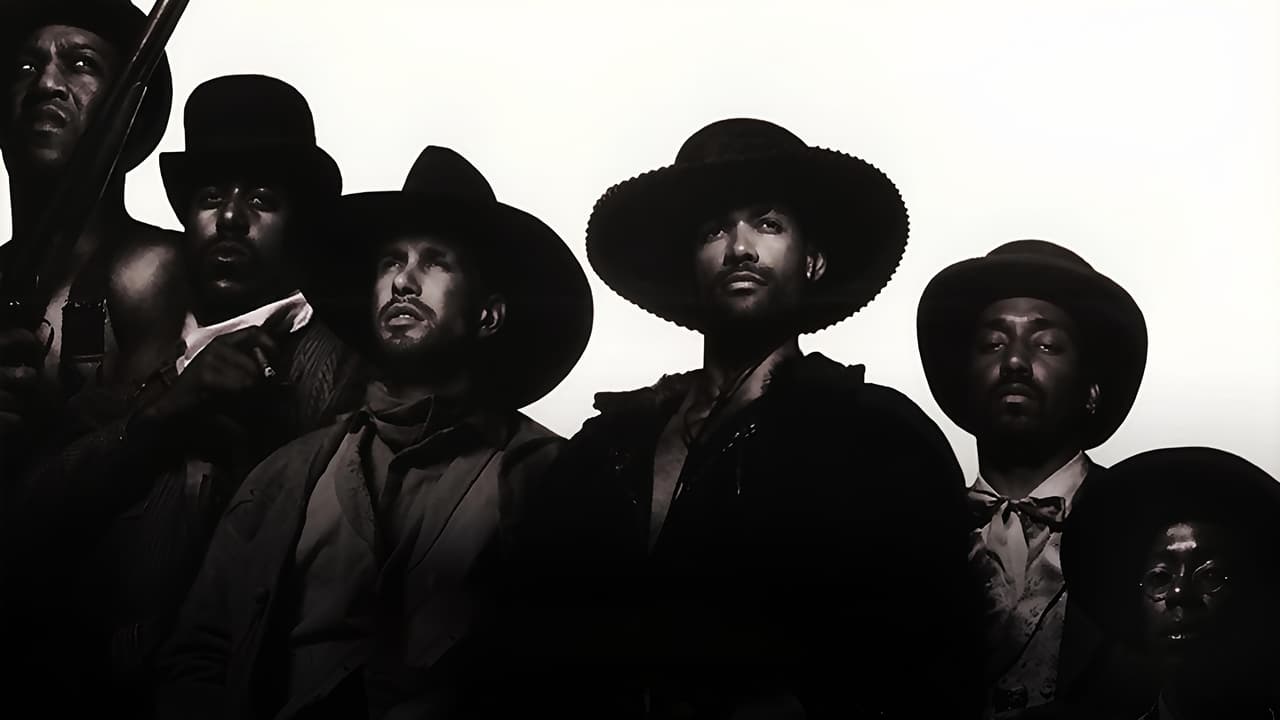
Remember sliding this tape into the machine? Maybe late at night, the picture humming with that specific CRT warmth? Posse immediately announces itself as something else. Forget the sun-baked stoicism of John Wayne for a minute; this film kicks off with flash, framing its narrative as the untold story of African American contributions to the Wild West, narrated by an elderly Jessie Lee (Woody Strode in one of his final, poignant roles). It’s a bold statement right out of the gate, promising history lesson blended with high-octane action.
### Style and Substance Ride Together
Mario Van Peebles, pulling double duty as director and star (playing the coolly vengeful Jessie Lee), clearly wasn't aiming for subtle. Fresh off the success of New Jack City (1991), he brought a distinct, modern energy to the Western genre. Think slow-motion gunfights, dramatic zooms, and a cast dripping with charisma. Jessie Lee leads a group of predominantly Black soldiers back from the Spanish-American War in Cuba, betrayed by the maniacal Colonel Graham (Billy Zane, chewing scenery with glorious abandon). They desert, carrying stolen gold and a burning need for justice, heading west to Jessie’s ravaged hometown of Freemanville.
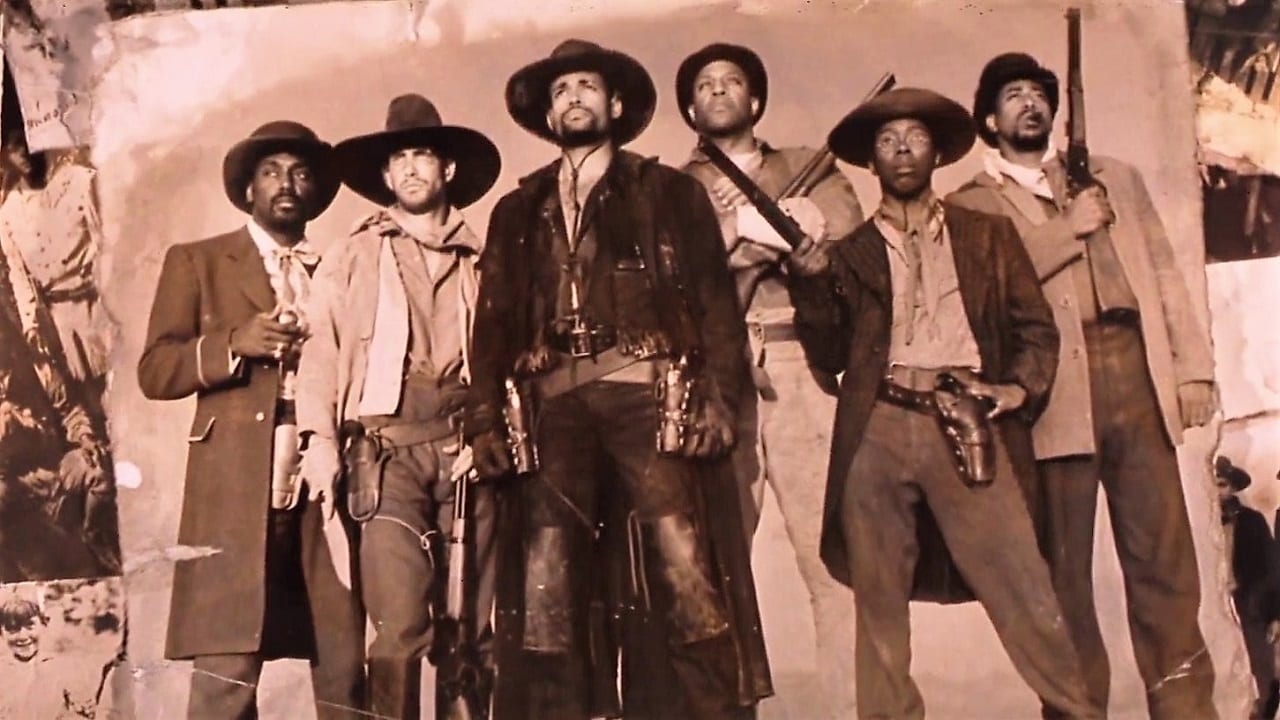
The "posse" itself is a memorable ensemble. We’ve got the hot-headed Little J (Stephen Baldwin, hitting that specific frequency of volatile energy he owned in the 90s), the smooth gambler Father Time (Big Daddy Kane, yes, that Big Daddy Kane, looking effortlessly cool), the powerhouse Obobo (Tiny Lister Jr., bringing his intimidating presence), and the sharp-shooting Weezie (Charles Lane). The chemistry between them feels authentically frayed and bonded by shared danger. It wasn’t just the main cast; the film is famously packed with cameos from music and film icons – keep an eye out for Tone Lōc, Isaac Hayes, Pam Grier, and even Mario’s own legendary father, Melvin Van Peebles. Locating the film shoot in the familiar dusty landscapes of Old Tucson Studios in Arizona certainly helped sell the classic Western vibe, even while the style felt brand new.
### Gunsmoke and Squibs: That 90s Action Feel
Let's talk about that action. Posse doesn't skimp on the shootouts, and they have that wonderfully tangible, pre-CG feel we crave here at VHS Heaven. Remember how real those bullet hits looked back then? That satisfying PANG of a squib exploding under a shirt, the way stunt performers actually threw themselves through windows or off rooftops – there's a weight and impact here that often gets smoothed out by digital effects today. Mario Van Peebles clearly loves the iconography of the Western gunfight, often framing his actors in heroic poses, guns blazing. Is it always realistic? Maybe not. But did it look incredibly cool projected onto a slightly fuzzy screen? Absolutely.
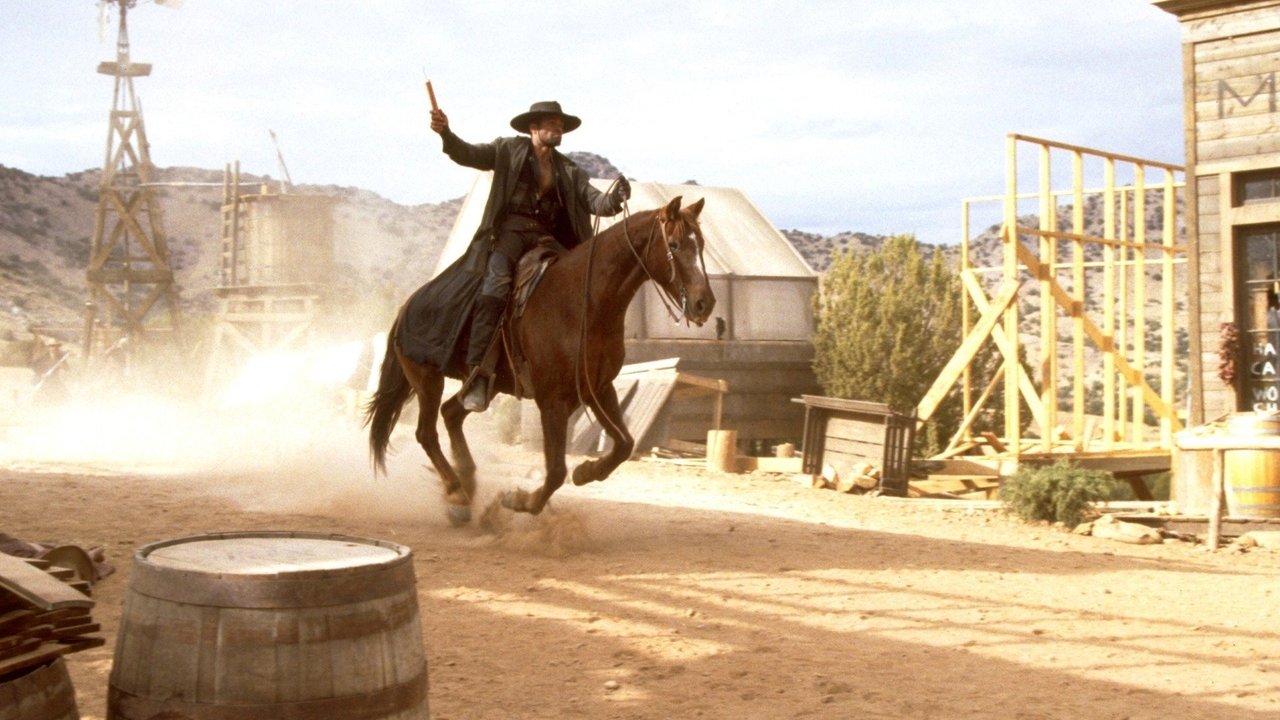
The practical effects, the dust kicked up by real horses, the tangible feel of the period costumes and sets – it all contributes to an immersive experience, even when the editing leans into that fast-cut, music-video aesthetic that was becoming popular. The film reportedly cost around $10 million, a respectable sum back then, and you can see it on screen in the scale of some sequences, particularly the opening Cuban battle and the climactic defense of Freemanville. It managed to pull in over $18 million at the box office, marking it as a modest success, though perhaps not the blockbuster some might have hoped for given its star power and unique angle.
### More Than Just Bullets
Beyond the action, Posse carries a genuine, if sometimes unsubtle, message. Van Peebles, along with writers Sy Richardson and Dario Scardapane, consciously set out to reclaim a narrative, highlighting the significant presence of Black cowboys, settlers, and soldiers often erased from traditional Hollywood Westerns. The film dedicates itself to "The Black Cowboys" in its closing text, driving the point home. While contemporary critics were sometimes divided, often praising the ambition and style while pointing out narrative inconsistencies or uneven pacing, audiences often connected with its energy and its corrective stance. It felt important, even amidst the slow-mo gunplay and Billy Zane’s theatrical villainy.
The soundtrack also deserves a mention – blending traditional Western orchestral cues with early 90s hip-hop and R&B elements was a bold choice that further set Posse apart. It might sound a little dated now, but at the time, it underscored the film's attempt to bridge historical narrative with contemporary Black culture.
### The Verdict
Posse isn't a perfect film. Its pacing can wobble, and its blend of serious historical commentary with flashy action tropes doesn't always mesh seamlessly. But watching it again now, it feels like a vital piece of 90s cinema – ambitious, stylish, and packing a real punch. Mario Van Peebles delivered a film that looks fantastic, filled with memorable characters and genuinely exciting practical action sequences. It dared to inject a different perspective into a well-worn genre, and did so with undeniable flair.
Rating: 7/10
Justification: Posse earns a solid 7 for its undeniable style, ambitious historical revisionism, charismatic cast, and commitment to visceral, practical action. It's held back slightly by some narrative unevenness and occasionally over-the-top moments, but its cultural significance and sheer 90s cool factor make it a compelling watch.
Final Thought: Posse is pure early 90s cinematic swagger poured into dusty cowboy boots – a reminder of when action felt gritty, history lessons came with gunfights, and finding something this different on the New Releases shelf felt like striking gold. Still rides tall.