There's a certain weight to history, isn't there? A pull that draws us back to tales of figures larger than life, etched into the American landscape like scars. Watching Walter Hill’s The Long Riders again after all these years, what strikes me isn't just the dust and the gunfire, but the audacious, almost poetic conceit at its heart: casting real-life acting brothers to play the legendary outlaw brothers of the James-Younger gang. It’s a decision that moves beyond mere gimmickry, grounding the film in a kind of lived-in authenticity that feels remarkably potent, even decades later.
More Than Just a Gimmick
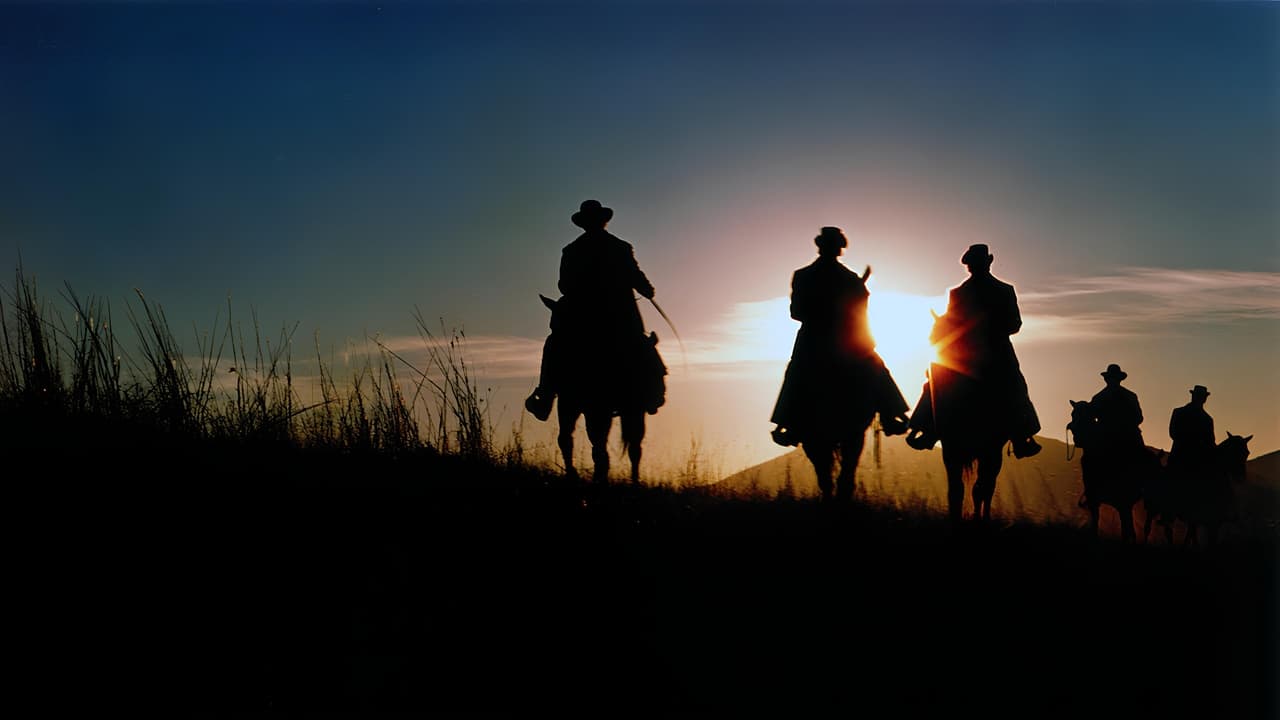
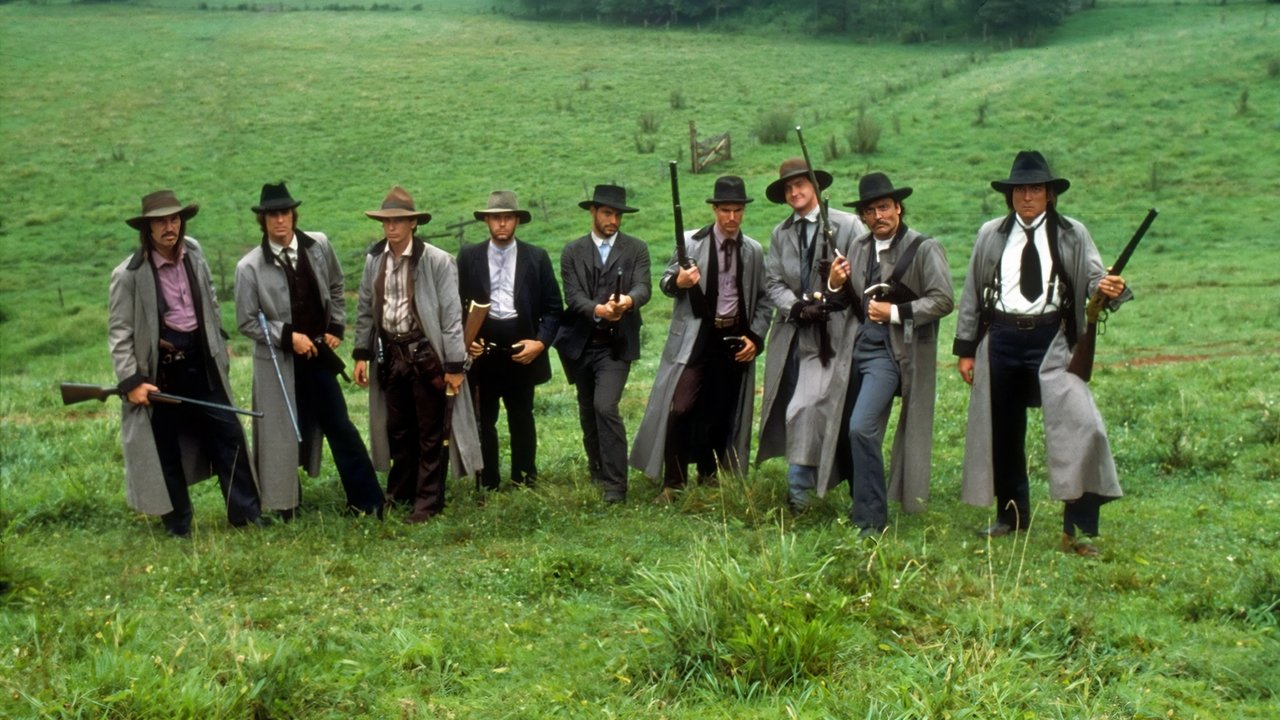
Let's face it, the casting is the immediate hook. The Carradines (David, Keith, Robert) as the Youngers, the Keaches (Stacy, James) as Frank and Jesse James, the Quaids (Dennis, Randy) as the Millers, and the Guests (Christopher, Nicholas) as the Fords. It’s a casting director’s dream, or perhaps nightmare, depending on how you look at it. The idea, championed by James Keach himself who co-wrote and co-produced, took years to bring to fruition. You can almost feel the shared history, the easy camaraderie, and perhaps the unspoken rivalries simmering just beneath the surface in their interactions. When Cole Younger (David Carradine) shares a glance with Jim Younger (Keith Carradine), there’s an implicit understanding that actors merely pretending to be brothers might struggle to replicate. It lends a unique layer to this revisionist Western, suggesting bonds forged not just by circumstance, but by blood.
Hill's Lean, Mean West
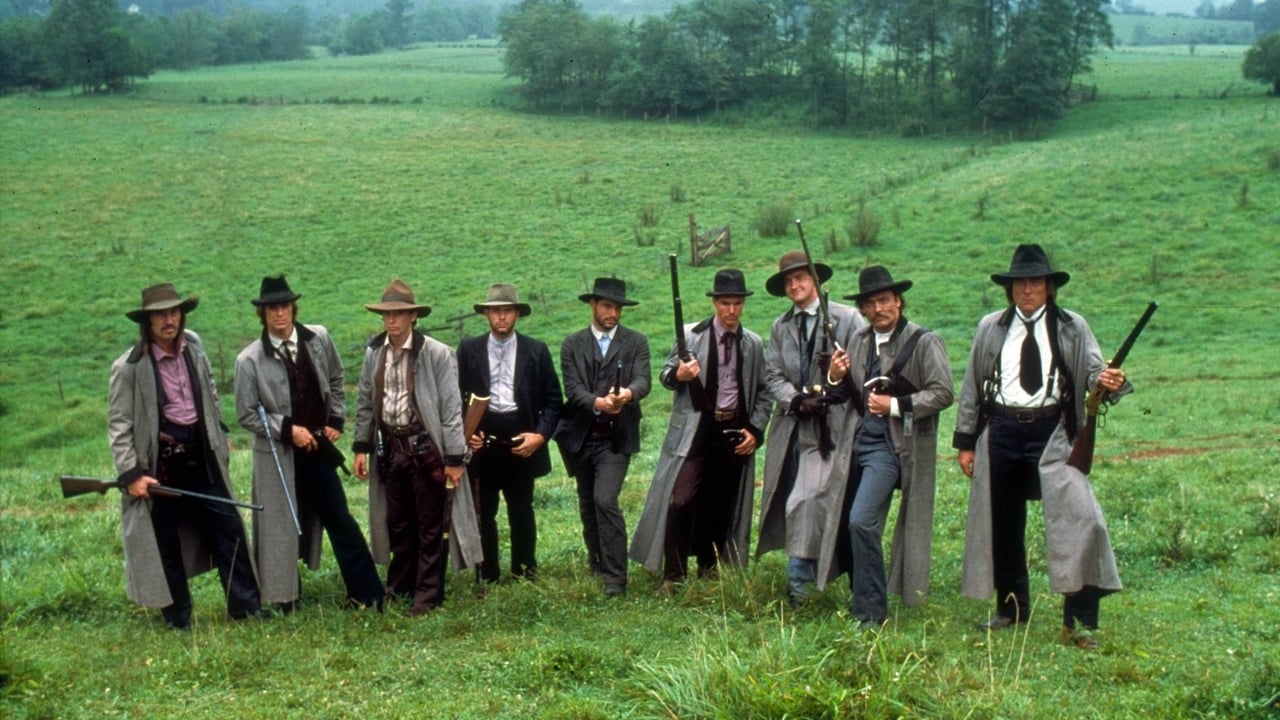
Walter Hill, already known for his tightly wound, stylish action in films like The Warriors, brings his signature aesthetic to the post-Civil War Missouri setting. This isn't the gleaming, heroic West of John Ford. It's muddy, violent, and morally ambiguous. Hill’s direction is economical; scenes rarely linger longer than necessary, dialogue is often sparse, letting actions and expressions carry the weight. There's a palpable atmosphere here – the smoky saloons, the tension before a bank robbery, the weariness etched on the faces of men living outside the law. It feels less like a romanticized legend and more like a glimpse into a harsher reality, beautifully captured by Ric Waite's cinematography.
Echoes of Peckinpah, Soundtracked by Cooder
You can’t discuss The Long Riders without mentioning the violence, particularly the infamous Northfield, Minnesota raid sequence. Hill employs slow-motion, a technique often associated with Sam Peckinpah, to depict the brutal ballet of bullets and bodies. It’s stylized, certainly, but it doesn't feel gratuitous. Instead, it emphasizes the chaos, the terror, and the sudden finality of death in a way that fast cutting might obscure. I remember seeing this on VHS, the impact of those slow-motion shots feeling incredibly visceral even on a fuzzy CRT screen. The stunt work, particularly involving the horses during these intense sequences, was reportedly complex and dangerous, a testament to the commitment to practical effects that defined the era. Complementing the visuals and the action is Ry Cooder’s brilliant score. It's not your typical soaring Western theme; it's rootsy, melancholic, infused with period-appropriate folk and blues influences that perfectly underscore the film's elegiac tone. It feels less like a soundtrack and more like the authentic pulse of the time and place.

Beneath the Surface
While the action and the unique casting are front and center, The Long Riders offers more subtle rewards. It explores themes of loyalty – both the fierce devotion within the gang and the devastating consequences of betrayal (personified chillingly by the Ford brothers). It touches on the changing nature of the West, the encroaching civilization that makes the outlaws' way of life increasingly untenable. It doesn't necessarily offer easy answers or deep character studies beyond the core relationships; the women, for instance, notably Belle Starr played with earthy charisma by Pamela Reed, are somewhat sidelined. But it raises questions about myth-making and the desperate allure of freedom, however fleeting. It’s interesting to note that despite its innovative casting and critical appreciation for its style, the film, made on a respectable $10 million budget, wasn't a massive box office smash, earning around $15.7 million. Perhaps its gritty realism and lack of clear heroes made it a tougher sell for mainstream audiences back in 1980, but it certainly found its audience on home video – I know my local rental store always seemed to have its distinctive cover art prominently displayed.
Final Thoughts
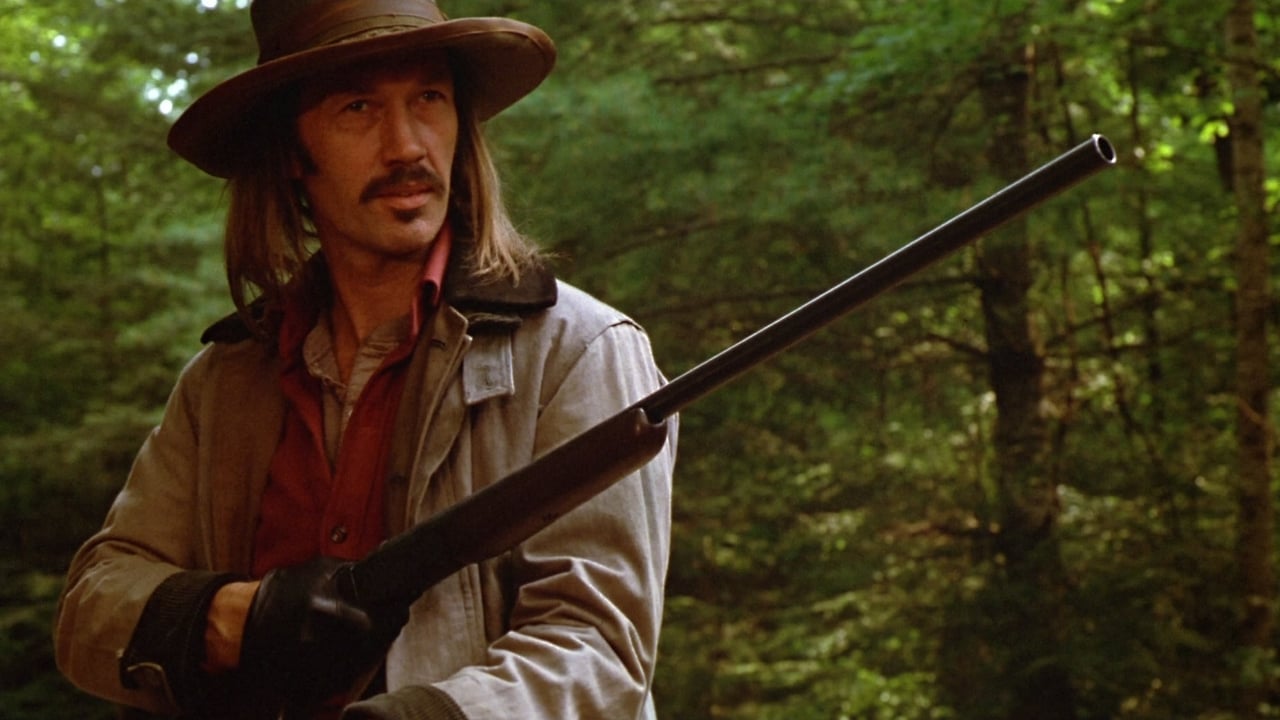
The Long Riders remains a fascinating piece of filmmaking. It’s a tough, atmospheric, and exceptionally well-cast Western that uses its central gimmick to achieve genuine dramatic resonance. The performances feel authentic, grounded by the real-life connections between the actors. Walter Hill directs with lean precision, delivering impactful action sequences and a palpable sense of time and place, all elevated by Ry Cooder's evocative score. While perhaps not as emotionally deep as some other entries in the genre, its unique approach and stylistic confidence make it a standout entry from the era. Does the brother-casting ultimately elevate the narrative, or is it just a brilliant hook? I lean towards the former; it adds an intangible layer that lingers long after the credits roll.
Rating: 8/10
The film earns this rating for its bold casting experiment that pays off remarkably well, Walter Hill's masterful direction and atmosphere, Ry Cooder's perfect score, and its influential place within the revisionist Western genre. It might lack deeper character complexity in spots, but its unique strengths and visceral impact make it a must-watch for fans of the era. It's more than just a footnote in Western history; it's a film that shot its way into the genre's heart with style and a surprising amount of substance.