The silence of the Yukon snow isn't peaceful. It's predatory. It swallows sound, muffles screams, and hides the approach of death until it's right upon you. Watching Death Hunt (1981) feels like being plunged into that unforgiving cold, a throwback to an era when action thrillers felt genuinely dangerous, grounded in mud, snow, and desperation rather than digital trickery. This isn't just a chase film; it's a primal struggle etched against a landscape as harsh and unforgiving as the men who inhabit it.
Men of Granite Against a Frozen Hell
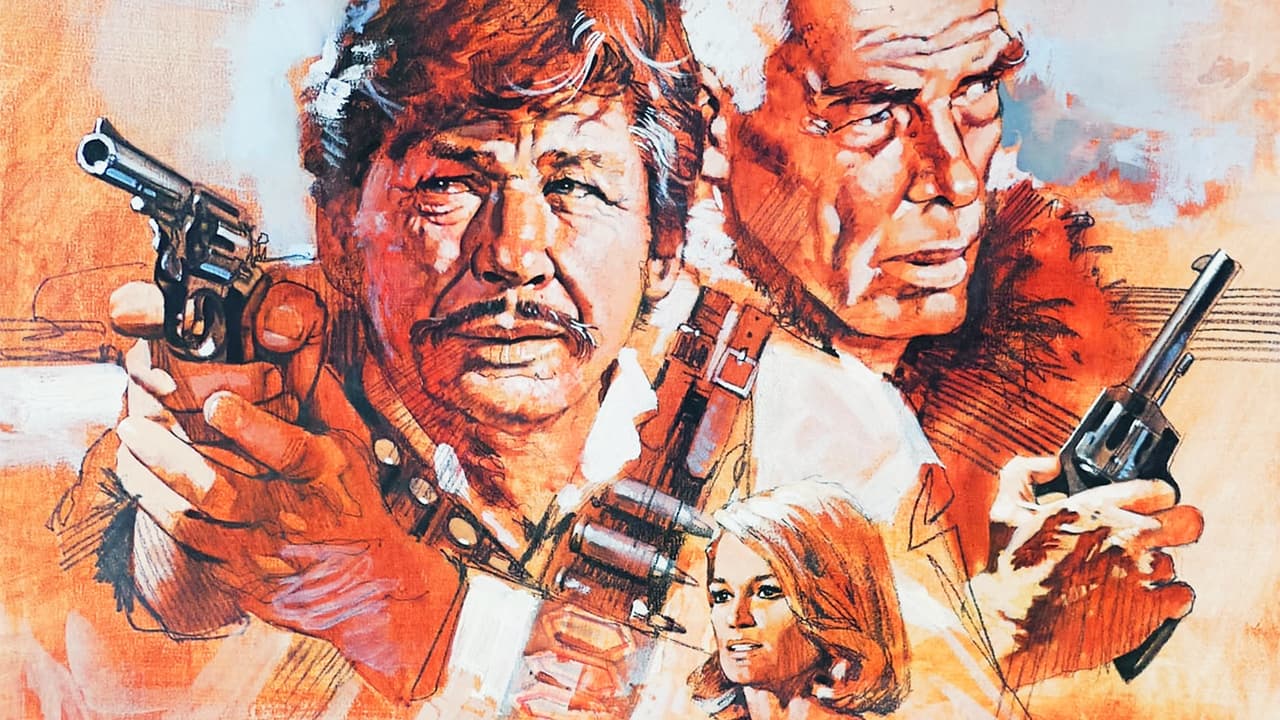
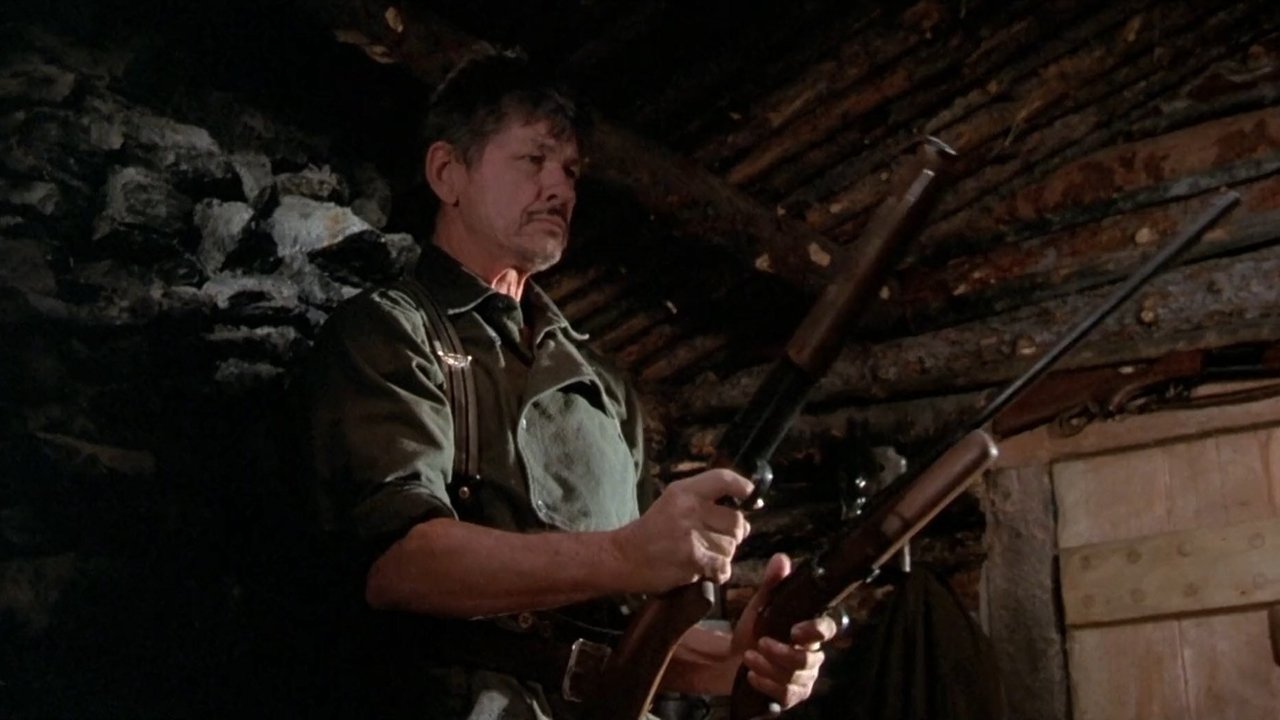
At its heart, Death Hunt delivers a clash of titans we’d waited years to see: Charles Bronson vs. Lee Marvin. Forget graceful choreography; this is about sheer, stubborn will. Bronson plays Albert Johnson, a solitary trapper accused (perhaps falsely) of murder, embodying the silent, implacable force he perfected throughout the 70s. He barely speaks, letting his weathered face and wary eyes convey a history of hardship and a refusal to be broken. It's peak Bronson – you believe this man could survive anything. Facing him is Marvin as RCMP Sergeant Edgar Millen, a man weary of the frontier's casual brutality but bound by duty. Marvin, who starred opposite Bronson decades earlier in The Dirty Dozen (1967), brings a complex fatigue to the role. He doesn’t necessarily want to hunt Johnson, but the escalating violence and the baying mob leave him little choice. Their dynamic crackles with unspoken history and mutual, grudging respect – two aging wolves circling each other in the snow.
The film leans heavily on the legend of the "Mad Trapper of Rat River," a real-life manhunt in the Northwest Territories during the winter of 1931-32 for a mysterious figure named Albert Johnson. Screenwriters Michael Grais and Mark Victor (who would later pen Poltergeist) took liberties, of course, crafting a narrative that questions the nature of justice and mob mentality on the fringes of civilization. It’s a story where the "hero" is an outcast defending his isolated life, and the lawman pursuing him seems increasingly disillusioned by the bloodlust of the posse he leads, which includes a young, eager Andrew Stevens and a scene-stealing, if brief, appearance by Carl Weathers.
Grit, Gunpowder, and Frostbite
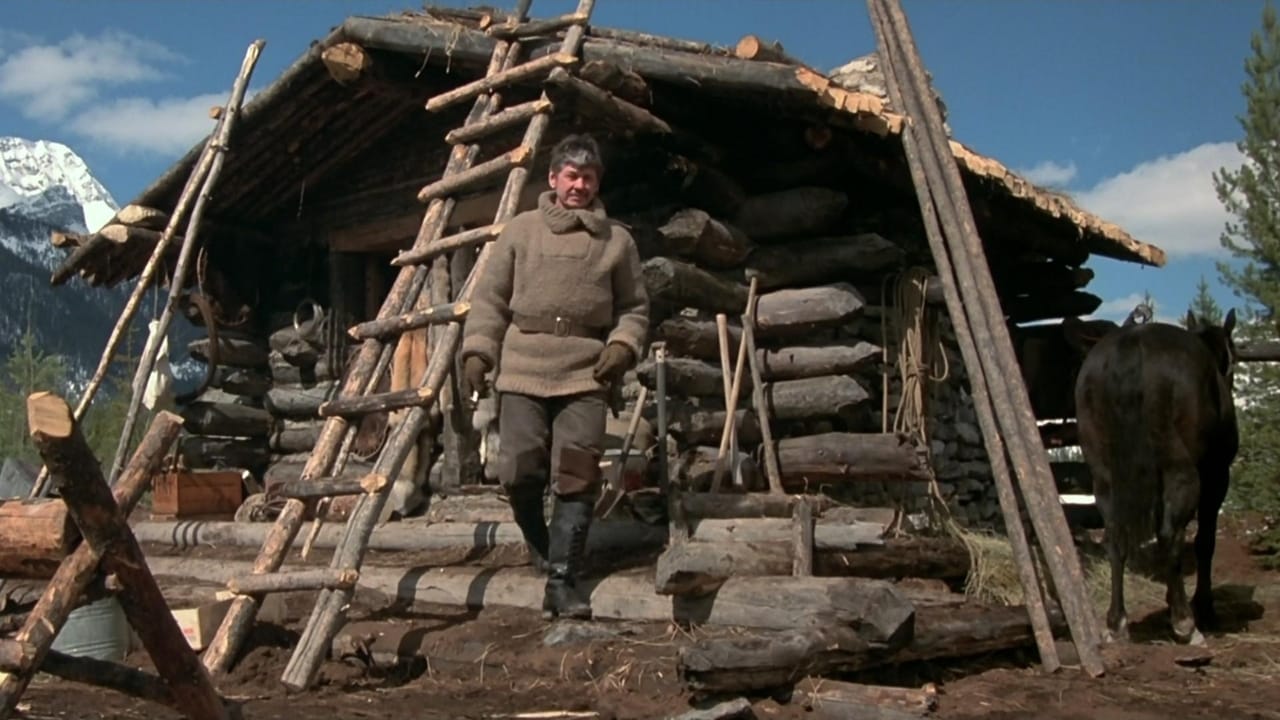
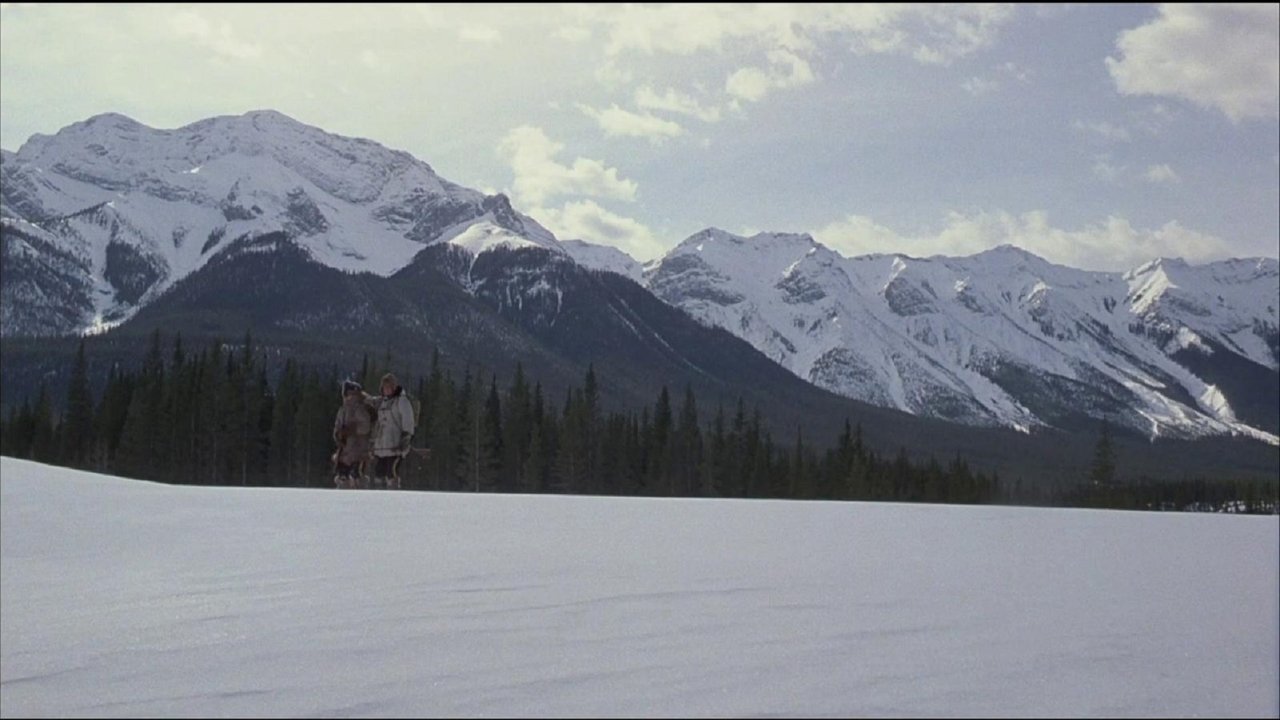
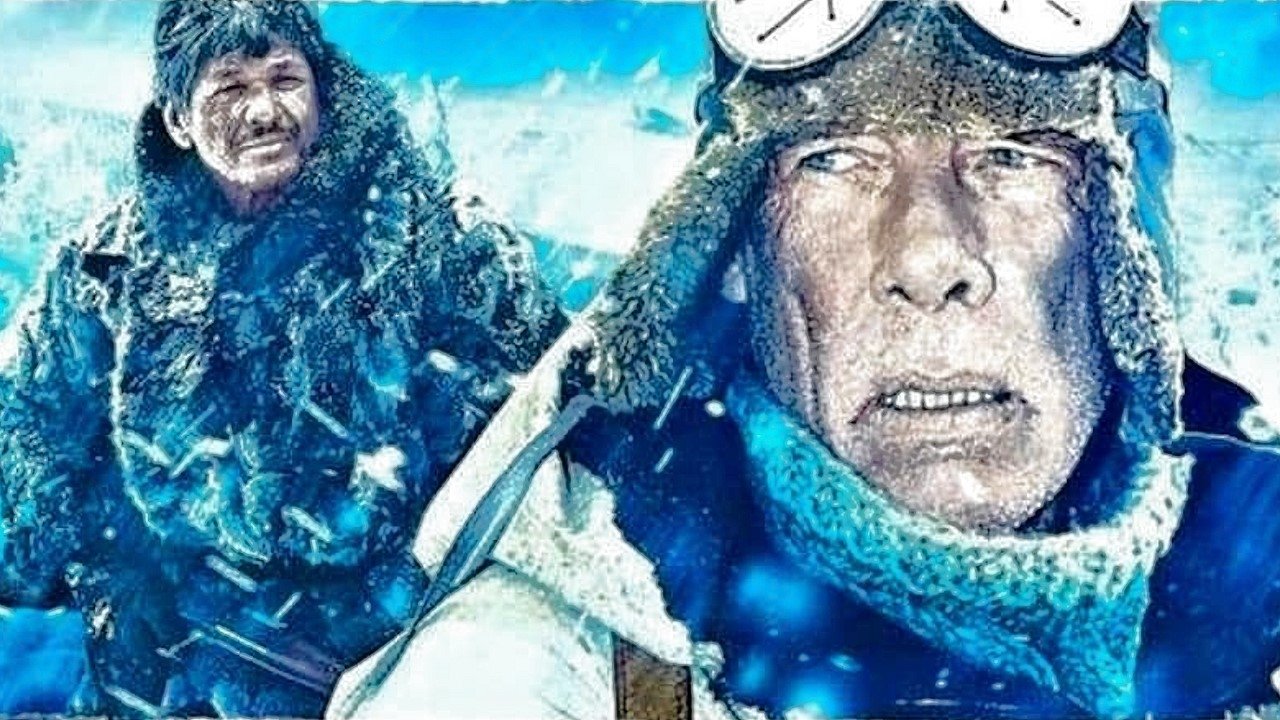
Directed by Peter R. Hunt, best known for his dynamic editing work on early Bond films and directing the fan-favourite On Her Majesty's Secret Service (1969), Death Hunt possesses a tangible sense of place and peril. You feel the biting cold, the exhaustion of wading through deep snow, the shock of sudden gunfire echoing across the vast emptiness. Hunt wisely lets the stunning, imposing Canadian locations (shot primarily in Alberta) do much of the atmospheric heavy lifting. The cinematography captures the stark beauty and lethal indifference of the wilderness. Forget elaborate sets; the authenticity comes from shooting in conditions reportedly so cold they caused cameras to freeze and equipment to malfunction – a fact that only enhances the film’s rugged appeal.
The action, when it erupts, is brutal and practical. Explosions feel dangerous, shootouts are messy, and the stunts carry weight. There's a desperate cabin siege sequence that feels genuinely harrowing, showcasing Johnson's resourcefulness and the posse's growing frenzy. This wasn't the era of slick, hyper-edited combat; it was about capturing the chaos and lethality of a gunfight in harsh terrain. You can almost smell the cordite hanging in the frigid air. My old VHS copy, probably rented a dozen times from the local 'Video Palace', always seemed to crackle a little extra during these scenes, the tracking lines blurring just enough to heighten the sense of frantic action on my old CRT TV.
Echoes in the Wilderness
While it might lack the deeper thematic resonance of some Westerns or survival thrillers, Death Hunt excels as a lean, mean piece of B-movie craftsmanship elevated by its legendary leads and authentic setting. It’s a testament to a certain kind of filmmaking – tough, straightforward, and reliant on practical effects and palpable atmosphere over narrative complexity. Does the plot feel a little thin in places? Perhaps. Are some of the supporting characters archetypes? Sure. But the core conflict, the man-against-the-elements-and-other-men struggle, remains incredibly potent.
The film reportedly cost around $10 million, a solid budget for the time, allowing for the expansive location work and pyrotechnics. It performed reasonably well, tapping into the ongoing appeal of its veteran stars known for playing hard men. It’s the kind of movie that feels perfectly suited to the VHS era – discovered on a shelf, rented on a whim, and delivering exactly the kind of rugged, unpretentious thrills promised by its stark cover art.
VHS Heaven Rating: 7/10
Death Hunt earns a solid 7 for its sheer grit, the iconic Bronson/Marvin matchup, its palpable sense of place, and its commitment to practical, bone-chilling action. It's held back slightly by a somewhat simplistic script and underdeveloped secondary characters, but the core chase and the performances of its leads are magnetic. It delivers exactly what it promises: a relentless, snowbound pursuit anchored by two legends of screen toughness.
It may not be high art, but Death Hunt remains a compelling slice of early 80s action filmmaking. It’s a film that feels cold to the touch, a stark reminder of the brutal beauty of the wilderness and the equally brutal nature of desperate men. Doesn't that final, defiant shot of Bronson against the snow still stick with you? A true rough diamond from the VHS shelves.