Here’s a review for "VHS Heaven":
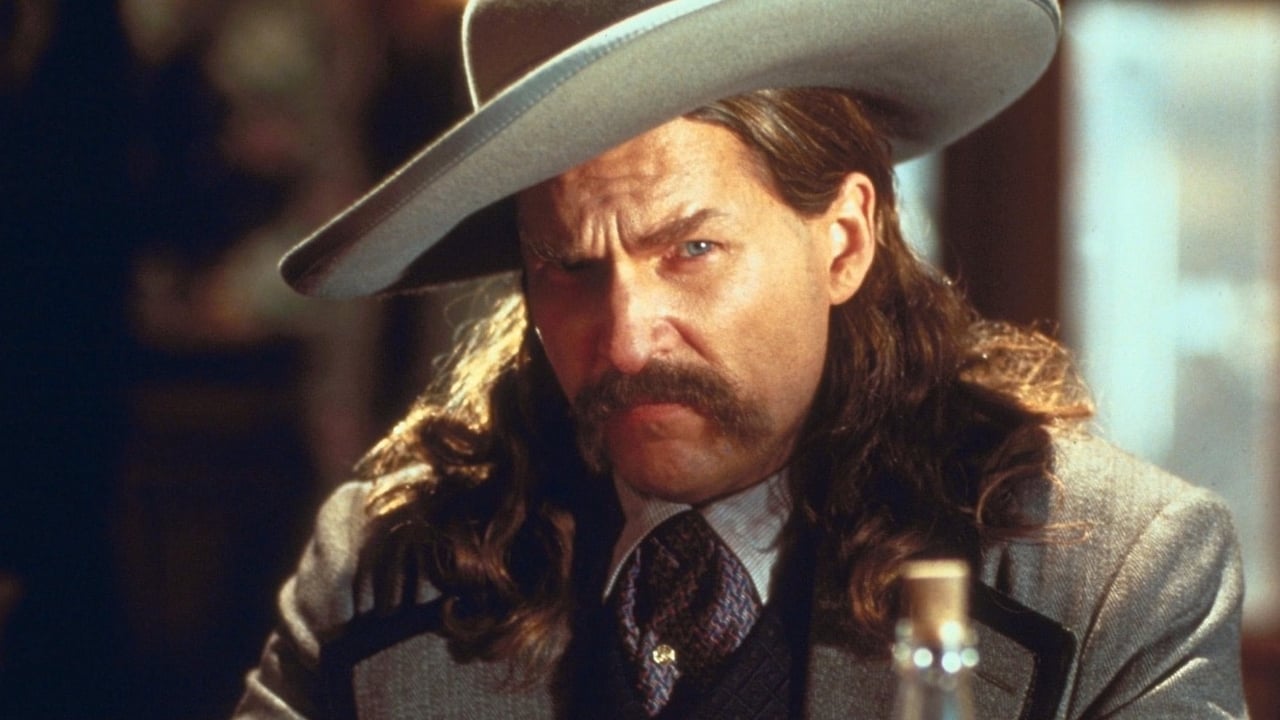
There's a haze hanging over Jeff Bridges' portrayal of James Butler Hickok in Wild Bill, and it isn't just the opium. It's the fug of legend, the suffocating weight of reputation, and the encroaching shadows of mortality. Released in 1995, Walter Hill's take on the famed gunslinger wasn't the clean-cut, heroic Western many might have expected, especially those browsing the video store aisles amidst more straightforward fare. Instead, it's a film steeped in melancholy, a fragmented, almost dreamlike exploration of a man wrestling with the ghost of his own myth. Finding this one on the shelf, maybe nestled between more boisterous action flicks, felt like uncovering something different, something moodier.
A Legend Under a Microscope
Right from the start, Hill makes it clear this isn't a simple chronicle of gunfights and daring deeds. We meet Hickok in Deadwood, already an icon but visibly weary. Jeff Bridges, in a performance that feels both larger-than-life and deeply vulnerable, embodies this contradiction perfectly. His Hickok possesses the dangerous charm and lightning reflexes we expect, but his eyes betray a profound exhaustion, hinting at the failing eyesight and the opium pipe that offer fleeting escape. It’s a portrayal less about heroic action and more about the internal cost of living up to – or perhaps being trapped by – an image. What does it do to a man when his every move is scrutinized, anticipated, potentially fatal? The film doesn't flinch from asking.
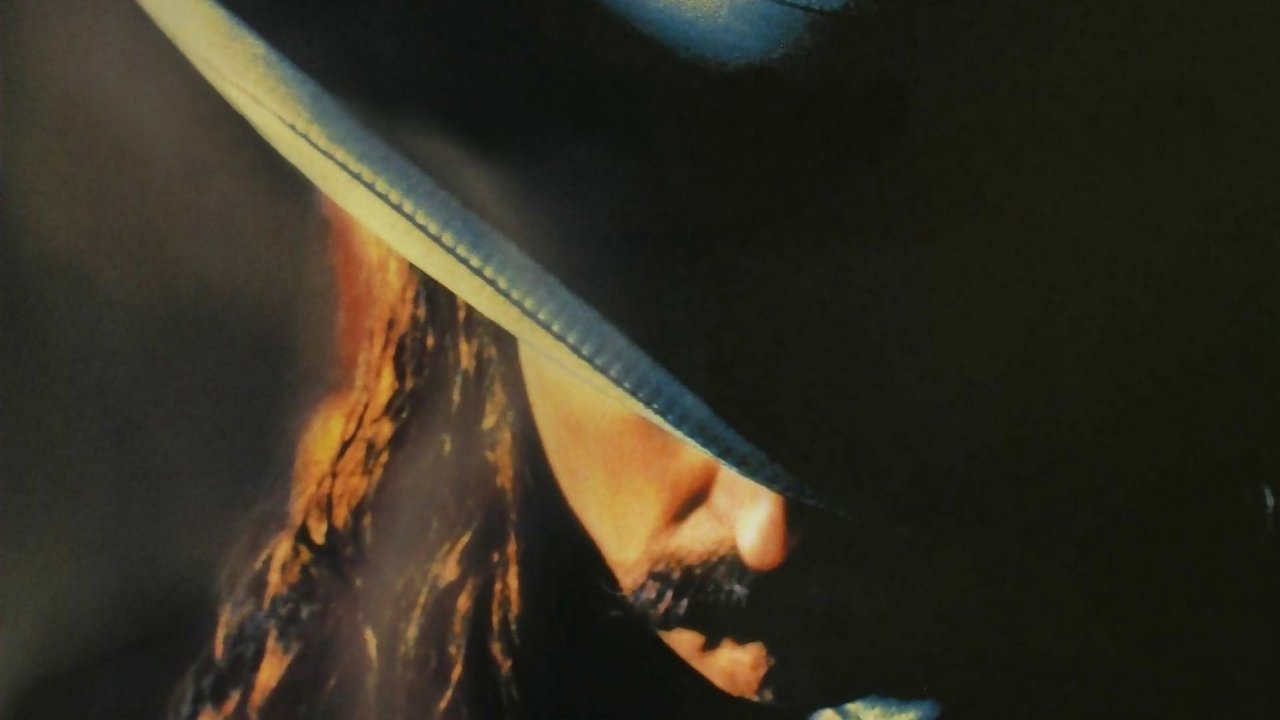
Hill, a director whose fascination with the codes and violence of the American frontier echoes even in his urban thrillers like The Warriors (1979) and Streets of Fire (1984), brings a distinctly personal, almost elegiac vision here. Drawing inspiration from Pete Dexter's novel Deadwood and Thomas Babe's play Fathers and Sons, Hill crafts a non-linear narrative. We drift between the grimy present of Deadwood and stark, often black-and-white flashbacks – memories or perhaps fever dreams – that illuminate Hickok's past encounters, regrets, and the killings that built his name. This structure, while perhaps disorienting for some viewers back in '95, feels deliberate, mirroring the fractured state of Hickok's mind as he nears his end.
Faces in the Saloon Smoke
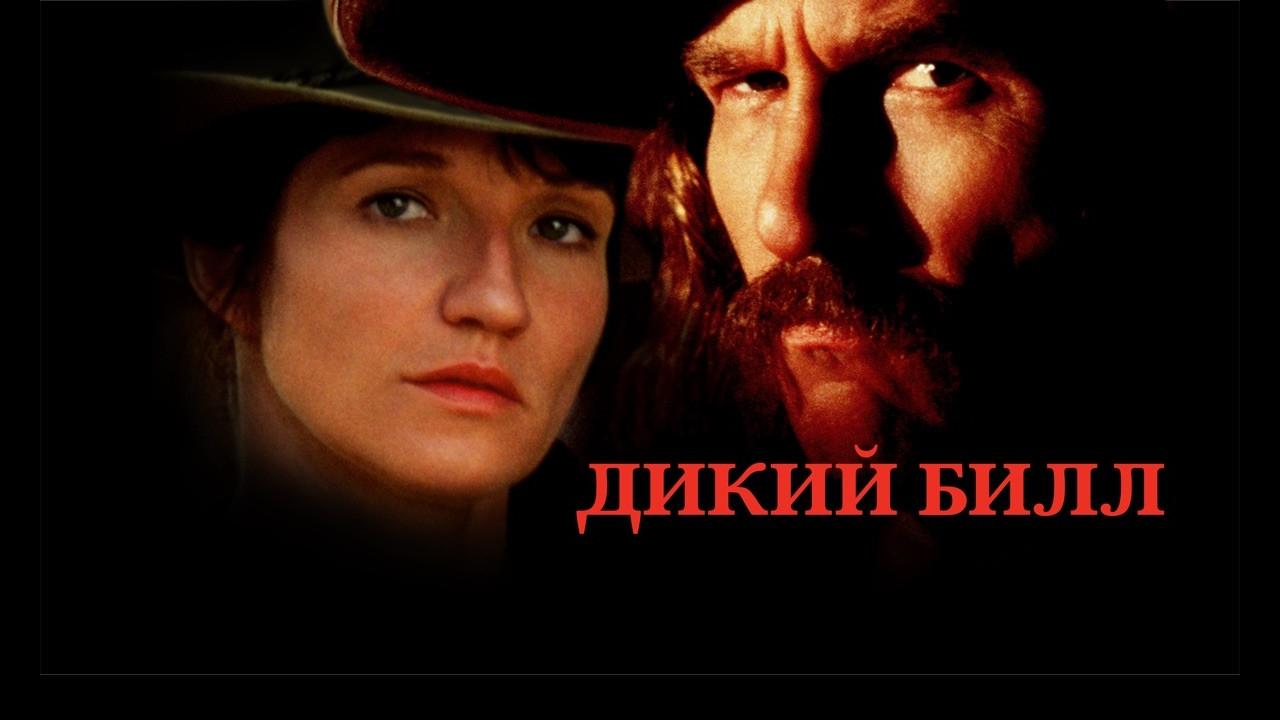
Surrounding Bridges is a cast that fully commits to Hill's somber tone. Ellen Barkin delivers a Calamity Jane stripped of romanticism; she’s raw, fiercely loyal, and carrying her own burdens, her connection with Hickok feeling worn and complex rather than starry-eyed. Then there's John Hurt as Charley Prince, Hickok’s friend and keen observer. Hurt brings his signature gravitas, acting as a sort of Greek chorus, quietly documenting the legend's final days with a mixture of admiration and sorrow. His presence adds a layer of reflective depth, grounding the more hallucinatory aspects of the film. Even smaller roles resonate, like David Arquette’s twitchy, insecure Jack McCall, the man destined to become a footnote in Hickok’s story, and brief but memorable turns from veterans like Bruce Dern and Keith Carradine (as Buffalo Bill Cody).
An Unconventional Ride
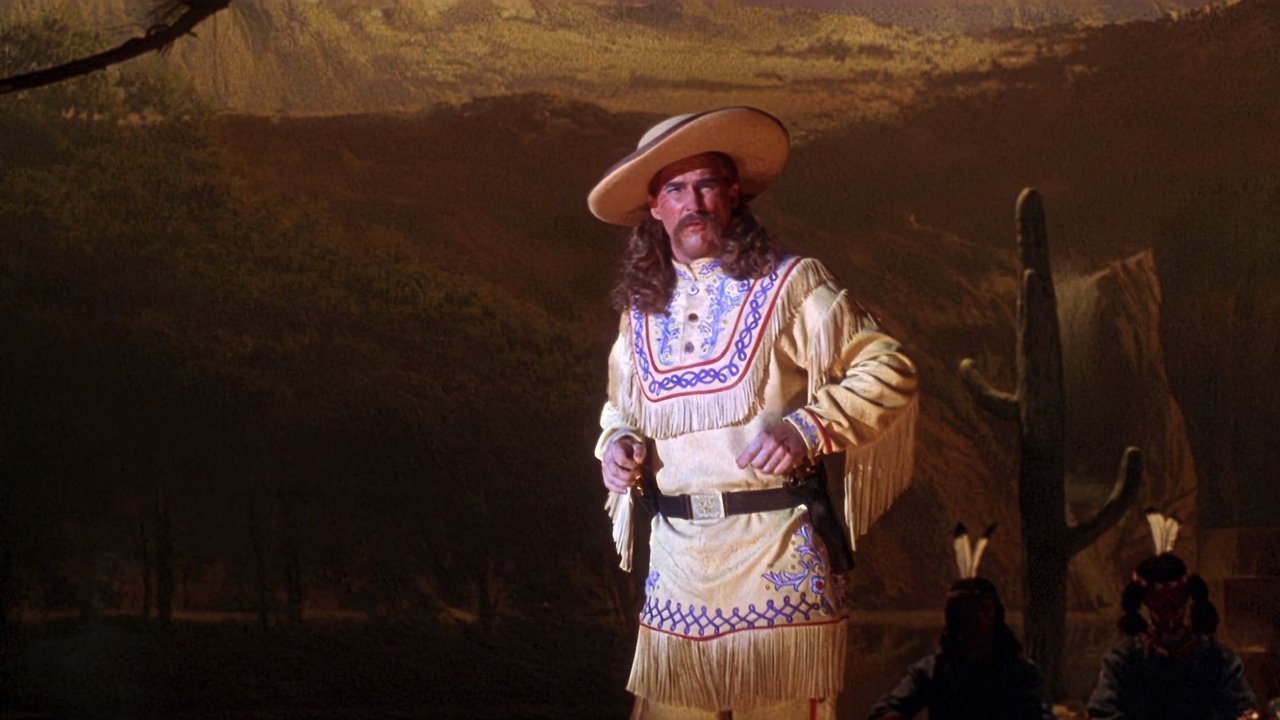
Visually, Wild Bill stands apart. Hill employs his signature slow-motion for moments of violence, but here it feels less about stylized action and more about capturing the grim finality of death. The opium den sequences possess a sickly, dreamlike quality, blurring the lines between Hickok's reality and his internal landscape. This wasn't the sun-drenched Monument Valley Western; this was mud, shadows, and the claustrophobia of smoky saloons. You can almost smell the stale whiskey and gunpowder.
It's fascinating to consider Wild Bill in the context of mid-90s cinema. Arriving after the critical and commercial success of revisionist Westerns like Unforgiven (1992) and the more traditionally heroic Tombstone (1993), Hill's artful, introspective, and structurally unconventional film struggled to find its audience. Produced on a fairly substantial $30 million budget, its box office return was a mere $2.1 million, marking it as a significant commercial flop. This might explain why it often feels like a half-forgotten entry in both Hill's and Bridges' filmographies. Yet, watching it now, perhaps freed from the expectations of the time, its ambition and atmospheric power are undeniable. It feels like a film Hill needed to make, regardless of commercial prospects.
Lasting Impressions
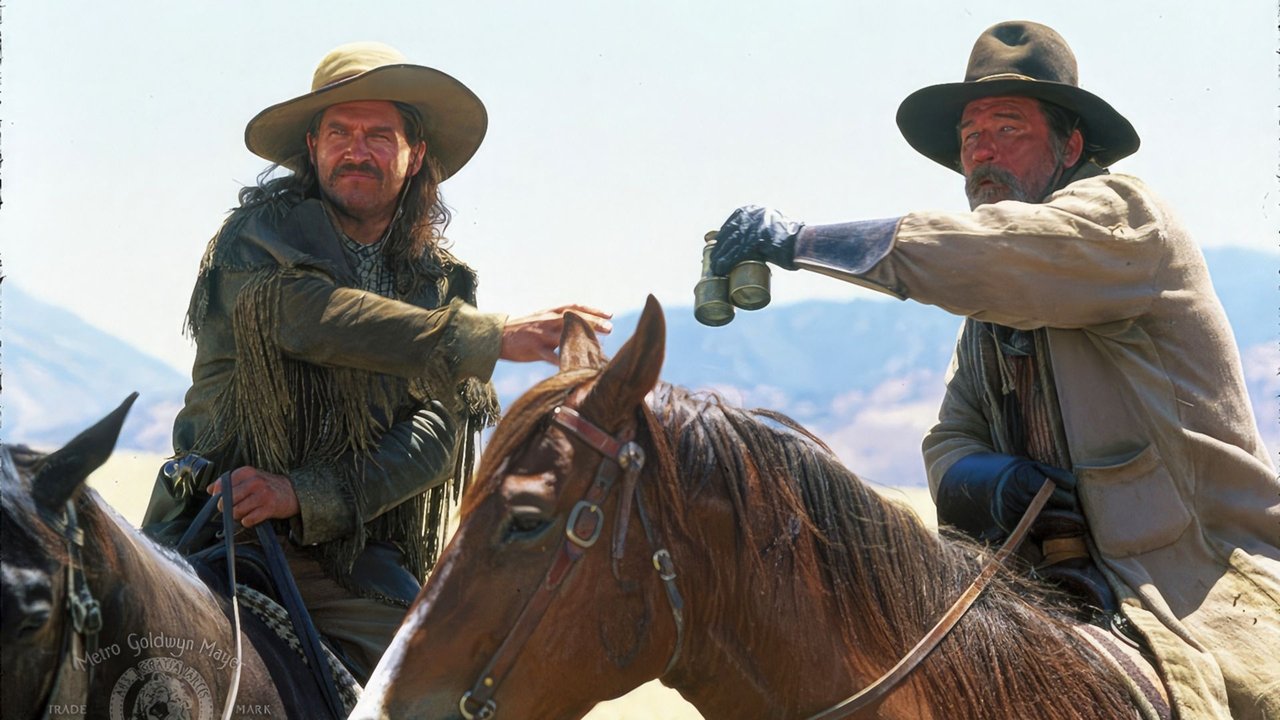
Is Wild Bill a perfect film? Perhaps not. The fractured narrative, while thematically resonant, can sometimes feel meandering, and its relentless melancholy might prove too downbeat for those seeking simple Western thrills. It demands patience and a willingness to engage with its darker, more philosophical undercurrents. Yet, the film lingers precisely because of its refusal to offer easy answers or straightforward heroism. It presents a portrait of a legend drowning in his own reflection, a meditation on the brutal transition of the West, and a showcase for a truly magnetic central performance from Jeff Bridges.
Rating: 7/10
The justification? While its unconventional structure and somber mood likely contributed to its box office failure and might not click with every viewer, Wild Bill stands as a bold, atmospheric, and thoughtfully directed piece. Jeff Bridges delivers a powerful, nuanced portrayal of Hickok, and the film’s willingness to explore the dark side of fame and the weight of legend makes it a compelling, if flawed, entry in the Western genre. It's a film that rewards revisiting, a smoky, melancholic gem rediscovered on the dusty shelves of VHS Heaven. It leaves you contemplating not the glory of the gunfighter, but the heavy silence after the final shot.