It often starts with a line, doesn't it? A single piece of dialogue that hooks itself into your memory and refuses to let go. For countless viewers who first slid Tombstone (1993) into their VCRs, perhaps rented from a Blockbuster shelf already boasting a well-worn spine, that line likely belongs to Doc Holliday. But beyond the instantly quotable moments lies a film with a surprising weight, a modern Western that felt both timeless and perfectly pitched for its era, delivering dust, danger, and a depth that still resonates decades later.
Beyond the Gunsmoke
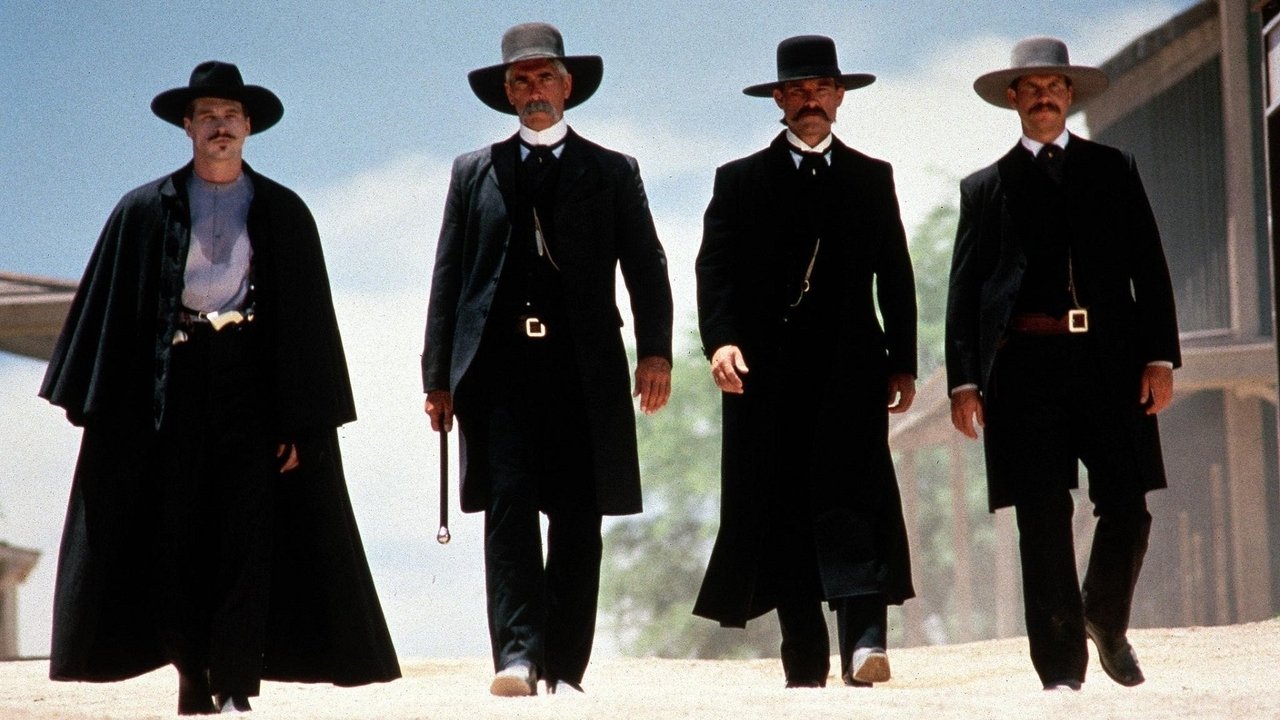
On the surface, Tombstone recounts the legendary tale of Wyatt Earp's arrival in the titular Arizona boomtown, seeking peace and prosperity alongside his brothers Virgil and Morgan, only to find himself drawn inexorably into conflict with the ruthless Cowboy gang. It’s a familiar Western trope, but the execution here elevates it considerably. There’s an undeniable energy, a crackle in the desert air that suggests violence is not just possible, but inevitable. The film plunges us into a world teetering on the edge of lawlessness, where fortunes are made overnight and lives can be extinguished just as quickly. I recall renting this one weekend, expecting a solid shoot-'em-up, and being completely blindsided by the sheer presence of the characters inhabiting this world.
The Lawman and His Burden
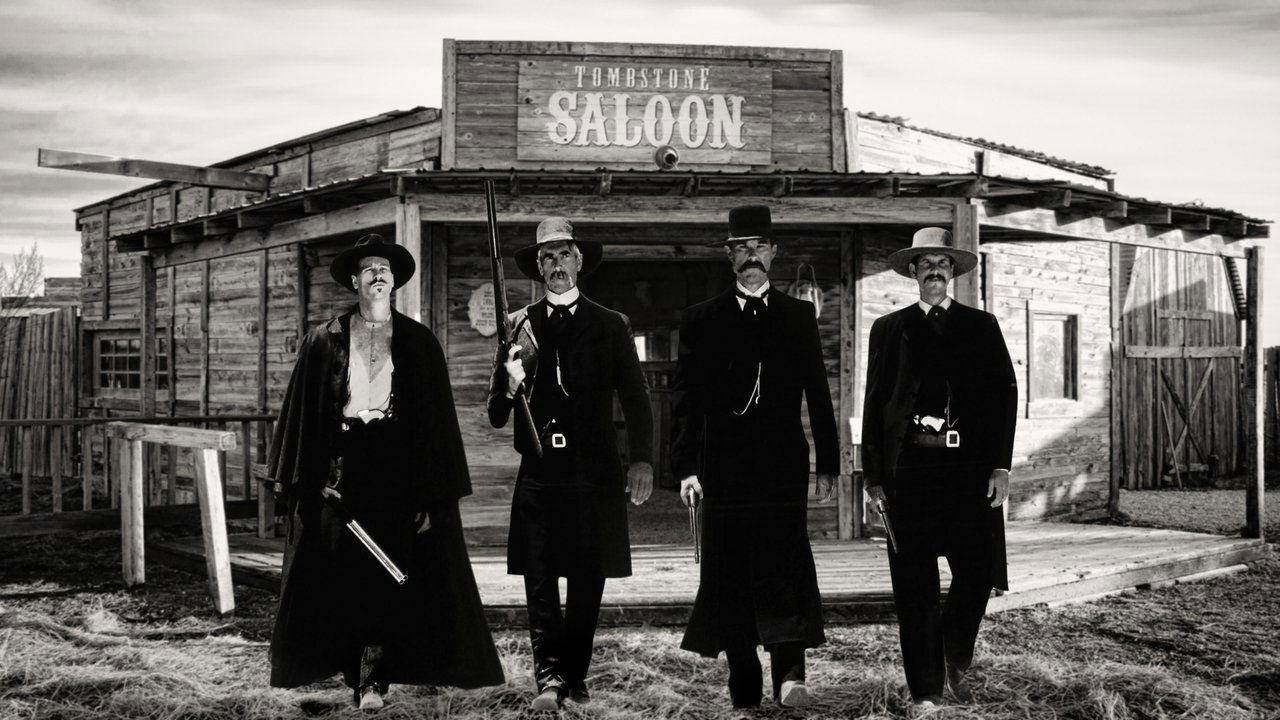
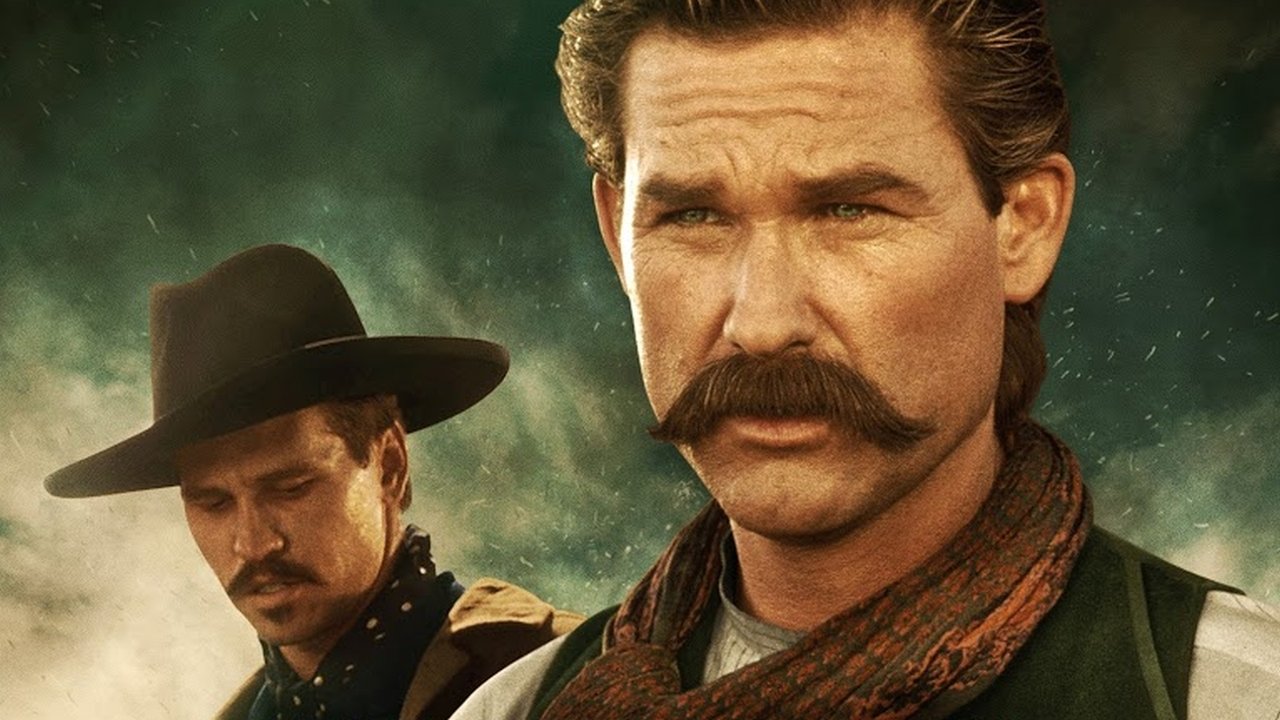
At the heart of the story stands Kurt Russell as Wyatt Earp. Russell, already a genre icon thanks to Escape from New York (1981) and Big Trouble in Little China (1986), brings a simmering intensity to the role. His Wyatt isn't a simple white-hatted hero; he's a man burdened by his past reputation, desperately trying to leave violence behind, only to find it clinging to him like desert dust. Russell portrays this internal conflict brilliantly – the restrained anger, the moments of quiet calculation, the reluctant acceptance of his destiny. It’s a performance that grounds the film, giving its more explosive elements a necessary anchor. It's fascinating to consider the film's tumultuous production history; original writer Kevin Jarre (Glory), whose rich, character-driven script attracted the incredible ensemble cast, was initially hired to direct but was fired shortly into production. George P. Cosmatos (Rambo: First Blood Part II) was brought in, though persistent rumors suggest Russell himself did a significant amount of uncredited directing to keep the ambitious project on track amidst the chaos and pressure of a rival Wyatt Earp film starring Kevin Costner looming on the horizon. This behind-the-scenes struggle somehow mirrors Earp's own journey – trying to impose order on chaos.
An Actor Possessed: Doc Holliday
And then there's Doc. It's impossible to discuss Tombstone without dwelling on Val Kilmer's electrifying portrayal of Doc Holliday. Frail, ravaged by tuberculosis, yet possessing a deadly skill with a pistol and an even sharper wit, Kilmer becomes Holliday. It's more than just an impersonation; it feels like a possession. Every line reading ("I'm your huckleberry," "Why Johnny Ringo, you look like somebody just walked over your grave") is delivered with a languid, almost ethereal detachment that masks a fierce loyalty and a profound weariness. Kilmer, known then for roles like Iceman in Top Gun (1986) and Madmartigan in Willow (1988), reportedly threw himself into the role, perfecting the Southern accent and embodying the physical decline of the character – a dedication that feels palpable on screen. His scenes opposite Russell crackle with chemistry, their complex friendship forming the emotional core of the film. It’s a performance for the ages, one that arguably overshadowed the film itself upon release and remains utterly captivating. Was there ever a cooler consumptive gunslinger committed to celluloid?
An Ensemble Forged in Fire
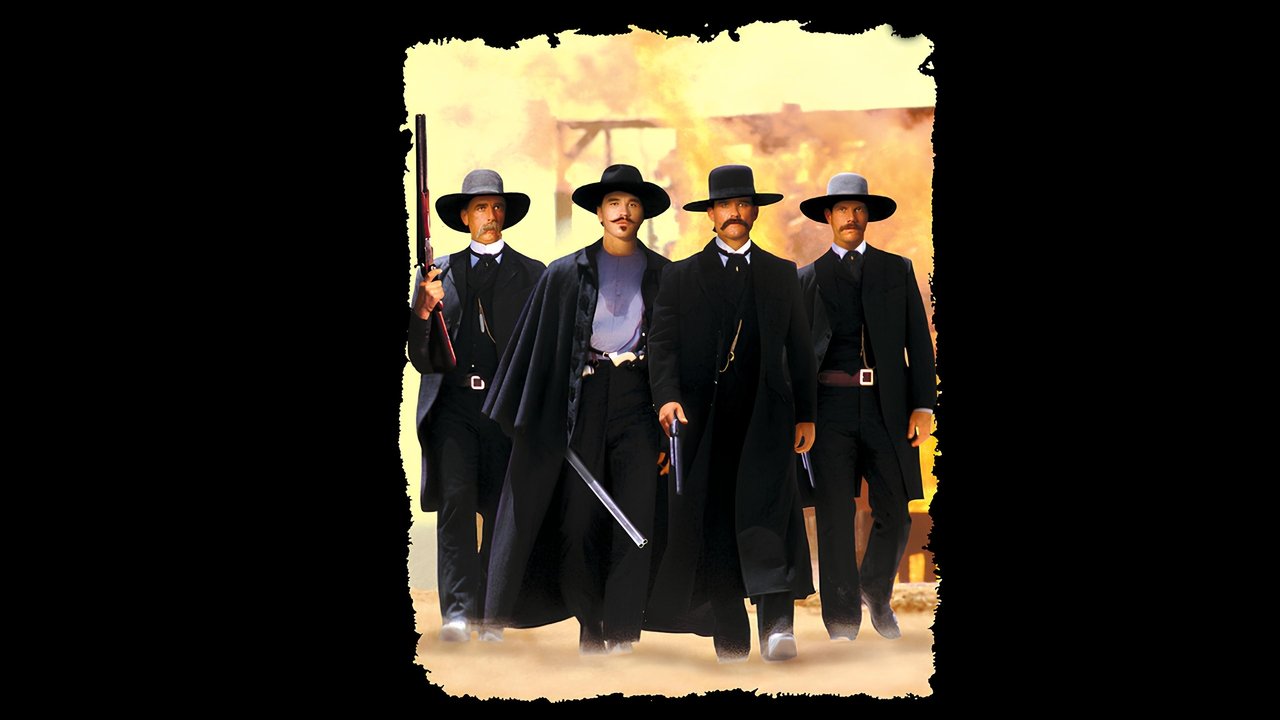
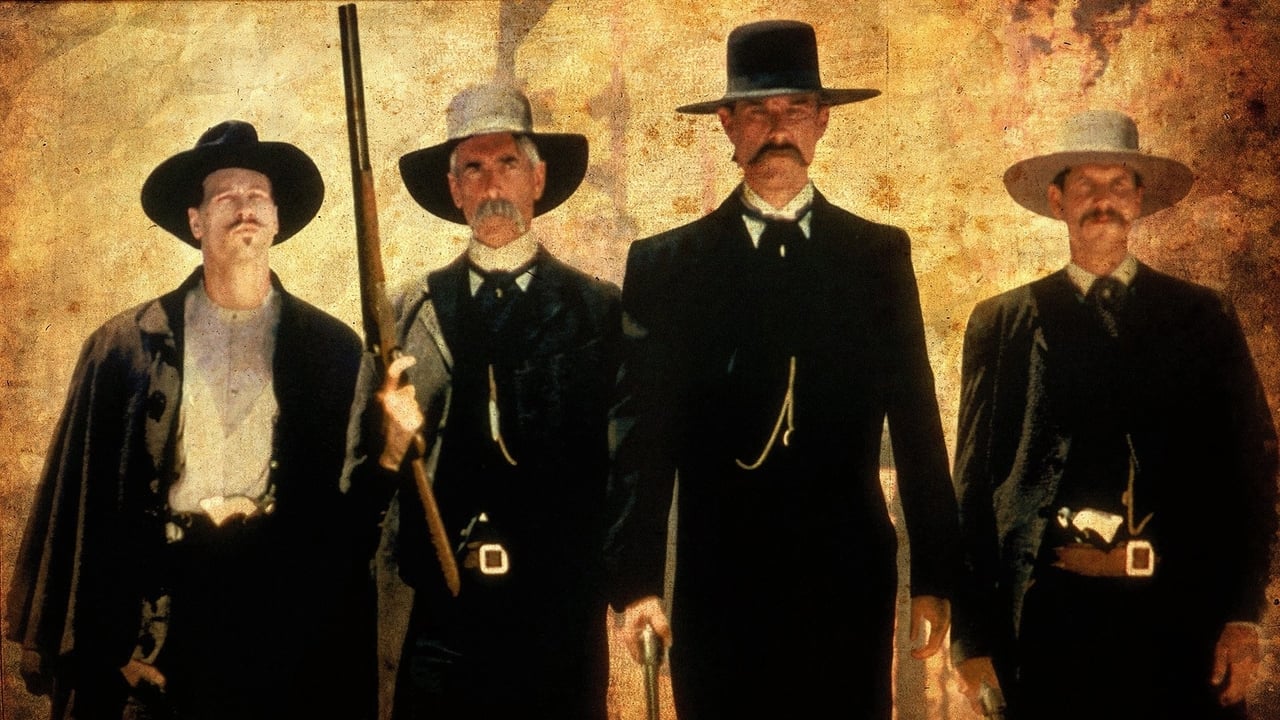
While Russell and Kilmer are the undeniable leads, Tombstone's strength lies equally in its phenomenal supporting cast. Sam Elliott, with that magnificent mustache and voice like rolling thunder, is perfect as the stoic, duty-bound Virgil Earp. The late, great Bill Paxton brings a touching earnestness to the youngest Earp brother, Morgan. On the opposing side, Powers Boothe oozes charismatic menace as Curly Bill Brocius, leader of the Cowboys, while Michael Biehn (The Terminator, Aliens) crafts a chillingly intellectual psychopath in Johnny Ringo. The sheer depth of the cast list is remarkable – Stephen Lang, Thomas Haden Church, Michael Rooker, Billy Zane, Jason Priestley, even a quick cameo by Charlton Heston. It speaks volumes about the quality of Jarre's original script that it attracted such a roster, even with the production hurdles. Each actor, no matter how small the role, contributes to the rich tapestry of this frontier town.
Crafting a Modern Classic
Visually, Tombstone strikes a fine balance between gritty realism and cinematic flair. Shot largely on location in Arizona, the film captures the harsh beauty of the landscape and the rough-hewn authenticity of the town. Director Cosmatos, whatever the extent of his or Russell's influence, orchestrates the action sequences with brutal efficiency. The gunfights are fast, chaotic, and devoid of romanticism – the famous shootout at the O.K. Corral is presented not as a heroic stand, but a messy, desperate scramble. The production navigated its reported $25 million budget effectively, delivering a scope and detail that belied its relatively modest cost for the time, especially considering the large ensemble cast and period setting. It certainly paid off, grossing over $56 million domestically and becoming a certified hit, far eclipsing the box office performance (though not the budget) of the Costner Wyatt Earp film released the following summer.
Why It Lingers on the Shelf
Tombstone arrived at a time when the Western genre was experiencing something of a resurgence, albeit a temporary one. Yet, it stood out. It wasn't just a historical retelling; it was infused with a 90s sensibility – faster pacing, sharper dialogue, and intensely memorable characters. It became a staple of video stores and cable TV, its quotable lines echoing in living rooms long after the credits rolled. Remember seeing those distinctive VHS boxes, often with Russell and Kilmer front and center, promising an epic confrontation? The film delivered on that promise, but also offered something more – a study of loyalty, legacy, and the violence inherent in carving civilization out of the wilderness. It managed to feel both like a classic Western and something entirely fresh.
Rating: 9/10
This near-perfect score is earned through the sheer power of its performances, particularly Kilmer's iconic turn, Russell's grounding presence, and the incredible depth of the ensemble cast. Add to that the sharp script (even surviving production turmoil), the stylish direction, memorable dialogue, and its successful blend of historical drama with thrilling action. It falters only slightly perhaps in juggling its vast array of characters, leaving some feeling slightly underdeveloped, but this is a minor quibble in the face of its overwhelming strengths. Tombstone isn't just a great Western; it's a high-water mark for 90s genre filmmaking.
It’s a film that invites rewatching, not just for the action, but for the nuances in the performances, the weight behind the words. What lingers most, perhaps, isn't just the gunfire, but the quiet moments in between – the loyalty between brothers, the unlikely bond between a lawman and a dying gambler, and the haunting question of whether peace can ever truly be found in a place like Tombstone.