Okay, pull up a metaphorical beanbag chair and let’s talk about a tape that probably didn’t grace the ‘New Releases’ wall at your local Blockbuster, but absolutely deserves a spot in the annals of brilliantly uncomfortable 90s cinema. We’re diving into Marek Koterski's 1996 Polish film, Nic Śmiesznego, or Nothing Funny. And trust me, the title is both a bald statement of fact and a profound piece of irony, depending on which minute of the film you land on.
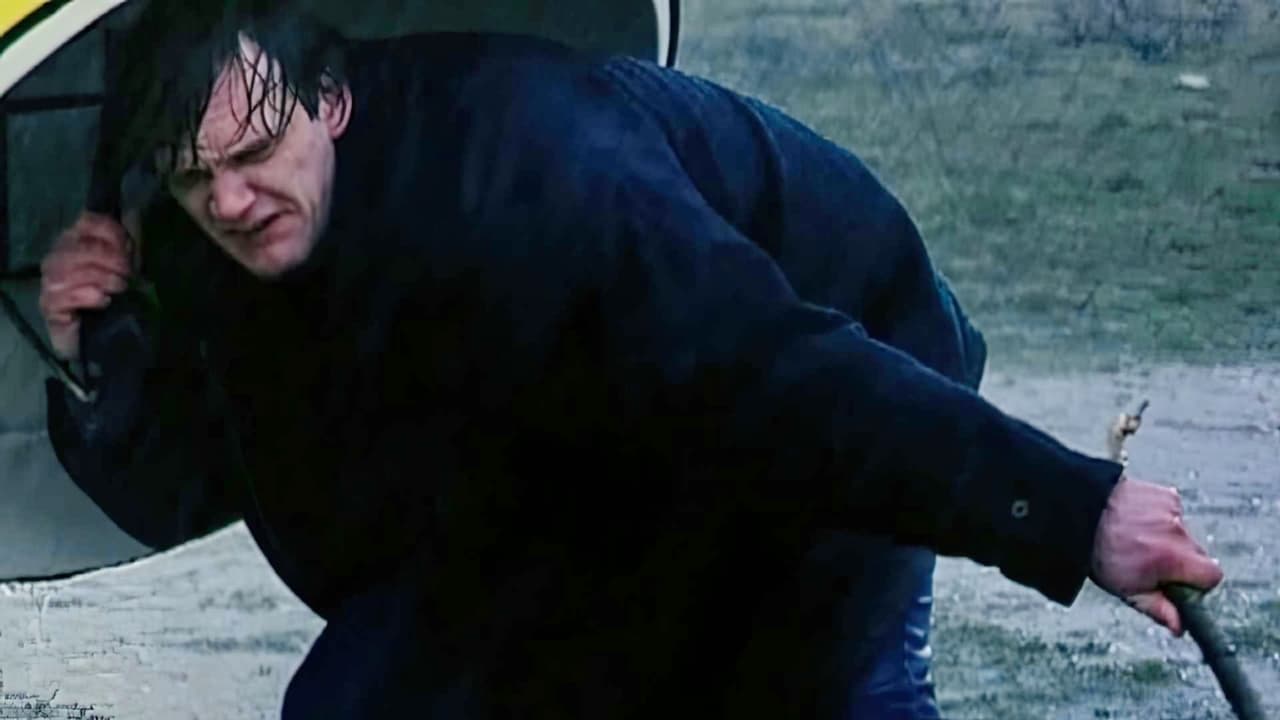
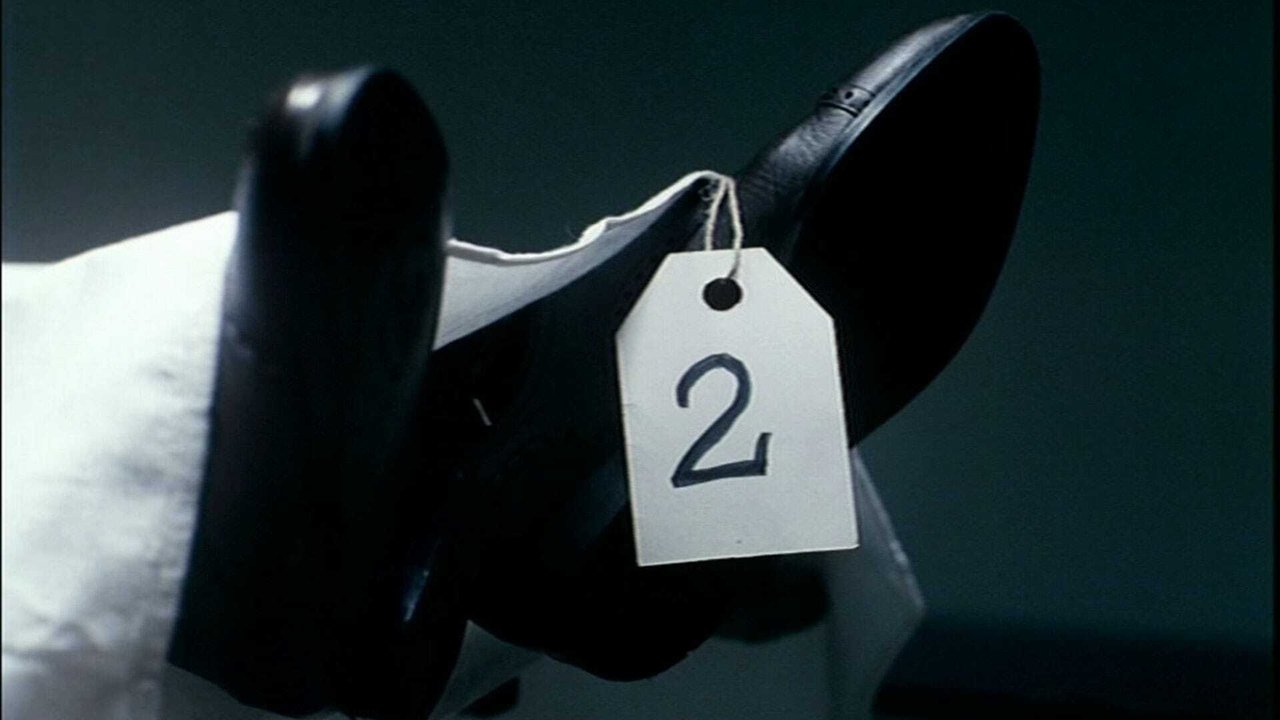
What if your life flashing before your eyes wasn't a highlight reel, but more like a blooper reel compiled by a particularly cynical editor? That’s the unnerving premise here. We meet Adaś Miauczyński (Cezary Pazura), a filmmaker whose career, marriage, and general existence have been a relentless series of failures, humiliations, and near-misses. The film unfolds as a fragmented collection of these moments, viewed from a perspective of near-death or perhaps post-mortem reflection – the narrative structure itself mirroring the disjointed, often painful way we recall our own past mistakes.
A Portrait of the Artist as a Failing Man
This isn't your typical feel-good underdog story. Far from it. Koterski, a director known for his unflinching, often autobiographical explorations of Polish intellectual angst, presents Adaś not as a plucky hero battling odds, but as a man stewing in his own mediocrity and resentment. He wants to create meaningful art, but he’s stuck directing commercials, navigating disastrous film sets, and fumbling through awkward personal encounters. There's a raw, almost excruciating honesty to his portrayal. You might not like Adaś, but chances are, you recognise fragments of his frustration, his envy, his quiet desperation. Doesn't that sting of feeling overlooked or misunderstood resonate, even decades later?
Cezary Pazura’s Tightrope Walk
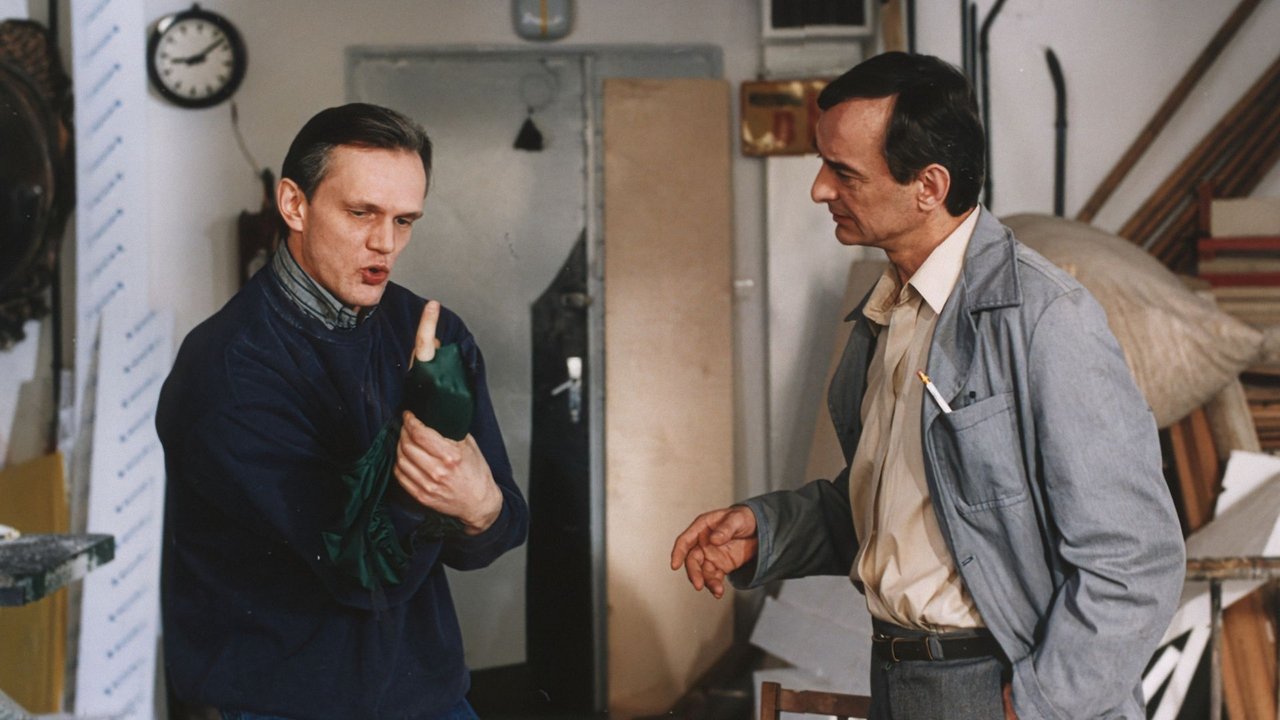
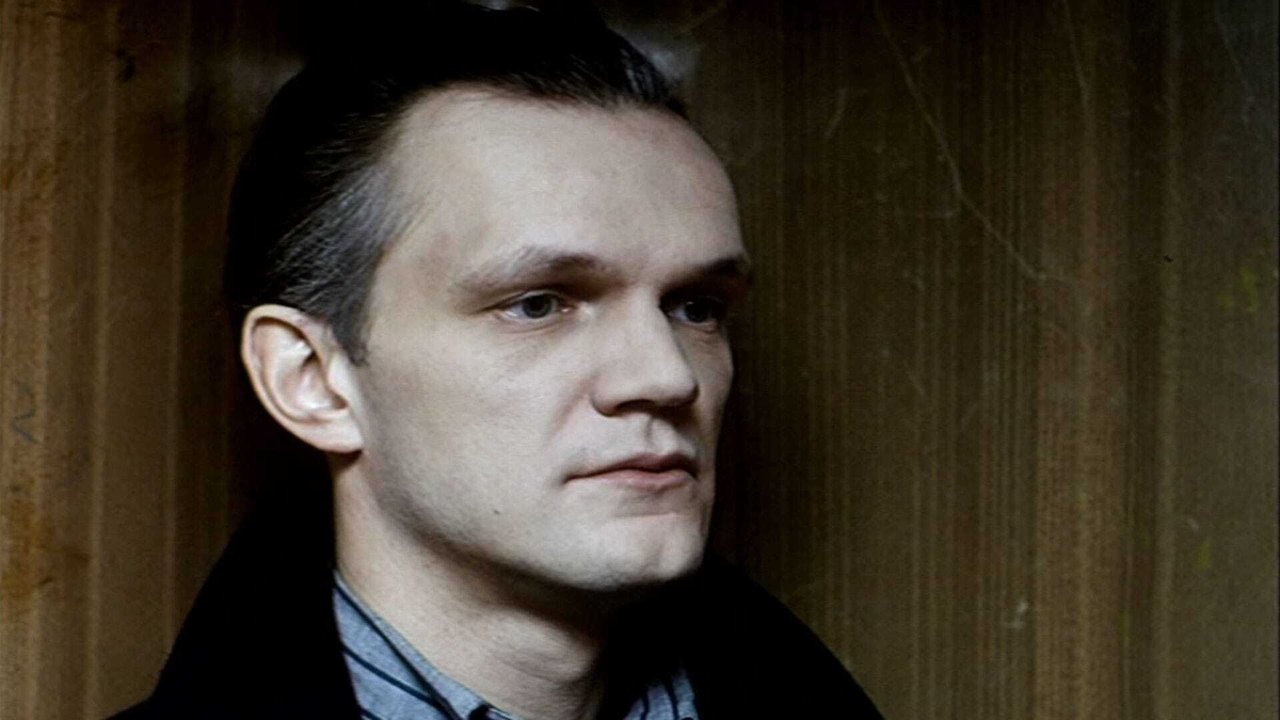
Central to the film's uncomfortable power is the performance by Cezary Pazura. A massive star in 90s Poland, often known for more broadly comedic roles like in the hit Kiler (1997), here Pazura delivers something truly remarkable. He embodies Adaś’s profound unhappiness, his perpetual cringe, his flashes of misplaced anger, and crucially, the vulnerability hidden beneath layers of cynicism. It's a performance devoid of vanity. He allows Adaś to be pathetic, cruel, and foolish, yet somehow retains a sliver of humanity that keeps you watching, even when you want to look away. It’s less about laugh-out-loud moments and more about the painful chuckle of recognition. The way Pazura’s eyes dart around, anticipating the next social landmine, or the slump in his shoulders after yet another creative compromise – it feels deeply, uncomfortably true.
Retro Fun Facts: The World of Adaś
Here’s something fascinating for fellow film nerds: Adaś Miauczyński is a recurring character in Marek Koterski’s filmography, a sort of Polish cinematic everyman embodying the struggles of the intellectual in post-communist Poland. Think of it like Truffaut's Antoine Doinel, but filtered through a lens of profound existential despair and dark, dark humor. What's wild is that Adaś has been played by different actors across the films, including Marek Kondrat (who actually has a supporting role in this film as Adaś’s more successful director colleague – adding another layer of meta-commentary!). Nothing Funny is chronologically the second film in this loose cycle, following 1984's Dom wariatów (House of Fools) and preceding the perhaps even more famous Dzień Świra (Day of the Wacko) from 2002. Knowing this adds a whole different dimension, suggesting Adaś’s struggles are less unique and more a universal condition explored through Koterski's very specific, personal vision. The film reportedly operated on a modest budget, relying more on sharp writing and Pazura's central performance than lavish production, a common necessity that often bred creativity in 90s European cinema.
The Uncomfortable Truths of ‘Nothing Funny’
Let’s be clear: this isn't a film for everyone. Its humor is blacker than burnt coffee, its outlook often bleak. Some viewers find it relentlessly negative, even depressing. There are scenes of professional failure and personal embarrassment played for laughs that land somewhere between hilarious and horrifying. Think early Todd Solondz or the more misanthropic shades of Woody Allen, but with a distinctly Polish flavour. The film captures a specific mood of the mid-90s transition in Poland – a time of newfound freedoms but also uncertainty, cynicism, and the often-crushing weight of expectation.
Yet, there’s something undeniably compelling about its honesty. Koterski refuses easy answers or sentimental uplift. He forces us to confront the messy realities of ambition, compromise, and the gnawing fear that maybe, just maybe, our lives aren't the masterpieces we hoped they'd be. It asks: what constitutes a worthwhile life? Is artistic integrity possible in a commercial world? And perhaps most pointedly, can we find humor even in our most profound failures? The film doesn't offer comforting platitudes; it simply presents Adaś's fragmented life and lets the discomfort settle.
Was It Worth the Rewind?
Watching Nothing Funny today, perhaps on a worn-out import tape if you were lucky enough to find one back in the day, feels like unearthing a challenging but rewarding piece of 90s cinema. It’s a film that doesn't coddle its audience. It's abrasive, strange, and deeply Polish, yet its core themes of frustration and the search for meaning are universal. Pazura's performance is a masterclass in tragicomic acting, and Koterski's singular vision makes it unforgettable.
Rating: 7.5/10
Justification: This score reflects the film's undeniable artistic merit, Cezary Pazura's brilliant central performance, and its status as a significant, if challenging, piece of Polish cult cinema. It's bold, unflinching, and structurally inventive. However, its intense bleakness and deliberately uncomfortable humor mean it's not an easy watch, preventing it from reaching the higher echelons reserved for films with broader appeal or perhaps a slightly more nuanced emotional palette. It earns its points through sheer audacity and honesty, even if that honesty is sometimes hard to stomach.
Final Thought: Nothing Funny lingers not because it's pleasant, but because it dares to show the parts of life – the failures, the embarrassments, the quiet regrets – that most films politely ignore. It’s a stark reminder that sometimes, the most profound statements are the ones that make us squirm the most.