Okay, pull up a beanbag chair and maybe grab a Crystal Pepsi from the back of the fridge (if you were lucky enough to hoard one), because today we're digging deep into the dusty corners of the VHS archive. Forget your well-worn copies of Terminator 2 or Jurassic Park for a moment. We're venturing off the beaten path, into a territory where blockbuster gloss gives way to earnest ambition and a truly unique cultural fingerprint. We're talking about Stellarium (sometimes listed as Stellar), a 1993 Estonian sci-fi musical fantasy that feels like a transmission from another dimension – or at least, from a video store shelf you definitely didn't find at your local chain.
### Echoes of Independence, Dreams of the Cosmos
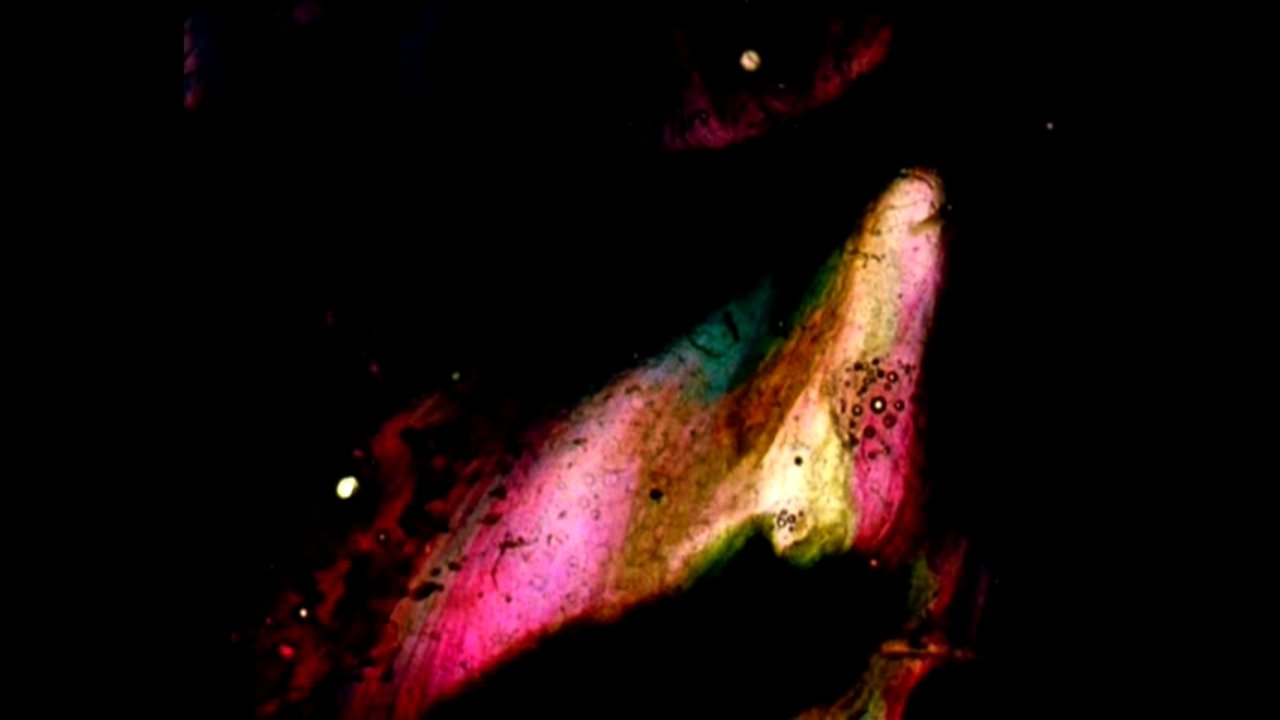
What immediately strikes you about Stellarium isn't slick Hollywood production value, but its very specific time and place. Released just a couple of years after Estonia regained its independence, there's an almost palpable sense of newfound possibility woven into its fantastical premise. The story follows two young boys, brimming with that boundless imaginative energy kids possess, who decide to build their own spaceship – the titular Stellarium – to journey to the stars. It’s a simple, almost archetypal children's adventure narrative, but viewed through the lens of early 90s Estonia, doesn't it take on a different resonance? It feels less like pure escapism and more like an allegory for reaching for new horizons, for dreaming bigger than the recent past might have allowed. You have to wonder, was this whimsical journey a quiet reflection of a nation itself looking towards an uncertain but hopeful future?
### When Rock Gods Aim for the Stars
Here’s where Stellarium shifts from a curious artifact to something genuinely fascinating for retro enthusiasts. The film was directed by Gunnar Graps, a towering figure in Estonian rock music, often referred to as the "Iron Man" (Raudmees) of Estonian hard rock. Imagine Lemmy Kilmister deciding to direct a kid's space adventure – it gives you a sense of the unexpected creative force behind the camera. Graps wasn't just directing; he brought his world with him. The main young actors weren't seasoned child stars, but budding musicians who would become significant names in the Estonian music scene: Jaagup Kreem (future frontman of the hugely popular band Terminaator) and Mikk Tammepõld. Even Karl Madis, another established Estonian singer, appears.
This wasn't just stunt casting; music is clearly intended to be the film's heartbeat. Knowing Graps's background, you anticipate a rock opera edge, perhaps something akin to Flash Gordon (1980) but filtered through an Eastern European sensibility. The musical numbers, likely penned with Graps's signature style woven in, become less incidental and more central to the film's identity. It’s a fascinating collision – the innocence of a children's story meets the energy of rock 'n' roll. And adding another layer of intrigue, the script credits include Mati Unt, a major avant-garde Estonian writer and theatre director, and Ellen Niit, one of the country's most beloved children's authors. This pedigree hints at ambitions beyond a simple singalong, suggesting potential layers of satire or deeper meaning beneath the surface, even if delivered with a light touch.
### The Charm of Hand-Crafted Cosmos
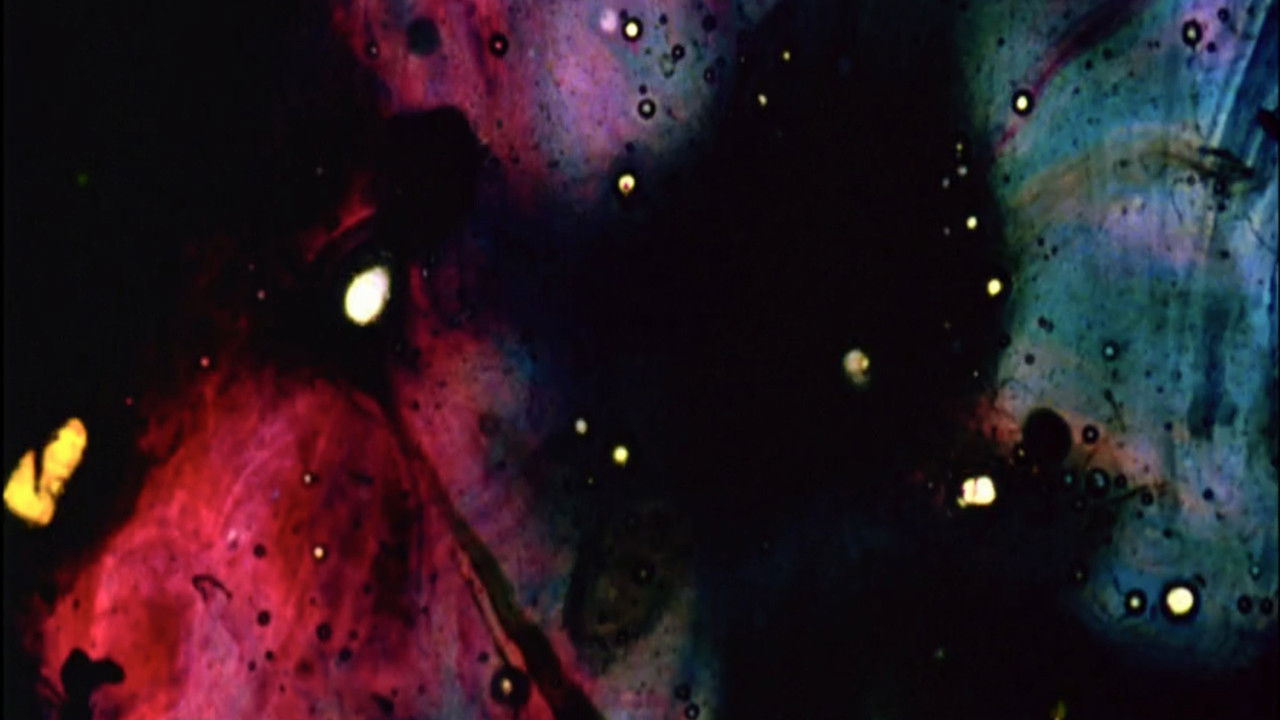
Let's be honest: navigating the stars on what was likely a modest, post-Soviet Estonian budget presents certain... challenges. You won't find ILM-level effects here. Instead, Stellarium belongs to that wonderful category of films where ingenuity and practical effects reign supreme. Think more along the lines of imaginative B-movies or perhaps even the charming, handcrafted feel of certain segments from Sesame Street or The Muppet Show, but aimed at a slightly older youth audience. The appeal lies precisely in this tangible quality. The spaceship, the cosmic encounters – they likely possess that slightly off-kilter, handmade aesthetic that feels incredibly endearing in our current era of seamless CGI.
Remember the thrill of seeing model work or clever camera tricks on your CRT TV, even if you could sort of see the seams? That's the spirit Stellarium likely embodies. It asks the audience to meet it halfway, to engage their imagination alongside the characters'. This wasn't about photorealism; it was about evoking a feeling, a sense of wonder achieved through creativity rather than immense resources. Digging around for production details is tough for such a regionally specific film, but one imagines the crew stretching every Estonian kroon, perhaps repurposing materials or leaning into theatrical techniques to bring their vision to life. That resourcefulness is part of the VHS charm, isn't it?
### A Rare Gem on the Dusty Shelf
Finding Stellarium on VHS outside of Estonia back in the day would have been like discovering a unicorn grazing behind the video store. This film represents the true deep-dive potential of the VHS era – uncovering obscure titles from around the globe, films made with passion and reflecting unique cultural moments, far removed from mainstream distribution channels. It’s a reminder that cinema exists beyond Hollywood, and that sometimes the most interesting stories are the ones you have to hunt for. Its very rarity adds to its allure for collectors and fans of cinematic oddities. It likely never received a wide international release, making any surviving tape a genuine piece of Baltic film history.
Was it a perfect film? Probably not by conventional standards. The acting might be earnest rather than polished, the effects charmingly rudimentary, the musical numbers perhaps an acquired taste for those unfamiliar with Estonian rock sensibilities of the time. But its value lies elsewhere. It’s a snapshot of a specific moment, a unique blend of talent (rock stars, literary giants!), and a testament to the power of dreaming big, both for its characters and perhaps for its creators in a newly freed nation.
Rating: 6/10
Justification: This score reflects Stellarium's undeniable uniqueness and cultural significance rather than its technical polish or broad appeal. It earns points for its ambition, the fascinating blend of talent involved (Graps, Unt, Niit, the musician cast), its likely charming DIY aesthetic, and its status as a rare artifact of post-independence Estonian cinema. It loses points for its probable limited resources impacting production value and its niche appeal, which might make it a challenging watch for those not specifically interested in its unique context or genre mashup. It's more of a fascinating historical document and cult object than a universally accessible classic.
Final Thought: Stellarium is the kind of film that reminds us why exploring the forgotten corners of the VHS library is so rewarding – it's not just about nostalgia, but about discovering strange, heartfelt, and utterly unique visions that never quite made it to the mainstream spotlight. What other unexpected national cinematic treasures are waiting to be rediscovered on those worn-out tapes?