The Brave Little Toaster Goes to Mars
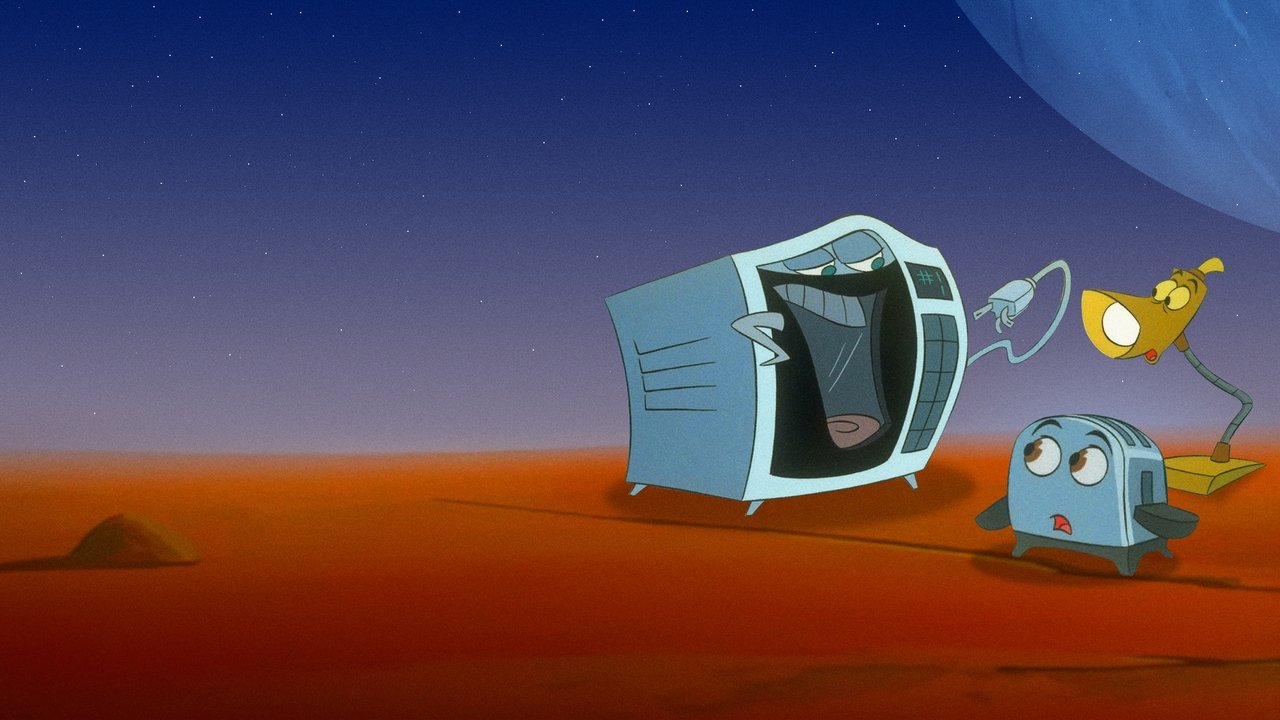
Okay, fellow tape-watchers, let's rewind to a slightly weird corner of the late 90s direct-to-video aisle. You remember loving The Brave Little Toaster, right? That surprisingly poignant, sometimes downright unnerving 1987 gem about abandoned appliances seeking their master. It had heart, soul, and that terrifying air conditioner scene. Then, a decade later, amidst a flurry of animated sequels hitting shelves faster than you could say "Be Kind, Rewind," we got... The Brave Little Toaster Goes to Mars. Yes, you read that right. Mars. It felt like a fever dream then, and revisiting it now? Well, it's still a wonderfully peculiar trip.
### Wait, They Went Where Now?
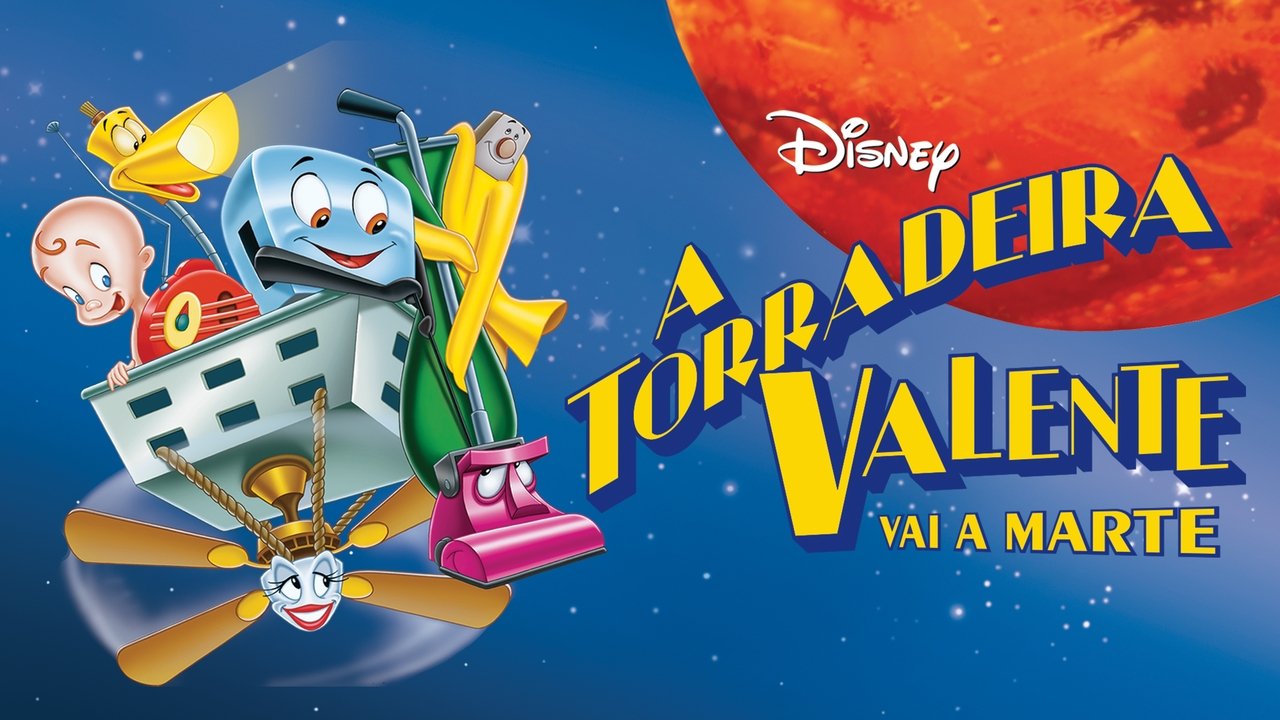
The setup itself feels like a left turn after the grounded (relatively speaking!) adventures of the original. Our beloved gang – the ever-optimistic Toaster (voiced again by Deanna Oliver), the neurotic Lampy (Timothy Stack), the grumpy-but-lovable vacuum Kirby (now voiced by Roger Kabler, replacing the legendary Thurl Ravenscroft for this outing), the sweet Blanky, and the excitable Radio – are comfortably living with their "Master," Rob, now a married veterinarian with a baby son, Robbie. When little Robbie is mysteriously beamed up into space, who else but our courageous appliance crew could possibly mount a rescue mission to the Red Planet? It's a premise so outlandish, it borders on the surreal, swapping the allegorical journey of the first film for pure sci-fi silliness.
### A Familiar Crew on an Unfamiliar Trek
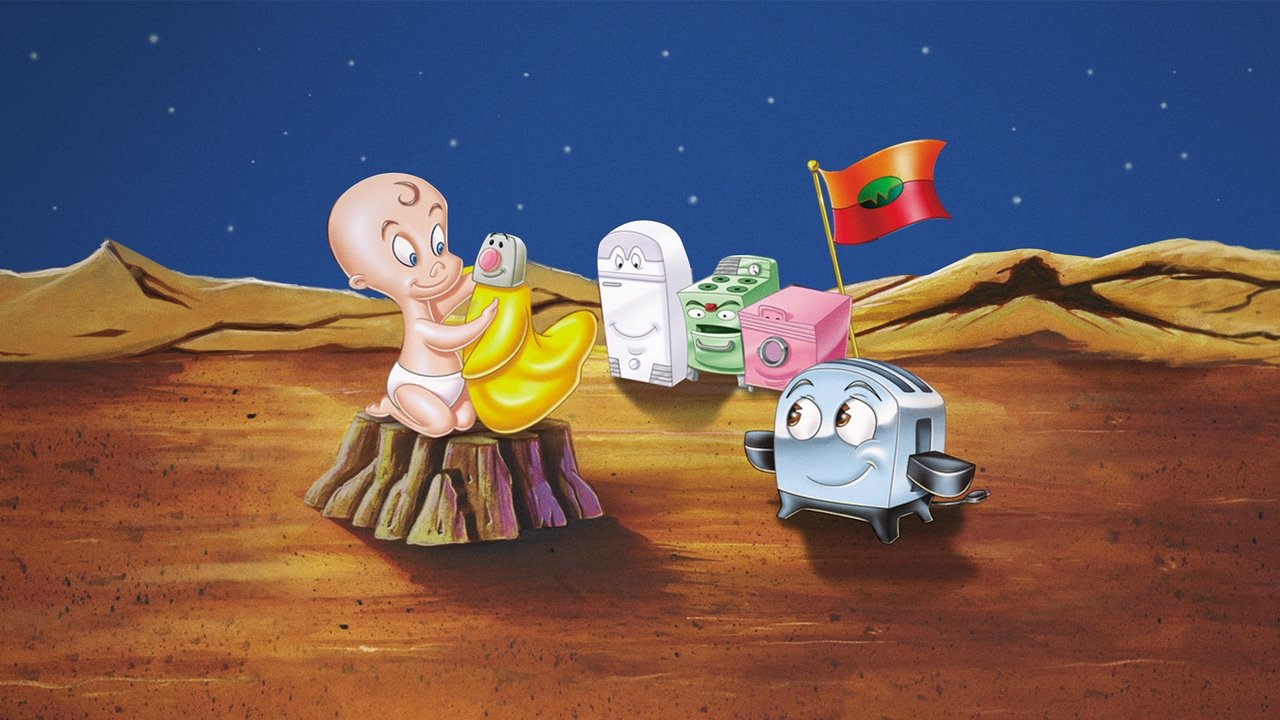
Despite the cosmic leap in plot, much of the charm comes from simply spending more time with these characters. Deanna Oliver slips back into Toaster's brave leadership role effortlessly, and Timothy Stack remains hilarious as the perpetually worried Lampy. While Roger Kabler steps into big shoes replacing Ravenscroft's iconic bass rumble for Kirby, he captures the vacuum's gruff exterior well enough. The dynamic between the core group is still the film's strongest asset; their bickering, loyalty, and makeshift problem-solving feel comfortably familiar, even when they're strapping a ceiling fan to a rolling office chair to achieve interplanetary travel (yes, that happens).
Along the way, they encounter a host of new characters, most notably Wittgenstein, a supercomputer/hearing aid voiced by the brilliant Fyvush Finkel, who becomes their guide. On Mars, we meet a society of wild, 'useless' Earth appliances discarded decades ago, led by a giant refrigerator and featuring characters like a calculating Viking 1 space probe. It's all very... creative. The Martian appliances, designed with a sort of junkyard chic, are visually distinct, though perhaps lack the instant iconic appeal of our core group.
### Direct-to-Video Destiny & Retro Fun Facts
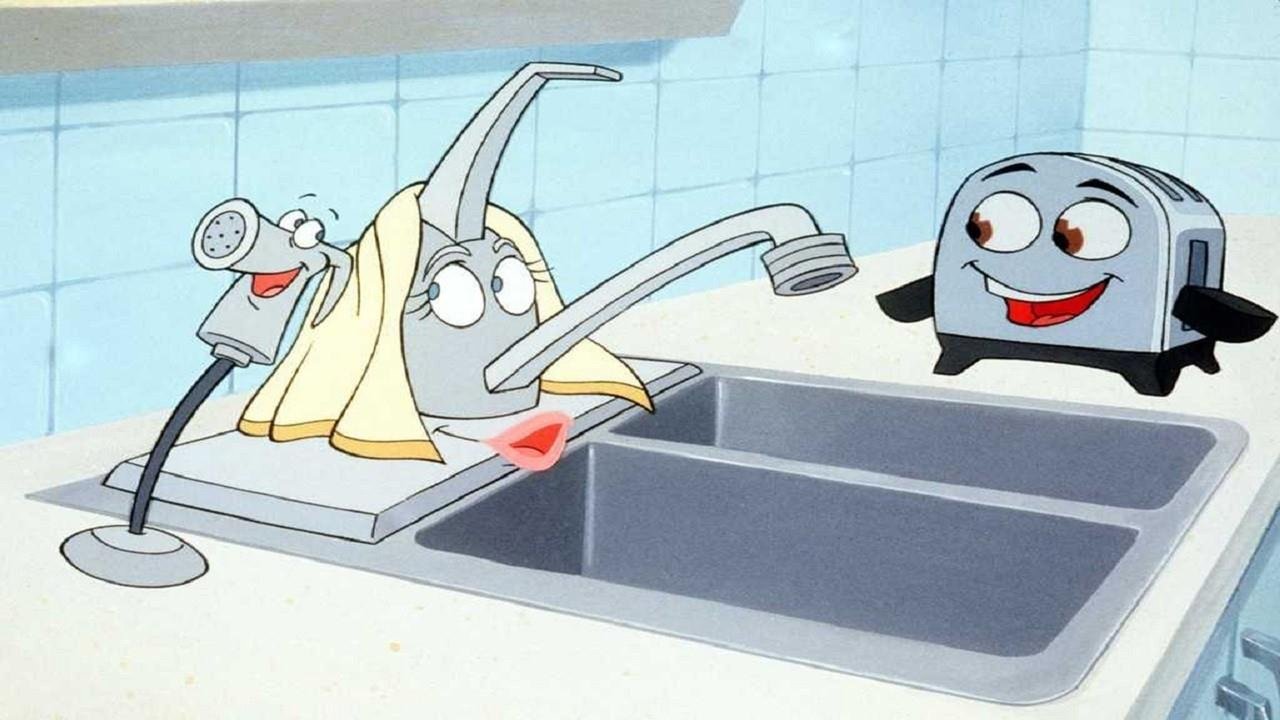
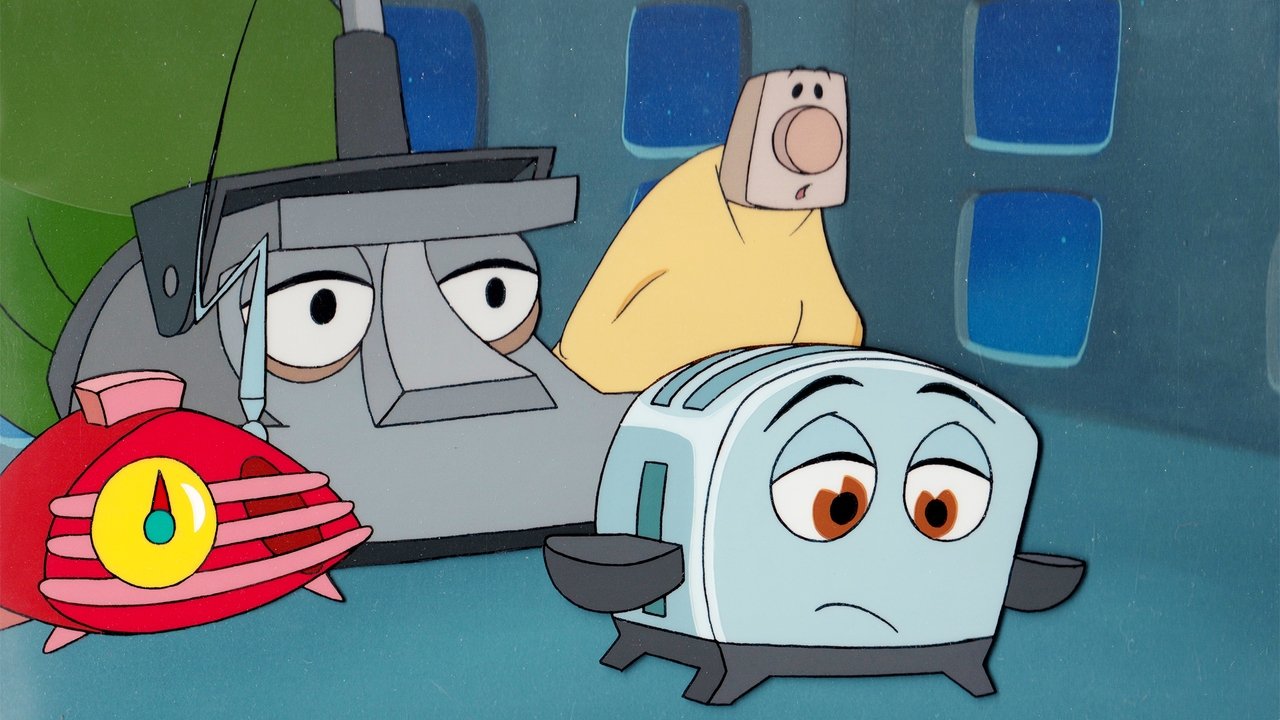
Let's be honest, The Brave Little Toaster Goes to Mars (1998) wears its direct-to-video origins on its sleeve. Directed by Robert C. Ramirez and Patrick A. Ventura, the animation, while competent for its time and market, doesn't quite possess the same richness or occasional haunting beauty of the original film (which, remember, had talent involved who would later be instrumental at Pixar). The budget constraints are apparent, leading to simpler backgrounds and slightly less fluid character movements at times. Yet, there's a certain earnestness to it all.
Here’s a fun bit of VHS-era trivia: this film is actually based on the second novella written by Thomas M. Disch, the author whose work inspired the first movie. So, while the plot feels wild, it wasn't entirely plucked from thin air! Another classic late-90s DTV quirk involves its release order. Confusingly, The Brave Little Toaster to the Rescue (which sees the gang helping animals at Rob's vet clinic) was released before Goes to Mars in 1997, but chronologically, Goes to Mars actually takes place first, shortly after the baby Robbie is born. Tracking the continuity felt like trying to fix the tracking on a well-worn tape sometimes! The songs, penned by Alexander Janko, are pleasant enough but lack the memorable, slightly melancholic punch of Van Dyke Parks' score from the original.
### A Softer, Sillier Sortie
Compared to its predecessor, Goes to Mars is undeniably lighter fare. The existential dread and themes of obsolescence that gave the original its surprising depth are largely traded for a more straightforward adventure plot aimed squarely at a younger audience. The peril feels less palpable, the stakes less emotionally resonant. Is that necessarily a bad thing? Not entirely. It makes for an easier, perhaps less demanding watch. You likely weren't left contemplating the fleeting nature of existence after renting this one from Blockbuster; you were probably just amused by a talking vacuum cleaner arguing with a floating toaster in space.
Does it capture the magic of the first film? No, not really. But did it offer another chance to hang out with characters many of us had grown fond of? Absolutely. There’s a certain simple charm in its sheer audacity, a willingness to embrace the absurd that’s kind of endearing in retrospect. It knew it was a kid-friendly sequel and delivered exactly that, Martian plot twists and all.
### Final Verdict
The Brave Little Toaster Goes to Mars isn't the profound classic its forerunner was. It’s a quirky, slightly clunky, but ultimately harmless direct-to-video sequel that took its beloved characters on an unexpected detour. It lacks the original's artistic ambition and emotional weight, but it retains some of the core group's charm and provides a dose of uncomplicated, slightly bizarre 90s animated nostalgia. For fans of the original, it was a curiosity; for kids discovering the characters fresh, it was likely just a fun space adventure.
Rating: 5/10
The score reflects its status as a significantly lesser follow-up to a beloved classic. It’s hampered by its DTV limitations and a much sillier plot, losing the original's depth. However, the returning voice cast (mostly) and the inherent charm of the core appliance characters keep it from being a complete write-off, offering some mild nostalgic entertainment, especially if viewed with adjusted expectations.
It might not be essential viewing, but finding this oddity on the rental shelf back in the day? That was definitely one small step for Toaster, one giant leap into "Wait, really?" territory for the rest of us.