There's a certain magic in cinematic failure, isn't there? Not the cynical, studio-mandated kind, but the glorious, earnest, heart-on-its-sleeve kind. It’s this peculiar magic that Tim Burton captures so beautifully, so sincerely, in his 1994 monochrome marvel, Ed Wood. Forget your typical rise-and-fall biopic; this isn't about dissecting flaws or lamenting missed opportunities. Instead, it’s a profoundly affectionate, often hilarious, and surprisingly moving ode to the man widely dubbed the worst director of all time – and, more importantly, to the unwavering passion that fueled his uniquely terrible creations.
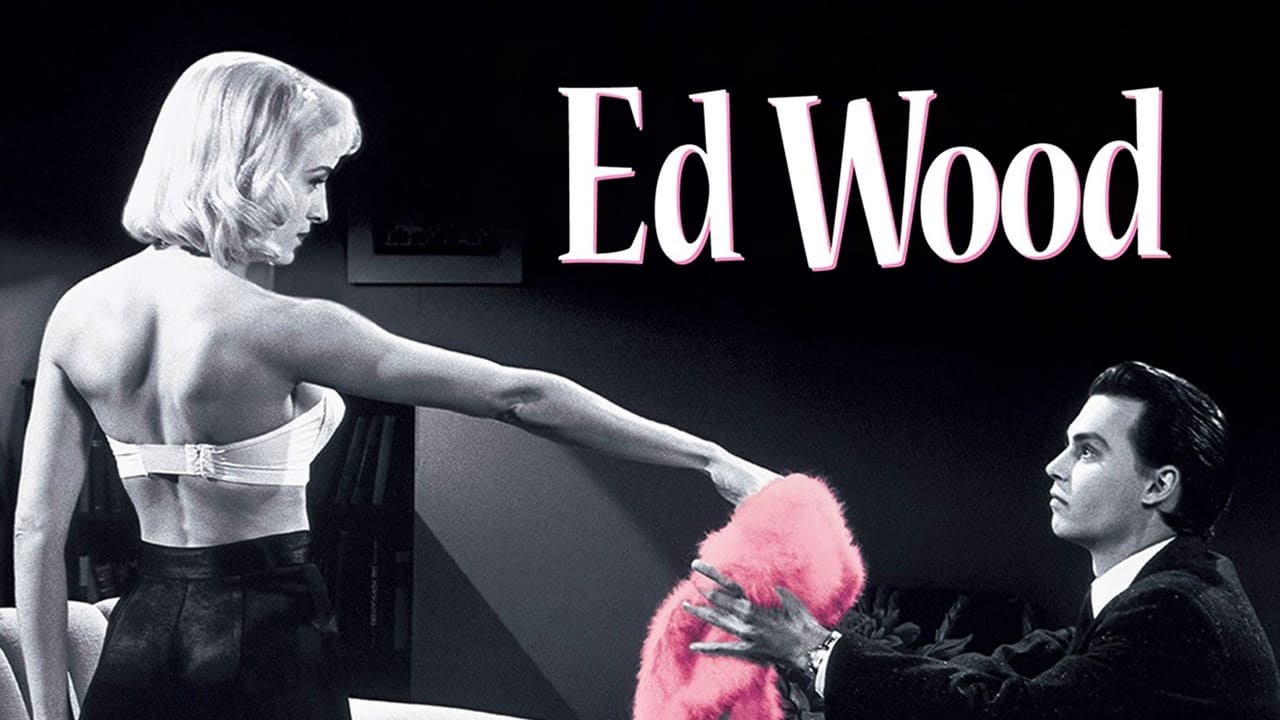
### The Angora-Clad Dreamer
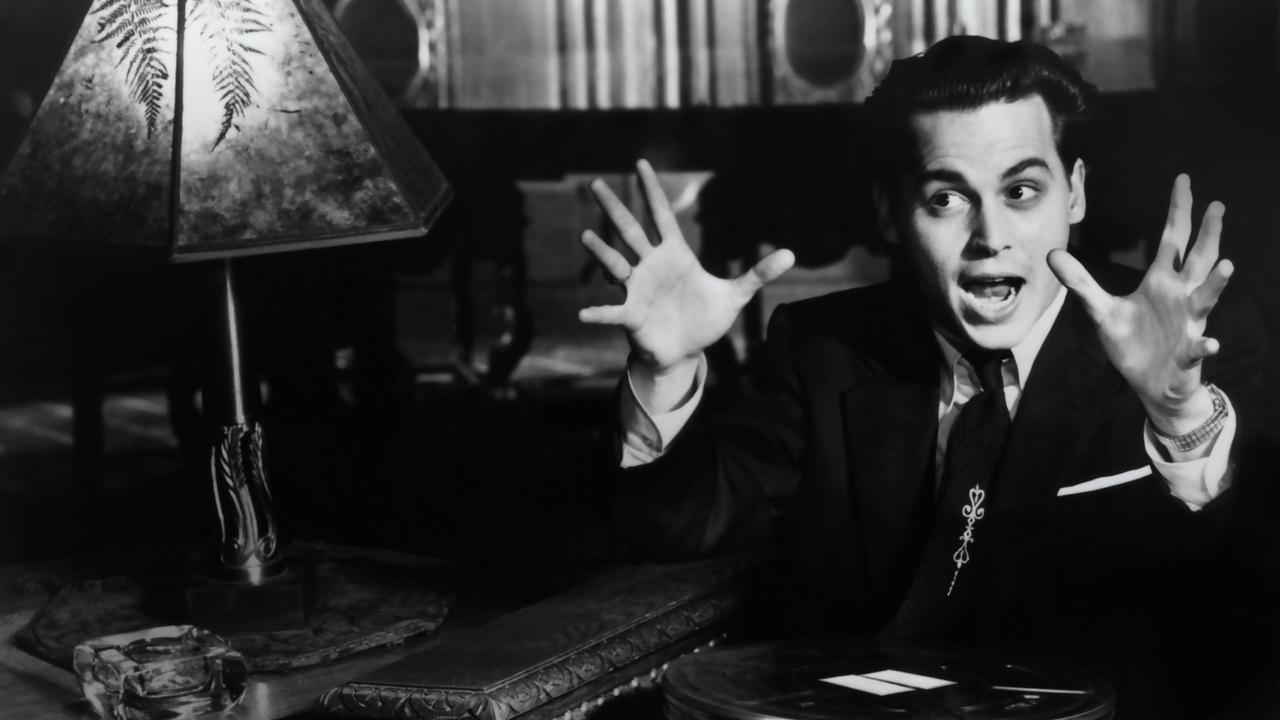
At the film's center is Johnny Depp as Edward D. Wood Jr., a performance brimming with boundless, almost childlike optimism. Depp, a longtime admirer of Wood's bizarre filmography, doesn't mock the man; he embodies his relentless positivity, his can-do spirit in the face of universal rejection and nonexistent budgets. We see Wood cajoling skeptical Baptists into funding Plan 9 from Outer Space (1959), directing chaotic scenes with wrestlers and psychics, and finding profound inspiration in the tactile comfort of an angora sweater. It's a performance that reminds us that passion and talent aren't always bundled together, and that the drive to create, however misguided the results, holds its own unique nobility. Depp reportedly immersed himself in Wood's films, capturing that wide-eyed sincerity perfectly – a sincerity that makes Ed impossible to dislike, even as his films make us cringe and chuckle.
### Echoes in the Hollywood Twilight

While Depp provides the film’s infectious energy, its melancholic soul resides in Martin Landau’s towering, heartbreaking portrayal of Bela Lugosi. We meet Lugosi decades past his Dracula (1931) prime, a morphine addict living in near-poverty, haunted by ghosts of stardom. Landau doesn't just mimic Lugosi; he becomes him, capturing the faded grandeur, the flickering pride beneath the weariness, the vulnerability masked by flashes of theatrical anger. The friendship between Wood and Lugosi forms the emotional core of the narrative – a touching symbiosis between a young, aspiring filmmaker desperate for a star, and an aging icon desperate for work and companionship. Their scenes together, particularly Lugosi's weary resignation and eventual demise, are imbued with a profound sadness that elevates the film beyond mere quirky comedy. It’s no surprise Landau swept the awards circuit, culminating in a thoroughly deserved Academy Award for Best Supporting Actor. It's a performance for the ages, finding deep humanity in a figure often reduced to caricature.
### Burton's Black and White Love Letter
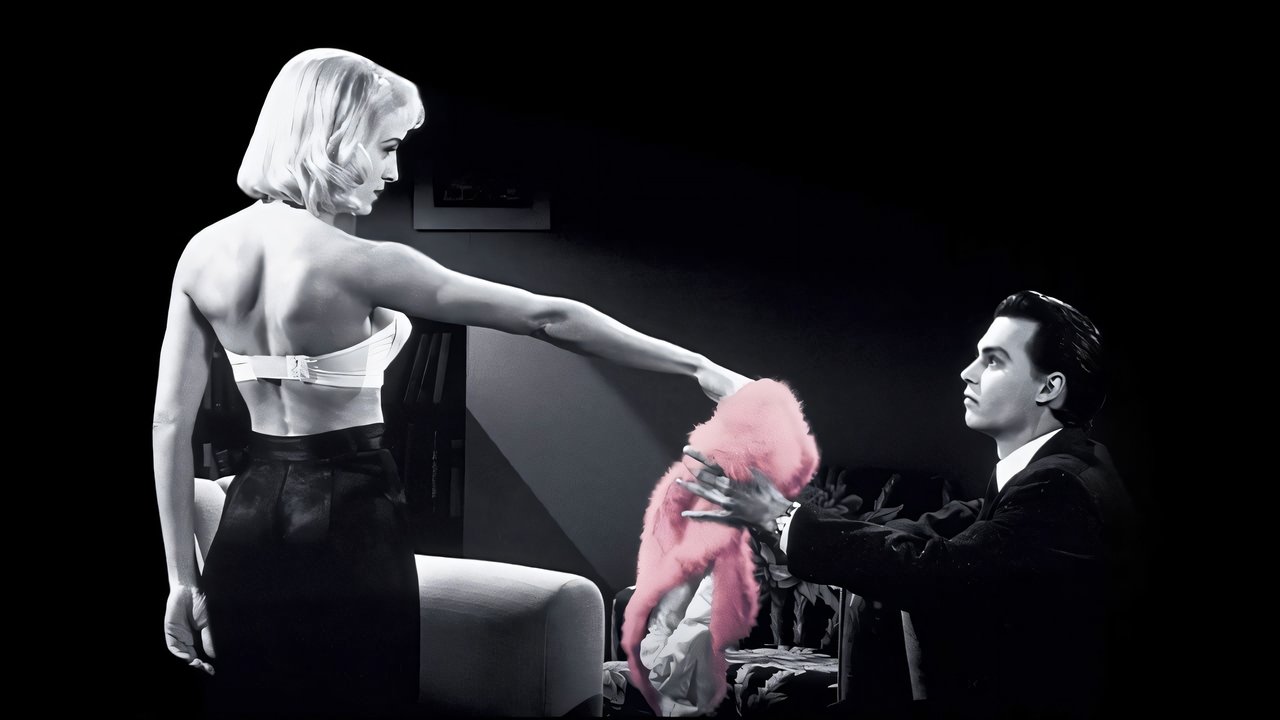
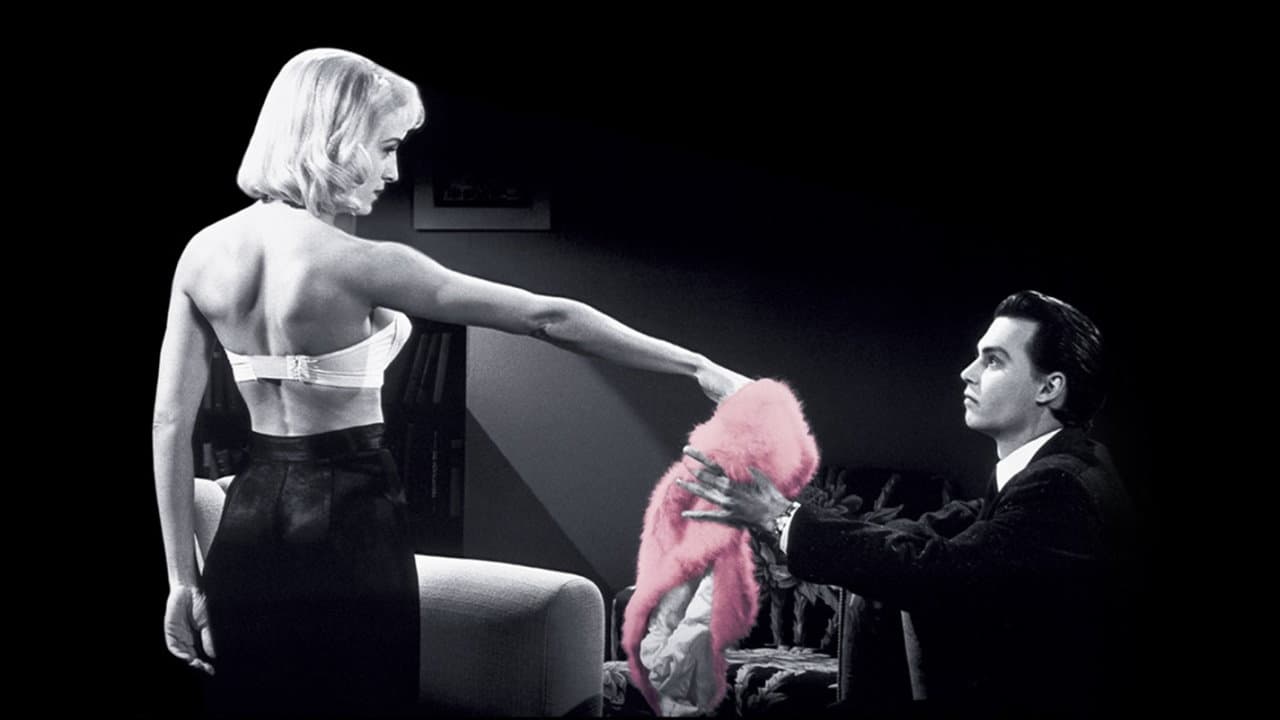
Tim Burton, collaborating brilliantly with writers Scott Alexander and Larry Karaszewski (who would later bring us The People vs. Larry Flynt (1996)), makes a crucial, inspired choice: shooting Ed Wood entirely in black and white. This wasn't just an aesthetic flourish; it was a statement. It immerses us in the visual language of the very 1950s B-movies Wood churned out, lending an atmospheric authenticity that color simply couldn't replicate. Cinematographer Stefan Czapsky crafts visuals that echo the stark contrasts and deep shadows of classic noir and horror, while simultaneously capturing the sunny, slightly seedy optimism of mid-century Hollywood's fringes. Reportedly, Burton had to fight studio executives at Columbia Pictures for the black-and-white approach, eventually taking the project (and a smaller $18 million budget) to Disney's Touchstone Pictures. This commitment, combined with Howard Shore's evocative score – replete with theremin warbles and dramatic stings reminiscent of 50s sci-fi – creates a perfect time capsule. Add Rick Baker's Oscar-winning makeup, especially on Landau, and the period recreation is immaculate.
### A Cast of Kindred Spirits
Surrounding Wood is his wonderfully strange constellation of collaborators and friends, a makeshift family of Hollywood outsiders. Bill Murray brings his trademark deadpan charm to Bunny Breckinridge, a wannabe transsexual navigating pre-Stonewall society with bewildered pronouncements. Sarah Jessica Parker captures the initial exasperation and eventual affection of Dolores Fuller, Wood's girlfriend-turned-leading-lady, while Patricia Arquette offers gentle support as Kathy O'Hara, the woman who accepts Ed, angora and all. Each member of Wood's troupe, from the hulking Tor Johnson (George 'The Animal' Steele) to the hilariously inept psychic Criswell (Jeffrey Jones), is portrayed not as a freak, but as part of a community bound by shared dreams and marginalization. Even the brief, almost mythical encounter with Orson Welles (Vincent D'Onofrio, uncanny in voice and presence) reinforces the film's central theme: the struggle and nobility inherent in pursuing one's artistic vision, regardless of scale or success.
### Finding Beauty in the "Worst"
What lingers most profoundly after watching Ed Wood isn't just the humor or the pathos, but its radical empathy. Burton refuses to judge his subject. Instead, he celebrates the sheer, unadulterated joy Wood found in making movies, however technically inept or narratively nonsensical they were. The film asks us: Is success measured solely by critical acclaim and box office returns? Or is there inherent value in the act of creation itself, in the passion poured into bringing a vision – any vision – to life? Despite critical raves, Ed Wood famously underperformed at the box office upon release, earning just under $6 million domestically. Yet, like Wood’s own films, it found its true audience later, becoming a beloved cult classic on VHS and DVD – a testament to its unique charm and enduring heart. I remember renting this tape, drawn by Burton and Depp, and being completely captivated by its unexpected warmth. It felt like discovering a secret handshake among film lovers.
Rating: 9/10
This score reflects the film's masterful blend of humor and heart, its impeccable craftsmanship (especially the B&W cinematography and score), and, above all, Martin Landau's unforgettable, Oscar-winning performance. Depp is perfectly cast, and Burton directs with unusual sensitivity and affection. It only misses a perfect score perhaps because its loving gaze occasionally smooths over some of the real Ed Wood's rougher edges, but this is clearly by design – it’s a tribute, not an exposé.
Ed Wood remains a unique gem in Tim Burton's filmography and a standout biopic of the 90s. It’s a film that reminds us that sometimes, the most beautiful stories aren't about achieving perfection, but about the glorious, messy, passionate pursuit of a dream, no matter how strange that dream might seem. Pull the strings!