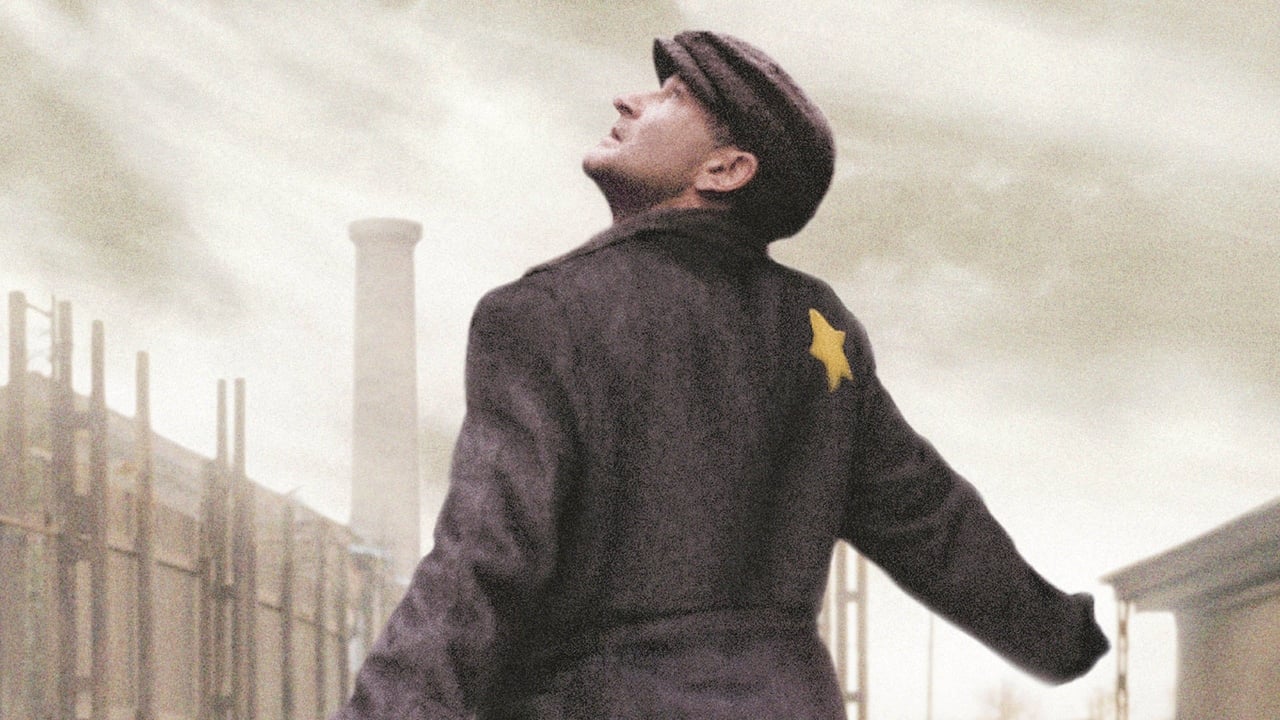
It begins with a single, accidental overhearing. A fragment of a radio broadcast, snatched from the ether within the tightly controlled confines of a Nazi-occupied Polish ghetto in 1944. For Jakob Heym, that fleeting connection to the outside world becomes the seed of a lie – a lie born not of malice, but of a desperate, perhaps foolish, desire to offer a sliver of hope to his despairing neighbors. Jakob the Liar, landing on video store shelves just as the millennium turned, carries the weight of this premise, asking us to consider the fragile power, and profound burden, of manufactured optimism in the face of annihilation.
The Whispered Radio
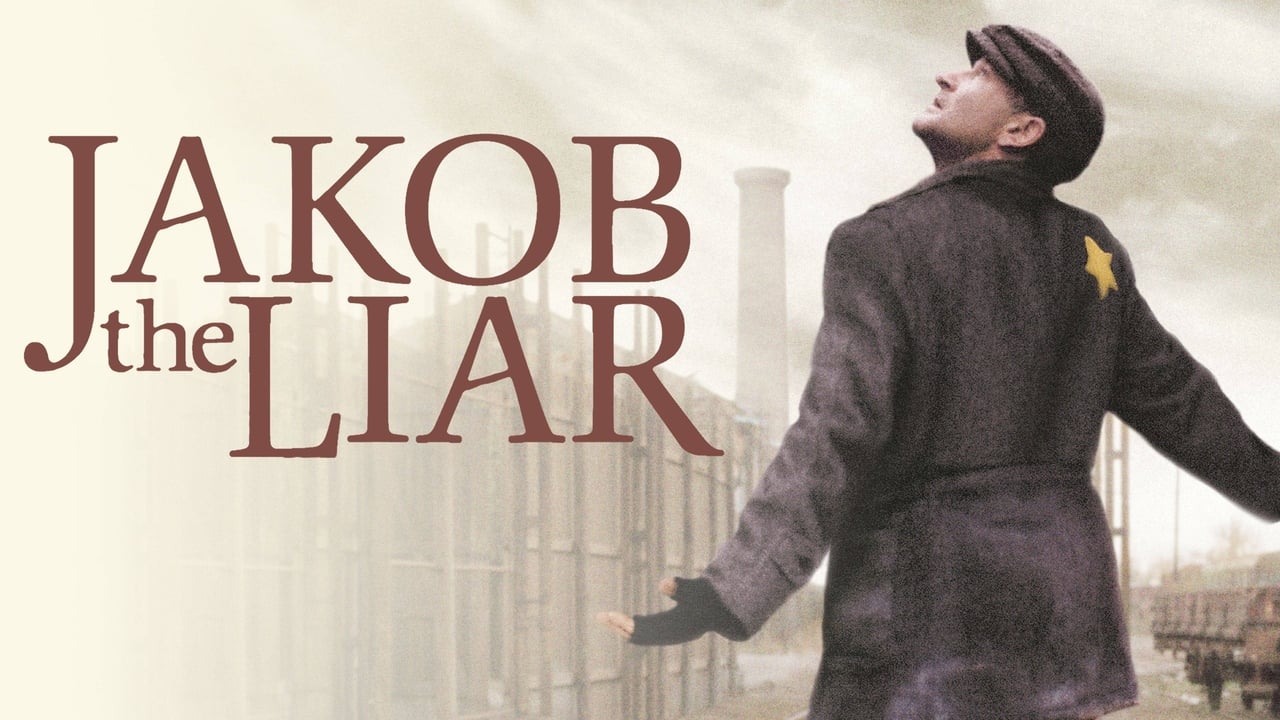
Director Peter Kassovitz paints the ghetto with appropriately muted, oppressive tones. There's a pervasive sense of damp chill and decaying grandeur, the claustrophobia palpable even on a flickering CRT screen. Into this bleak landscape steps Robin Williams as Jakob, a former café owner stripped of everything but his weariness. The core narrative unfolds simply: Jakob claims to possess a hidden radio, feeding snippets of invented good news about advancing Allied forces to rekindle the starved spirits around him. This single fabrication ripples outwards, touching characters like the pragmatic, skeptical actor Mischa (Liev Schreiber), the heartbroken Professor Kirschbaum (Armin Mueller-Stahl), and Jakob’s steadfast friend Kowalsky (Bob Balaban). The film explores how this fragile hope, however false its foundation, momentarily changes the emotional temperature of a place suffocating under fear.
Robin Williams and the Shadow of Sentimentality
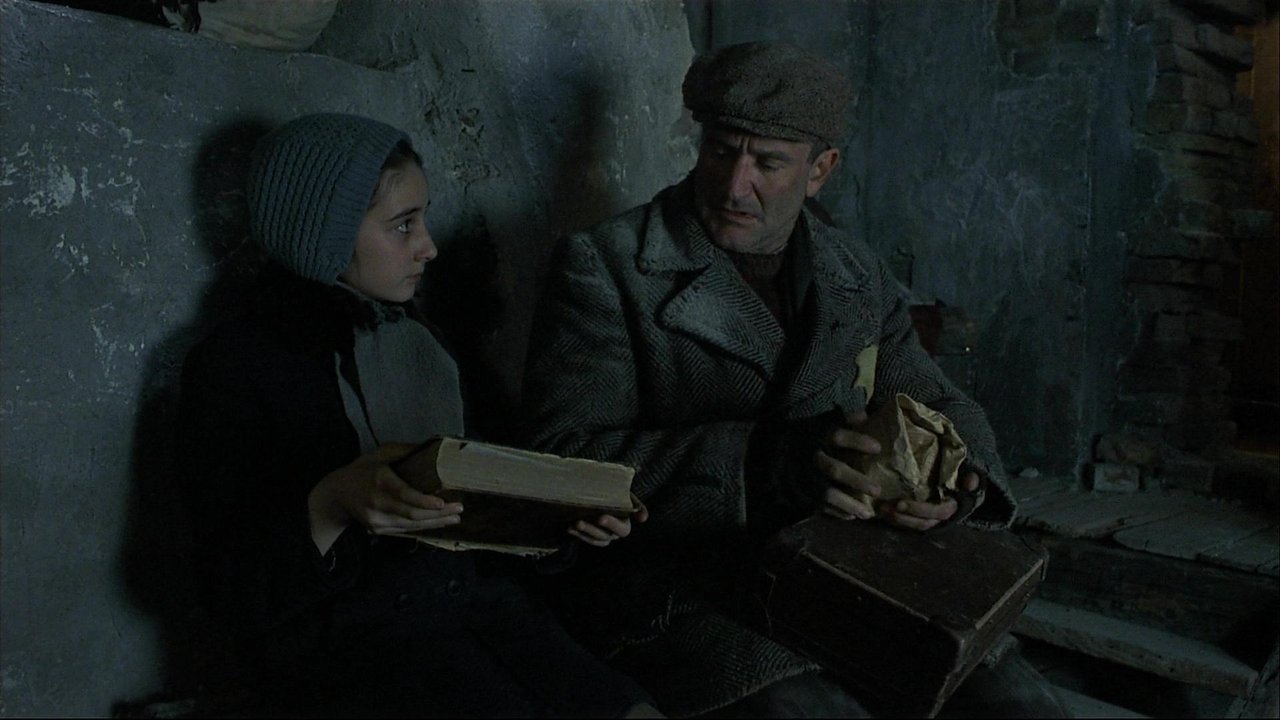
Seeing Robin Williams in this role in 1999 felt like part of a deliberate chapter in his career, following his Oscar win for Good Will Hunting (1997) and the visually rich but emotionally heavy What Dreams May Come (1998). He was actively stretching beyond the manic comedy that defined him for so long. In Jakob, Williams carries a profound sadness in his eyes, a quiet desperation that feels authentic. He dials back his usual effervescence, aiming for a portrayal rooted in exhaustion and a weary sense of responsibility for the hope he’s unleashed. Yet, the performance occasionally teeters on the edge of becoming overly sentimental, a danger inherent in the material itself. It's a tightrope walk, and while Williams largely maintains his balance, there are moments where the film’s inherent sweetness feels at odds with the horrifying backdrop. Does his inherent screen persona sometimes peek through too strongly, making the grim reality feel momentarily softened? It's a question that likely divides viewers even today.
Echoes of the Original and a Personal Story
It’s impossible to discuss this film without acknowledging its origins. This is a remake of the 1975 East German film Jakob der Lügner, which itself was based on the novel by Jurek Becker. Becker, a Holocaust survivor whose own childhood was spent in ghettos and concentration camps, co-wrote the screenplay for this 1999 version shortly before his death in 1997. Knowing Becker's direct, devastating personal connection adds a layer of profound poignancy. His story wasn't just imagined; it was born from lived trauma. The original German film was nominated for the Best Foreign Language Film Oscar, and many felt it captured a rawer, less Hollywood-polished tone. This remake, arriving just two years after Roberto Benigni's Life is Beautiful (1997) explored similar themes of finding light in darkness during the Holocaust (and won Oscars for its trouble), inevitably faced comparisons and perhaps suffered for it, struggling to find its own distinct voice amidst the acclaim for Benigni’s fable. Filmed on location in Piotrków Trybunalski, Poland, and Budapest, Hungary, the production aimed for authenticity in its setting, yet the narrative choices sometimes soften the edges that the original reportedly retained.
The Weight of Hope
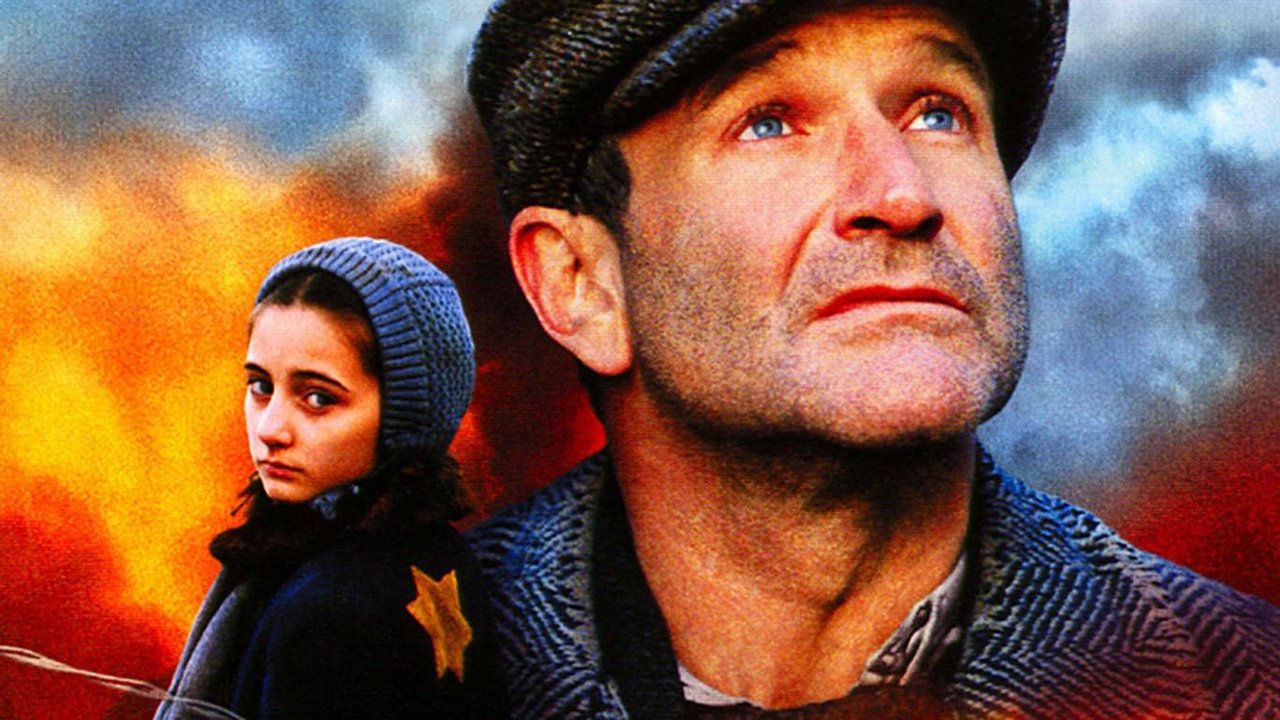
Supporting players like the ever-reliable Alan Arkin as the pragmatic Frankfurter and Bob Balaban as the loyal Kowalsky provide grounding counterpoints to Jakob’s escalating predicament. They represent the community grappling with this newfound, possibly dangerous, hope. Does knowing the Russians might be near make the present suffering easier, or harder, to bear? The film poses this question effectively. The lie becomes a living entity, demanding constant upkeep, forcing Jakob into increasingly risky improvisations. It highlights a fundamental human need: the need for narrative, for a story that promises a future, even when reality offers none. One particularly memorable detail often shared is that Williams, known for his improvisational genius, largely stuck to the script, feeling the weight and specificity of Becker's story demanded adherence rather than comedic riffs.
Despite its earnest intentions and Williams' committed performance, Jakob the Liar didn't quite connect with audiences or critics upon release. It grossed only around $5 million domestically against a reported $45 million budget (a significant sum for a drama of this nature then), and Williams even received a Razzie nomination for Worst Actor – a stark contrast to the Oscar buzz surrounding Life is Beautiful. Perhaps the timing was wrong, or perhaps the blend of tragedy and engineered hope felt less organic than intended.
A Flawed Beacon
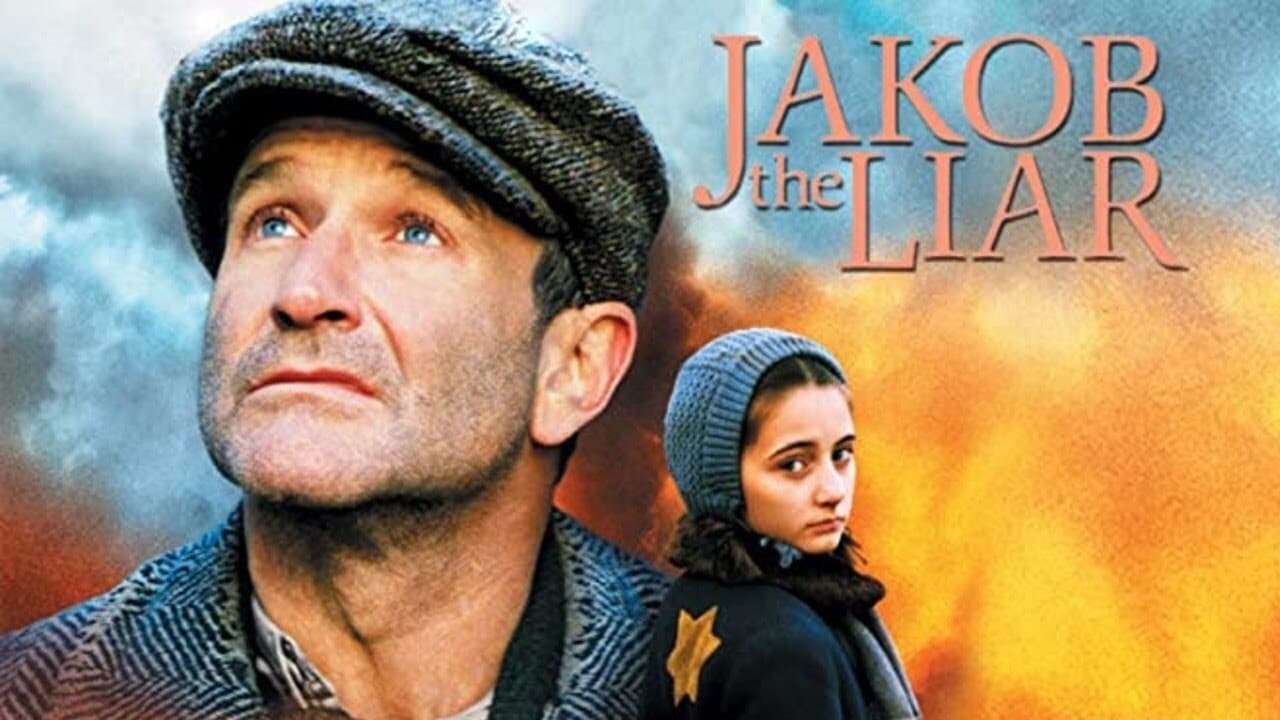
Jakob the Liar is a film wrestling with profound ideas: the ethics of deception for the greater good, the sustenance derived from hope, however illusory, and the enduring human spirit in the bleakest of circumstances. Robin Williams delivers a sincere, often moving performance, embodying the crushing weight of being the sole bearer of false light. The connection to Jurek Becker's life grants the story undeniable gravity. However, the film sometimes struggles tonally, caught between the grim reality of the Holocaust and a more accessible, somewhat sentimental narrative approach that feels characteristic of late-90s Hollywood dramas aiming for broader appeal. It doesn't quite possess the raw power of its predecessor or the unique tonal alchemy of Life is Beautiful. Renting this on VHS back in the day, perhaps expecting another Williams triumph, might have led to a more complicated, muted viewing experience than anticipated.
Rating: 5/10
This score reflects a film with noble intentions, a committed central performance, and a poignant real-life backstory that are ultimately hampered by tonal inconsistencies and an approach that feels somewhat sanitized compared to the subject matter's horrifying reality. It attempts something difficult but doesn't fully succeed, leaving one feeling respect for the effort rather than deep emotional resonance.
What lingers most isn't necessarily the fabricated hope within the film, but the question of how we, removed by time and circumstance, choose to remember and represent such incomprehensible darkness. Jakob the Liar offers one answer, flawed perhaps, but born from a genuine desire to find humanity amidst the horror.