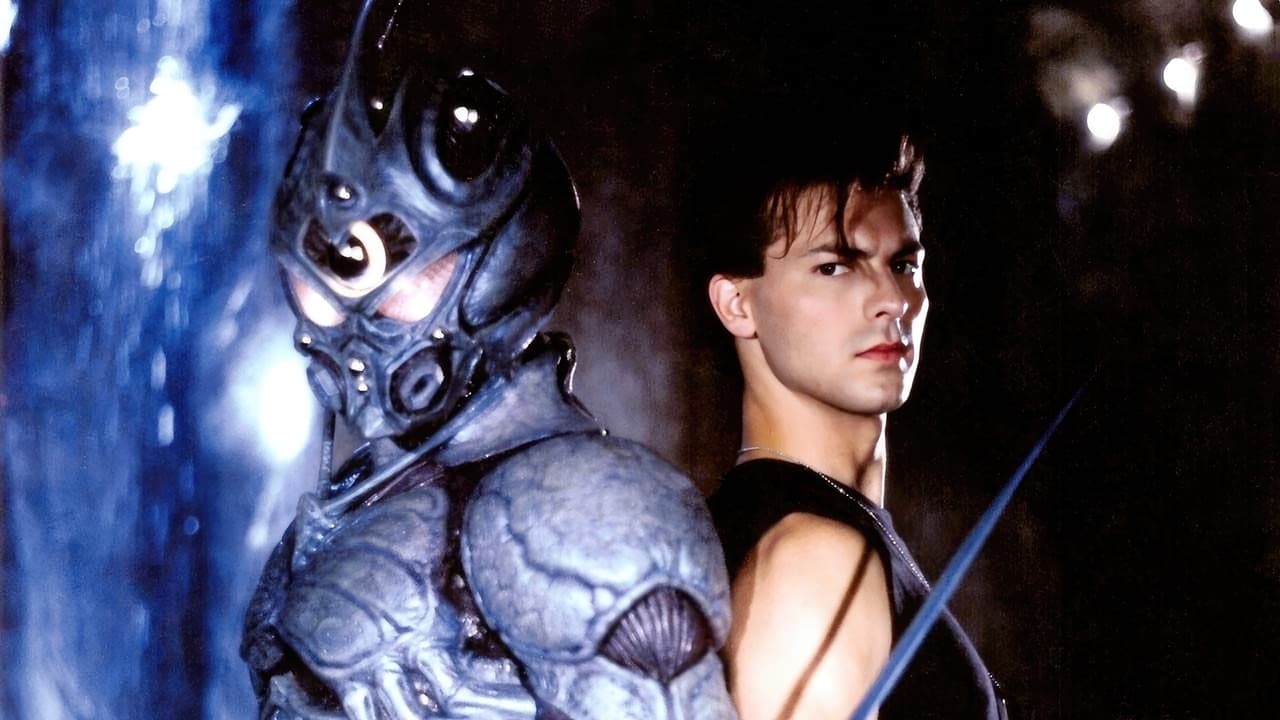
Okay, settle in. Dim the lights. Remember that feeling? The one where you stumble upon a movie, maybe late at night on some forgotten cable channel or tucked away in the 'Action/Sci-Fi' aisle of the video store, and it just… hits differently? It’s darker, stranger, more brutal than you expected. That’s the spectral energy humming off the tape for Guyver: Dark Hero. Forget the campy, almost apologetic tone of its 1991 predecessor. This 1994 sequel plunges headfirst into the shadows, delivering the visceral, bio-mechanical body horror and furious action fans of the original Japanese source material always craved.
A True Vision, Unleashed
The shift in tone isn't accidental. It’s the direct result of putting the reins firmly in the hands of someone who got it: Steve Wang. Wang, a creature effects maestro with credits like Predator (1987) and Monster Squad (1987) already under his belt, had co-directed the first Guyver film (though often uncredited) and was reportedly deeply unsatisfied with the studio interference that softened its edges. Given a second chance and significantly less studio oversight (albeit with a tighter budget, rumored to be around $1.5 million), Wang seized the opportunity to craft his Guyver movie. It’s a testament to passion filmmaking, a gritty love letter to practical effects and the darker side of heroism, shot largely in the distinctive Vasquez Rocks area of California, familiar from countless Star Trek episodes and films.
Out of the Shadows, Into the Fray
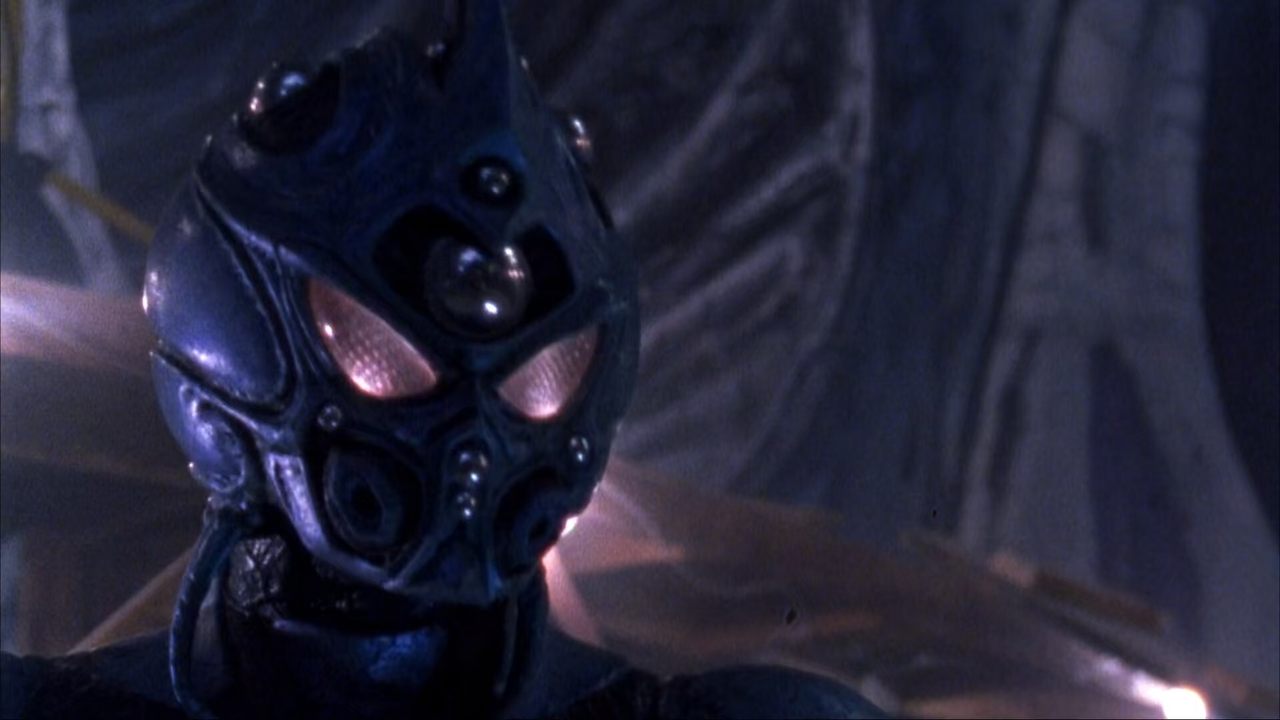
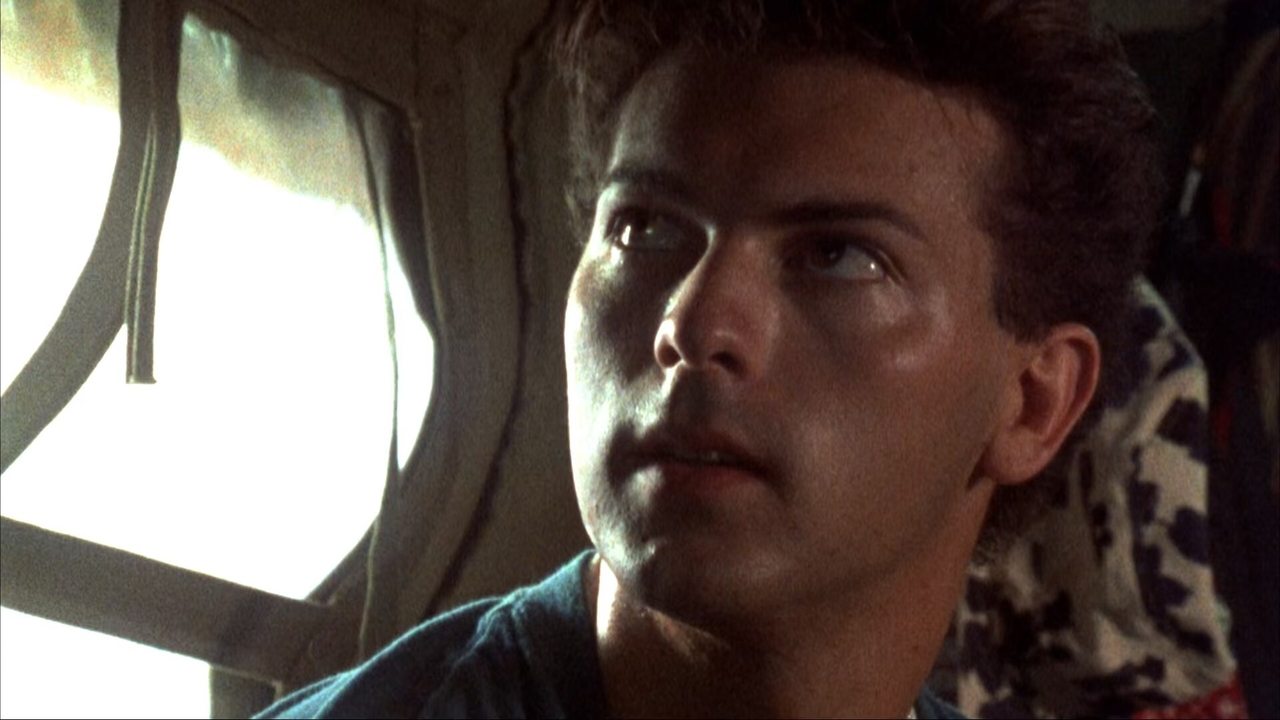
We meet Sean Barker again, now played by a pre-Solid Snake David Hayter, who brings a weary intensity to the role. He's haunted by the alien bio-armor fused to his being, struggling to control its violent impulses while plagued by nightmares of the alien creators (the "Zoanoids") and their monstrous experiments. Hayter himself, a self-professed fan of the source material, stepped into the role vacated by Jack Armstrong, offering a more grounded and internally conflicted portrayal. This isn't a superhero relishing his powers; it's a man burdened by an invasive, lethal technology he barely understands, searching for answers at a mysterious archaeological dig site in Utah.
The Glory of Latex and Gore
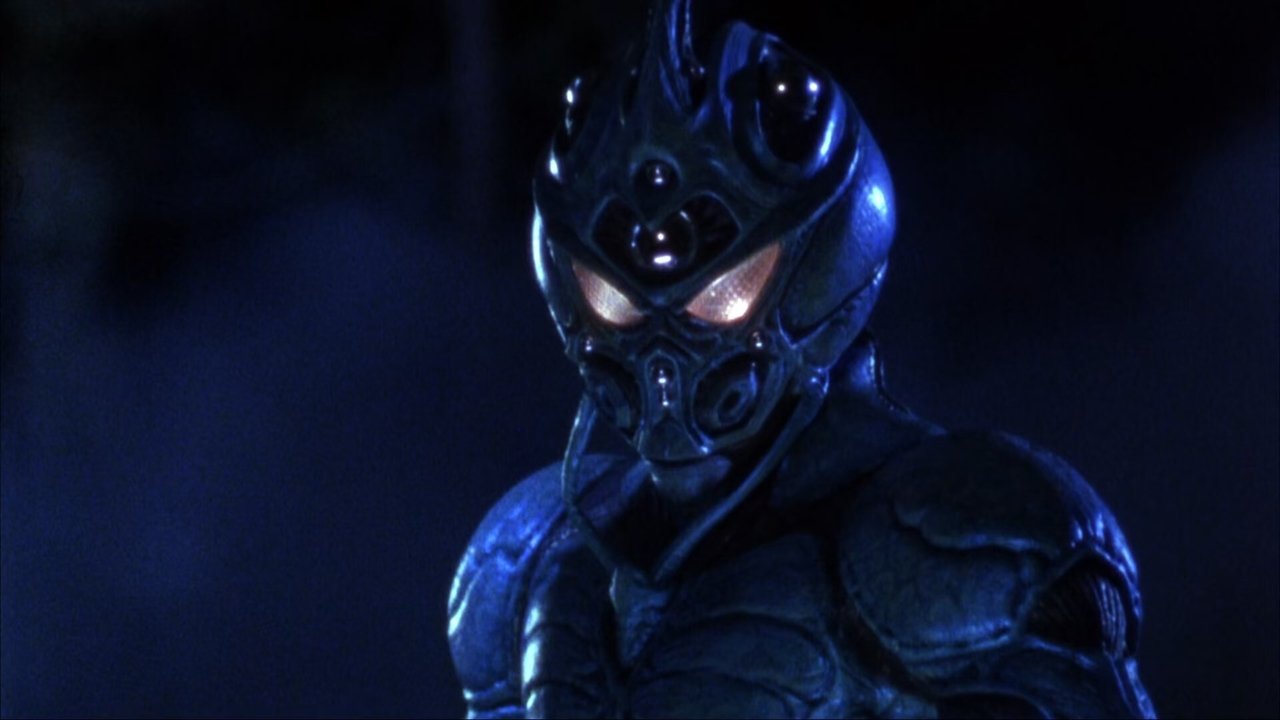
Let’s be honest, the star here is the spectacle. Steve Wang didn’t just direct; he poured his creature-crafting soul into this film. The practical effects work in Guyver: Dark Hero is simply outstanding for its era and budget. The Guyver suit itself is sleeker, more menacing, closer to Yoshiki Takaya's original manga designs. But it’s the Zoanoids that truly shine – grotesque, imaginative, and wonderfully tangible monstrosities brought to life through intricate puppetry, makeup, and suitmation. Remember the palpable weight and texture these creatures had on screen, especially on a fuzzy CRT? The fight choreography, often featuring Wang himself performing stunts inside the creature suits due to budget constraints, is brutal and kinetic. Forget the rubbery punches of the first film; here, claws tear flesh, sonic emitters blast foes apart, and the Guyver’s signature Mega-Smasher feels genuinely devastating. This commitment to practical, often gruesome, detail is what cements Guyver: Dark Hero as a standout example of 90s creature feature craftsmanship. Did any particular Zoanoid design stick with you long after the credits rolled? That towering, multi-armed beast perhaps?
More Than Just Monsters
While the action and effects are the main draw, the film makes a genuine effort to expand the Guyver lore. The plot delves into the origins of the Guyver unit and the Zoalords, weaving a narrative thread about ancient astronauts and genetic manipulation that feels ripped straight from the pages of the manga. It adds a layer of cosmic horror and mythos that the first film largely ignored. Kathy Christopherson as Cori, the headstrong archaeologist, and Bruno Patrick as Agent Atkins provide solid support, grounding the more fantastical elements. The narrative might be straightforward action/investigation fare, but it serves its purpose: setting the stage for increasingly elaborate and intense confrontations. It respects its audience's desire for both monstrous mayhem and a sense of a larger, unfolding story.
A Cult Legacy Forged in Latex
Guyver: Dark Hero wasn't a blockbuster. It was a direct-to-video release, destined for the shelves of discerning video hounds and late-night cable surfers. Yet, its reputation has only grown over the years. It stands as a prime example of a sequel drastically improving upon its predecessor by embracing the source material's true spirit. It’s darker, more violent, and infinitely more satisfying for fans who wanted the real Guyver. Finding a copy back in the day felt like uncovering a hidden gem, a secret handshake among those who appreciated its uncompromising vision and stunning practical effects. It’s a film made by fans, for fans, pulsing with the raw energy of 90s genre filmmaking before CGI smoothed over all the wonderfully monstrous edges.

VHS Heaven Rating: 8/10
This score reflects Guyver: Dark Hero's success on its own terms. It’s a significant improvement over the original, boasting incredible practical effects, brutal action, and a tone far truer to the beloved manga/anime. David Hayter delivers a solid performance, and Steve Wang's direction and creature work are phenomenal given the budget. It might lack the polish of bigger studio pictures, and the plot is fairly standard action fare, but its commitment to visceral, tangible creature horror and lore expansion makes it a standout cult classic of the VHS era.
It remains a potent shot of 90s sci-fi action nostalgia – a reminder of a time when monsters felt genuinely physical and superhero stories could embrace the darkness without apology. Fire it up again; the bio-armor still gleams menacingly in the flickering cathode ray glow.