It’s a strange thing, isn’t it, how some images from a film burrow under your skin and stay there? For me, with Peter Jackson’s 1994 masterpiece, Heavenly Creatures, it’s the swirling, ecstatic energy of two teenage girls lost in a world entirely of their own making, juxtaposed against the crushing, grey conformity of 1950s Christchurch, New Zealand. Watching it again after all these years, that feeling hasn't faded – the unsettling blend of vibrant fantasy and impending, horrifying reality. This wasn't your typical Friday night rental back in the day; finding this tape felt like unearthing something potent, something that demanded more than just casual viewing.
A World Built for Two
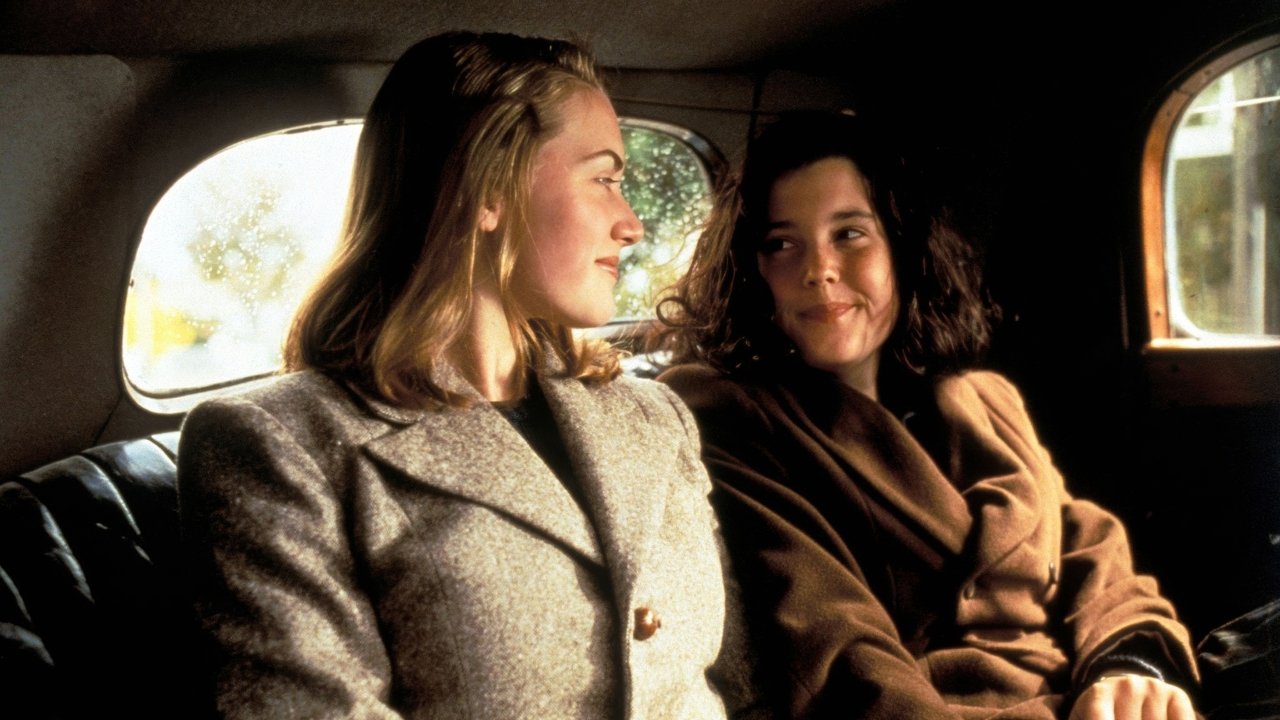
Based on the chillingly true Parker-Hulme murder case of 1954, the film immerses us in the intense, obsessive friendship between Pauline Parker (Melanie Lynskey) and Juliet Hulme (Kate Winslet). Pauline, brooding and intense, comes from a working-class background, feeling stifled and misunderstood. Juliet, newly arrived from England, is vivacious, imaginative, but also battling illness and perceived parental neglect. Their connection is immediate, electric, a lifeline in a world that feels alienating to both. They bond over their shared disdain for authority, their health struggles, and, most significantly, their incredibly rich, shared fantasy life – the ‘Fourth World’, populated by clay figures, elaborate royalty (the Borovnians!), and passionate narratives that bleed into their everyday existence.
It’s this potent inner world that Peter Jackson, along with co-writer (and future partner) Fran Walsh, brings to life with such startling creativity. Jackson, known then primarily for his low-budget Kiwi splatter-fests like Bad Taste (1987) and Braindead (1992 – released as Dead Alive in North America), channeled his manic energy not into gore (though the finale is undeniably brutal), but into visualizing the girls' intoxicating fantasies. We see their beloved clay figures animate, knights ride through surreal landscapes, and the world warp according to their heightened emotions. This was an early showcase for Weta Digital, the effects house Jackson co-founded, hinting at the grand scale epics that lay in his future. What's remarkable is how these fantastical sequences never feel like mere escapism; they are intrinsically linked to the girls' psychological state, becoming more desperate and consuming as the outside world threatens to tear them apart. Jackson and Walsh reportedly pored over Pauline’s actual diaries, grounding even the most outlandish fantasy elements in the authentic voice of teenage obsession.
Lightning in a Bottle: Debut Performances
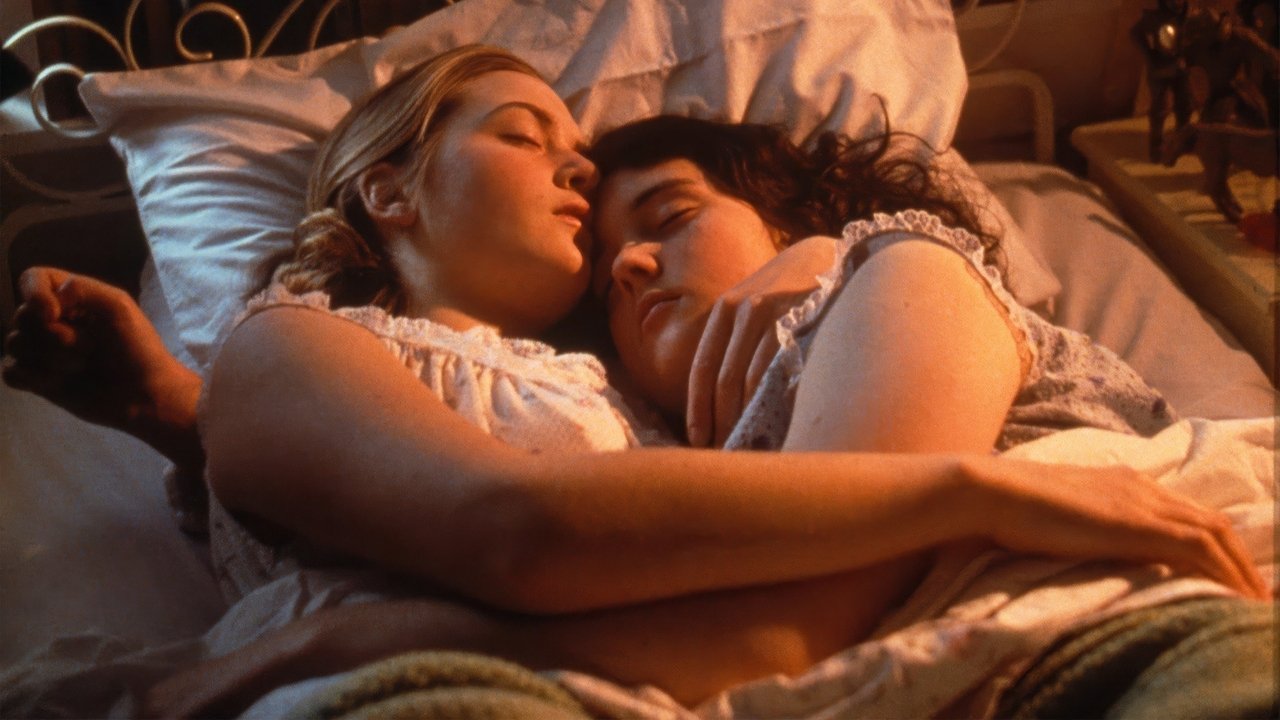
The film rests squarely on the shoulders of its two young leads, both making their feature film debuts. And what debuts they were. Melanie Lynskey is simply astonishing as Pauline. She captures the simmering resentment, the fierce loyalty, the quiet intensity, and the terrifying resolve of a young woman convinced of her own righteousness. You see the vulnerability beneath the hardened exterior, making her eventual actions feel both shocking and tragically inevitable.
And then there's Kate Winslet. Bursting onto the screen with an almost overwhelming charisma, she embodies Juliet’s precocious intellect, aristocratic confidence, and desperate need for connection. Winslet navigates Juliet’s emotional swings – from giddy highs to manipulative lows – with a maturity far beyond her years. The chemistry between Lynskey and Winslet is palpable, utterly convincing as an exclusive, all-consuming bond that transcends friendship and spirals into dangerous codependency. Finding these two actresses was apparently a monumental task, involving extensive casting calls across New Zealand and Australia, but Jackson struck gold. Their raw, fearless performances are the pulsating heart of the film. We also shouldn't overlook Sarah Peirse as Pauline's mother, Honora, whose weary pragmatism and eventual tragic fate provide a devastating counterpoint to the girls' flights of fancy.
Beyond the Fantasy: A Troubling Reality
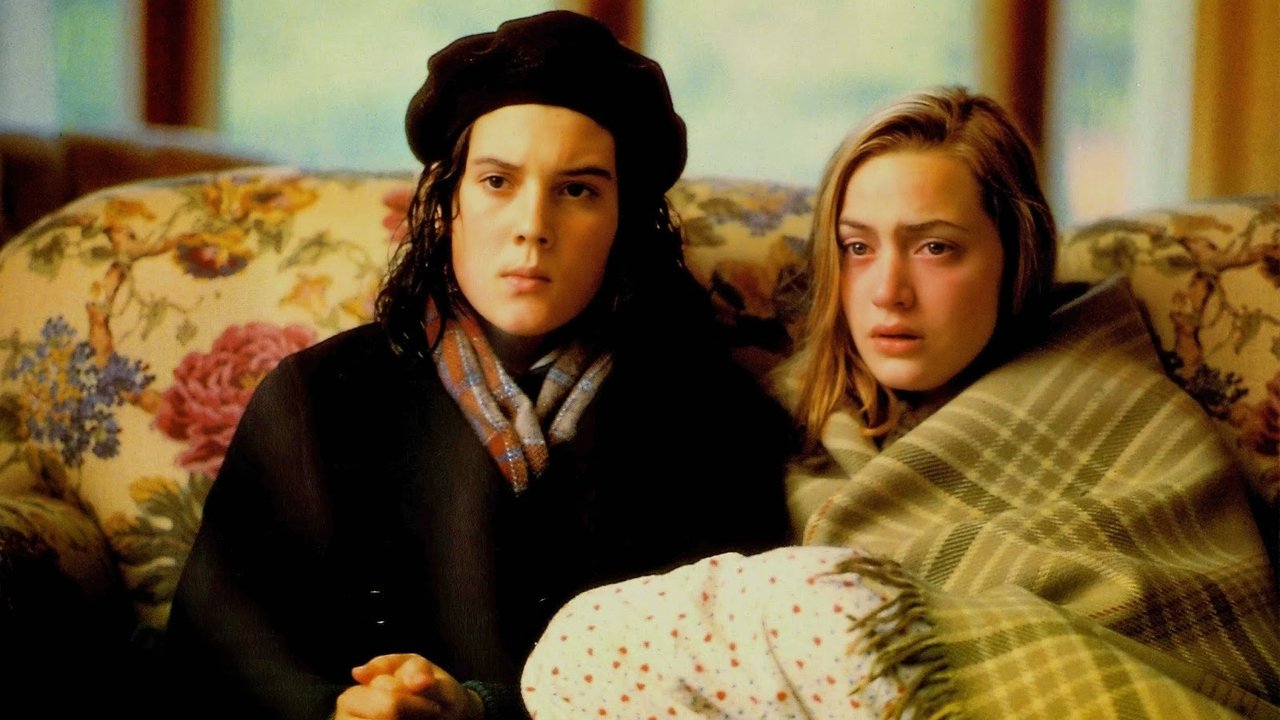
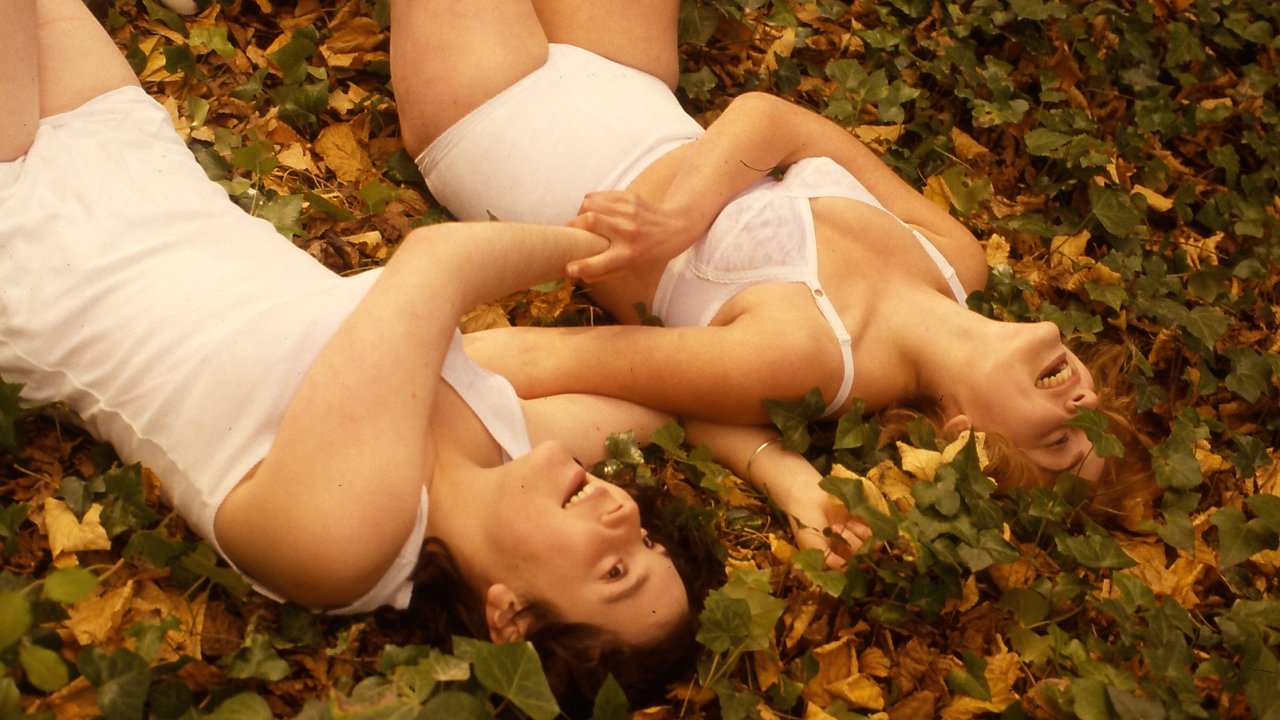
While the fantasy elements are visually striking, Jackson never lets us forget the grim reality underpinning the story. He uses canted angles, swirling camera movements, and operatic musical cues (particularly Mario Lanza, an obsession of the girls) to reflect their increasingly distorted perception, but the starkness of their homes, the oppressive school environment, and the judgmental adult world are ever-present. The film doesn’t shy away from the darker aspects of their relationship – the intensity that borders on folie à deux, the escalating defiance, and the chilling detachment with which they plan the unthinkable when separation looms.
Interestingly, the film earned Jackson and Walsh an Academy Award nomination for Best Original Screenplay, a significant leap into mainstream critical acceptance. Despite its roughly $5 million budget, it became an arthouse sensation, though its disturbing subject matter undoubtedly kept it from wider commercial success initially. It forced viewers to confront uncomfortable questions about the nature of imagination, the intensity of adolescent bonds, and the devastating consequences when fantasy fatally collides with reality. It remains a talking point even today, particularly given the later revelation that Juliet Hulme grew up to become the successful crime novelist Anne Perry, a fact that adds another layer of unsettling resonance.
Rating and Final Thoughts
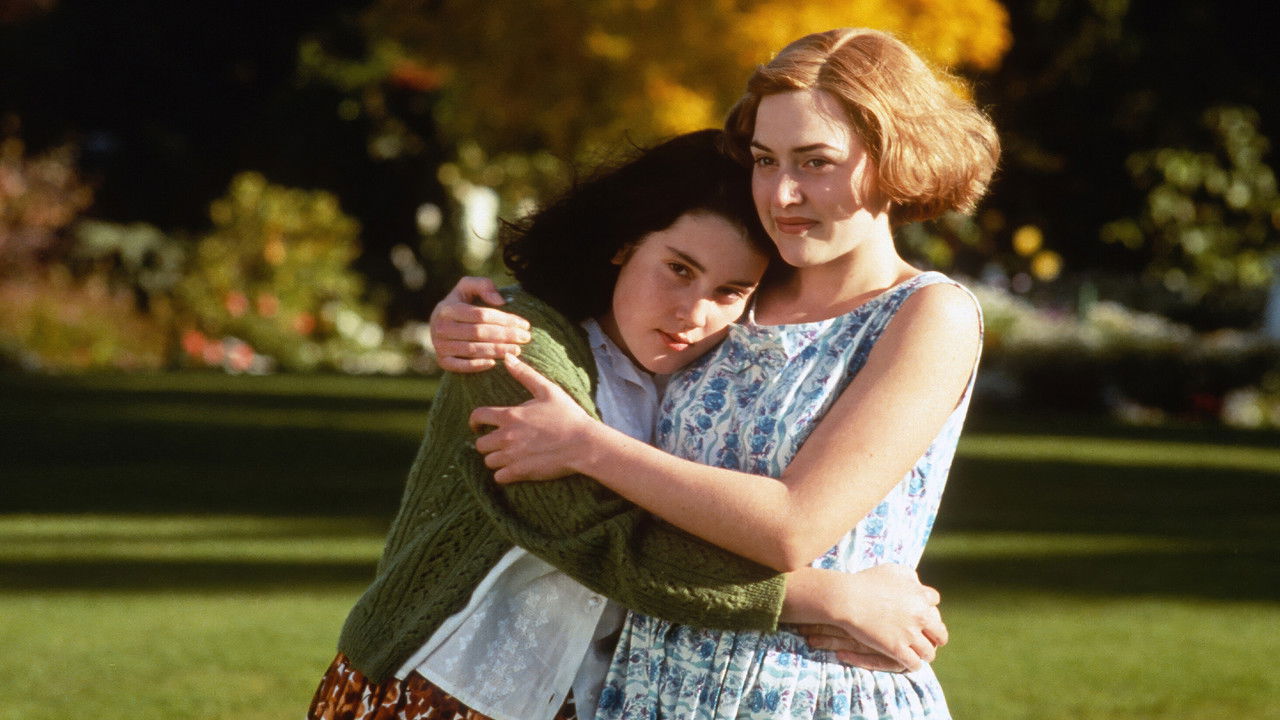
Heavenly Creatures is not an easy watch. It’s beautiful, inventive, and deeply disturbing. It’s a film that gets under your skin precisely because it refuses easy answers. Jackson masterfully balances empathy for the girls' isolation with horror at their actions, creating a complex psychological portrait rather than a simple true crime narrative. The performances from Lynskey and Winslet are, without exaggeration, two of the finest screen debuts of the 90s. It’s a film that demonstrates the power of cinema to explore the darkest corners of the human psyche with artistry and profound unease.
Rating: 9/10
This rating reflects the film's exceptional craft, the powerhouse performances, its daring approach to difficult subject matter, and its lasting impact. It’s a near-perfect execution of a deeply unsettling story. Renting this back in the VHS days felt like discovering a secret – a film far removed from the usual blockbuster fare, one that lingered long after the tape ejected, leaving you contemplating the fragile line between creative escape and devastating delusion. What happens when a world built for two becomes the only one that matters? Heavenly Creatures offers a haunting, unforgettable exploration of that very question.