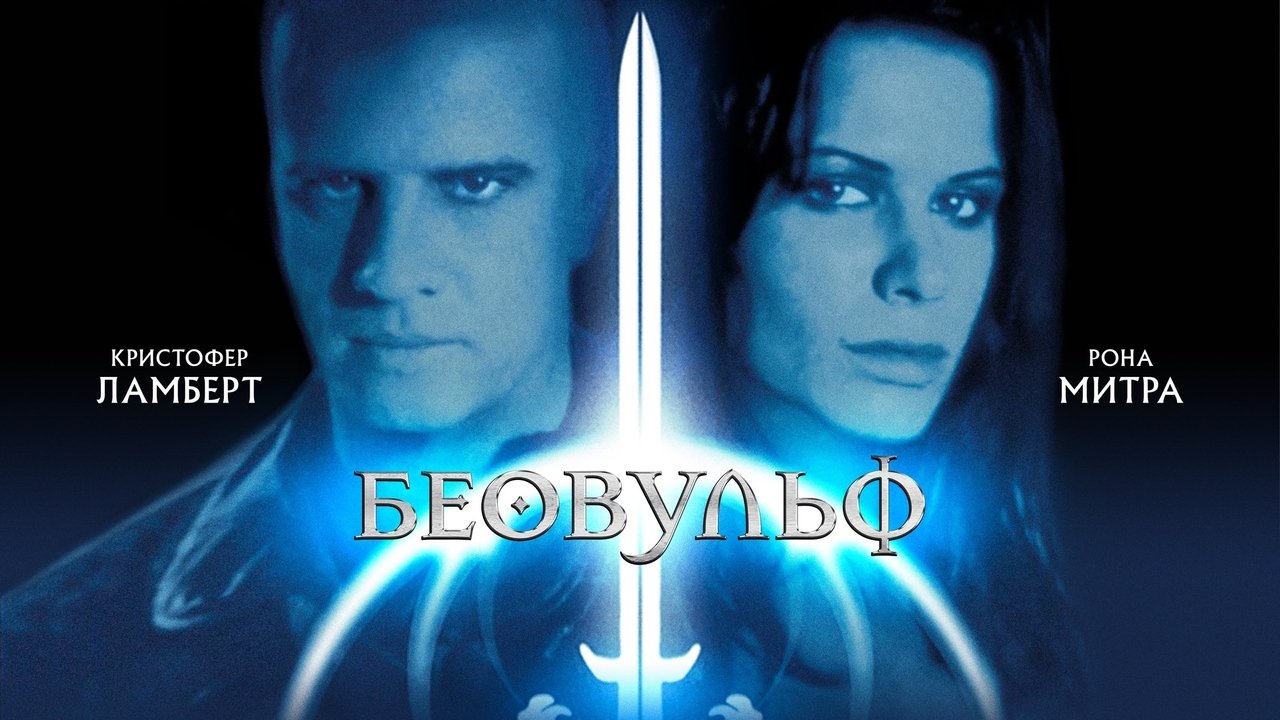
Steel shrieks against something ancient. Not the clang of medieval broadswords, but the harsh grate of industrial metal somewhere deep in a rain-lashed, perpetually dark fortress. This isn't the mead-hall of Hrothgar your high school English teacher told you about. This is 1999's Beowulf, a film that slams the gas pedal on the oldest story in the English language and drives it straight into a post-apocalyptic techno-rave future nobody asked for, but some of us weirdly remember finding on a dusty video store shelf. It’s the kind of film that felt beamed in from another dimension late one Friday night, leaving you wondering if the static on the CRT was part of the intended atmosphere.
Forged in Fire and Fog Machines
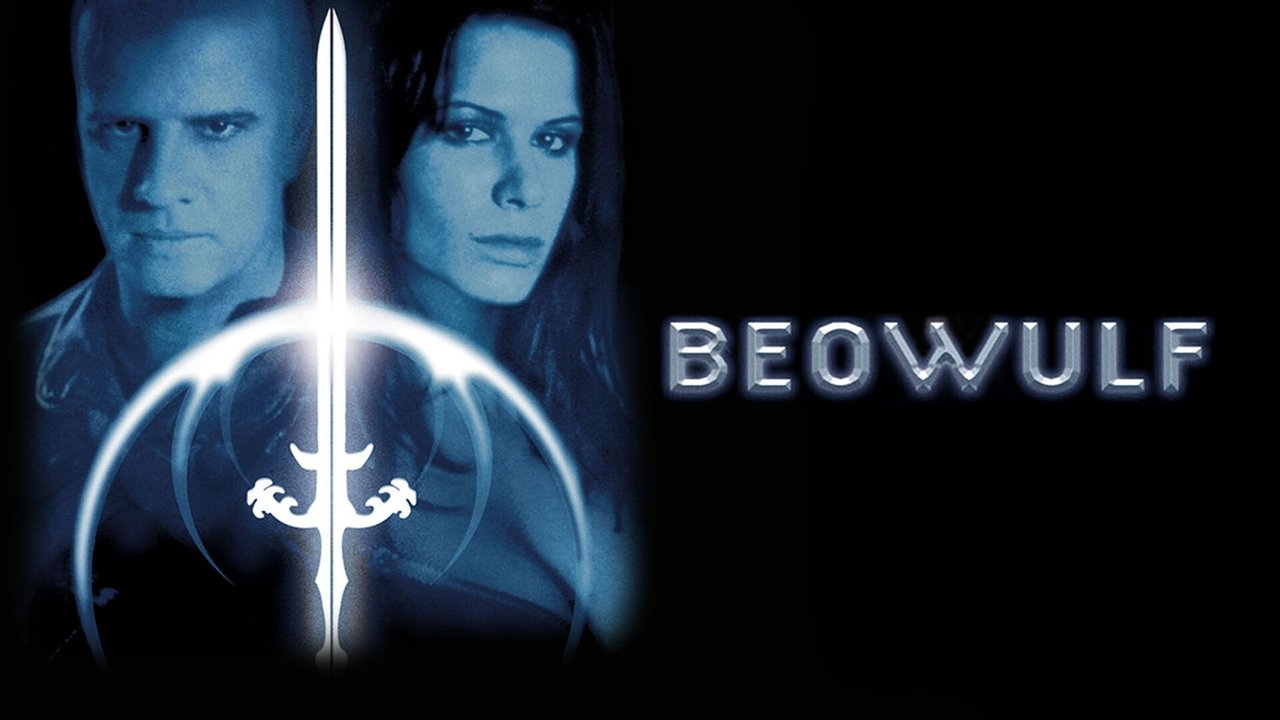
Right from the outset, director Graham Baker (who gave us the surprisingly solid Alien Nation (1988)) establishes a mood thick with grime and synthesizer pulses. The setting isn't merely dark; it’s oppressive. A lone, heavily fortified outpost stands against... well, something monstrous, shrouded in mist and implication. The production design leans heavily into a sort of techno-medieval aesthetic – lots of leather, improbable weaponry, flickering monitors displaying cryptic readouts, and architecture that looks like a medieval castle designer got really into Nine Inch Nails. It's ambitious, creating a unique visual world on what was clearly not a blockbuster budget (reportedly around $20 million, which even in '99 wasn't vast for this scope). Much of the filming took place in Romania, leveraging atmospheric, albeit likely cost-effective, locations to build this strange hybrid world.
The Wanderer with Questionable Hair
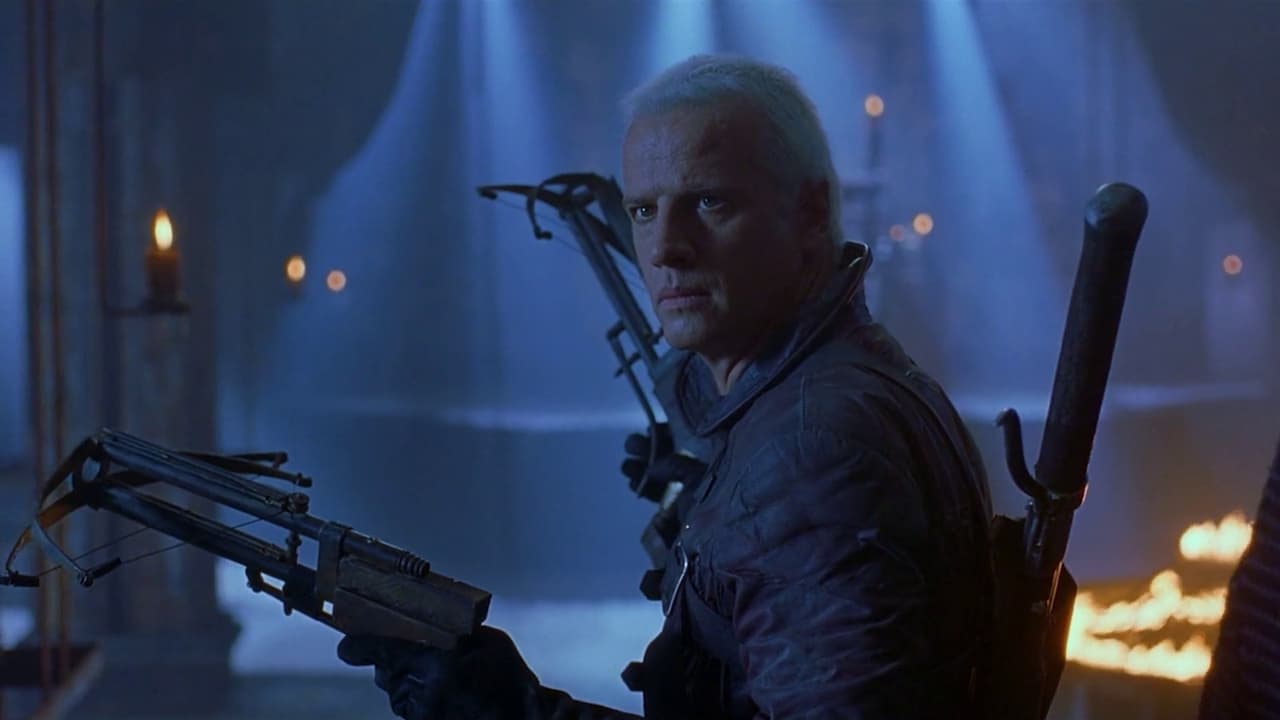
Into this gloom strides Christopher Lambert, embodying the titular hero not as a boastful Viking warrior, but as a brooding, trench-coated ronin-type with bleached hair and an air of weary detachment. Lambert, forever etched in our minds as Connor MacLeod from Highlander (1986), brings his signature raspy whisper and intense stare. Is he good here? He's certainly present, radiating the kind of stoic cool that made him a B-movie action staple. He utters lines like "I am the Darkness that destroys the Darkness" with the gravity of a man ordering a particularly complex coffee. There's a legend, perhaps apocryphal but entirely believable, that Lambert intensely disliked the wig he had to wear, adding another layer to his on-screen brooding. He does the requisite somersaults and swordplay (often involving a bizarre double-bladed weapon), fulfilling the action quota demanded by the era's straight-to-video market.
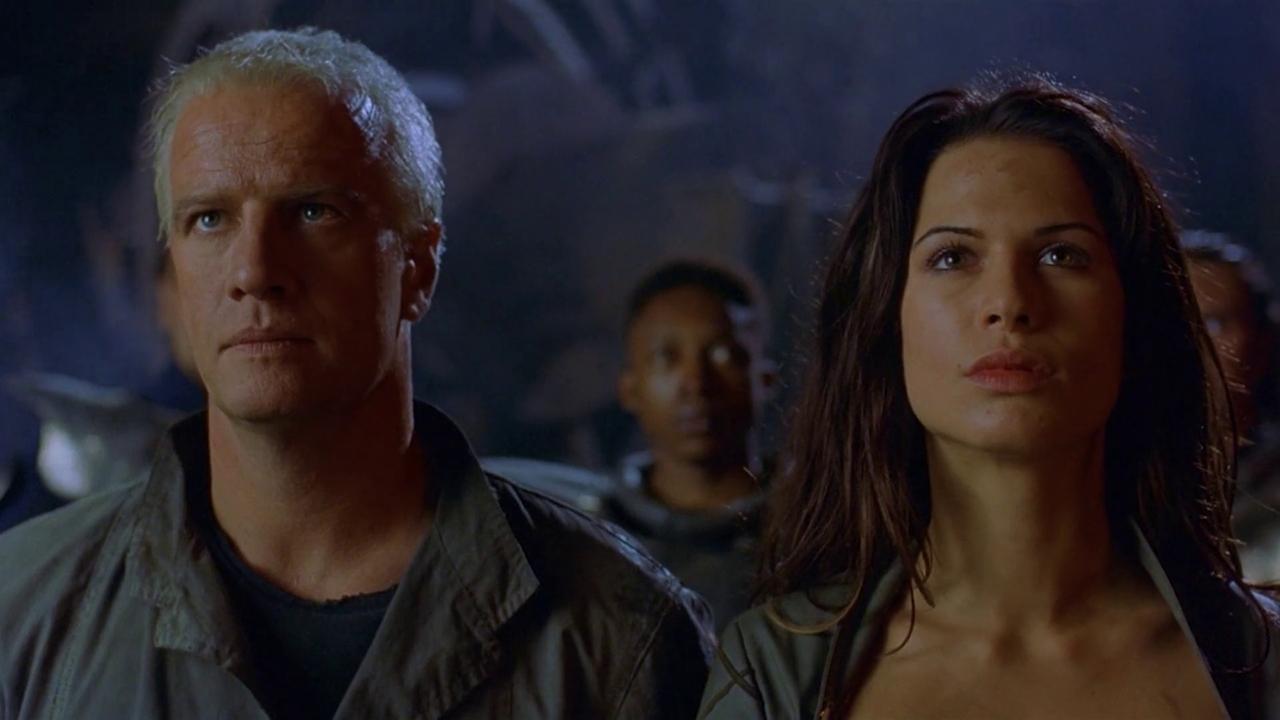
Opposite him, Rhona Mitra plays Kyra, the daughter of the besieged Lord Hrothgar (Oliver Cotton). Mitra, who would later carve out her own niche in action and genre roles (Underworld: Rise of the Lycans), provides a capable and fierce presence, thankfully more than just a damsel in distress. She holds her own against the gloom and the creature, even if the script doesn't always give her the deepest material to work with. Their chemistry is… functional, overshadowed by the relentless atmospheric assault and the looming threat.
Grendel Goes Digital (Sort Of)
Ah yes, the threat. Grendel. Here, the monster isn't just a beast; it's an entity born of Hrothgar's past sins, a shape-shifting presence that manifests as both terrifyingly physical and psychologically invasive. The film blends practical effects with the burgeoning CGI of the late 90s. Remember that specific look? When digital creations hadn't quite shaken off their plasticky sheen? Grendel embodies this, sometimes appearing genuinely imposing, other times looking like a refugee from a PlayStation cutscene. There's a tactile menace in some sequences, often achieved through suggestion and quick cuts, but the digital seams definitely show. Still, for its time and budget, the ambition to create such a dynamic creature is palpable. Doesn't that half-formed, glitchy digital look add its own layer of unsettling artificiality now?
The score by Ben Watkins (of Juno Reactor fame, known for their contributions to The Matrix soundtrack) is crucial here. It’s a driving mix of electronic beats, industrial noise, and ethereal synths that perfectly complements the bizarre visual fusion. It’s aggressive, moody, and arguably one of the film's strongest elements, anchoring the strange proceedings in a consistent sonic landscape.
A Myth Mangled or Reimagined?
Let’s be honest: as a faithful adaptation of the epic poem, Beowulf (1999) is borderline heretical. It strips the story down to its barest bones – hero arrives, fights monster, fights monster's mother – and grafts them onto a sci-fi/action chassis. The dialogue is often clunky, laden with pseudo-philosophical pronouncements and tough-guy clichés. The pacing can drag between the bursts of kinetic, often confusingly edited, action. Yet... there's something undeniably compelling about its sheer audacity. It commits fully to its bizarre premise. This wasn't some cynical cash-grab; it feels like a genuine, if flawed, attempt to do something different with the source material, filtered through the specific aesthetic sensibilities of the late 90s action/genre scene. I distinctly remember grabbing this tape, lured by Lambert's face and the promise of futuristic monster-slaying, and being utterly bewildered yet strangely captivated by the experience.
It's a film that embodies the spirit of ambitious B-movies from the VHS era – reaching for the stars even when its grasp wasn't quite strong enough. It sits in that curious space between "so bad it's good" and "wait, that was actually kind of cool," depending on the scene (and perhaps your tolerance for Lambert's hair).
VHS Heaven Rating: 5/10
The Verdict: Beowulf (1999) earns its 5 primarily for its audacious concept, its thick, unique atmosphere, and its unwavering commitment to its weird techno-fantasy vision. The visuals, while dated, are often striking, and the Juno Reactor score slams. However, it's undeniably hampered by clunky dialogue, sometimes baffling editing, uneven effects, and a performance from Lambert that is iconic mostly for existing. It mangles its source material but offers a strangely memorable slice of late-90s genre filmmaking in return.
It never set the world alight or redefined the genre, but Beowulf remains a fascinating curio – a testament to a time when even ancient myths could get a gritty, leather-clad, synthesizer-fueled makeover for the video store shelves. Does it still hold up? Barely. Is it still weirdly watchable late at night? Absolutely.