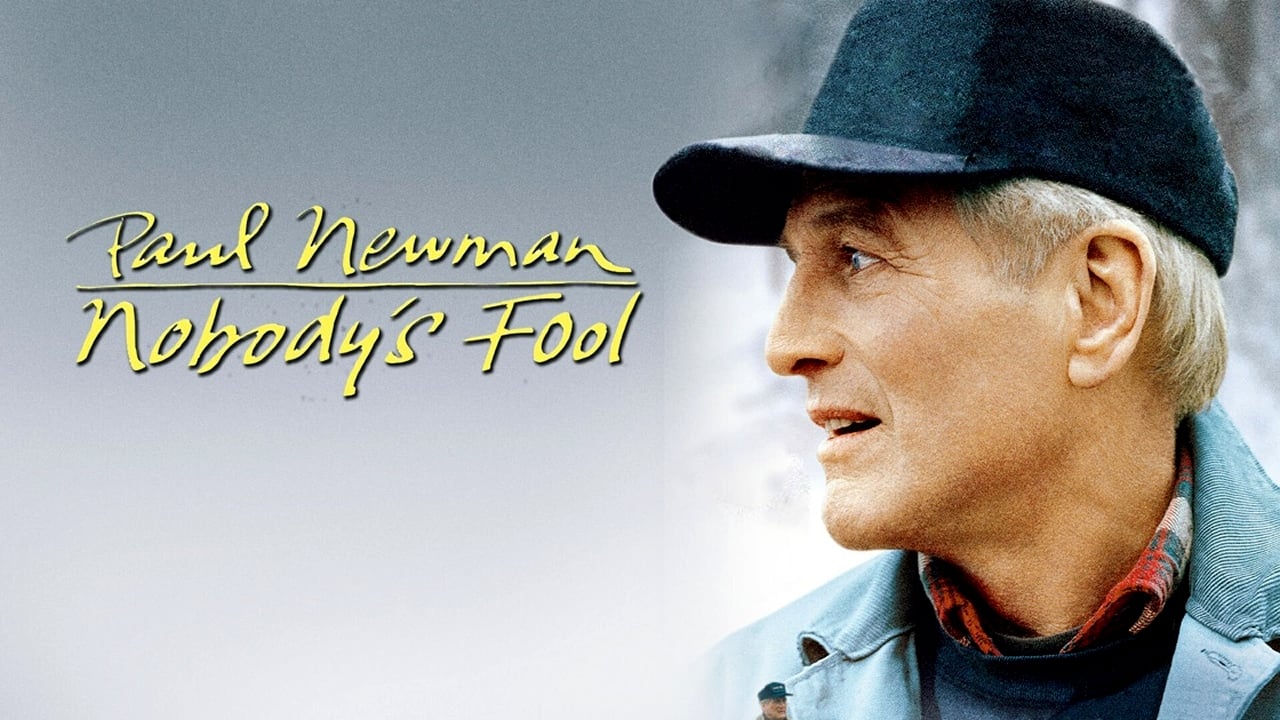
It sometimes feels like certain films arrive not with a bang, but like the first quiet snowfall of winter – settling gently over a landscape and transforming it in subtle, profound ways. Nobody's Fool (1994) is one such film. Watching it again, years after pulling that worn VHS copy off the rental shelf, its power hasn't diminished; if anything, it feels richer, more resonant, like rediscovering a cherished photograph that reveals new details with age. It’s a film less about plot twists and more about the intricate, often messy, tapestry of small-town life and the flawed, endearing people who inhabit it.
### North Bath State of Mind
The fictional town of North Bath, New York, isn't just a setting; it's practically a character itself. Director Robert Benton, who also adapted Richard Russo's wonderful novel and previously gave us nuanced dramas like Kramer vs. Kramer (1979) and Places in the Heart (1984), paints a picture of a town past its prime, covered in snow, where everyone knows everyone else's business, yet deep currents of loneliness and regret run beneath the surface. Benton captures this atmosphere perfectly – the clink of mugs in the local diner, the crunch of boots on icy sidewalks, the resigned familiarity between neighbors. It feels lived-in, authentic, a place where time moves a little slower, and grudges, like the winter cold, can linger for years. It’s easy to see why filming largely took place in Beacon, New York – the town provided that specific, slightly worn, Northeastern charm the story needed.
### The Irresistible Force of Sully Sullivan
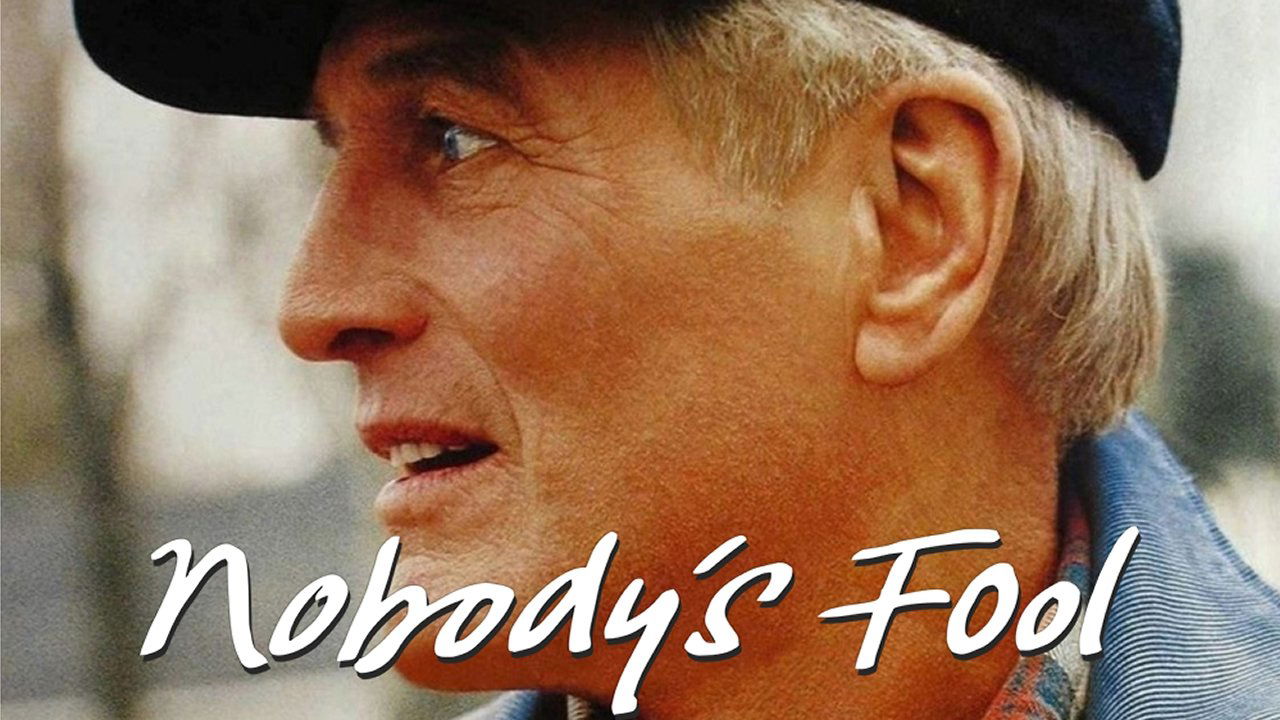
At the heart of North Bath, and the film, is Donald "Sully" Sullivan, portrayed by Paul Newman in a performance that feels less like acting and more like inhabiting a soul. Sully is sixty, broke, working odd construction jobs (when his bum knee allows), estranged from his son, and locked in a perpetual, almost comic feud with his exasperating boss, Carl Roebuck. He’s stubborn, sarcastic, and seems determined to avoid responsibility at every turn. Yet, Newman infuses Sully with such undeniable charm, such weary decency beneath the gruff exterior, that you can't help but root for him.
It’s a masterful turn, arguably one of the finest of Newman’s legendary career, earning him his final Academy Award nomination for Best Actor. There’s a lifetime of experience etched onto his face, a twinkle in his blue eyes that flickers even when delivering a cutting remark. He makes Sully’s flaws – his irresponsibility, his pride, his emotional guardedness – entirely human. Interestingly, Newman reportedly wasn't the first choice; the role was initially developed with Robert Redford in mind. It's hard to imagine now, as Newman embodies Sully so completely, bringing a grounded weariness that feels utterly authentic. You believe this is a man who has lived a hard life, made mistakes, and is perhaps, finally, stumbling towards a measure of grace.
### An Ensemble of Quiet Grace

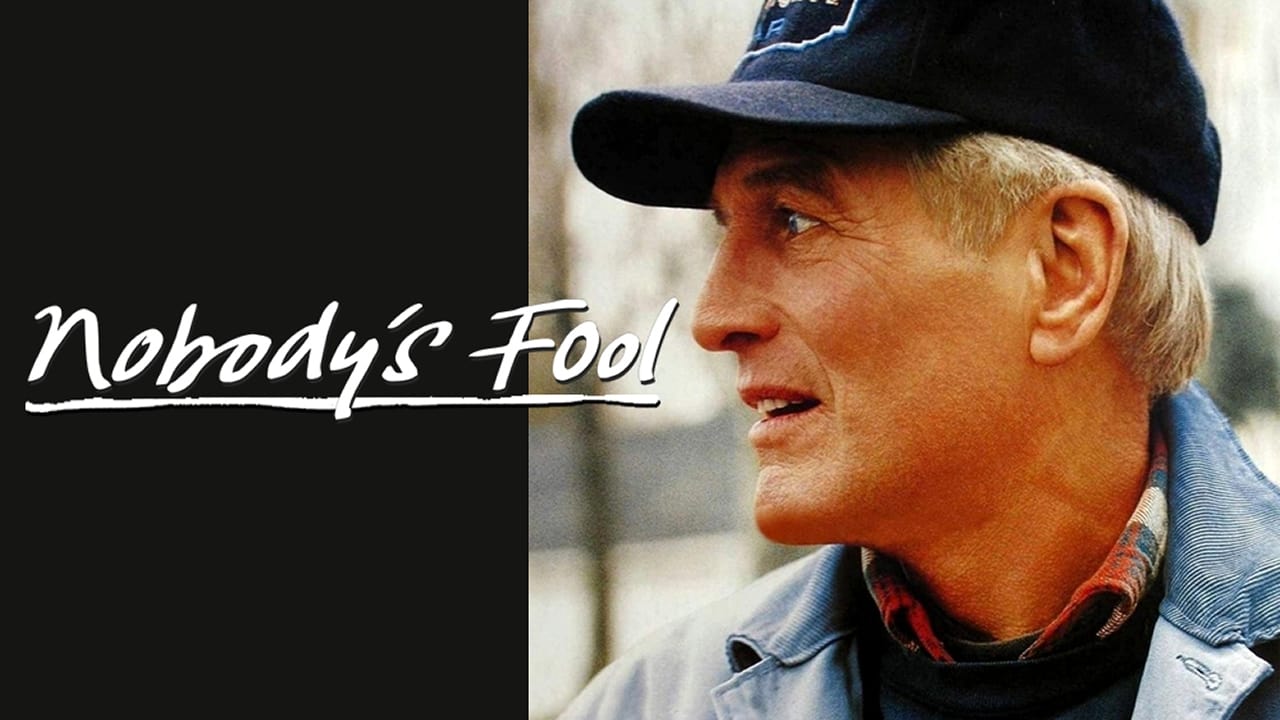
While Newman is the anchor, Nobody's Fool boasts an ensemble cast that feels perfectly attuned to the film’s understated tone. The late, great Jessica Tandy, in her final film role, is luminous as Miss Beryl Peoples, Sully’s eighth-grade teacher and now his kind, sharp-witted landlady. Her scenes with Newman possess a gentle warmth and unspoken history that forms the film’s emotional core. Their relationship is a quiet testament to enduring connection, built on mutual respect and a shared understanding of life's disappointments and small comforts.
Then there’s Bruce Willis as Carl Roebuck, Sully’s nemesis and occasional employer. Fresh off his action-hero dominance in films like Die Hard (1988), Willis plays wonderfully against type here. Carl is arrogant, foolish, and constantly trying (and failing) to one-up Sully, yet Willis finds the pathetic humanity in him. It’s a reminder of Willis’s often-underestimated range. We also see Melanie Griffith adding vulnerability as Carl’s neglected wife, Toby, who shares a complicated flirtation with Sully, and a young Philip Seymour Hoffman making an impression as the earnest but slightly dense Officer Raymer. Each performance feels grounded and true, contributing to the film's rich tapestry of interconnected lives.
### More Than Just Snowfall
What truly elevates Nobody's Fool is its refusal to offer easy answers or grand dramatic gestures. Life in North Bath unfolds in a series of small moments, conversations, and choices. Sully’s slow reconnection with his estranged son (Dylan Walsh) and the discovery of his grandson Will (a wonderfully natural Alexander Goodwin) provide the film’s central arc, but it’s handled with realism, not sentimentality. The film understands that change, especially late in life, is often incremental, awkward, and comes with setbacks.
Benton’s direction is patient, allowing scenes to breathe and characters to simply be. He trusts his actors and Russo's source material, focusing on the nuances of human interaction. There's a gentle rhythm to the film, punctuated by moments of wry humor that arise organically from the situations and Sully’s deadpan perspective. It’s a film about aging, regret, forgiveness, and the possibility of finding connection and purpose even when you feel like life has mostly passed you by. Does Sully suddenly become a perfect father or grandfather? No. But he tries, and in that effort, Newman finds something quietly heroic.
It wasn't a massive blockbuster – its roughly $40 million domestic gross against a $25 million budget made it a modest success – but its impact felt deeper, resonating with audiences who appreciated its maturity and humanity. It felt like a film for grown-ups, a slice of life rendered with honesty and empathy.
Rating: 9/10
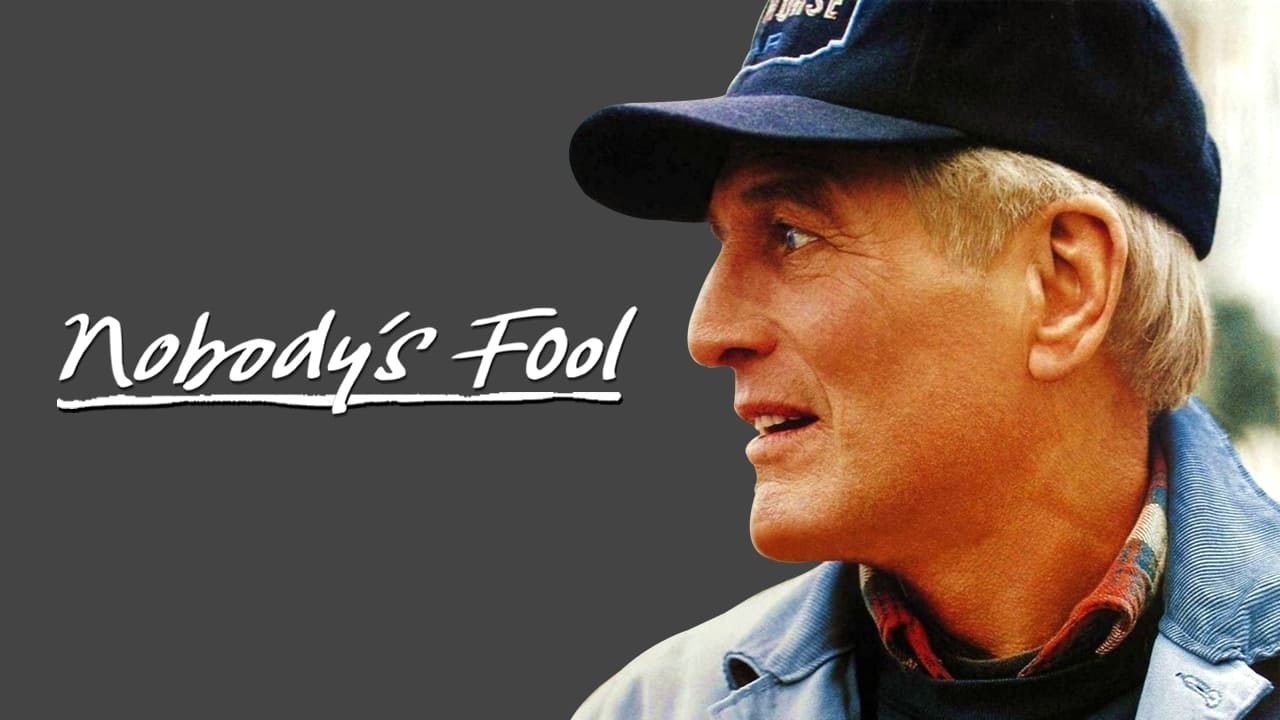
This score reflects the film's exceptional lead performance, the strength of its ensemble cast, its authentic atmosphere, and its deeply resonant, humanistic themes. Paul Newman's portrayal of Sully is simply unforgettable, a career-capping achievement that anchors a beautifully observed story. The direction is subtle yet assured, and the writing captures the rhythms of small-town life and the complexities of flawed characters with grace and wit. It might move at a gentler pace than many 90s offerings, but its emotional depth and quiet power make it a standout.
Nobody's Fool remains a comforting, contemplative watch – a reminder that even in the coldest seasons of life, warmth, connection, and maybe even a little bit of redemption, can still be found. It’s the kind of film that lingers, not because of loud moments, but because of the quiet truth it finds in ordinary lives.