### The Uncomfortable Truth in the Rearview Mirror
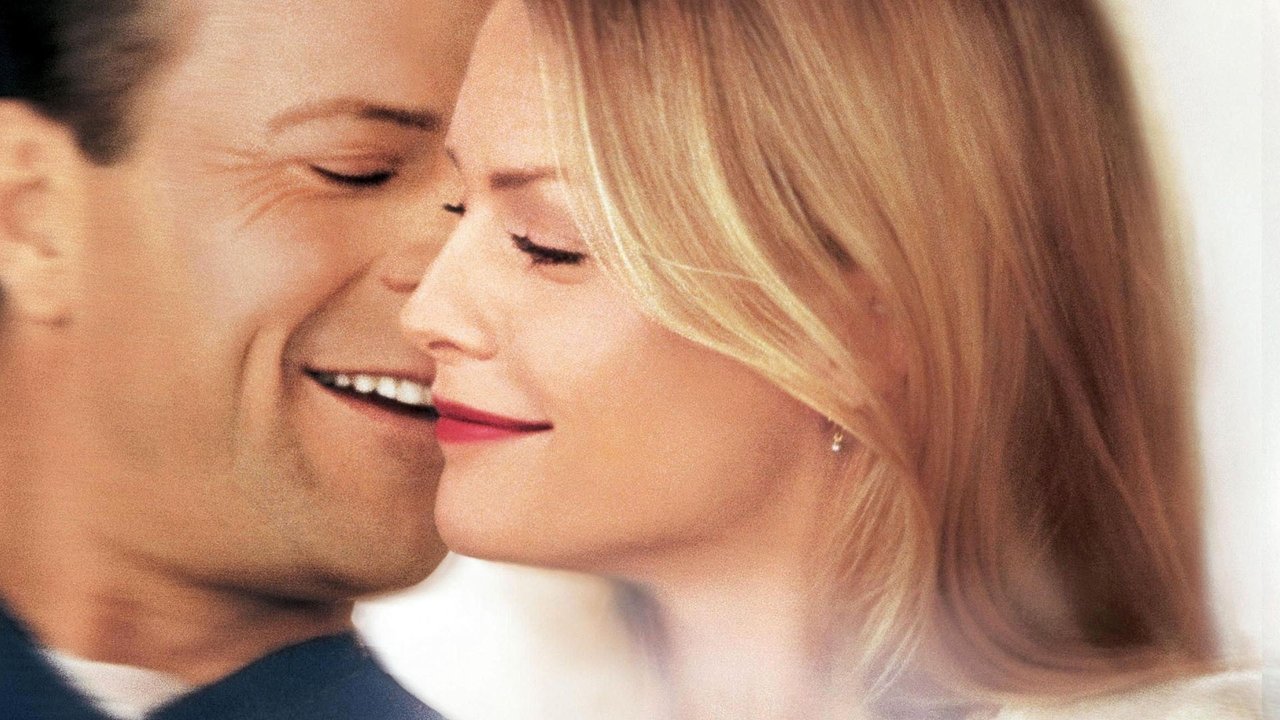
Is there anything quite so jarring, yet so familiar, as watching a marriage slowly unravel on screen? Not in explosive bursts, necessarily, but in the quiet accumulation of sighs, eye-rolls, and words left unsaid. That’s the uncomfortable territory Rob Reiner bravely navigated in 1999 with The Story of Us, a film that felt less like a date night movie and more like couples therapy projected onto the big screen. Seeing Bruce Willis and Michelle Pfeiffer – icons often associated with charismatic heroes and captivating sirens – inhabit the weary skins of Ben and Katie Jordan, a couple drowning in 15 years of accumulated baggage, was a fascinating, sometimes challenging, experience back then. It still resonates with a particular kind of poignant honesty today.
Beyond the Meet-Cute
Unlike Reiner’s celebrated When Harry Met Sally..., which charted the charming path towards love, The Story of Us dives headfirst into the messy aftermath. The narrative structure, cleverly weaving present-day tension (the kids are away at camp, the separation feels imminent) with flashbacks to their relationship's sunnier beginnings and gradual decay, is the film's masterstroke. It forces us to confront the painful question: how did that vibrant, hopeful couple become this pair, barely able to occupy the same room without friction? The editing, cutting between the golden hues of memory and the starker reality of the present, effectively mirrors the characters' own internal whiplash. One minute they recall passionate embraces; the next, they're arguing about misplaced keys with the ferocity of a border dispute. Doesn't this dynamic strike a chord, reflecting how easily the grand romance can get lost in the weeds of daily life?
Actors Stripped Bare
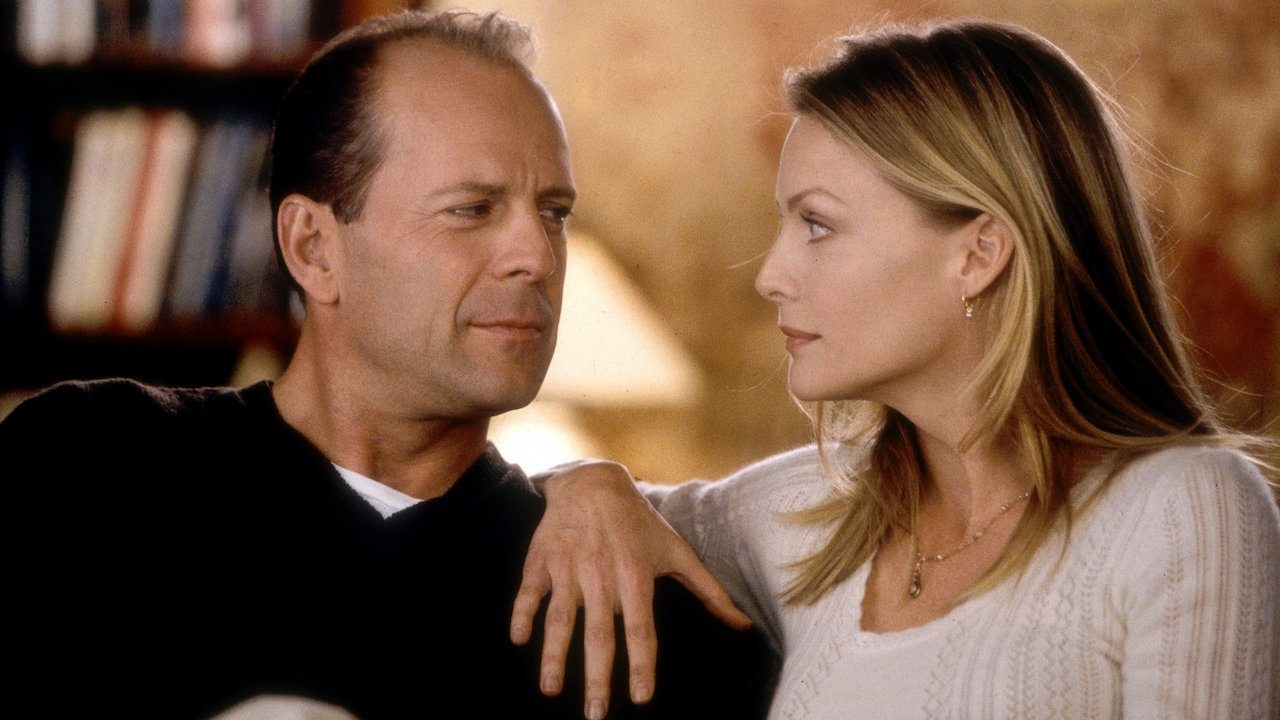
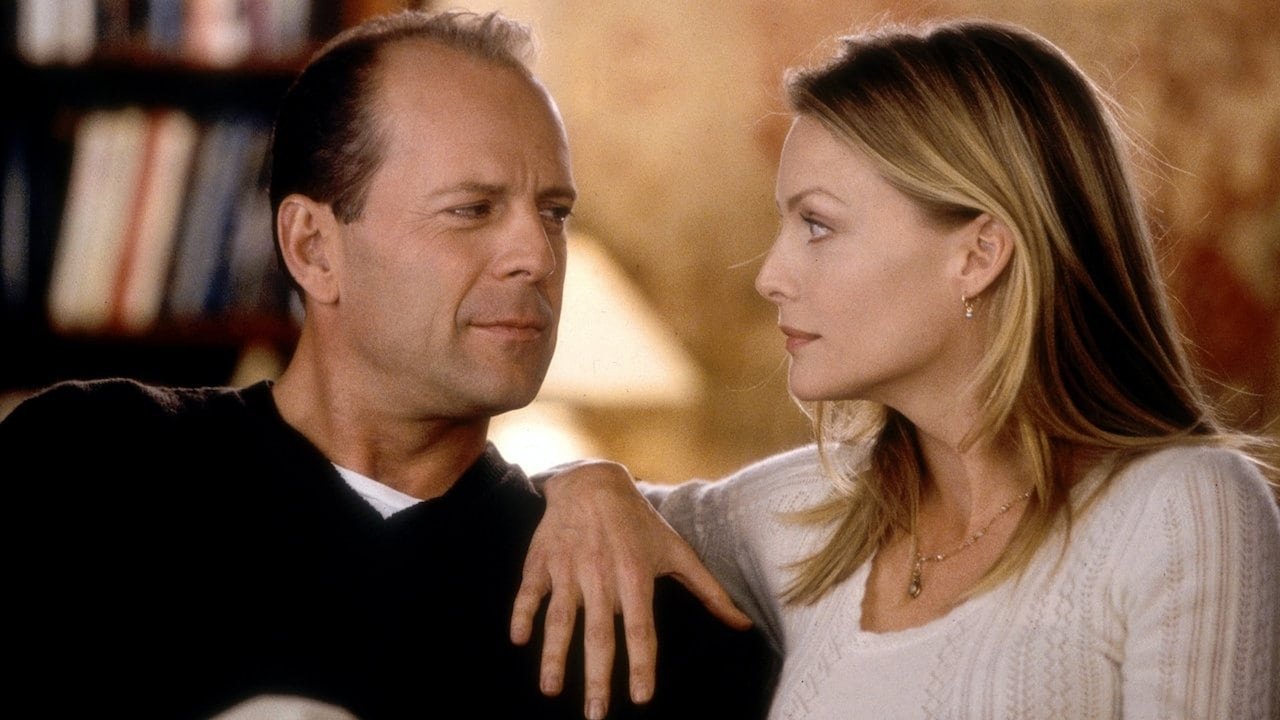
The film hinges entirely on the believability of its central duo, and both Bruce Willis and Michelle Pfeiffer deliver performances far removed from their usual screen personas. Willis, shedding the Die Hard smirk, taps into Ben's deep well of frustration, masking vulnerability with biting sarcasm. There's a wounded quality to his portrayal, a man bewildered by how things went so wrong, yet stubbornly resistant to change. It’s a performance that likely surprised many viewers who primarily knew him as John McClane. Funnily enough, Willis was apparently drawn to the script precisely because it wasn’t an action movie; he reportedly found the raw emotional honesty refreshing, a chance to flex different acting muscles.
Pfeiffer is equally compelling as Katie, conveying the profound exhaustion of a woman who feels unheard and unappreciated. Her carefully controlled facade cracks reveal simmering resentment and a desperate longing for connection. The way she carries the weight of unspoken disappointments in her posture and expressions is remarkable. Their arguments feel painfully real, not overly theatrical – full of interruptions, circular logic, and the specific, intimate ways long-term partners know exactly how to wound each other. It's not always comfortable viewing, but it feels truthful. Rob Reiner himself steps in front of the camera as Ben’s best friend Stan, offering moments of levity, but even his comedic timing is tinged with the film’s overall melancholy.
Behind the Scenes of a Marriage
The script, penned by Alan Zweibel and Jessie Nelson, doesn't shy away from the minutiae of marital discord. It captures the way small annoyances metastasize into major grievances, how communication breaks down into passive aggression or outright hostility. Interestingly, Zweibel drew heavily on his own marital experiences, infusing the screenplay with a layer of authentic observation that elevates it beyond typical Hollywood fare. One rumour suggests that the scene where Ben and Katie argue about their different parenting styles regarding messy rooms was lifted almost verbatim from a real-life disagreement Zweibel had.
The film also benefits from Eric Clapton's soulful, bluesy score. It avoids schmaltz, instead providing a melancholic undercurrent that perfectly complements the narrative's emotional landscape. Clapton reportedly composed the main theme, "(I) Get Lost," specifically for the film after seeing an early cut, connecting deeply with the themes of love, loss, and introspection. It adds another layer of mature artistry to the production. While the budget was a respectable $50 million, the film wasn't a massive box office smash (grossing around $52 million worldwide), perhaps indicating audiences weren't quite ready for such an unflinching look at marital strife starring two major movie stars, especially at the tail end of the optimistic 90s. It felt like a very 'adult' film in a landscape often dominated by teen comedies and effects-driven blockbusters.
The Weight of Shared History
The Story of Us isn't a perfect film. Some might find the shifts between comedy and drama occasionally uneven, and the resolution, while hopeful, might feel a touch too neat for some viewers after the preceding emotional wringer. The flashback structure, while effective, can sometimes feel a little formulaic in its execution. Yet, its strengths lie in its willingness to confront difficult truths about long-term relationships, the erosion of intimacy, and the hard work required to sustain love. It asks profound questions about compromise, forgiveness, and whether the shared history and foundational love are enough to overcome years of accumulated hurt. What lingers most after the credits roll is not a simple answer, but the complexity of the question itself.
VHS Heaven Rating: 7/10
Justification: The Story of Us earns a solid 7 for its brave premise, deeply felt performances from Willis and Pfeiffer (who truly step outside their comfort zones), and Reiner's sensitive direction. The script's unflinching honesty about marital decay and the effective use of flashbacks are commendable. However, the occasional tonal inconsistency and a slightly convenient ending prevent it from reaching higher echelons. It’s a film that sticks with you precisely because it doesn't offer easy answers, reflecting the complexities it portrays.
Final Thought: More than just a late-90s curio, The Story of Us remains a potent reminder that sometimes the most dramatic stories unfold not in explosions or car chases, but in the quiet, shared spaces where love is tested by time and familiarity.