There's a certain kind of quiet desperation unique to the aspiring artist, a frantic energy born from pouring one's soul into something massive and unmanageable, only to find the world utterly indifferent. Alexandre Rockwell's 1992 indie darling, In the Soup, bottles this feeling with a precarious mix of frantic comedy, gritty realism, and surprising heart, making it one of those quintessential early 90s discoveries that felt like finding a secret handshake on the video store shelf. It wasn't screaming from the 'New Releases' wall; it was tucked away, waiting, a black-and-white promise of something… different.
An Unfilmable Dream, A Questionable Savior
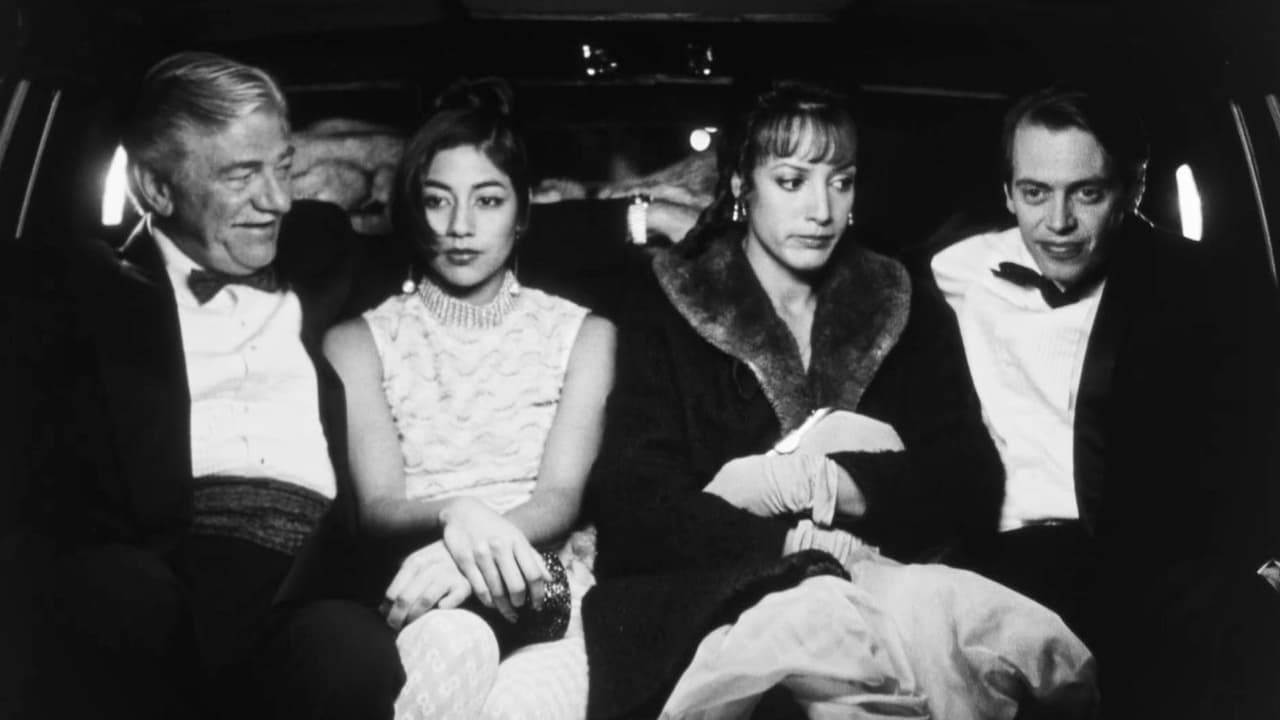
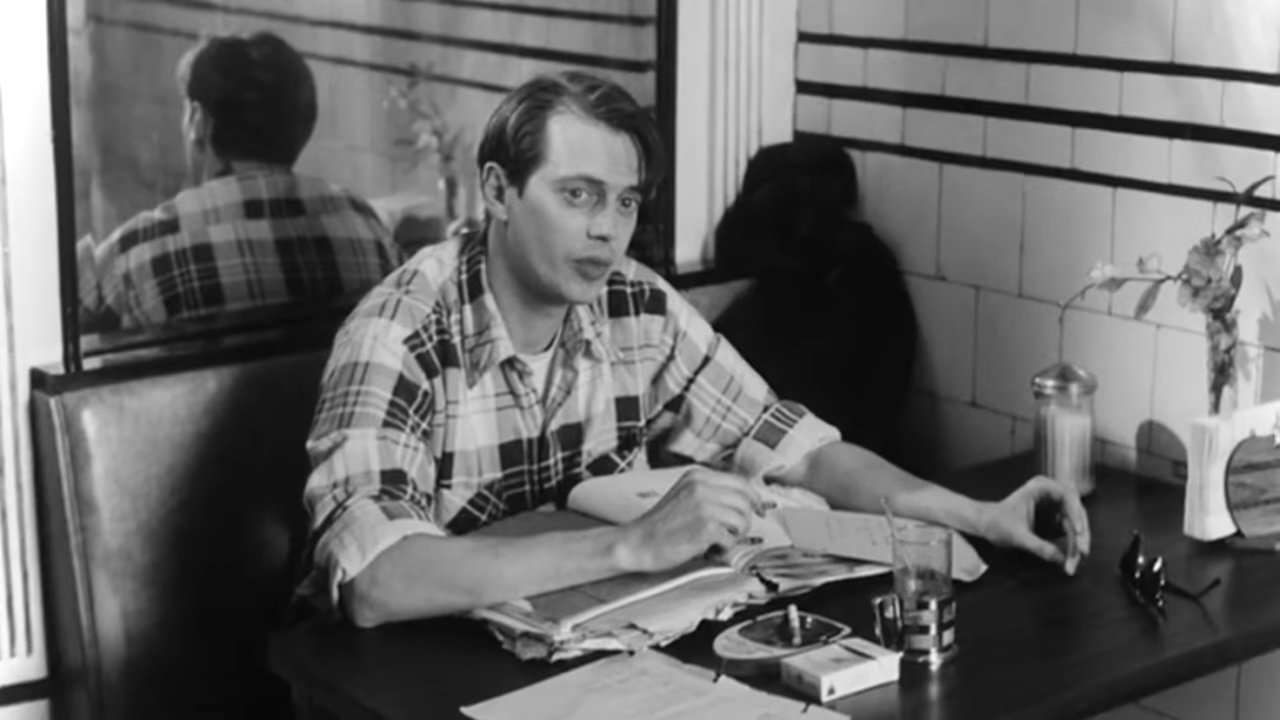
At the heart of the chaos is Aldolpho Rollo, played with pitch-perfect anxiety by Steve Buscemi, who practically vibrates with the nervous energy of a man perpetually on the verge of collapse. Aldolpho is a hopeful auteur living in a crumbling NYC tenement, clutching his magnum opus: a sprawling, 500-page screenplay titled "Unconditional Surrender" that nobody wants to touch. He’s so broke he’s literally stealing milk from his neighbours. In a last-ditch effort, he places a classified ad seeking a producer, and who answers the call but Joe, a fast-talking, seemingly benevolent older gentleman portrayed with magnetic, slightly terrifying charm by the legendary Seymour Cassel. Joe promises funding, mentorship, and a way out. The catch? Joe isn't exactly a studio executive; he's more of a small-time operator, a hustler whose schemes often involve navigating the shadier sides of life.
A Masterclass in Contrasting Energies
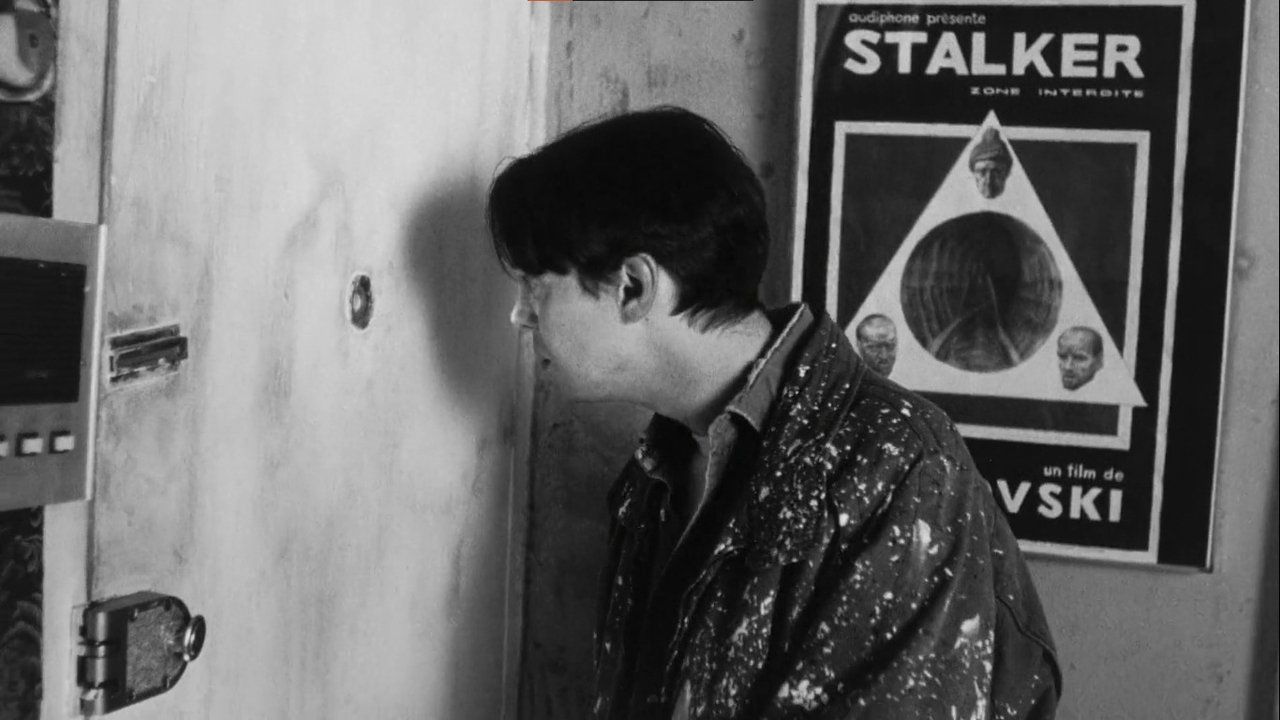
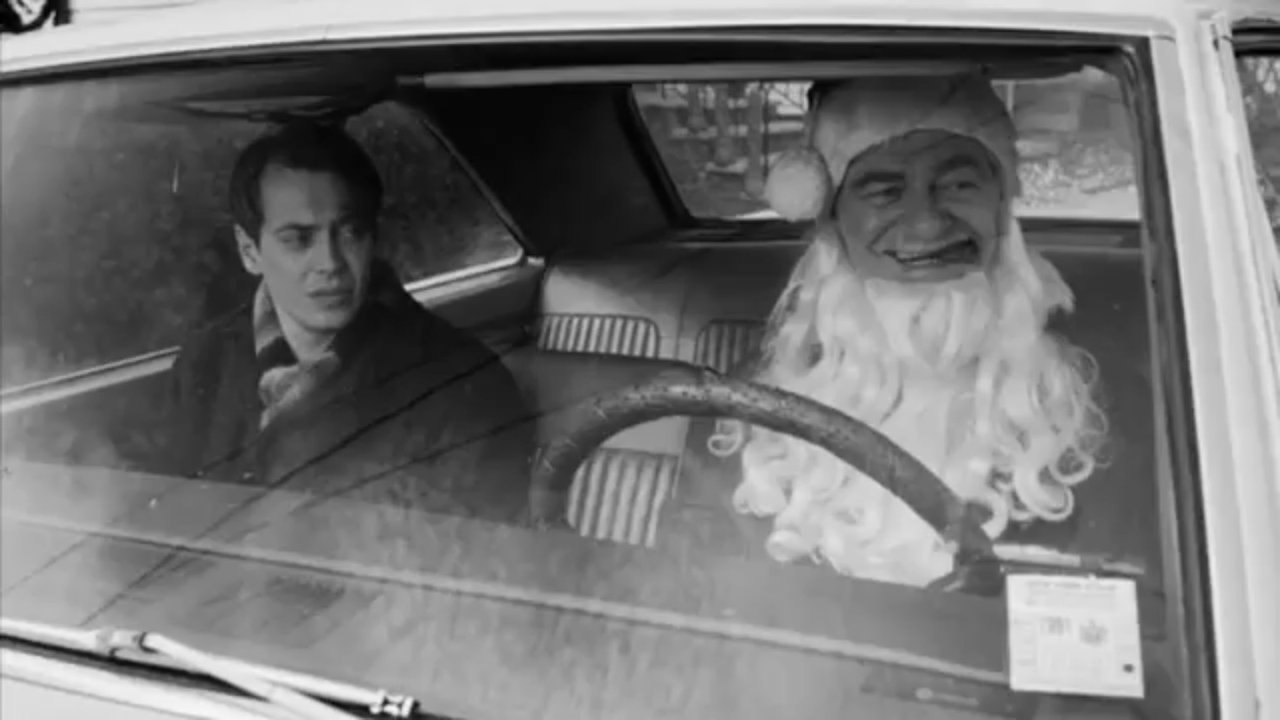
The film absolutely hinges on the dynamic between Buscemi and Cassel, and it’s a masterclass in performance. Buscemi, already carving out his niche playing twitchy outsiders (Coen Brothers fans would recognize his nervy brilliance from films like Miller's Crossing (1990) and Barton Fink (1991)), embodies Aldolpho's vulnerability and artistic tunnel vision. You feel his desperation, his yearning for validation, his naive hope that this flamboyant stranger might actually be his ticket. Cassel, on the other hand, is a force of nature. Fresh off his own collaborations with indie maverick John Cassavetes (like Faces (1968) and Minnie and Moskowitz (1971)), he imbues Joe with an infectious, almost paternal warmth undercut by a clear unpredictability. There's a genuine affection that develops between the two, but also a constant sense of danger – is Joe Aldolpho's guardian angel or the architect of his ruin? It’s often said Cassel channeled aspects of his friend Cassavetes for the role, capturing that blend of artistic passion and chaotic energy, which adds another fascinating layer. Jennifer Beals (Rockwell's wife at the time, and forever iconic from Flashdance (1983)) adds a crucial grounding element as Angelica, Aldolpho’s neighbour and object of affection, offering moments of quiet observation amidst the escalating absurdity.
Indie Grit and Sundance Gold
Shot in stark, beautiful black and white, In the Soup wears its low budget ($500,000, a shoestring even then) as a badge of honor. Rockwell embraces the limitations, creating a claustrophobic, intimate world that perfectly reflects Aldolpho's cramped existence and increasingly precarious situation. The grainy visuals enhance the film's neo-realist vibe, making the often surreal events feel strangely plausible. This wasn't slick Hollywood fare; this felt immediate, handmade, alive. It’s no surprise it snagged the Grand Jury Prize at the 1992 Sundance Film Festival, becoming a beacon for the burgeoning American independent film movement. It even features telling cameos from fellow indie spirits like director Jim Jarmusch and the wonderfully quirky Carol Kane, cementing its place within that specific, exciting scene. Watching it now feels like unearthing a time capsule from that era – the raw energy, the willingness to be messy and unconventional.
When Art Meets Hustle
Beyond the performances and the aesthetic, In the Soup taps into something deeper about the creative struggle. Aldolpho's giant, unsellable script – isn't that a fear every artist faces? The terror that your vision is too personal, too unwieldy for the world? Joe represents the compromise, the potentially dangerous collision between artistic purity and the harsh realities of getting things made (or, in his case, funded through less-than-legal means). The film cleverly plays with this tension. There are moments of genuine connection, like when Joe uses his underworld "skills" to retrieve Aldolpho's stolen camera equipment, blurring the lines between criminality and camaraderie. Was Joe’s initial advert response just a con, or did some part of him genuinely see a kindred spirit in the struggling filmmaker? The film leaves these questions deliciously ambiguous.
The Verdict: A Found Treasure Worth Seeking
In the Soup isn't a perfect film; its episodic nature can feel a bit meandering at times, and the third act pushes credibility even for its off-kilter world. But its flaws are part of its charm. It captures a specific moment in indie filmmaking with authenticity and heart. The central performances by Buscemi and Cassel are simply unforgettable, powering the film through its eccentric twists and turns. It’s funny, poignant, and occasionally unnerving, a testament to making art outside the system. I distinctly remember finally tracking down a copy on VHS after hearing the Sundance buzz, and it felt like being let in on a wonderful secret. It wasn’t slick, but it felt real in a way few films did.
Rating: 8/10
The score reflects the sheer power of the central performances, the film's undeniable indie spirit, and its successful capture of artistic desperation. While structurally imperfect, its core relationship and gritty charm make it a standout of the era. It’s a film that reminds you that sometimes, the most interesting stories aren't the ones with the biggest budgets, but the ones born from sheer, chaotic necessity. What lingers most is that volatile, captivating dance between the dreamer and the hustler – a relationship as messy, unpredictable, and strangely beautiful as the creative process itself.