Alright fellow tape travelers, let's rewind to a time when discovering animation from across the Pacific felt like uncovering a hidden treasure map. Sometimes, nestled amongst the familiar cartoon faces at the rental store, you'd stumble upon something utterly different, something vibrant and strange and maybe even a little challenging. Studio Ghibli wasn't quite the household name it is today for many of us back then, and finding one of their films often meant venturing beyond the beloved works of Miyazaki. And if you were lucky, or perhaps just adventurous, you might have pulled a tape off the shelf that promised magical raccoon dogs fighting suburban sprawl. Welcome, friends, to the wonderfully weird and profoundly moving world of Isao Takahata's 1994 masterpiece, Pom Poko (Heisei Tanuki Gassen Ponpoko).
### Not Your Average Critters
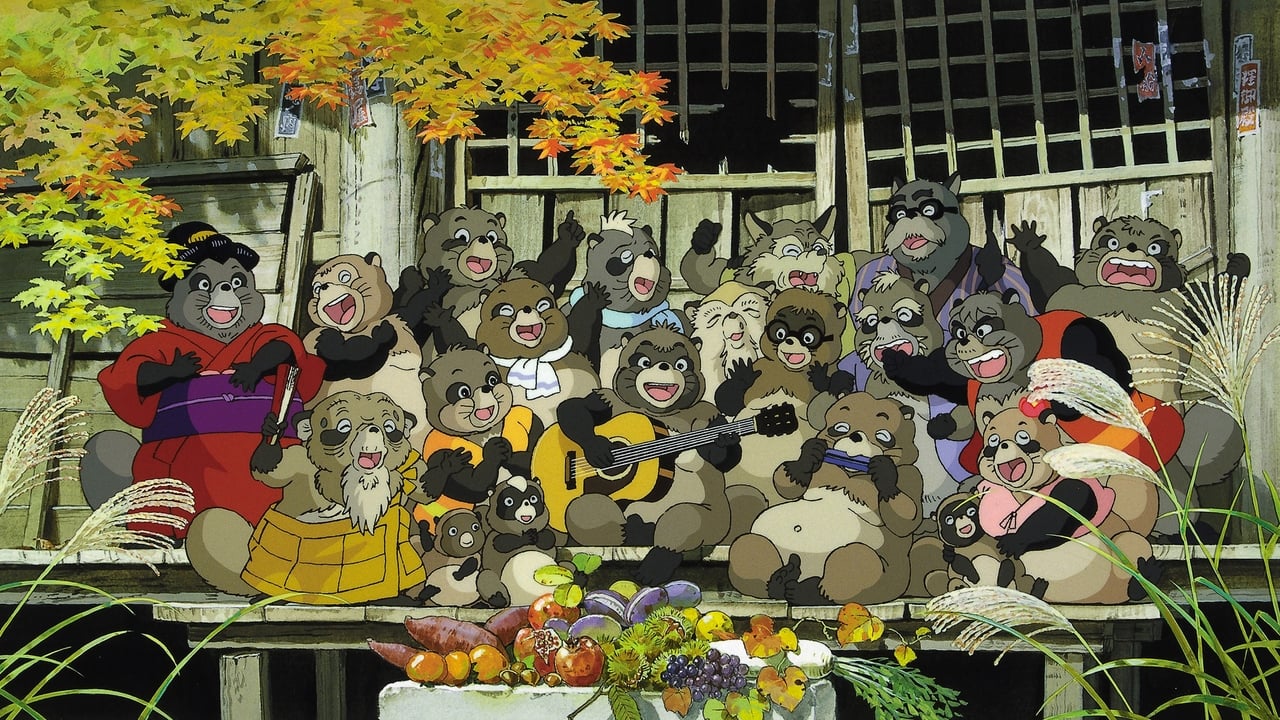
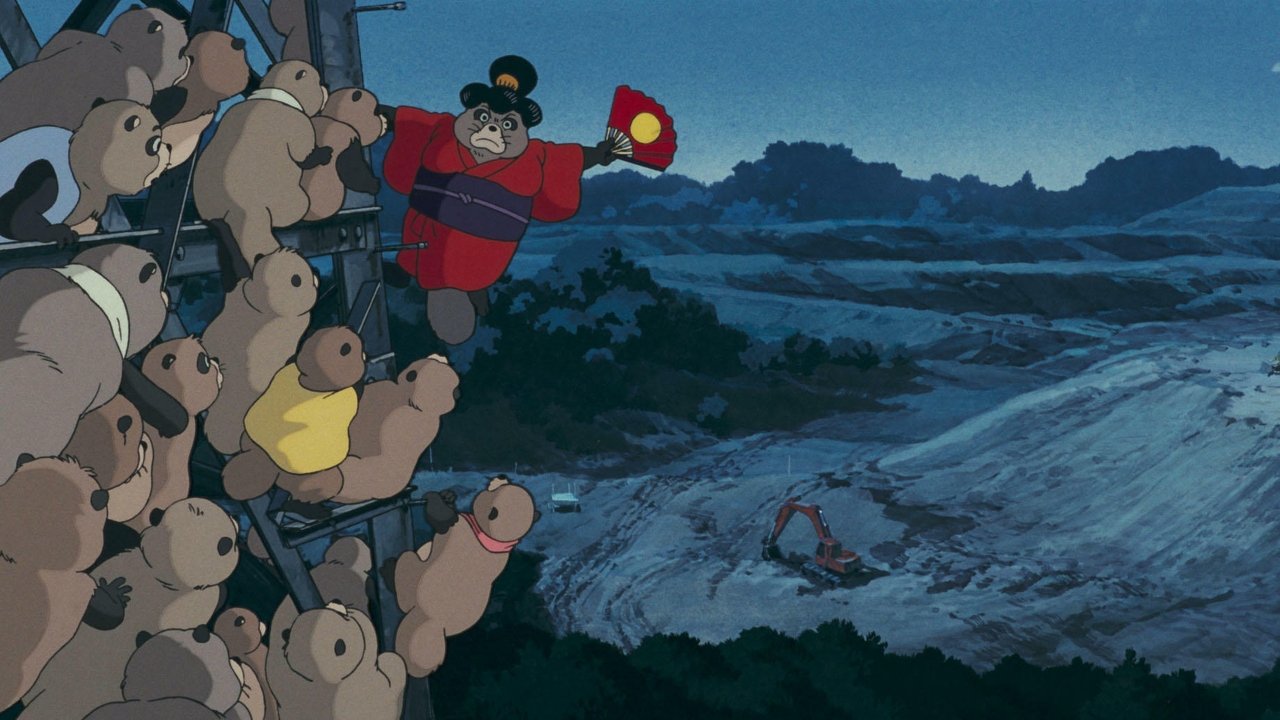
Forget cuddly forest creatures singing songs. Pom Poko plunges us into the lives of the tanuki – Japanese raccoon dogs – of the Tama Hills near Tokyo. These aren't just ordinary animals; they are bake-danuki, mischievous shapeshifters steeped in centuries of folklore, capable of incredible transformations. Their idyllic forest home, however, is under threat from relentless human development – the relentless march of concrete and steel that marked so much of the late 80s and early 90s expansion. Faced with extinction, the tanuki clans decide it's time to fight back using their ancient arts of illusion and transformation.
What follows is unlike almost anything else in the Ghibli catalogue, or indeed, in animation generally. Helmed by the legendary Isao Takahata, co-founder of Studio Ghibli and the visionary director behind the heart-wrenching Grave of the Fireflies (1988) and the gentle slice-of-life Only Yesterday (1991), Pom Poko is a whirlwind of frantic energy, slapstick comedy, breathtaking visuals, and surprisingly sharp environmental commentary, all tinged with an underlying melancholy. Takahata wasn't afraid to tackle complex, often adult themes, and here he blends Japanese mythology with a very real ecological crisis.
### Masters of Illusion, Masters of Merriment (and Mayhem)
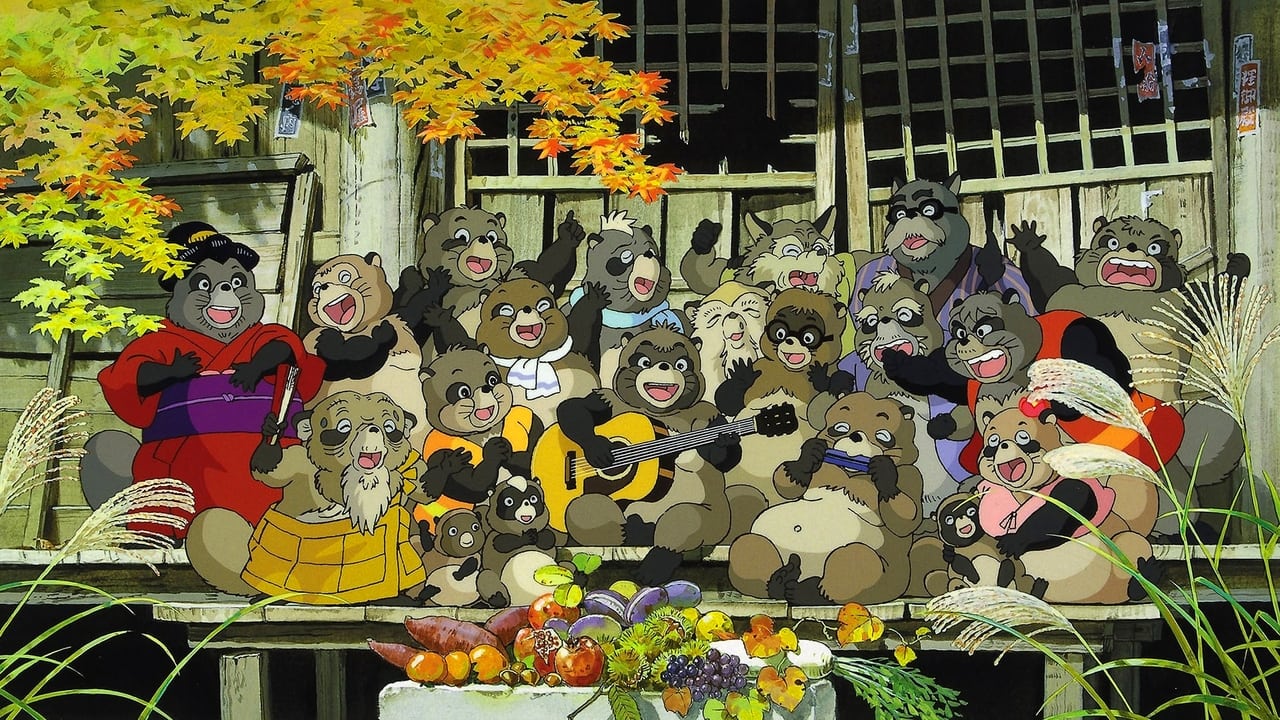
The sheer inventiveness on display is staggering. The tanuki, voiced with boisterous energy by actors like Makoto Nonomura, Shigeru Izumiya, and the venerable Nijiko Kiyokawa as the elder Oroku, launch "Operation Specter," a campaign designed to terrify the humans into abandoning their construction projects. This leads to some of the film's most memorable sequences: ghostly parades filled with yokai (spirits and monsters from Japanese folklore), tanuki transforming into everything from inanimate objects to terrifying deities, and yes, their legendary use of… well, their scrotums (often humorously translated as "pouches") in startlingly creative ways. It’s a detail straight from traditional folklore, presented with a mix of cheeky humor and visual flair that could only come from Ghibli.
I remember first seeing some of these transformation scenes, mouth slightly agape. The animation shifts styles fluidly – from realistic depictions of the animals, to the more anthropomorphized, cartoonish forms they adopt when interacting amongst themselves, and finally to the rougher, sketch-like style often used in depictions of folklore. It’s a visual feast that keeps you constantly engaged, wondering what bizarre and brilliant form they'll take next.
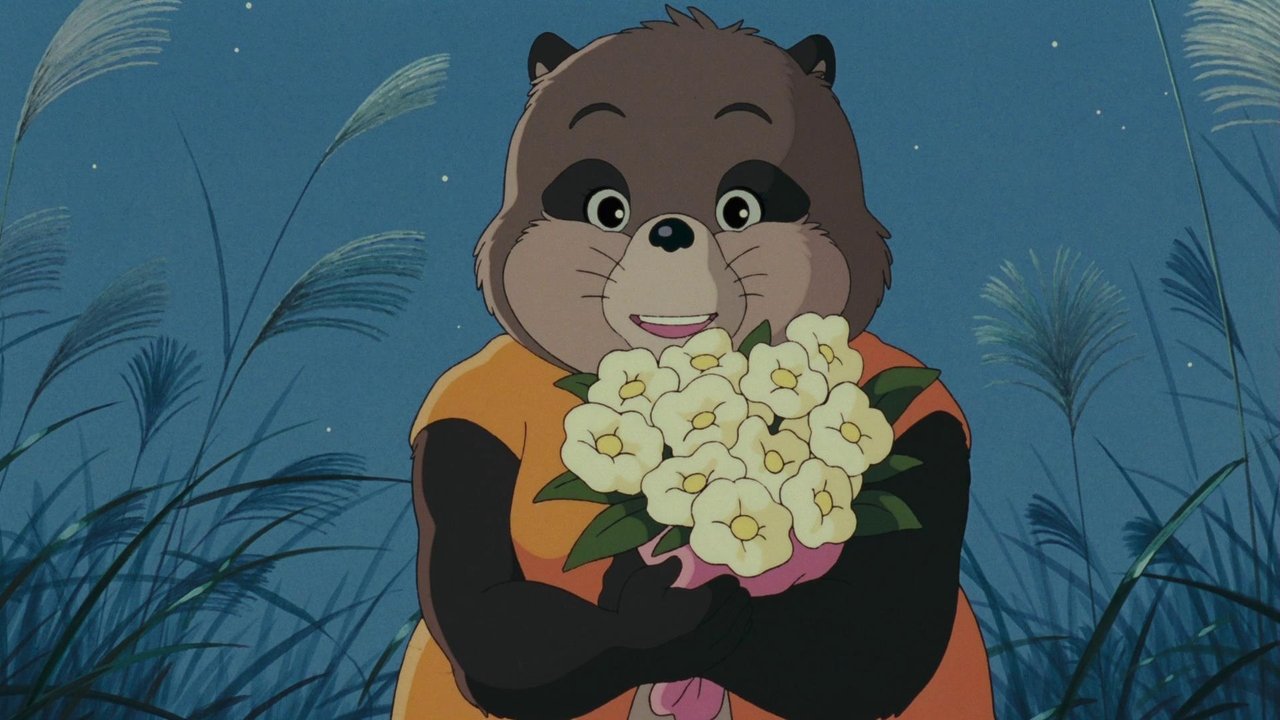
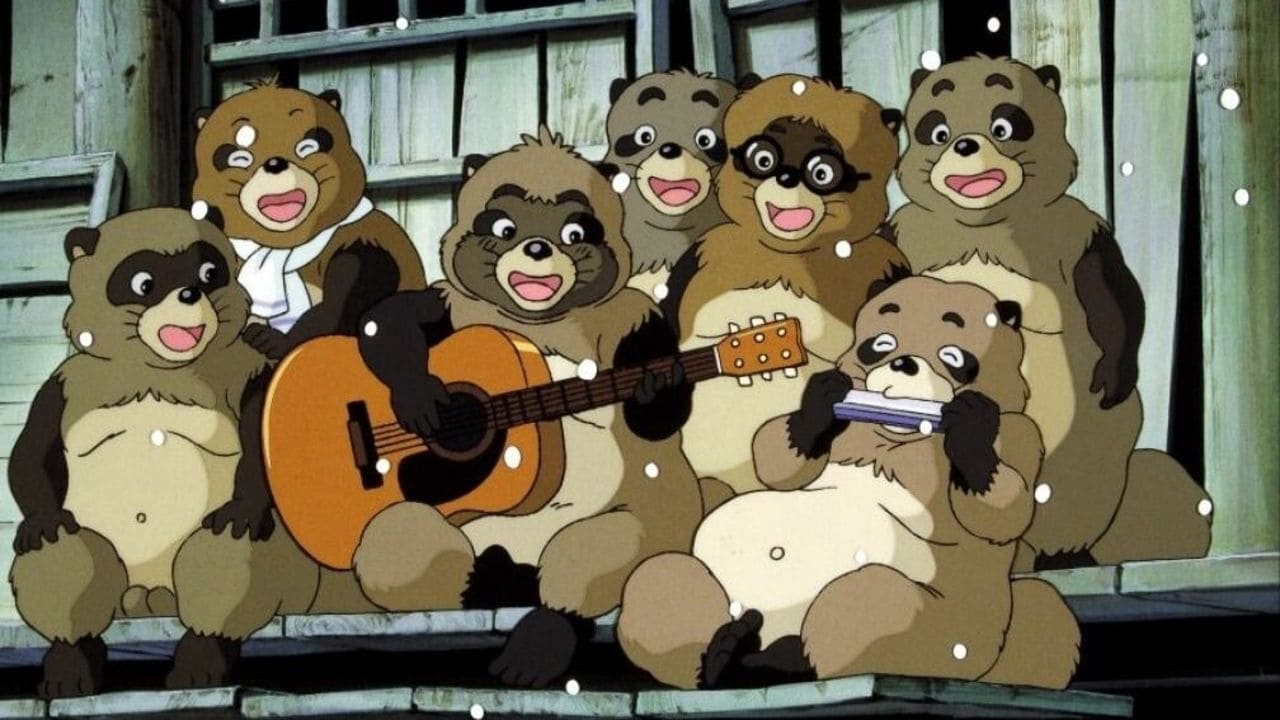
Retro Fun Fact: Pom Poko was a massive success in Japan, becoming the number one domestic film at the box office in 1994, pulling in around ¥4.47 billion (roughly $40 million USD back then – a hefty sum!). It was even Japan's official submission for the Best Foreign Language Film category at the 67th Academy Awards, though it ultimately wasn't nominated. Its success speaks volumes about how deeply its blend of folklore and contemporary concerns resonated with Japanese audiences.
### More Than Just Laughs
Beneath the often hilarious and chaotic surface, Pom Poko carries significant weight. Takahata doesn't shy away from the grim reality of the tanuki's struggle. Their attempts to scare humans often fail or have unintended consequences. Internal divisions arise within the tanuki community about the best course of action – some advocate for assimilation, others for continued resistance, and some, tragically, succumb to despair. The film beautifully captures the sense of loss – the loss of habitat, the loss of tradition, the fading of magic in a modernizing world.
It’s this tonal tightrope walk that makes Pom Poko so unique and, for some, perhaps a bit challenging. One moment you're laughing at tanuki antics, the next you're confronted with the very real consequences of environmental destruction and the poignant sadness of a way of life disappearing. It's a far cry from a simple "save the forest" narrative; it's a complex, sometimes bittersweet reflection on change, progress, and what gets left behind. Takahata masterfully uses the tanuki folklore not just for spectacle, but as a powerful metaphor for cultural identity struggling against overwhelming homogenization.
Another Tidbit: Translating the specific cultural nuances and folklore references in Pom Poko for Western audiences presented unique challenges. Early fan subs often struggled, and even official releases sometimes had difficulty conveying the full depth of the tanuki legends and the specific historical and social context Takahata was exploring. Watching it feels like getting a crash course in a fascinating aspect of Japanese mythology.
### A Ghibli Gem That Deserves Remembering
Pom Poko might not have the immediate, universal appeal of My Neighbor Totoro or the high-flying adventure of Castle in the Sky, but its uniqueness is its strength. It’s a film bursting with creativity, humor, and heart, anchored by Isao Takahata’s thoughtful direction and a deep respect for both folklore and the natural world. It’s a reminder that animation can be playful and profound, silly and serious, often all within the same breath. Finding this on VHS back in the day felt like discovering a secret – a vibrant, slightly chaotic, and utterly unforgettable piece of cinematic magic that expanded your horizons.
Rating: 9/10
This score reflects the film's stunning artistry, its bold blend of tones, its unique premise grounded in rich folklore, and its powerful, enduring environmental message. It’s a near-perfect execution of a challenging concept, docked only slightly perhaps because its specific cultural context and jarring shifts might make it a slightly less smooth ride for some viewers compared to other Ghibli standards. However, its sheer ambition and unforgettable character more than earn its high praise.
Pom Poko is a wild, wonderful ride – a poignant ecological fable disguised as a madcap mythical romp. It’s a film that stays with you, a reminder of the magic hidden just beyond the concrete, and maybe, just maybe, makes you look at raccoons a little differently. A true treasure from the Ghibli archives well worth seeking out.