There’s a certain starkness to the wind that whips across the screen in Patrice Leconte’s The Widow of Saint-Pierre (released in 2000, but carrying the thoughtful weight often found in the preceding decade's independent cinema). It’s more than just weather; it feels like the abrasive breath of judgment itself, sweeping over the isolated French outpost of Saint-Pierre in 1850. The film opens not with comfort, but with a crime – brutal and senseless – leaving us immediately adrift in a sea of moral consequence, much like the island itself. It sets the stage for a story less concerned with what happened, and more profoundly interested in the ripples that spread outwards from a single, condemned life.
An Unlikely Trinity
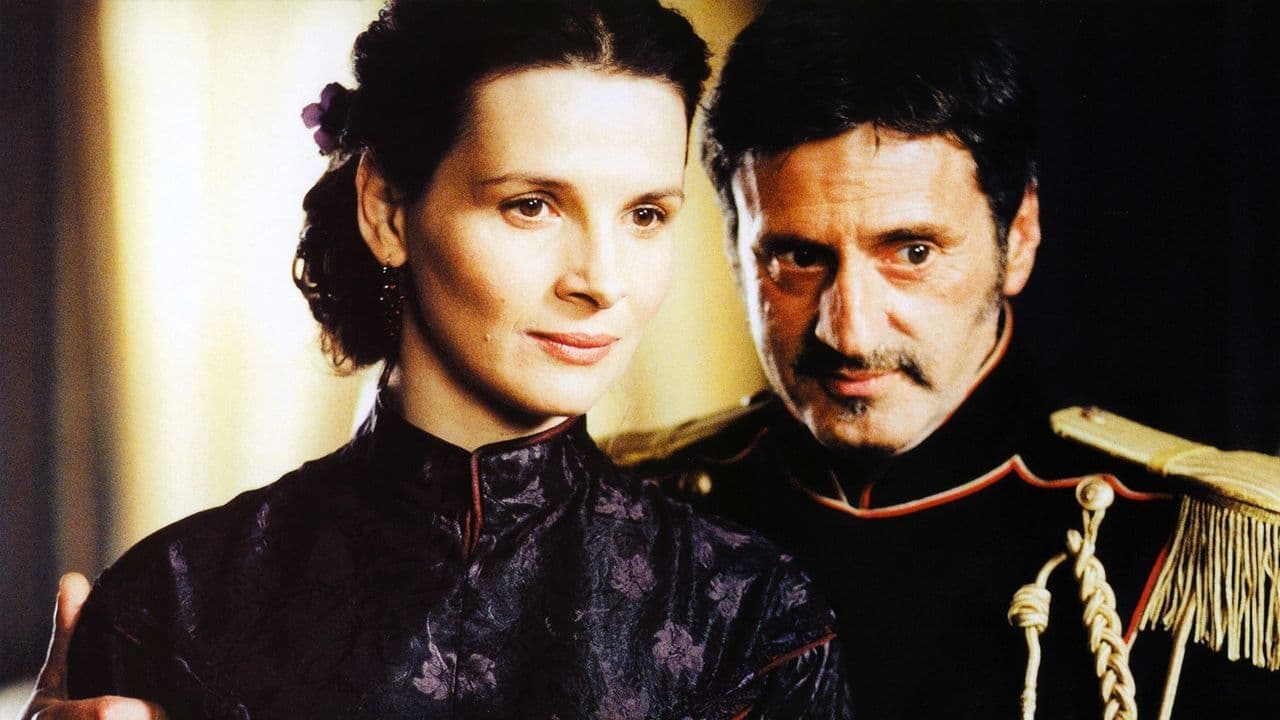
At the heart of this drama is an unusual, charged dynamic. Neel Auguste (Emir Kusturica), a fisherman convicted of murder alongside an accomplice, awaits his fate. There’s no guillotine on Saint-Pierre, so one must be shipped from France – a bureaucratic delay that becomes the crucible for the film’s central conflict. Assigned to the custody of the Captain (Daniel Auteuil), Neel finds an unexpected, fervent advocate in the Captain’s wife, Pauline, known affectionately as Madame La (Juliette Binoche). What unfolds isn't a simple tale of repentance, but a complex exploration of empathy, principle, and the dangerous collision between individual conscience and societal order.
The performances here are extraordinary, forming a triangle of quiet intensity. Juliette Binoche, already a global star thanks to films like The English Patient (1996), embodies Madame La with a captivating blend of gentle compassion and unwavering, almost unsettling conviction. Her belief in Neel’s capacity for redemption becomes an obsession, a deeply personal crusade waged against the rigid structures of military and colonial justice. There's a fierce intelligence behind her eyes, challenging not just the sentence, but the very notion that a person can be defined solely by their worst act. It's a performance that radiates empathy, making her potentially reckless idealism feel utterly genuine.
Opposite her, Daniel Auteuil, a titan of French cinema perhaps best known to international audiences from Jean de Florette (1986), delivers a masterclass in contained conflict. His Captain is torn – bound by duty and military code, devoted to his wife, yet increasingly aware of the humanity burgeoning in his prisoner. Auteuil conveys immense depth through stillness, his stoic exterior barely masking the internal storm. His love for Madame La is palpable, yet so is his understanding of the perilous path she treads, forcing him into impossible choices.
And then there's Emir Kusturica. Primarily celebrated as a Palme d'Or-winning director (Underground (1995)), his casting as Neel is inspired. Kusturica brings a raw, physical presence to the role – initially coarse and seemingly broken, he gradually transforms under Madame La's influence. It’s not a sudden, Hollywood-style conversion, but a slow, believable blossoming of dignity and quiet purpose. He rarely needs extensive dialogue; his expressive face and bearing chart Neel’s internal journey. Seeing this acclaimed director inhabit such a role adds a fascinating layer, his inherent creative spirit perhaps informing Neel’s own rediscovery of self-worth through simple acts of work and kindness.
Waiting for the Blade
Patrice Leconte, who directed the sharp social commentary of Ridicule (1996), crafts a film here that breathes with deliberate patience. The pacing mirrors the agonizing wait for the guillotine. Some might find it slow, but it’s essential to the film’s power, allowing the tensions and relationships to develop organically. Leconte, alongside cinematographer Eduardo Serra, uses the stark, unforgiving landscapes – filmed beautifully, if arduously, on location in Nova Scotia and Saint-Pierre et Miquelon – to amplify the characters' isolation and the harshness of their circumstances. The wind, the sea, the barren land – they aren't just backdrops; they are participants in the drama, reflecting the internal bleakness and the elemental forces at play.
This isn't a film that offers easy answers. Madame La's actions, born of profound compassion, ripple outwards, creating unforeseen dangers and forcing the Captain into ever more precarious positions. Is her unwavering belief in Neel's goodness a form of noble defiance, or a dangerous naivety that ignores the potential consequences for others, including her husband? The film forces us to confront these questions, exploring the complex relationship between justice, mercy, and the often-unyielding nature of social order. Doesn't her crusade, however well-intentioned, highlight the tension between individual morality and collective security that societies still grapple with today?
Retro Fun Facts: Echoes of Production
While The Widow of Saint-Pierre arrived just as the millennium turned, its sensibility feels rooted in the serious, character-driven dramas that often found a home on discerning video store shelves in the late 90s. The choice to film in the challenging conditions of Nova Scotia wasn't merely for visual authenticity; it reportedly tested the cast and crew, perhaps infusing the performances with an extra layer of hard-won gravity. Furthermore, the film garnered significant critical attention, including a Golden Globe nomination for Best Foreign Language Film, marking it as a notable entry in turn-of-the-century international cinema. It's a reminder that powerful stories often come from unexpected places, even remote, windswept islands.
The Weight of Conscience
The Widow of Saint-Pierre lingers long after the credits roll. It’s a visually stunning, emotionally resonant film anchored by three powerhouse performances. It doesn’t shy away from the bleakness of its premise but finds profound humanity within it. The deliberate pace and somber tone demand attention, rewarding the viewer with a deeply moving meditation on the complexities of the human heart and the often-tragic weight of conviction.
Rating: 8.5/10
This score reflects the film's exceptional performances, particularly from Binoche and Auteuil, its stunning visual poetry, and its intellectually engaging exploration of difficult themes. It’s a demanding film, its deliberate pacing and heavy subject matter requiring investment, but the emotional and philosophical payoff is significant. It stands as a powerful testament to Patrice Leconte's directorial skill and a highlight in the careers of its leads.
What stays with you most is the haunting question it leaves unanswered: In the face of systemic rigidity, how far should one follow the dictates of their own conscience, especially when love and duty pull in opposite directions?