The title itself, Come See the Paradise, hangs heavy with irony, doesn't it? A promise whispered against the backdrop of barbed wire and systemic injustice. When Alan Parker released this film in 1990, following searing works like Midnight Express (1978) and Mississippi Burning (1988), he wasn't offering escapism. Instead, he presented a deeply felt, often heartbreaking look at a chapter of American history many would prefer to forget: the internment of Japanese Americans during World War II, viewed through the lens of a forbidden love story. Finding this tape on the rental shelf back then might have felt like discovering something significant, quieter perhaps than the usual blockbuster fare, but resonant in a way that lingered long after the VCR clicked off.

Love in a Time of Fear
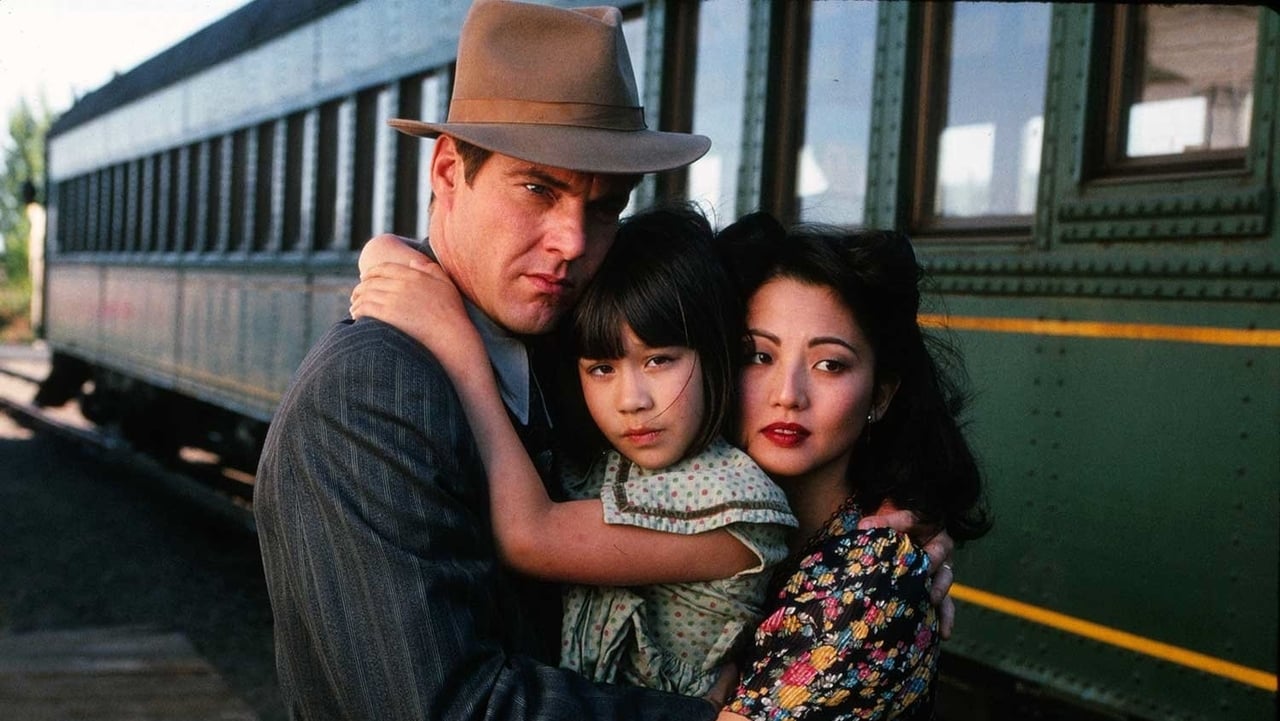
At its heart, Come See the Paradise traces the relationship between Jack McGurn (Dennis Quaid), a fiery union activist who finds himself blacklisted and adrift in Los Angeles, and Lily Kawamura (Tamlyn Tomita), the beautiful daughter of a traditional Japanese immigrant family headed by the stoic Mr. Kawamura (Sab Shimono). Their initial meeting in Little Tokyo sparks an immediate, palpable connection, but one fraught with the societal prejudices of the late 1930s. Interracial marriage was illegal in California, forcing them into secrecy and eventual elopement to Seattle. Parker, who also penned the script, deftly establishes their bond, making their subsequent separation all the more painful when the attack on Pearl Harbor irrevocably changes their world and the lives of every Japanese American on the West Coast.
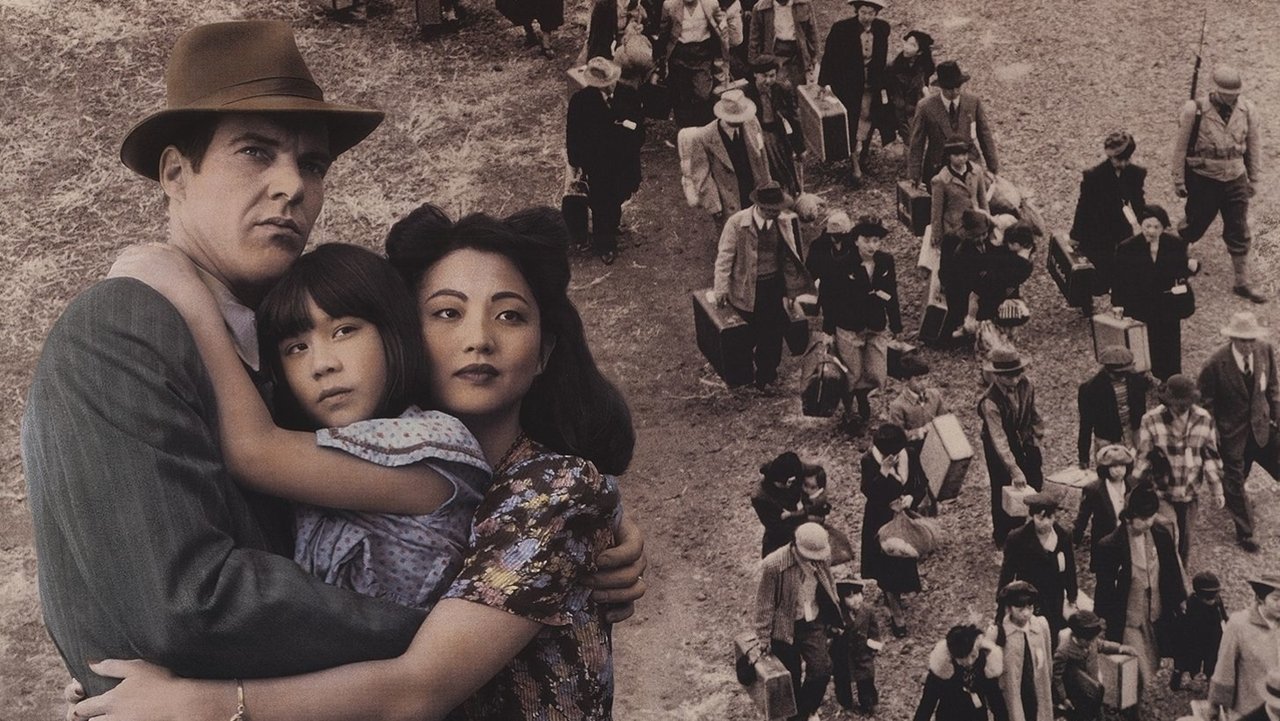
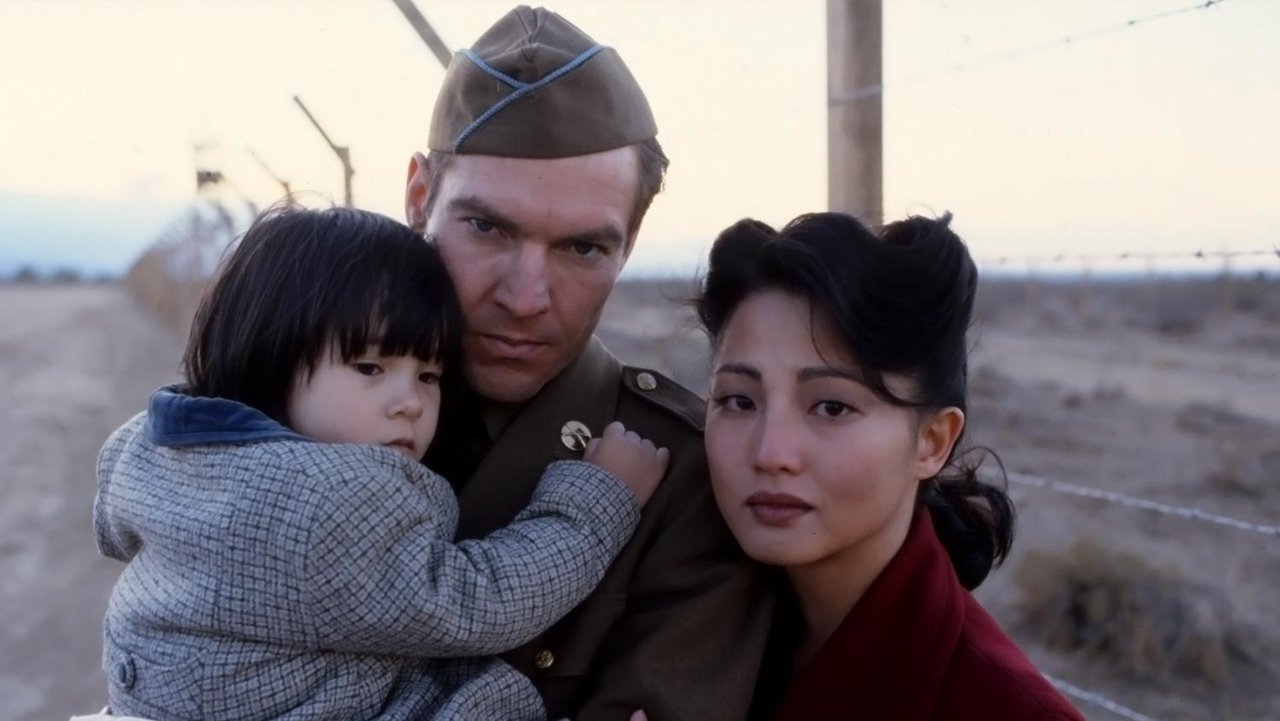
The film doesn't shy away from the abruptness and cruelty of Executive Order 9066. We see the fear, the confusion, and the quiet dignity of the Kawamura family and their community as they are forced from their homes, businesses shuttered, lives uprooted, with only what they can carry. Jack, drafted into the army shortly after Pearl Harbor, becomes a horrified witness, separated from Lily and their young daughter, Mini, who are swept up in the forced relocation to desolate internment camps.
A Story That Needed Telling
What strikes you watching Come See the Paradise now, perhaps even more than upon its initial release, is its earnest attempt to humanize a historical tragedy. Alan Parker was reportedly moved to make the film after seeing Ansel Adams' poignant photographs of the Manzanar War Relocation Center, and his dedication to authenticity is evident. He conducted extensive research, interviewing over 90 former internees to capture the nuances of their experiences. This commitment shines through in the film's atmosphere – the dusty, makeshift reality of the camps, the resilience of the community within the wire, the generational tensions, and the quiet acts of defiance and endurance.
The performances are central to the film's emotional weight. Dennis Quaid, then riding high on hits like The Big Easy (1986) and Great Balls of Fire! (1989), brings his characteristic energy to Jack, but it's tempered with a vulnerability and righteous anger that feels genuine. He serves as the audience's surrogate, an outsider grappling with the sheer injustice unfolding before him. Yet, the film truly belongs to Tamlyn Tomita. In what was a significant leading role following her debut in The Karate Kid Part II (1986), she delivers a performance of remarkable grace and strength as Lily. She navigates the complexities of loving Jack while remaining deeply connected to her family and heritage, embodying the emotional core of the narrative. The supporting cast, particularly veteran actor Sab Shimono as Lily’s father, adds layers of authenticity and gravitas, portraying the cultural conflict and quiet suffering with profound dignity.
Craft and Context
Parker's directorial hand is assured, working with cinematographer Michael Seresin (who also shot Midnight Express and later Harry Potter and the Prisoner of Azkaban (2004)) to create visuals that contrast the warmth of Little Tokyo and the pre-war period with the stark, windswept landscapes of the internment camps (filmed largely in Oregon and Washington state). Randy Edelman’s score, while occasionally leaning into sentimentality typical of the era, effectively underscores the emotional beats without overwhelming them.
Interestingly, despite its important subject matter and talented cast, Come See the Paradise was a commercial disappointment upon release, grossing less than $6 million against a budget estimated around $22 million. Perhaps audiences in 1990 weren't ready to confront this difficult part of American history, or maybe the blend of romance and historical drama didn't quite connect with the zeitgeist. It received mixed-to-positive reviews, but largely flew under the radar – a fate that seems unjust given the film's sincerity and significance. I remember seeing the VHS box, often relegated to the 'Drama' section, distinct but perhaps overlooked next to flashier action or comedy tapes.
Why It Still Matters
Rewatching Come See the Paradise today is a potent reminder of cinema's power to illuminate history and foster empathy. While some might find the focus on the white protagonist's perspective a narrative concession of its time, the film unequivocally condemns the racism and fear that led to the internment. It forces us to ask: how thin is the veneer of civility when fear takes hold? What does it mean to be loyal, to family, to country, when those loyalties are tested by prejudice? The film doesn't offer easy answers, but it presents the human cost with affecting clarity. It’s a story less about blame and more about bearing witness, about remembering the faces and names behind the historical event.

Rating: 8/10
This score reflects the film's powerful subject matter, Parker's earnest direction, and the moving performances, particularly from Tamlyn Tomita and the supporting Japanese American cast. While perhaps not flawless in its narrative structure (occasionally dipping into melodrama), its historical importance and emotional sincerity elevate it significantly. It successfully uses a personal story to shed light on a broader injustice, achieving a poignant resonance that justifies its place as a significant, if underseen, film from the era.
Come See the Paradise remains a vital, thought-provoking piece of filmmaking. It may not have been a blockbuster, but its quiet power and historical conscience ensure it deserves to be remembered and revisited, perhaps now more than ever. It stands as a testament to stories that demand to be told, even when they're hard to watch.