There’s a certain kind of quiet that settles in after witnessing profound injustice, a stillness heavy with unspoken rage. Stanislav Govorukhin’s The Rifleman of the Voroshilov Regiment (Voroshilovskiy strelok, 1999) doesn’t just depict this quiet; it weaponizes it, crafting a film that arrived late in the VHS era but carried the grim weight of a society grappling with its soul. Forget flashy action; this is a slow burn, a meticulously plotted descent into the grey areas where justice fails and vengeance takes root.
A Grandfather's Stand
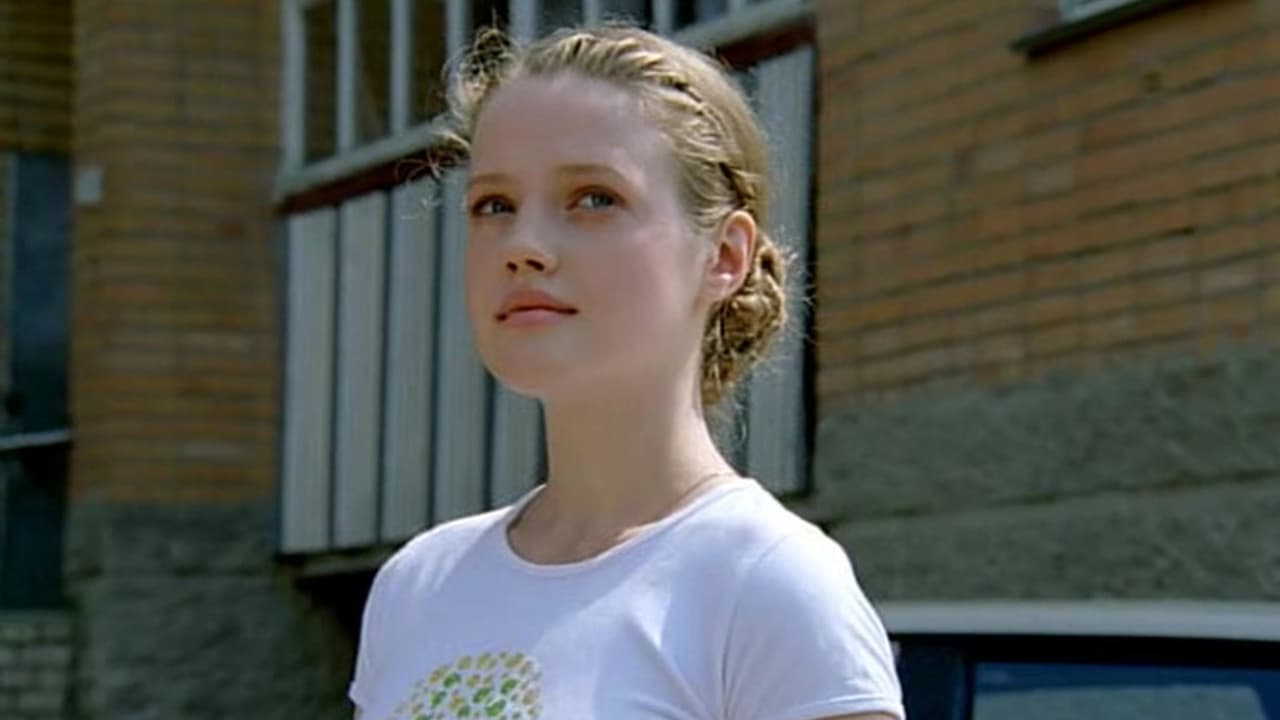
The premise is agonizingly simple: Ivan Afonin (Mikhail Ulyanov), a decorated WWII veteran and former sharpshooter (hence the somewhat evocative, yet ironically detached title referencing a Soviet-era marksmanship badge), lives a quiet life with his beloved granddaughter, Katya (Anna Sinyakina). This fragile peace is shattered when Katya is brutally assaulted by three affluent young men, shielded by connections and parental indifference. When the legal system, crippled by corruption and apathy, offers no recourse, Afonin sells his humble dacha. The purpose? To acquire a silenced sniper rifle. What follows isn't a spree, but a chillingly methodical campaign to exact a very specific, terrible price from each perpetrator.
The Unflinching Gaze of Ulyanov
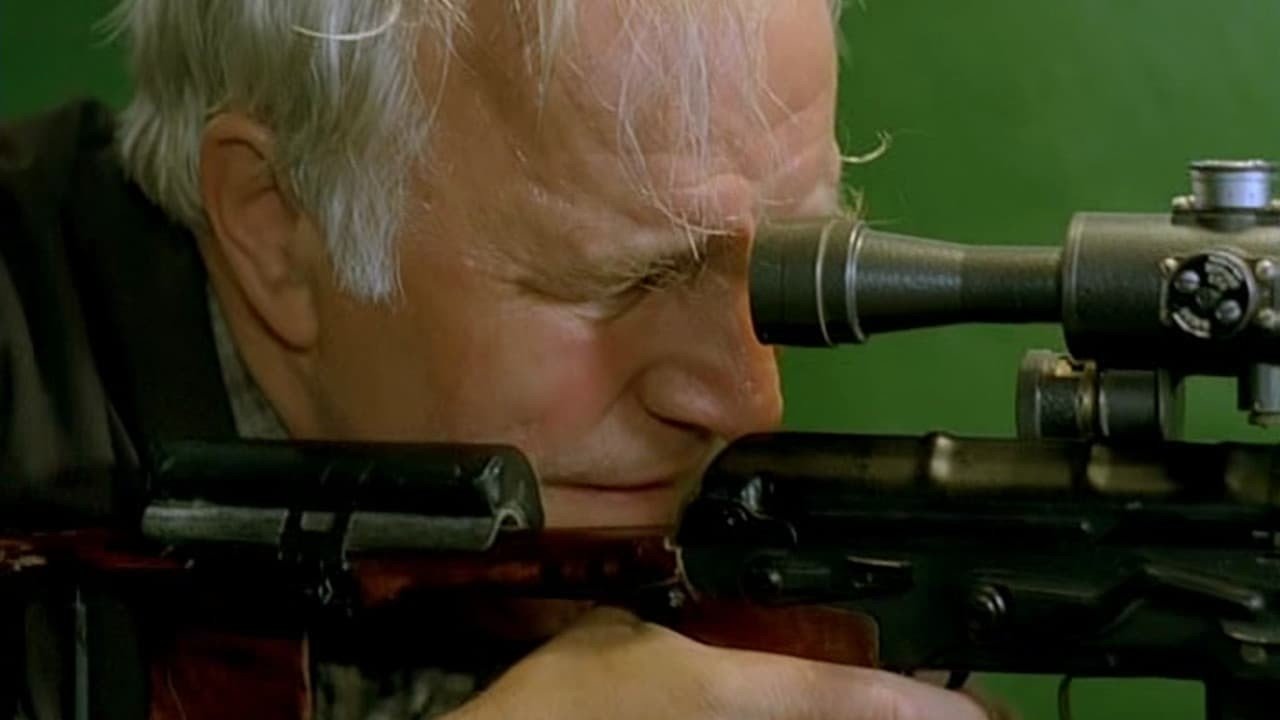
At the heart of this film lies the monumental performance of Mikhail Ulyanov. A true legend of Soviet and Russian cinema, often remembered for powerful roles like Marshal Zhukov or even Lenin, Ulyanov brings an almost unbearable gravitas to Ivan Afonin. There's no histrionics, no overt declarations of vengeance. Instead, we see the pain etch itself onto his face, the warmth in his eyes towards Katya hardening into glacial resolve when confronting the perpetrators or the indifferent authorities. His movements are deliberate, his gaze unwavering. It’s in the set of his jaw, the almost imperceptible tremor in his hand as he prepares his weapon, that the film’s devastating power resides. You feel the weight of his past, the quiet dignity of his generation clashing against the brazen amorality of the new Russia. He makes Afonin’s transformation utterly believable, forcing us to confront uncomfortable questions about our own limits.
A Cold Dose of Reality
Director Stanislav Govorukhin, who also co-wrote the screenplay adapting Viktor Pronin's novel "Woman on Wednesdays," approaches the material with a stark, almost unadorned style. Having directed the beloved Soviet TV miniseries The Meeting Place Cannot Be Changed (1979) and the bleak adaptation of Ten Little Indians (1987), Govorukhin was no stranger to crime narratives or societal critique. Here, he avoids stylistic flourishes, letting the grim reality of the situation speak for itself. The Moscow depicted isn’t one of tourist postcards; it’s a landscape of worn apartments, indifferent officials, and the casual cruelty of the newly powerful. This realism anchors the film, making Afonin's extraordinary actions feel like the desperate, perhaps inevitable, response of a man pushed beyond endurance. Interestingly, Govorukhin himself was a prominent political figure in post-Soviet Russia, serving in the State Duma, which adds another layer to the film's sharp critique of state institutions and corruption. It’s less a polemic, more a weary sigh captured on film.
Justice Denied, Vengeance Born
The Rifleman doesn't shy away from the ugliness of the crime or the chilling nature of the revenge. It lays bare the impotence felt by ordinary citizens facing a system seemingly designed to protect the privileged few. This resonated powerfully in late 90s Russia, a period marked by economic turmoil and a pervasive sense of lawlessness, contributing to the film's significant popularity and controversy. Does the film endorse Afonin’s actions? It’s deliberately ambiguous. We understand his motivation, perhaps even sympathize with his righteous anger, but Govorukhin forces us to witness the cold, almost surgical precision of his vengeance, preventing easy catharsis. The targets, including characters played effectively by Ilya Drevnov, Aleksei Makarov, and Marat Basharov, are depicted as loathsome, yet the nature of Afonin's retribution is deeply unsettling. Is this justice, or something darker born from its absence? What happens to a man, even a good man, when he takes the law into his own hands in such a calculated way?
Echoes in the Silence
Watching The Rifleman of the Voroshilov Regiment today, perhaps on a well-worn DVD rather than a rental VHS for many of us outside Eastern Europe, it feels less like a genre thriller and more like a potent social drama wrapped in a revenge narrative. The specific context may be late 90s Russia, but the themes of systemic failure, the abuse of power, and the agonizing choice between powerlessness and transgression feel disturbingly universal. The film’s quiet intensity, anchored by Ulyanov’s unforgettable performance, lingers long after the credits roll. It doesn't offer easy answers, but poses questions that echo in the uncomfortable silence it leaves behind.
Rating: 8.5/10
This score reflects the film's powerhouse central performance, its unflinching portrayal of a grim reality, and its courage in tackling morally complex themes without resorting to easy resolutions. Mikhail Ulyanov is simply magnetic, embodying a generation's disillusionment and quiet fury. While the pacing is deliberate and the tone relentlessly bleak, the film's stark realism and thought-provoking questions make it a compelling, if challenging, watch. It’s a stark reminder that sometimes the most terrifying monsters aren't supernatural, but all too human, and the silence of justice deferred can be the loudest sound of all.