It begins not with a bang, but with the quiet, almost hopeful rhythm of life in the late 60s Bronx. Yet, even in these early moments of Dead Presidents, there's an undercurrent, a sense of gathering clouds that hints at the storm to come. Released in 1995, this sophomore effort from the Hughes Brothers (Albert Hughes and Allen Hughes), following their explosive debut Menace II Society (1993), doesn't just tell a story; it paints a sprawling, often brutal mural of disillusionment, tracing the trajectory of young Black men from hopeful neighborhood kids to scarred Vietnam veterans, and ultimately, to desperate criminals.
From Innocence Lost to a War Abroad
The film centers on Anthony Curtis, portrayed with compelling depth by Larenz Tate. We meet him as a bright-eyed high school graduate, weighing college against the pull of duty – or perhaps, the perceived escape – offered by the Marines and the escalating conflict in Vietnam. There's a palpable sense of community in these early scenes, shared beers on stoops, youthful boasting, the magnetic pull of Kirby (Keith David, radiating world-weary charisma even then, a presence familiar from classics like Platoon (1986) and They Live (1988)) – the local numbers runner who represents a different kind of path. The Hughes Brothers masterfully establish this pre-war world, making the inevitable plunge into the horrors of Vietnam all the more jarring.
The Vietnam sequences themselves are visceral and terrifying, pulling no punches in depicting the chaos, the brutality, and the psychological toll. It’s here Anthony, alongside his friends Skip (Chris Tucker, in a role showcasing dramatic chops alongside his trademark energy, just before Friday made him a household name) and Jose (Freddy Rodríguez), are irrevocably changed. The film doesn't shy away from the specific trauma inflicted, the moments that sever ties with the world they once knew.
The Unwelcoming Homecoming
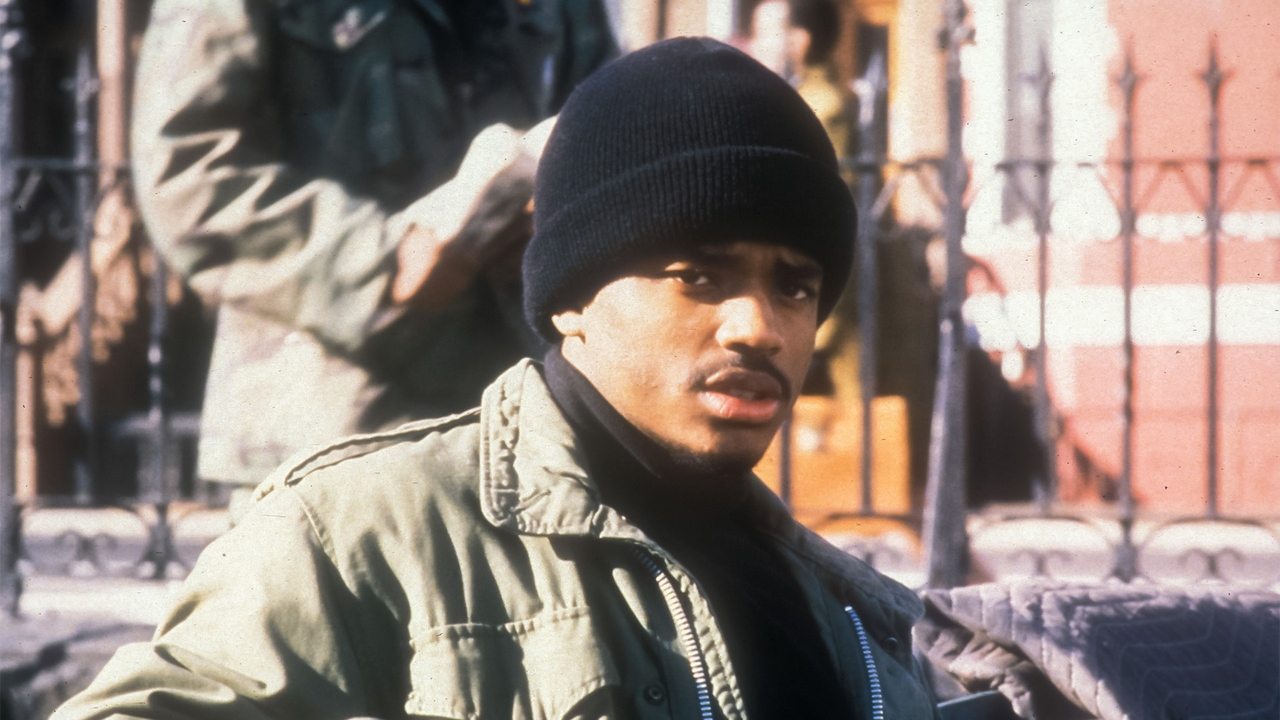
If Vietnam was hell, the return home proves to be a different kind of purgatory. This is where Dead Presidents truly finds its mournful heart. Anthony comes back decorated but damaged, seeking the American Dream he fought for, only to find doors slammed shut. Jobs are scarce, opportunities evaporate, and the society he sought to protect seems indifferent, if not actively hostile, to his plight and that of his fellow veterans. The vibrant neighborhood feels dimmer, the promises emptier. His relationship with Juanita (Rose Jackson) frays under the weight of economic hardship and unspoken trauma.
The Hughes Brothers use this section to explore the systemic failures – the lack of support for veterans, the insidious racism, the economic despair that grinds down hope. It’s a slow burn, watching Anthony’s optimism curdle into desperation. You feel the walls closing in on him, the sense that conventional paths are blocked, leaving only the dangerous detours offered by figures like Kirby. I remember watching this on a rented VHS tape back in the day, the grainy picture somehow emphasizing the grit and the fading hope on Anthony’s face. The weight of his situation felt incredibly real, even through the static of a CRT screen.

Desperate Times, Desperate Measures
The film culminates in a daring, meticulously planned heist of an armored truck carrying old bills slated for destruction – the "dead presidents" of the title. It’s a plan born of sheer desperation, a last-ditch effort by Anthony and his crew (including Kirby and a dangerously unstable Cleon, played by Bokeem Woodbine) to seize the slice of the pie they feel they've been denied. The preparation and execution of the heist are undeniably tense and visually striking.
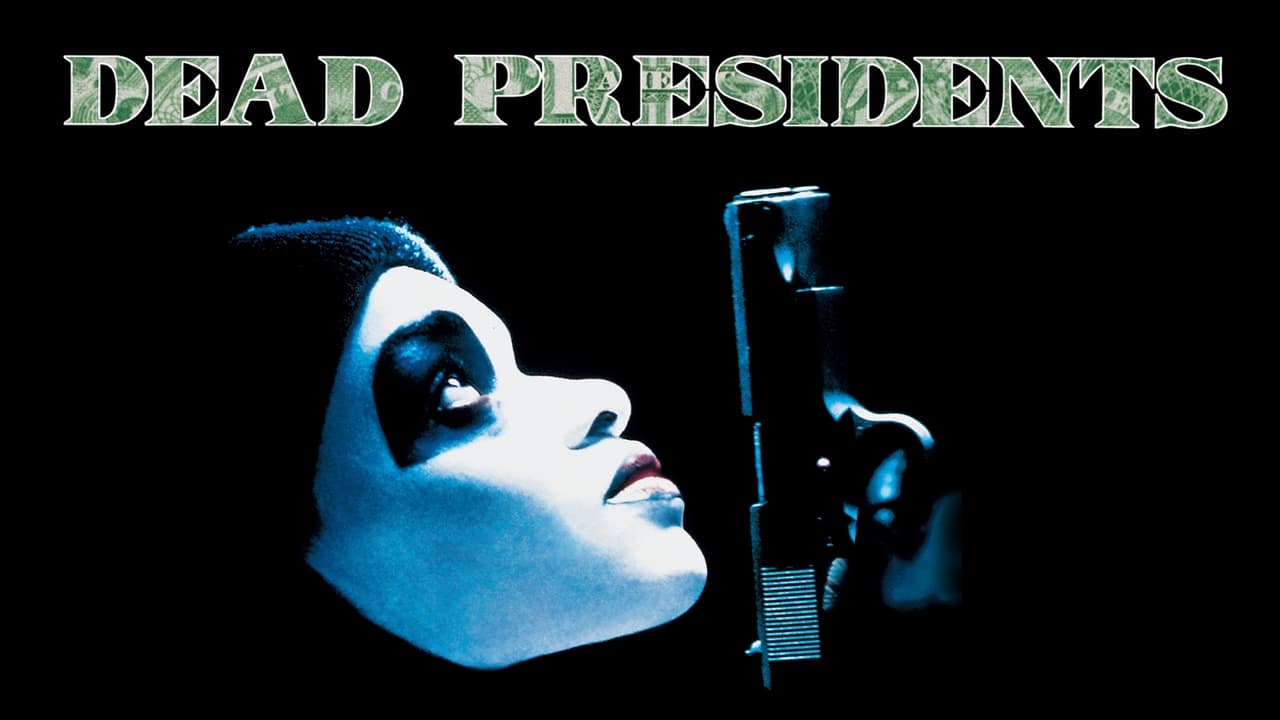
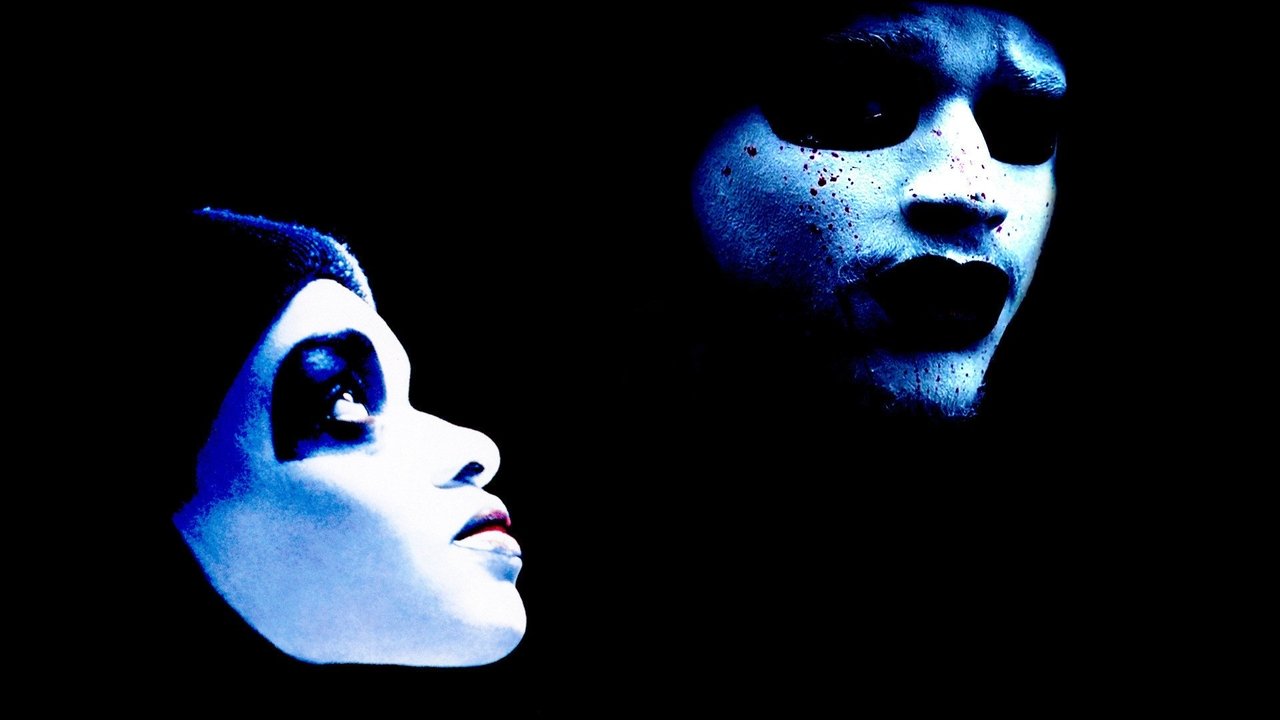
One unforgettable element is the unsettling whiteface makeup, smeared with black accents, worn by the crew during the robbery. It’s a haunting image, partly inspired, believe it or not, by the iconic look of the band KISS, but repurposed here to represent something far more complex – perhaps anonymity, perhaps a bleak commentary on racial masks, or simply a terrifying visual designed to shock and disorient. This bold choice, along with the often graphic violence, certainly earned the film its R rating and likely contributed to some of the ratings board friction the Hughes Brothers often encountered. Shot on a budget of around $10 million, Dead Presidents brought in about $24 million at the box office – respectable, proving audiences were connecting with its challenging narrative, even if it wasn’t a runaway blockbuster.
Style and Substance
The Hughes Brothers bring their signature style – a potent mix of slick visuals, kinetic energy (especially in the action scenes), and an impeccable ear for period-appropriate music. The soundtrack is practically another character, weaving soul and funk classics throughout the narrative, sometimes ironically, sometimes poignantly underscoring the emotional beats. While perhaps not quite as tightly focused as Menace II Society, Dead Presidents feels more ambitious in its scope, attempting to capture a wider swath of history and social commentary.
Does it succeed entirely? The pacing occasionally meanders in its middle section, and some supporting characters feel less developed than others. Yet, the cumulative effect is powerful. Larenz Tate carries the film with a performance that charts Anthony’s heartbreaking evolution from innocence to hardened resolve and, finally, to tragic resignation. Keith David provides a grounding presence, embodying the weary wisdom of the streets. And Chris Tucker, as Skip, delivers moments of levity that only serve to highlight the surrounding darkness before his character’s own arc takes a grim turn.
Final Thoughts: A Heavy Crown
Dead Presidents isn't an easy watch. It's a bleak, often brutal examination of broken promises and the devastating aftermath of war fought by those who are then forgotten by the country they served. It asks uncomfortable questions about sacrifice, reward, and the systemic barriers that can turn heroes into outlaws. What happens when the structures meant to support you actively work against you? The film suggests the answers are complex and often tragic.
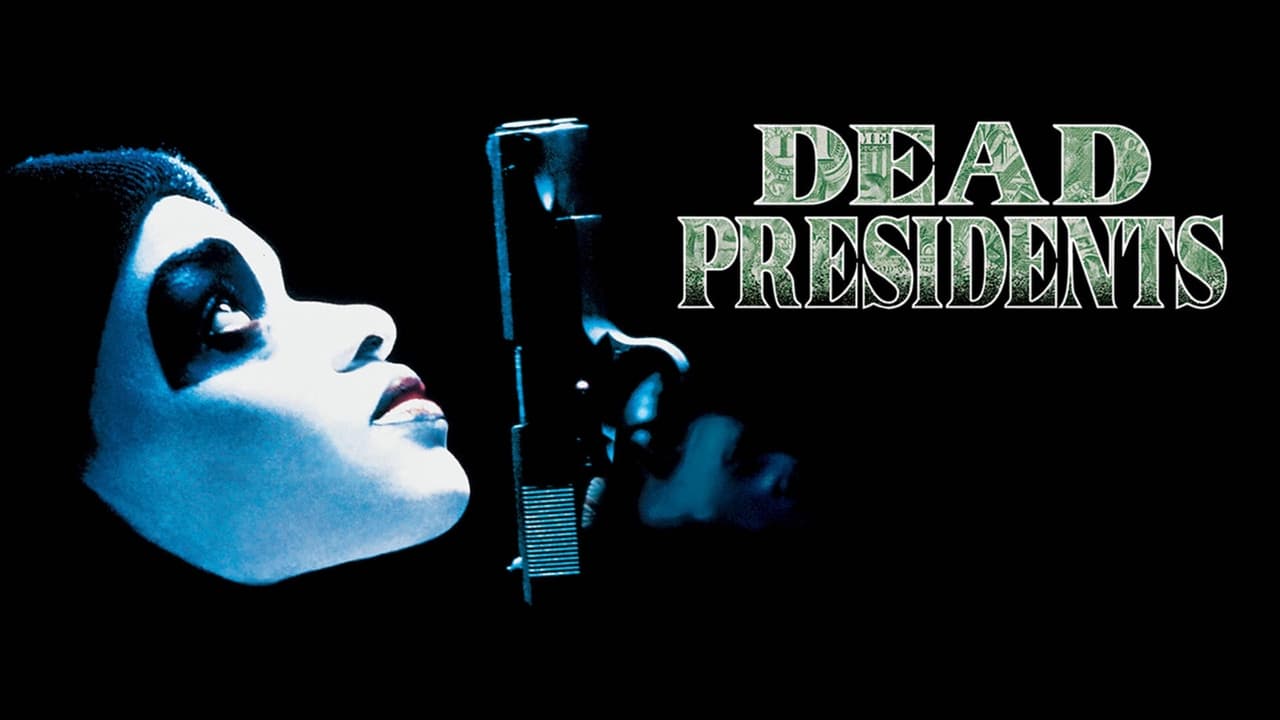
It’s a film that lingers, not for its heist mechanics, but for its portrayal of curdled hope and the faces staring out from behind that chilling white makeup. It’s a vital piece of 90s cinema, ambitious and unflinching.
Rating: 8/10
This score reflects the film's powerful thematic resonance, Larenz Tate's superb central performance, the Hughes Brothers' distinct directorial vision, and its unflinching look at a difficult chapter of American history. While occasional pacing issues slightly detract, its ambition and impact are undeniable. It’s a film that earns its weight, leaving you contemplating the cost of war long after the VCR spat out the tape. What future is there for those deemed expendable, both on the battlefield and back home?