The air hangs thick and heavy, smelling of cordite and exhaust fumes. This isn't the neon haze of Miami Vice; it's the grit-choked reality of Italy in the mid-90s, a country wrestling with the shadow of the Mafia. Palermo – Milan One Way (Palermo Milano solo andata) plunges you headfirst into that shadow, a relentless journey where every kilometer closer to safety feels like a mile deeper into danger. Forget slick Hollywood heroics; this 1996 Italian crime thriller offers something rawer, more desperate, a feeling that lingered long after the tracking adjusted on the VCR.
The Weight of the Badge, The Price of Truth
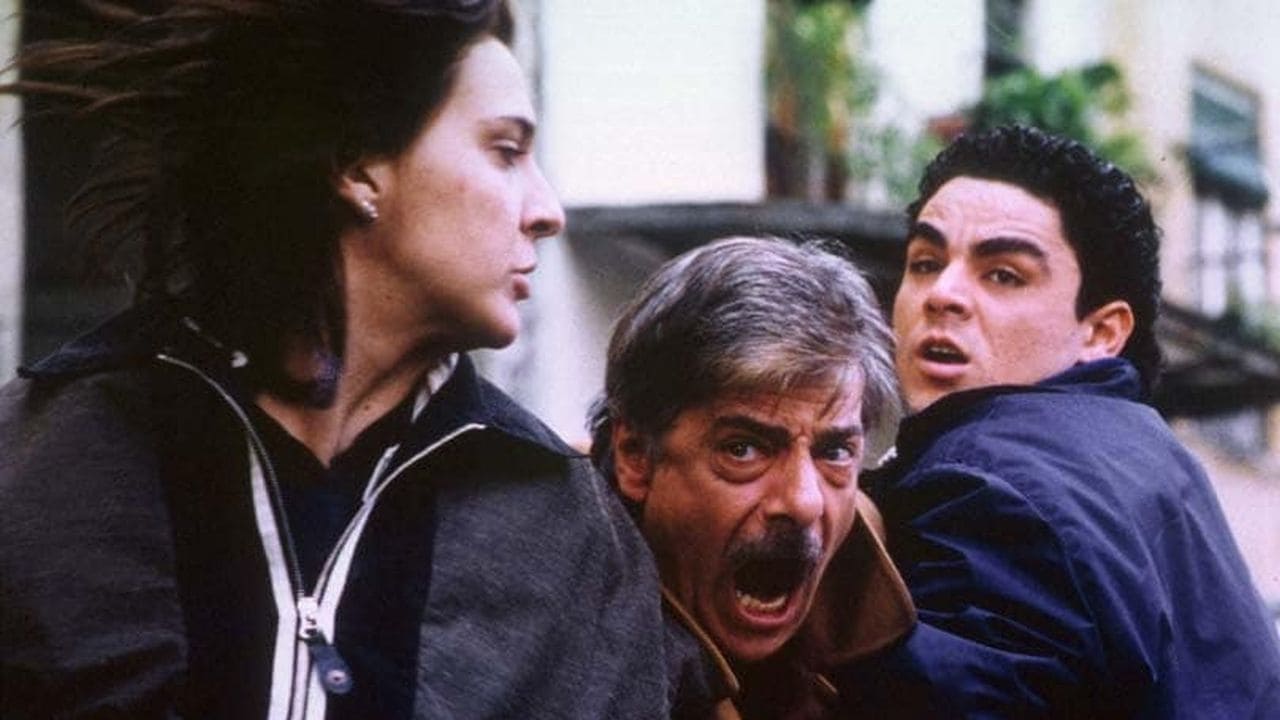
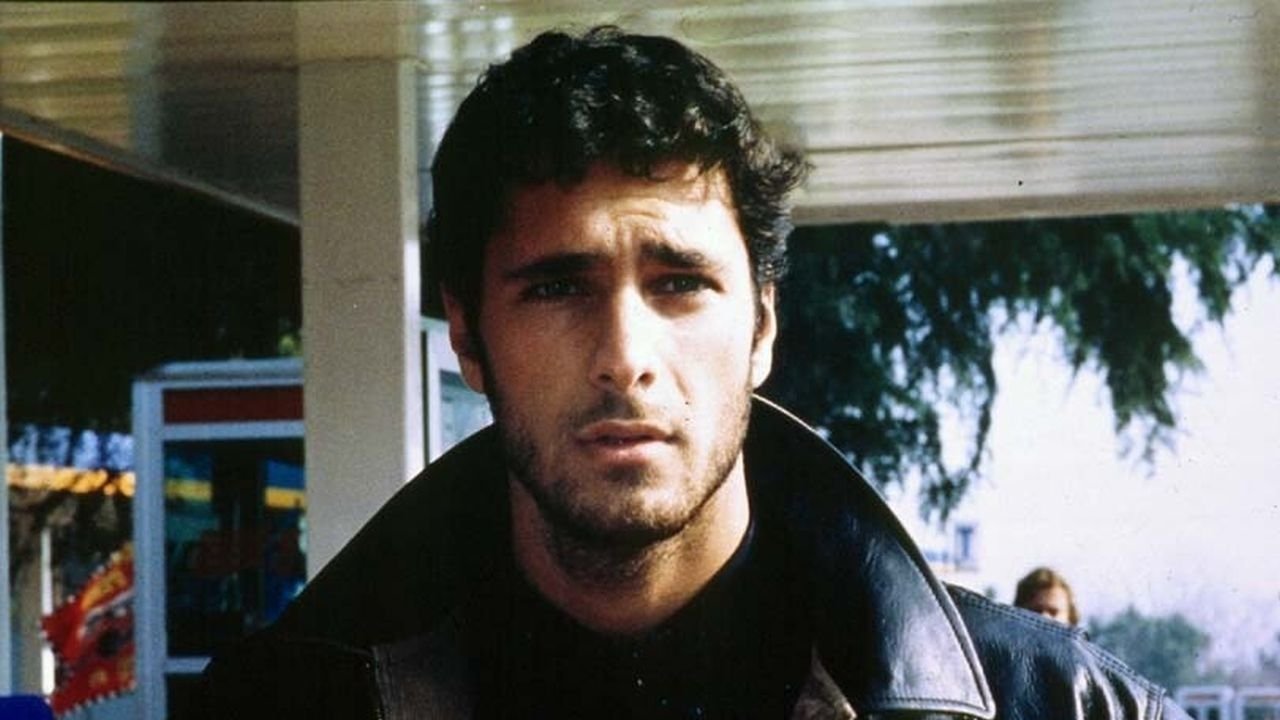
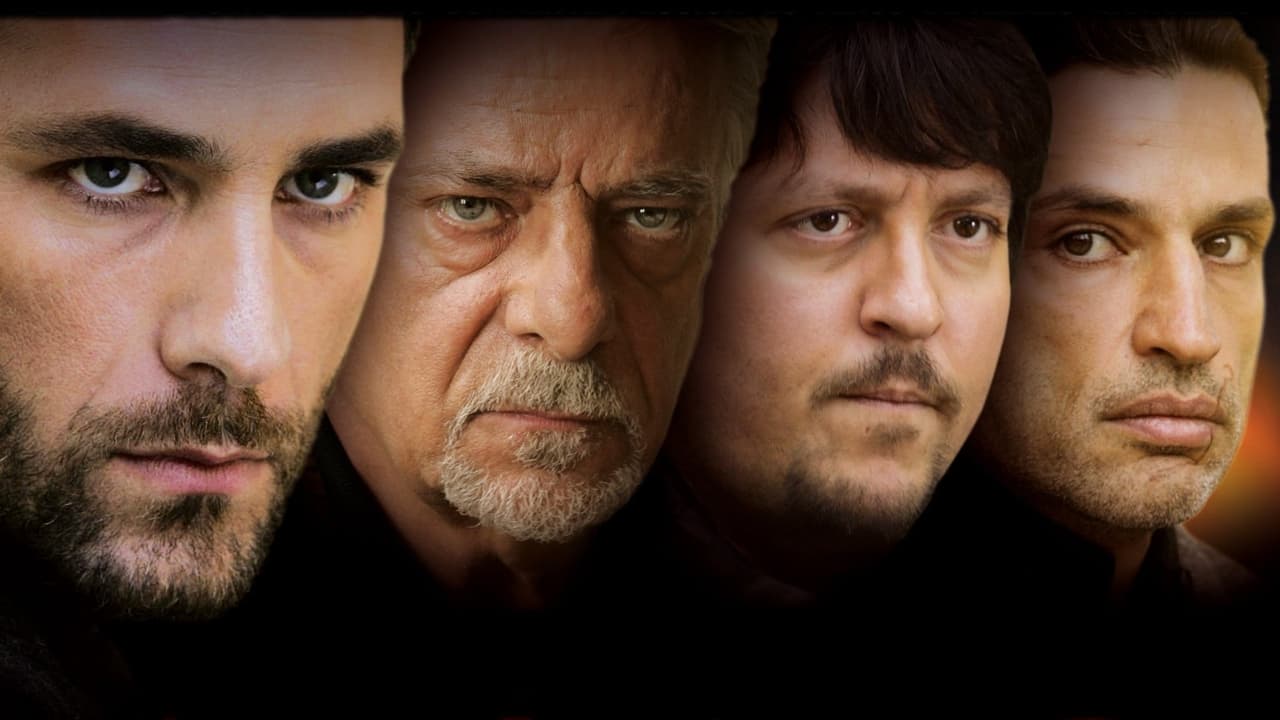
At its heart, the film is a high-stakes escort mission, a staple of the crime genre given a distinctly Italian flavour by director Claudio Fragasso and writer Rossella Drudi. The cargo? Not diamonds or drugs, but a human being: Nino Schirò, a ‘pentito’, a Mafia informant who holds the keys to unlock devastating secrets about the Cosa Nostra. His testimony can shatter empires, but only if he lives long enough to deliver it. Tasked with the seemingly suicidal mission of transporting him from the viper’s nest of Palermo to the relative sanctuary of Milan is a small, handpicked police squad led by the world-weary veteran, Captain Tarcisio Ajaccio. Giancarlo Giannini, an absolute titan of Italian cinema (long before audiences knew him from Bond entries like Casino Royale), embodies Ajaccio with a profound sense of duty etched onto a face weary from decades of battling an enemy that operates in the daylight as much as the dark. He's the anchor, the steady hand guiding a team – including the younger, eager officers played by Raoul Bova (then a rising star) and Ricky Memphis – through a gauntlet designed to ensure Schirò never reaches his destination.
Relentless Ride Through Hostile Territory
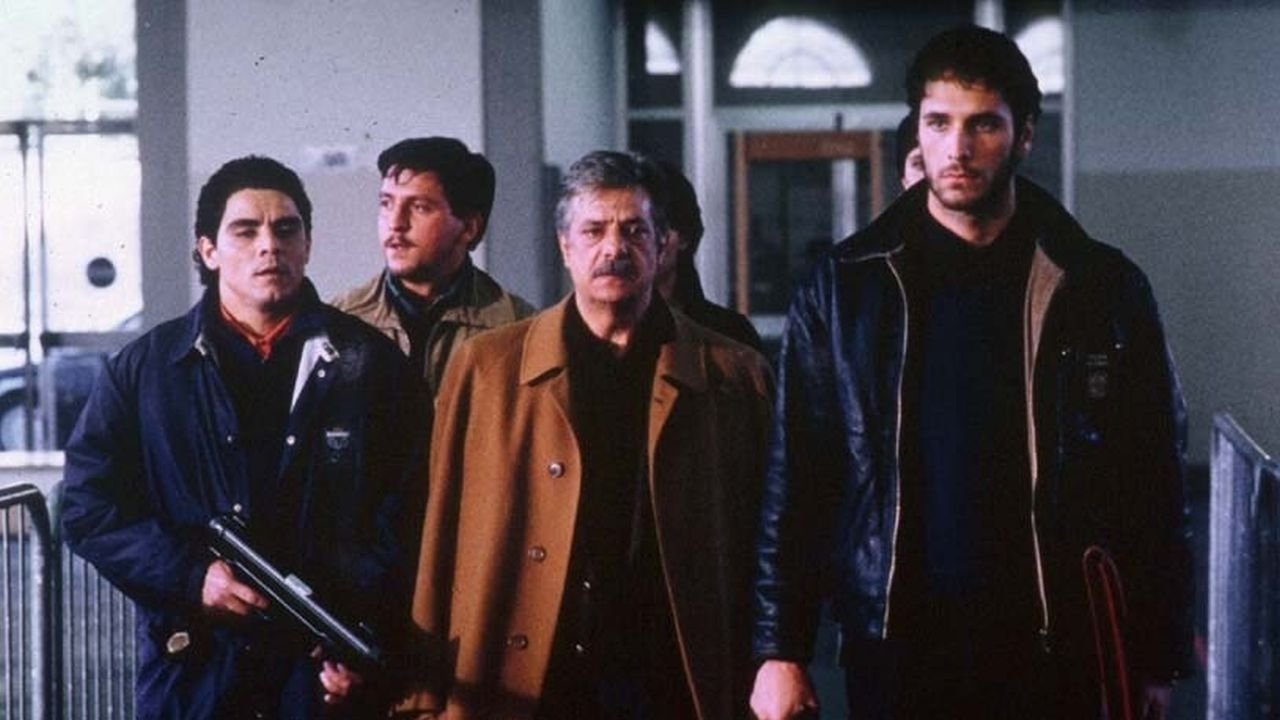
What Claudio Fragasso, perhaps unfairly known in some circles primarily for the cult oddity Troll 2, achieves here is a palpable sense of escalating dread. Working alongside his frequent collaborator and wife Rossella Drudi, Fragasso crafts a narrative inspired by the very real, very dangerous work Italian law enforcement faced with high-profile informants like Totò Cancemi during that era. The film doesn't shy away from the brutality. Action sequences erupt with sudden, shocking violence – ambushes on sun-baked Sicilian highways, tense standoffs in anonymous industrial zones. There's a distinct lack of gloss; the shootouts feel chaotic, desperate, the stakes agonizingly real. The cinematography captures both the stark beauty of the Italian landscape and the oppressive threat lurking within it. This isn't just a backdrop; Italy itself feels like a character, beautiful but potentially lethal at every turn. Remember the feeling of watching these European thrillers on tape? Sometimes a little rough around the edges, maybe an occasionally awkward dub, but pulsating with an energy and realism often missing from their American counterparts.
Giannini's Gravitas, Fragasso's Focus
Giancarlo Giannini is simply magnificent. His Ajaccio is a man carrying the immense burden of responsibility, his quiet commands and weary sighs speaking volumes more than any lengthy monologue could. You see the calculation in his eyes, the weight of past failures, the grim determination to succeed this one time. Raoul Bova and Ricky Memphis provide solid support as the younger contingent, representing the next generation facing the same ingrained corruption. Their dynamic with Giannini adds another layer – respect, tension, the passing of a dangerous torch. It’s this focus on character, even amidst the gunfire, that elevates the film beyond a simple action flick.
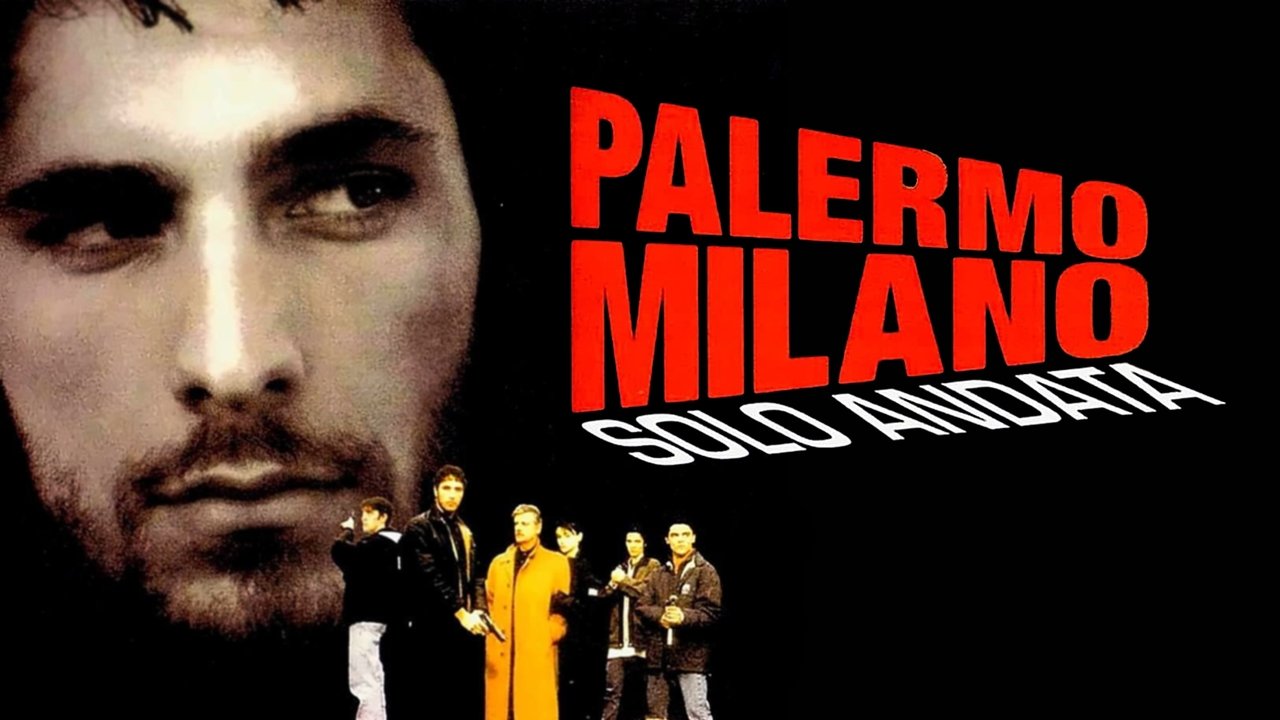
Interestingly, despite Fragasso's association with more outlandish genre fare, Palermo – Milan One Way was taken very seriously in its homeland. It wasn't some obscure B-movie; it was a significant box office success in Italy, reportedly pulling in over 10 billion lire (a hefty sum back then, roughly equivalent to over €8 million today factoring inflation), striking a chord with audiences familiar with the headlines it mirrored. The filmmakers managed to tap into the national anxiety surrounding the Mafia's reach and the bravery of those fighting back. The film feels grounded, researched, its procedural elements lending authenticity to the escalating thriller plot. They even filmed on location, adding to that sense of gritty realism – no soundstage could replicate the atmosphere of those actual city streets and highways.
A Grimly Effective Journey
Does Palermo – Milan One Way reinvent the wheel? Not entirely. It adheres to certain crime thriller conventions of the era. Yet, its unwavering focus, its grounded performances led by Giannini, and its specifically Italian context give it a unique power. It captures that distinct 90s Euro-thriller vibe – less stylized than Luc Besson, perhaps, but tougher, more fatalistic. It’s a film that reminds you of the visceral thrill of discovering these harder-edged imports tucked away on the video store shelves, offering a window into a different kind of cinematic tension. Its success even led to a much later sequel in 2007, Milano Palermo – Il ritorno (Milan Palermo – The Return), bringing back some of the original cast, a testament to the original's impact in Italy.
Rating: 7.5/10
This score reflects a genuinely effective, tense, and well-acted Italian crime thriller that delivers exactly what it promises. Giannini's performance alone is worth the price of admission (or rental fee, back in the day). While perhaps not a revolutionary masterpiece, it’s a tightly constructed and gripping example of its genre, benefitting immensely from its grounded approach and authentic Italian setting. It lacks the flashy pyrotechnics of some contemporaries but compensates with raw tension and atmospheric dread.
Palermo – Milan One Way remains a potent slice of 90s European crime cinema. It’s a stark reminder of the life-and-death stakes faced by those standing against organized crime, delivered with a grim intensity that feels chillingly authentic. For fans of gritty thrillers and powerhouse performances, this is one trip absolutely worth taking, even if the destination is fraught with peril. Doesn't Giannini just command the screen, even in his quietest moments?