Some films arrive like polished studio products, designed for mass consumption. Others burst onto the scene raw, jagged, and pulsing with undeniable life, feeling less manufactured and more found. Fruit Chan’s 1997 landmark, Made in Hong Kong, belongs firmly in the latter category. It doesn't just depict the anxieties swirling around the impending Hong Kong handover to China; it feels born of them, crafted from the very grit and uncertainty of that specific moment in time. Watching it again now, decades removed, its power hasn't dimmed – it’s a potent cocktail of youthful nihilism, fleeting tenderness, and DIY filmmaking audacity.
Scraps of Film, Shards of Life
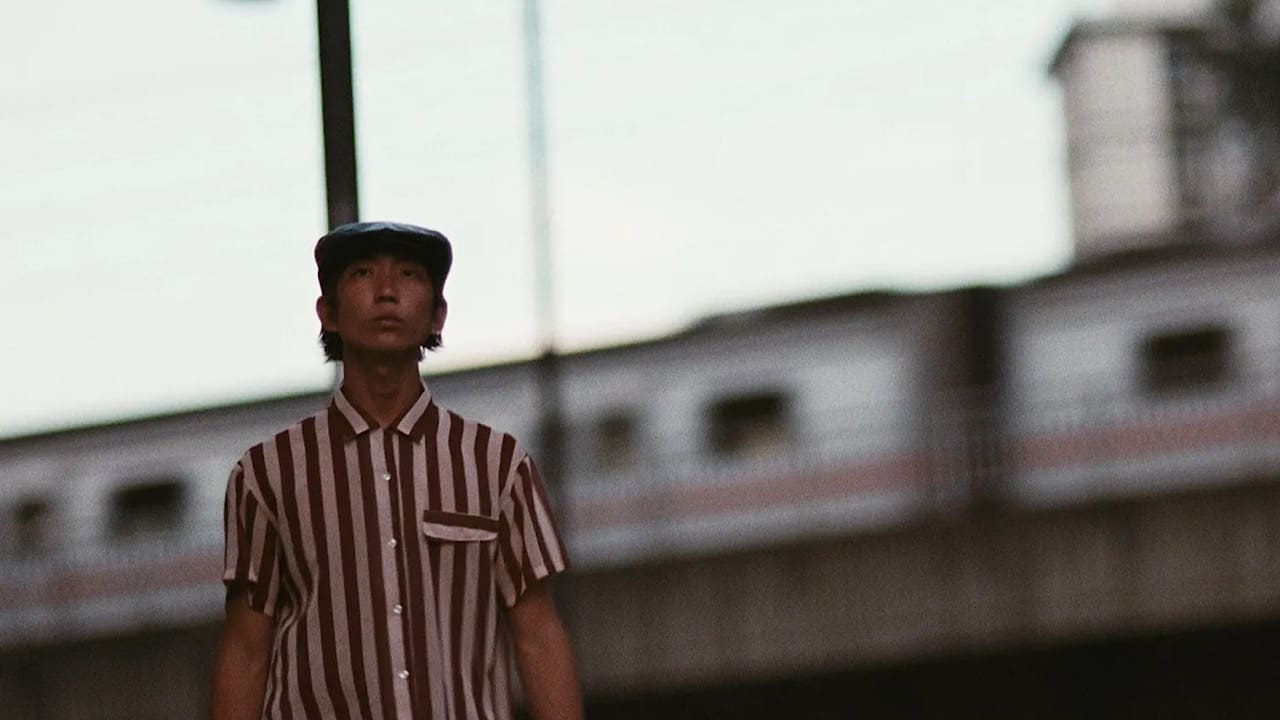
The story behind Made in Hong Kong is almost as compelling as the film itself, and it absolutely informs the viewing experience. Fruit Chan, a director struggling to get projects off the ground, famously made this film for a shoestring budget – reportedly around HK$500,000 (roughly US$65,000 back then, perhaps closer to US$125,000 today, still astonishingly low). Even more remarkably, he shot it using leftover, often expired, 35mm film stock ends donated by various production companies, including crucial support from superstar Andy Lau's Teamwork Production House. This wasn't an aesthetic choice born in a comfortable pre-production meeting; it was sheer necessity. And yet, this constraint becomes one of the film's greatest strengths. The variable quality of the stock, the occasional shifts in colour saturation, the grainy texture – it all contributes to a palpable sense of immediacy and raw realism. It looks like it was salvaged, pieced together from the fragments of a city holding its breath.
Street Poets and Doomed Youth
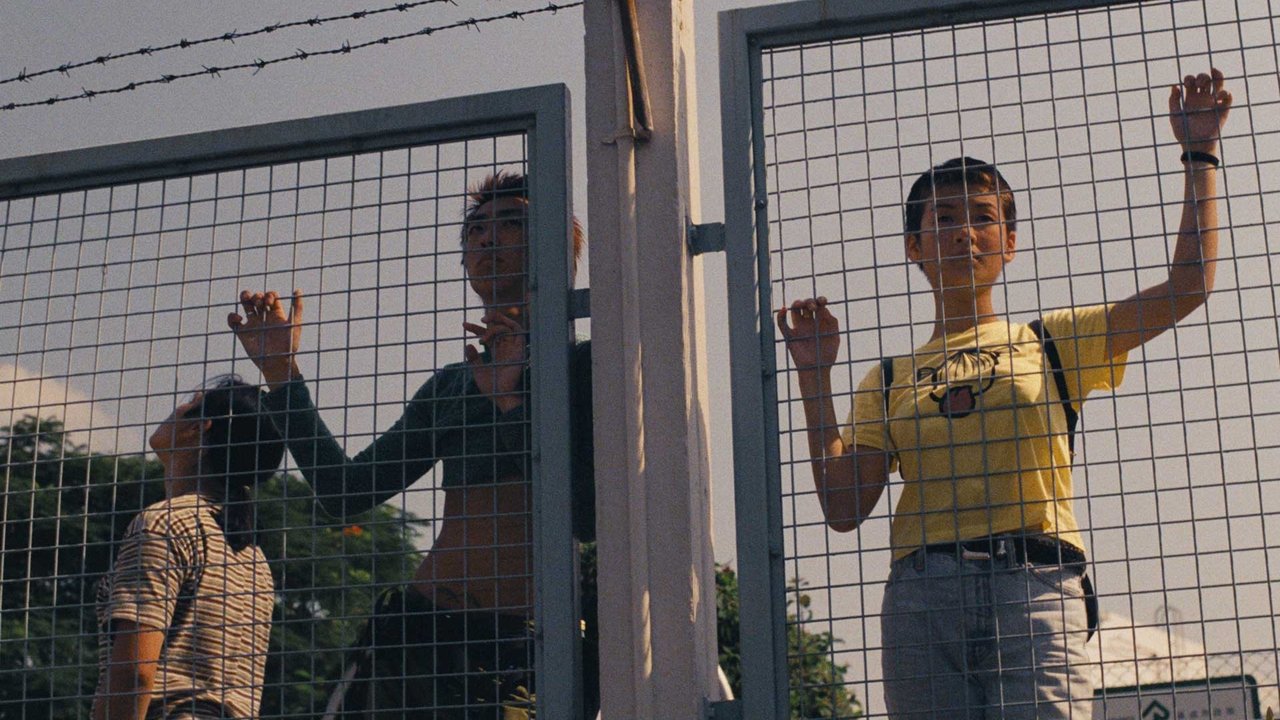
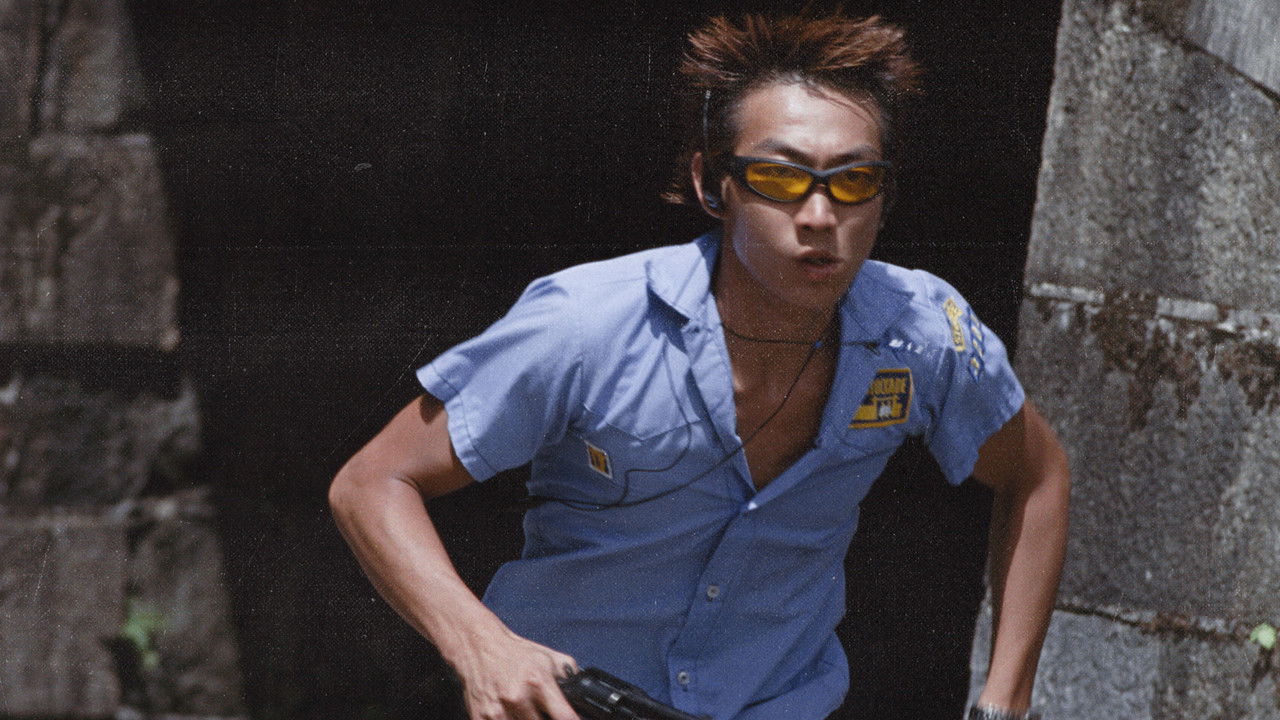
The film follows Mid-Autumn Moon (Sam Lee in a blistering debut), a small-time triad debt collector navigating the decaying public housing estates of Hong Kong. He’s not a hardened gangster, more of a lost boy playing tough, adrift with his intellectually disabled friend Sylvester (a heartbreaking Wenders Li Tung-Chuen). Moon's trajectory takes a turn when he falls for Ping (Neiky Yim Hui-Chi), a young woman suffering from kidney failure, and simultaneously becomes obsessed with fulfilling the dying wish of a suicidal schoolgirl whose blood-stained letters he finds.
What elevates Made in Hong Kong beyond a simple grim youth drama are the performances, particularly from its non-professional leads. Sam Lee embodies Moon with a kinetic, unpredictable energy – swaggering one moment, achingly vulnerable the next. There's no polish, no actorly tics, just a raw nerve exposed on screen. You believe him utterly. Similarly, Neiky Yim Hui-Chi as Ping possesses a quiet resilience that contrasts sharply with Moon's volatility. Their tentative relationship provides the film's fragile core of humanity amidst the overwhelming bleakness. Chan didn't just find actors; he found faces and attitudes that mirrored the city's soul.
Guerrilla Aesthetics, Lasting Echoes
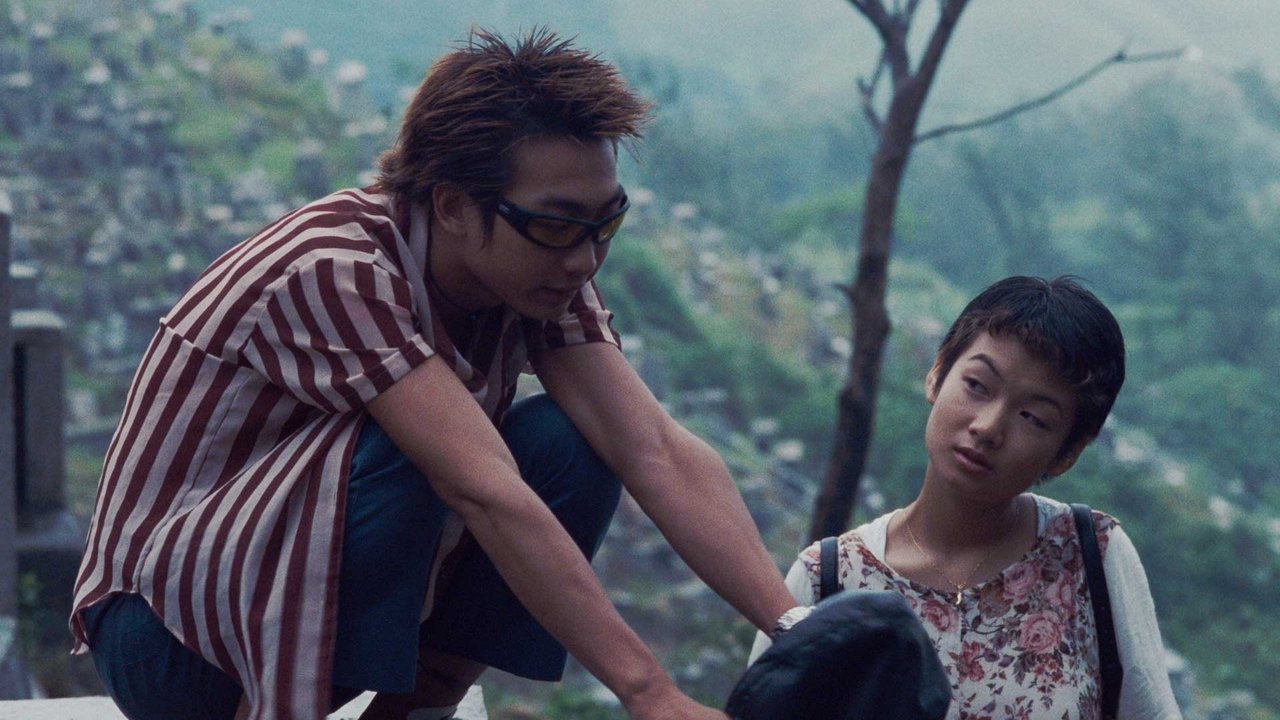
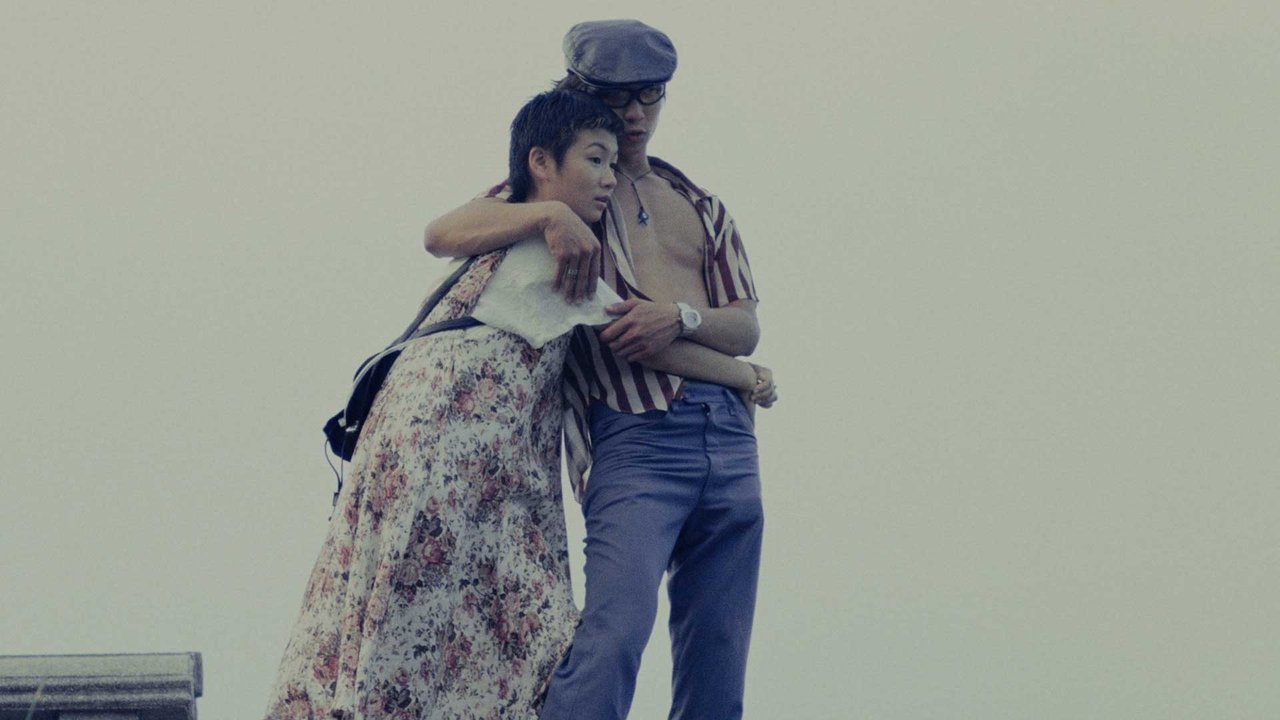
Fruit Chan directs with a restless, handheld energy that mirrors Moon’s own precarious existence. Shot largely without permits on location in sprawling housing estates and grimy back alleys, the film feels intensely grounded. There's no glamour here, just the concrete reality of life on the margins. The camera often lingers, finding unexpected poetry in urban decay or capturing fleeting moments of connection against a backdrop of societal indifference. It’s a style born from necessity but wielded with remarkable confidence. Chan, who also wrote the screenplay, isn’t interested in easy answers or neat resolutions. He presents the violence, the desperation, and the glimmers of hope with an unflinching honesty.
Remember the feeling of discovering a film like this back in the day? Maybe on a worn-out VHS tape from the 'World Cinema' shelf, something utterly different from the Hollywood gloss filling the main aisles? Made in Hong Kong was that kind of discovery. It didn’t just tell a story; it plunged you into a specific time and place with an intensity few films achieve. Its commentary on aimless youth, societal neglect, and the search for meaning in the face of an uncertain future felt urgent then, and perhaps resonates even more complexly now. What future awaits those left behind by progress and politics? The film doesn’t preach, but the question hangs heavy in the humid Hong Kong air it so brilliantly captures.
Final Reckoning
Made in Hong Kong isn't an easy watch. It’s bleak, often brutal, and its low-fi aesthetic might feel jarring to eyes accustomed to digital perfection. But its rawness is precisely its power. It’s a testament to guerrilla filmmaking spirit, a stunning showcase for its young cast, and a vital snapshot of Hong Kong on the cusp of profound change. Its influence on independent Hong Kong cinema is undeniable, proving that powerful stories can emerge from the most challenging circumstances.
Rating: 9/10 - This score reflects the film's raw power, its historical significance as a landmark independent work capturing a specific cultural moment, the astonishing authenticity of its performances, and the sheer audacity of its creation against incredible odds. Its technical imperfections, born of necessity, become integral to its visceral impact.
It’s a film that stays with you, less like a memory and more like a faint scar – a reminder of youthful defiance burning brightly, however briefly, against encroaching darkness.