The low hum of the VCR engaging, the click of the tape slotting home… sometimes the anticipation was the best part. But then there were times, usually late in a franchise's life cycle, when that anticipation curdled slightly with apprehension. So it often was with Candyman: Day of the Dead, the third whisper of his name, released directly to the welcoming, uncritical shelves of the video store in 1999. The promise of Tony Todd's resonant baritone, the chilling urban legend – could it possibly hold up a third time?
Echoes in the Dark
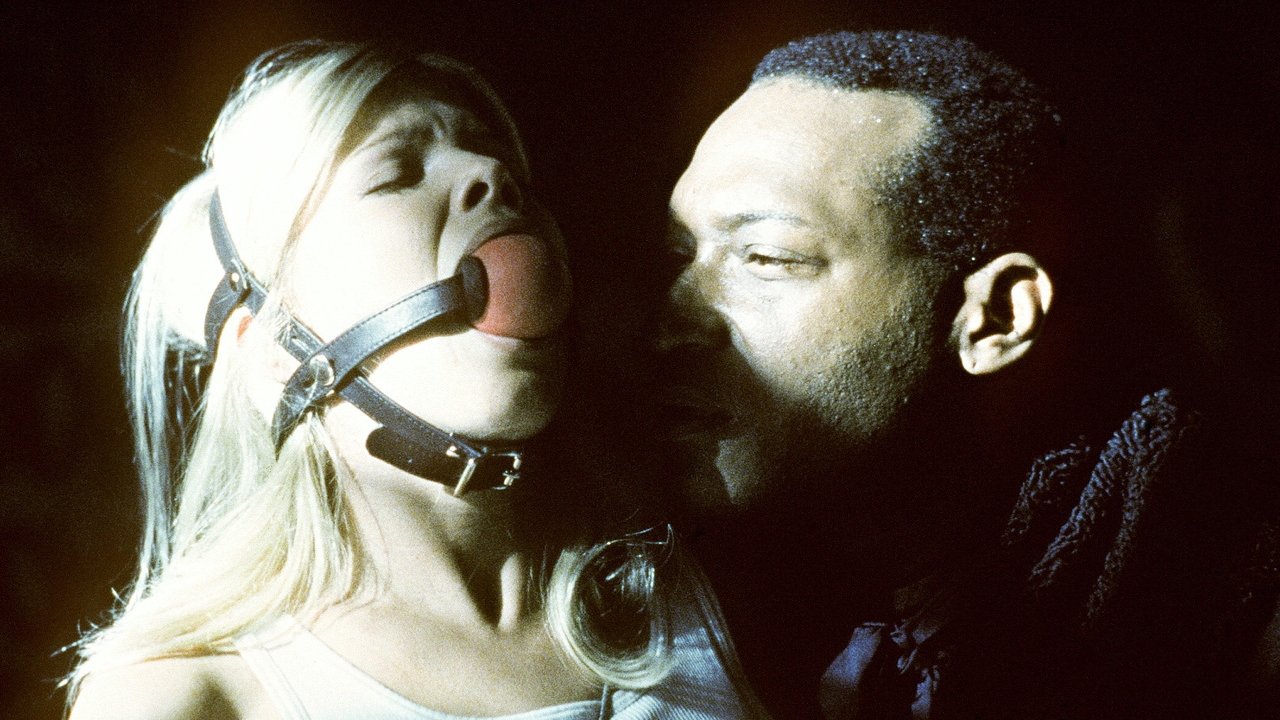
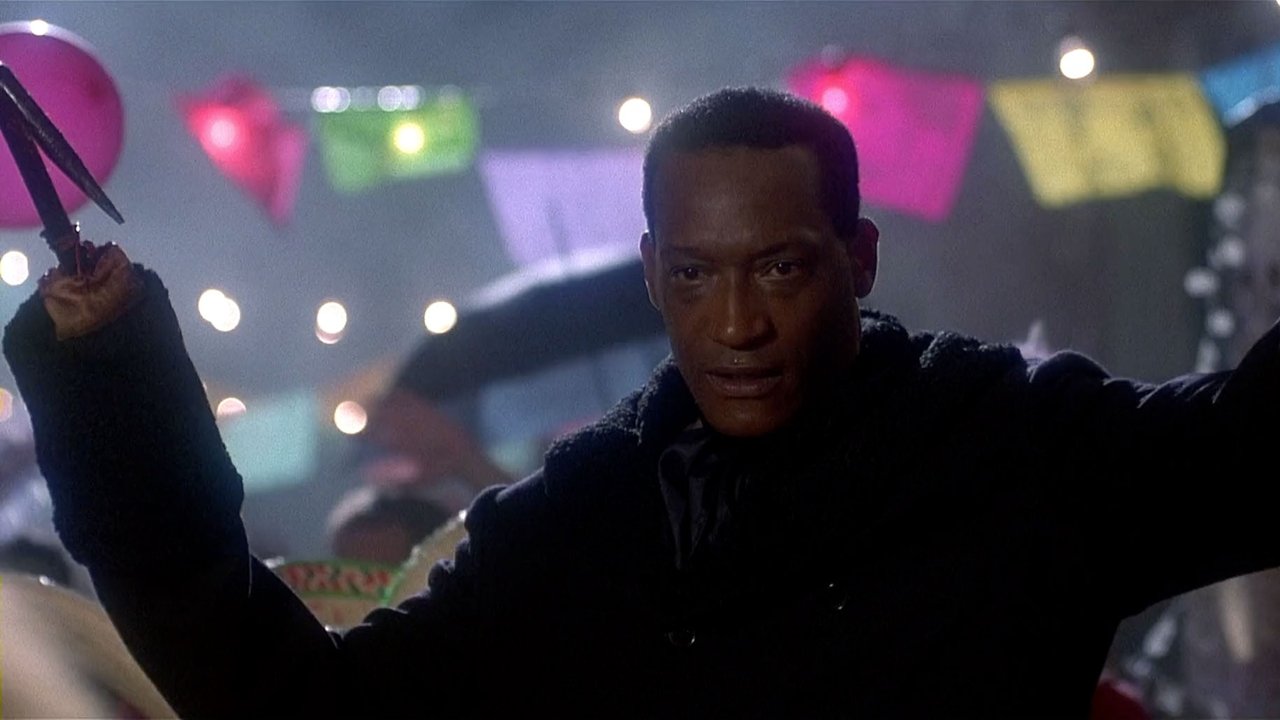
This installment transports the Candyman mythos from the urban decay of Cabrini-Green and the sultry gothic of New Orleans to the vibrant, yet arguably less resonant, backdrop of Los Angeles during Dia de Muertos celebrations. We follow Caroline McKeever (Donna D'Errico, then arguably best known for Baywatch), an art gallery owner and, wouldn't you know it, the last living descendant of Daniel Robitaille, the man who became Candyman. Framed for murders committed by the hook-handed specter himself, Caroline must race against time to prove her innocence and stop Candyman before he claims her soul, seemingly wanting to perpetuate his legend through her suffering.
The change in scenery and the attempt to tie the Candyman legend into Mexican Day of the Dead folklore feels, frankly, a bit forced. While visually distinct, it dilutes the potent, racially charged, and class-conscious horror of Bernard Rose's original 1992 masterpiece, Candyman. That film, adapted from Clive Barker's story "The Forbidden," tapped into something primal about buried histories and the power of belief within marginalized communities. Farewell to the Flesh (1995) already began to stray, but Day of the Dead, helmed by director/co-writer Turi Meyer (who often worked with co-writer Al Septien on genre TV like Buffy the Vampire Slayer and Smallville), feels like it's pulling the narrative threads thin.
The Legend Persists, The Film Falters
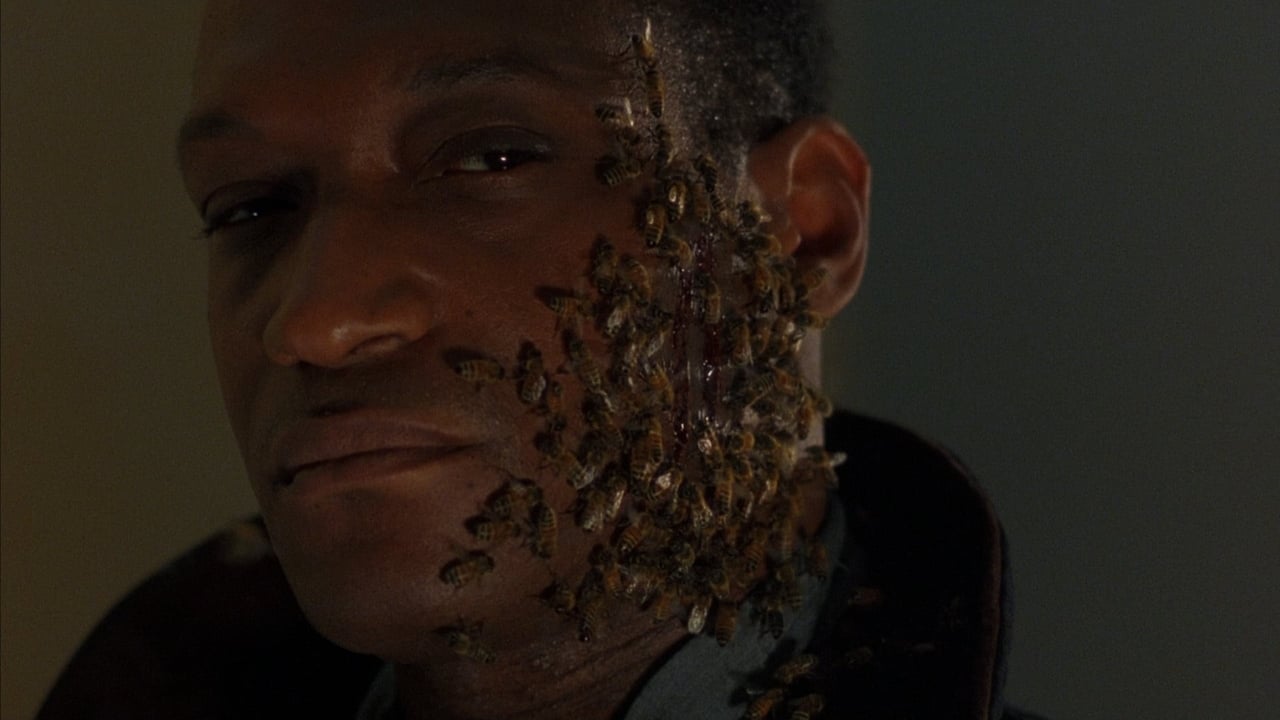
Let's be clear: the singular reason this film avoids tumbling into complete obscurity is Tony Todd. Even with a script that gives him less poetic menace and more straightforward villainy, Todd’s physical presence and that voice – that deep, gravelly, hypnotic voice – remain utterly compelling. He embodies Candyman with a tragic gravity that the surrounding film struggles to match. There's a story, possibly apocryphal but perfectly fitting the Candyman lore, that Todd negotiated a bonus for every bee sting he endured across the films. Whether true or not for this specific entry, it speaks to the commitment he brought, a commitment that often feels like the sole anchor in choppier waters. You can almost sense him trying to elevate the material through sheer force of will.
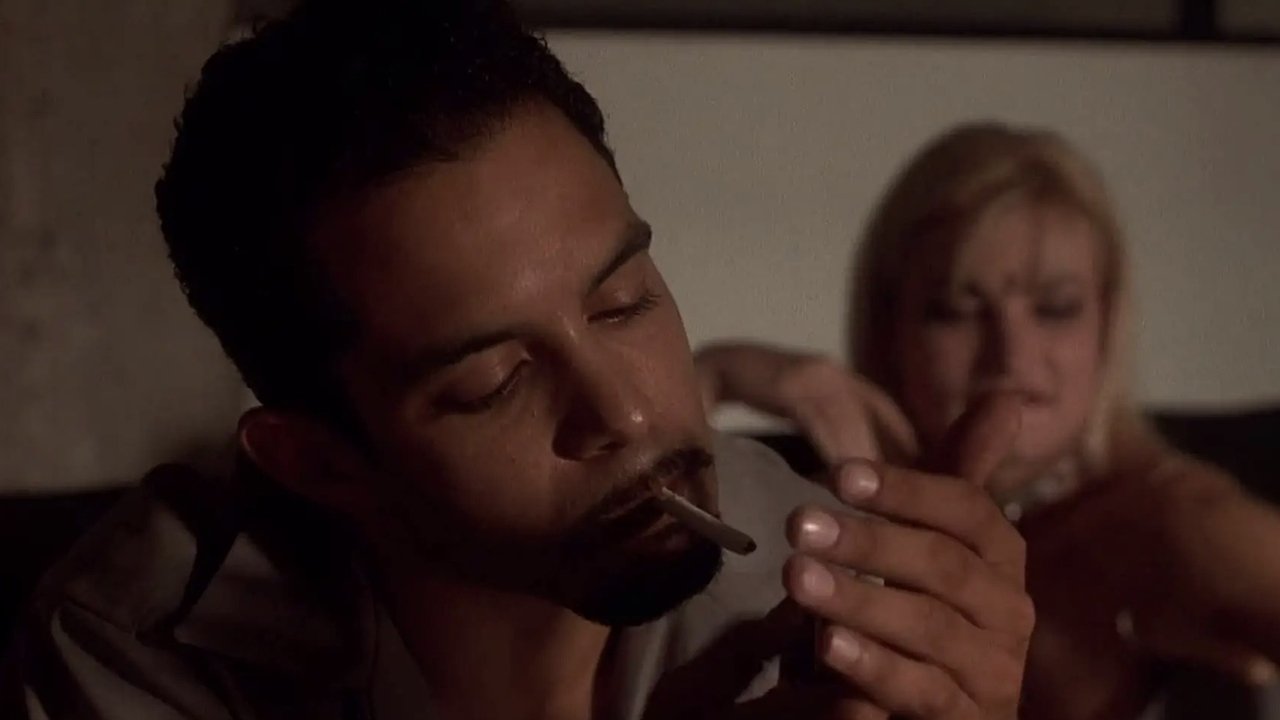
Unfortunately, the rest of the cast struggles. Donna D'Errico gives it her all, but the character feels reactive rather than proactive, often caught in the familiar 'damsel in distress' trope. The supporting characters feel largely functional, existing primarily to become fodder for Candyman's hook or to deliver exposition bluntly. The spark of believable human connection that grounded the original film feels absent here.
Direct-to-Video Dread
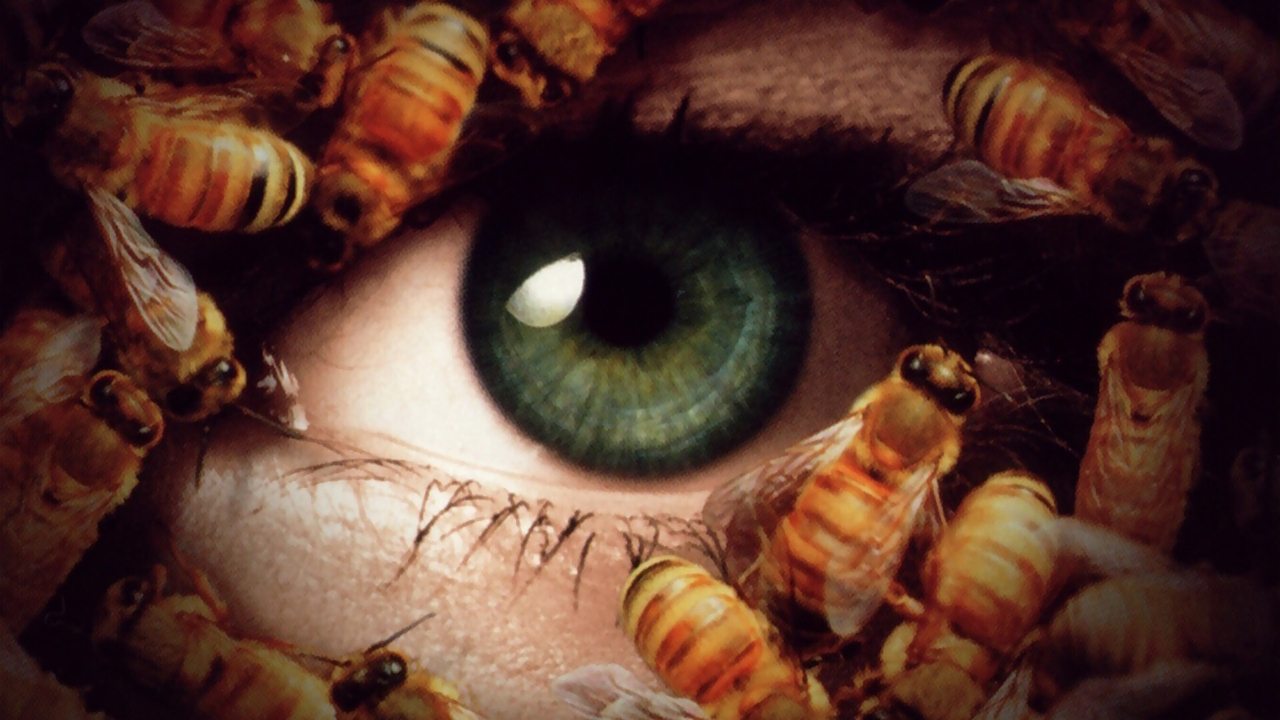
The late 90s were a boom time for direct-to-video (DTV) sequels, and Candyman: Day of the Dead wears its origins on its sleeve. Reportedly made for around $3 million, the production values reflect the budget. While there are attempts at atmospheric lighting and utilizing the Day of the Dead iconography, it often feels less like the stylish, dread-soaked original and more like a competent, if unremarkable, television movie. The practical gore effects are present – the hook does its grim work – but they lack the visceral shock or unsettling artistry of the earlier films. The bee sequences, a terrifying highlight previously, feel somewhat perfunctory here.
One can't help but feel this entry was driven more by the marketability of the Candyman name than by a burning creative desire to expand the mythology in a meaningful way. It hits the expected beats – the summoning in the mirror, the hook attacks, the tragic backstory – but without the same finesse or thematic depth. Did the script perhaps undergo significant changes to fit the DTV mold, or was this the vision all along? It’s hard to say, but the result feels like a shadow, an echo of the terror that once felt so disturbingly real.
Whispers on the Shelf
Watching Candyman: Day of the Dead today evokes a specific type of VHS nostalgia – the memory of browsing aisles packed with familiar titles bearing unfamiliar numbers. You grabbed it because you loved the original, hoping for another dose of that unique dread. Sometimes you found a hidden gem; other times, like this, you found something... less. It's not entirely without merit, primarily thanks to Tony Todd, but it undeniably represents a franchise running on fumes. It lacks the chilling social commentary, the gothic romance undertones, and the sheer atmospheric power that made Candyman (1992) an enduring classic of the genre. The 2021 spiritual sequel directed by Nia DaCosta thankfully steered the legend back towards its more potent roots, largely ignoring this third entry.
VHS Heaven Rating: 3/10
The score reflects the undeniable power of Tony Todd's central performance, which single-handedly pulls the film from the abyss. However, a weak script, uninspired direction, a noticeable dip in production value, and a dilution of the core mythology prevent it from rising above its direct-to-video origins. It fundamentally misunderstands the source of the original's terror.
For Candyman completists or die-hard Tony Todd fans, it’s a necessary, if somewhat disappointing, chapter. For everyone else, stick to summoning him via the 1992 original – that reflection still holds the most terrifying power.