Okay, settle in, fellow travelers of the tape aisle. Let's rewind to a time when ghost stories didn't always need jump scares every five minutes, when atmosphere could crawl under your skin just as effectively. Remember pulling a slightly worn clamshell case off the shelf, intrigued by a moody cover promising chills and secrets? That’s precisely the feeling evoked by Lewis Gilbert's 1995 film, Haunted. It arrived perhaps a touch too late for the classic gothic horror boom, yet too early for the Sixth Sense-led resurgence, leaving it a somewhat overlooked entry in the spectral cinema canon – the kind of gem you might discover tucked away, waiting patiently on VHS.
### A Skeptic in the Shadows
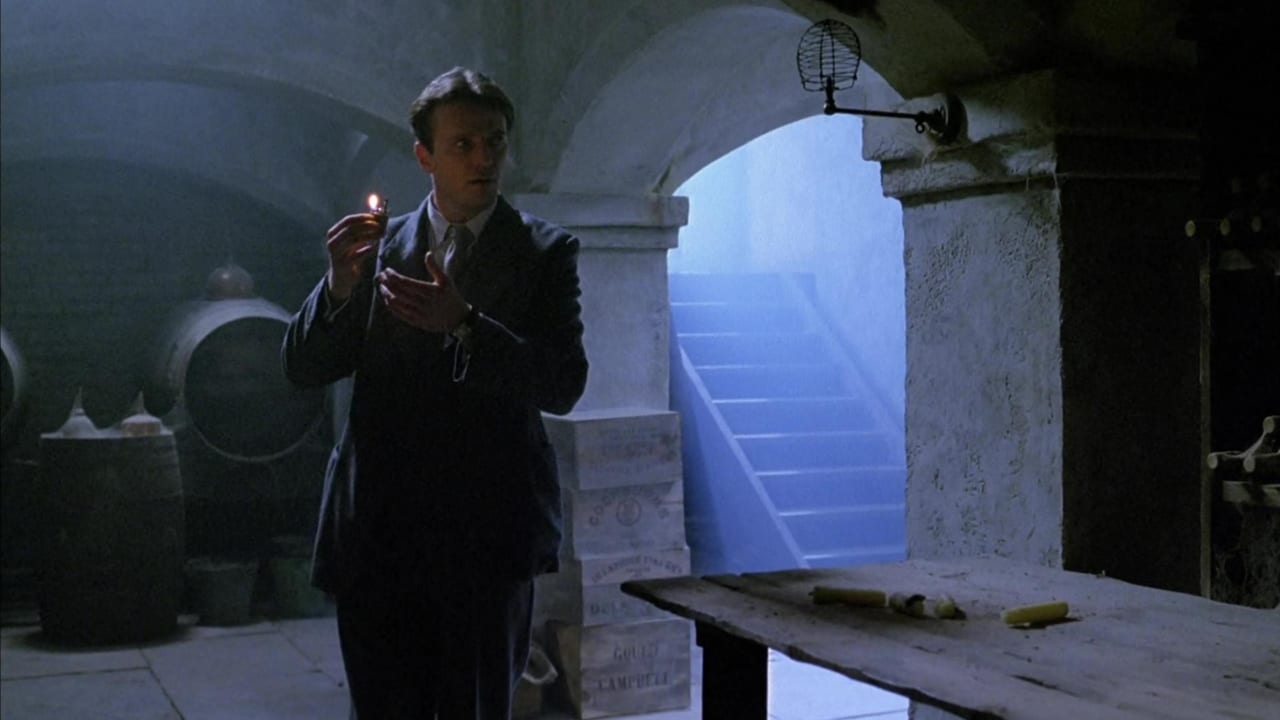
The film draws us into the world of Professor David Ash, played with a compelling weariness by Aidan Quinn (Legends of the Fall, Desperately Seeking Susan). Ash is a man defined by skepticism, dedicating his career to debunking paranormal phenomena, driven perhaps less by scientific rigor and more by a deep-seated, personal trauma involving the death of his twin sister. His work provides a shield against his own ghosts. When a cryptic letter arrives from the remote Edbrook House, penned by the elderly Nanny Tess Webb (Anna Massey), pleading for help with disturbances plaguing the Mariell family, Ash approaches it as just another case – another illusion to dismantle. You can almost feel his practiced detachment as he packs his bags, ready to expose the wires and mirrors.
### The Chill of Edbrook
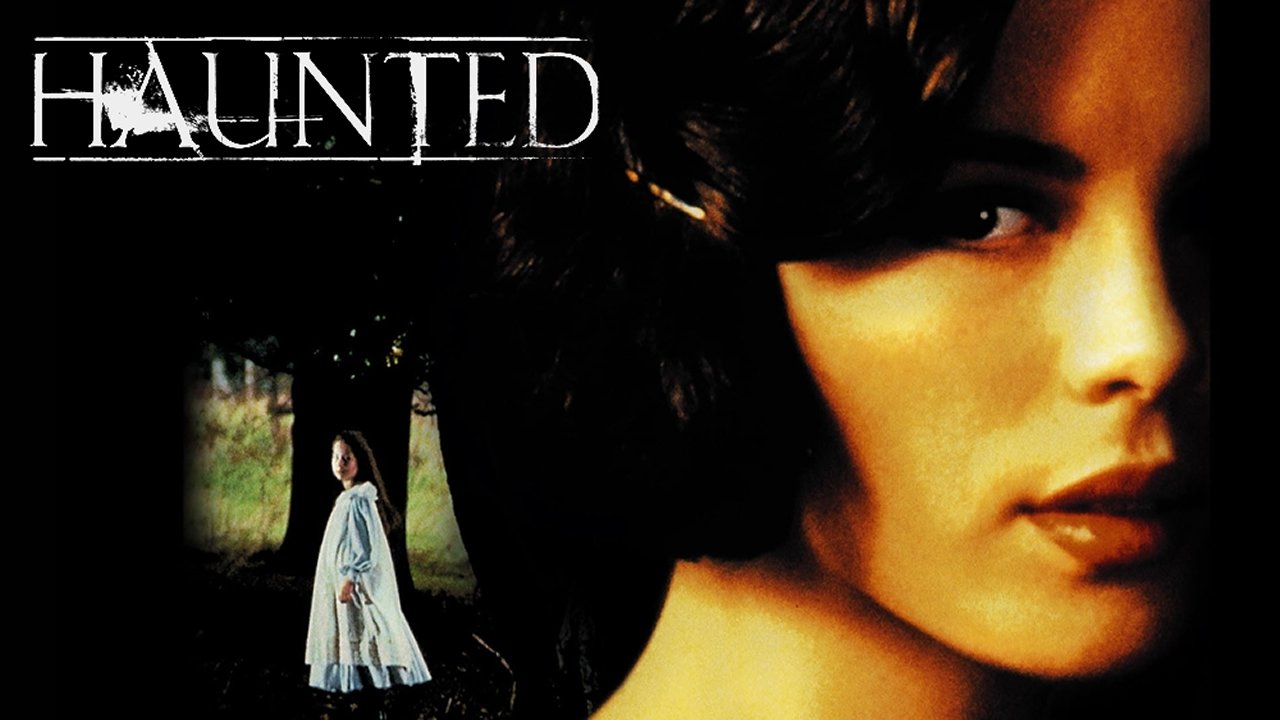
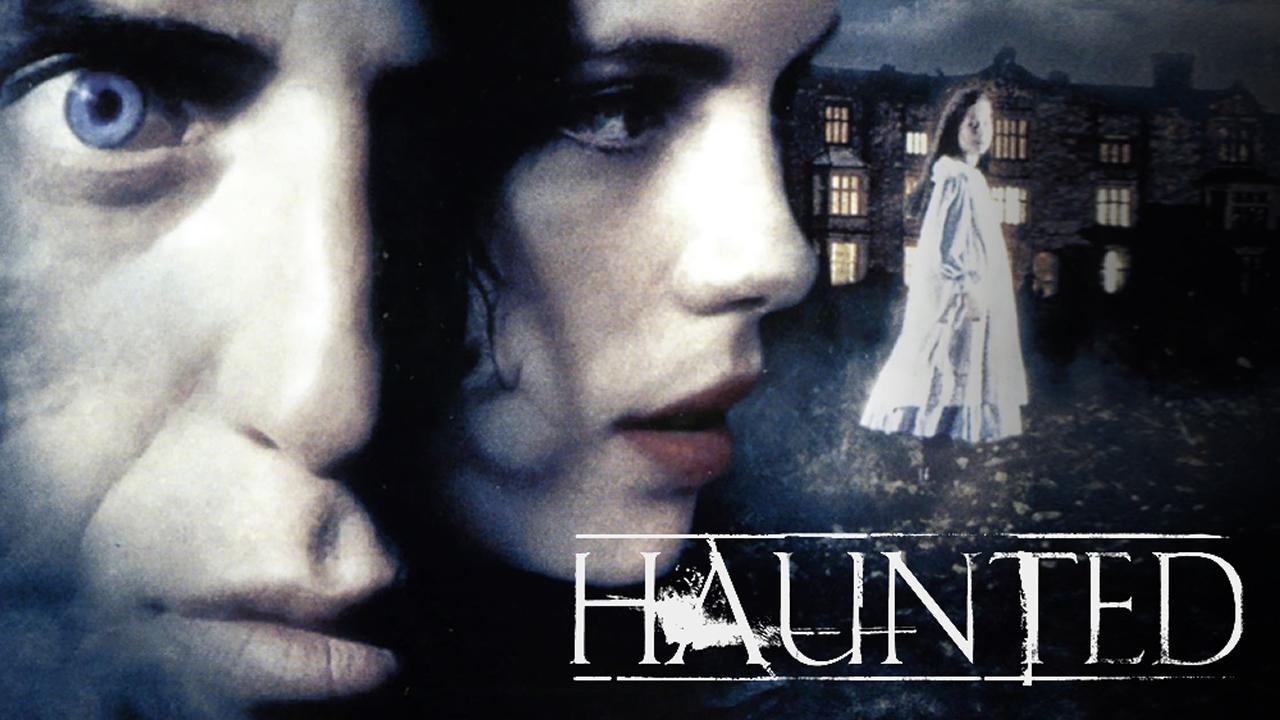
What unfolds is less a frantic horror show and more a slow-burn immersion into atmosphere. Director Lewis Gilbert, a filmmaker better known for character dramas like Alfie and Educating Rita, or even big-budget Bond entries like Moonraker, might seem an unusual choice. Yet, he brings a patient, almost classical sensibility to Haunted. He lets the English countryside setting – filmed beautifully in West Sussex, particularly at the atmospheric Parham Park – breathe, establishing a sense of isolation. Edbrook House itself becomes a character: grand, slightly decaying, filled with shadows that seem to deepen as Ash investigates. The cinematography often favors stillness, allowing the unsettling details to emerge subtly – a fleeting reflection, a sound just out of earshot, the oppressive weight of history within the walls. It feels deliberate, drawing you into Ash’s increasingly unstable perspective. This film understands that true haunting is often quiet, insidious.
### Performances That Linger
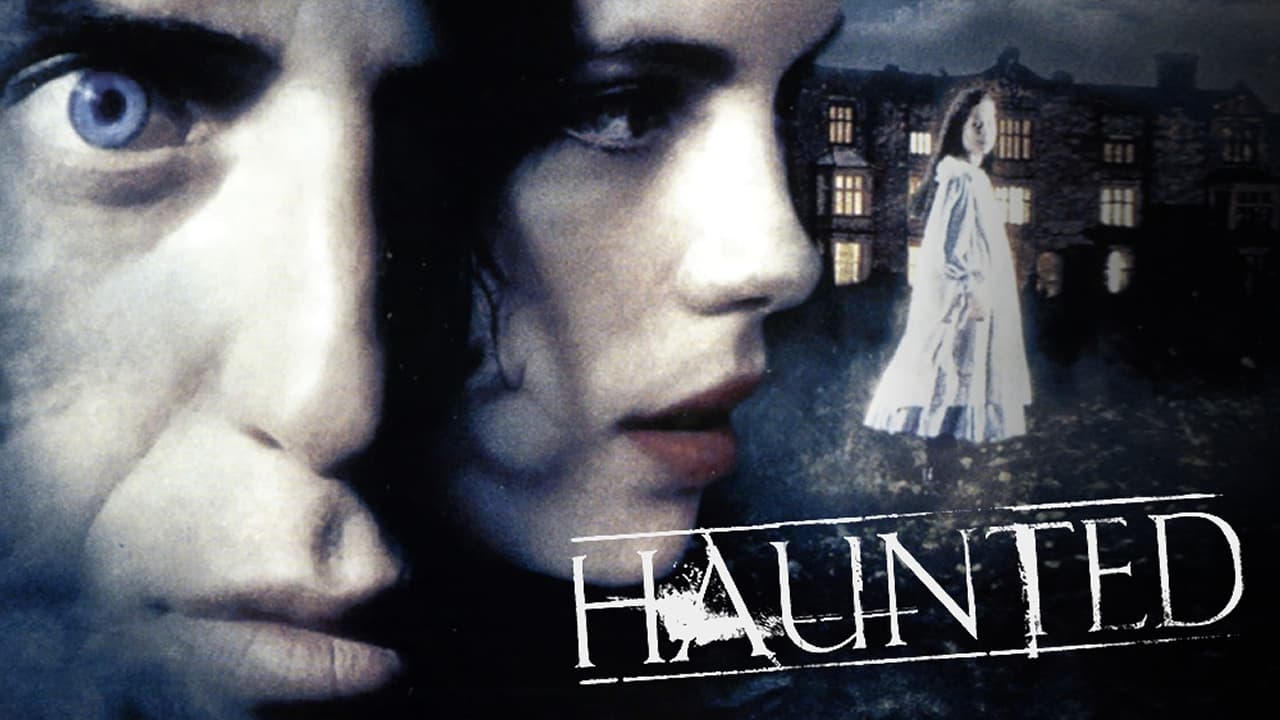
Aidan Quinn carries the film's emotional core. He portrays David Ash not as a heroic ghost hunter, but as a man profoundly damaged, his cynicism a fragile defense against grief and guilt. His gradual unraveling, the erosion of his determined skepticism, feels authentic and earned. Opposite him, a young Kate Beckinsale (Underworld, Pearl Harbor), in one of her earlier film roles, is captivating as Christina Mariell. She embodies both vulnerability and an unnerving allure, walking a fine line between troubled sibling and something potentially more ethereal. Her interactions with Quinn crackle with a strange, almost forbidden energy that complicates Ash's investigation and his emotional state. Anthony Andrews (Brideshead Revisited) as her brother Robert adds another layer of peculiar charm mixed with subtle menace, contributing to the closed-off, slightly claustrophobic family dynamic. And we absolutely must mention the gravitas brought by the legendary Sir John Gielgud in a small but pivotal role as Dr. Doyle, lending the proceedings an immediate touch of class.
### Unpacking the Haunting
Based on the 1988 novel by popular British horror author James Herbert, the film adaptation (co-written by Gilbert himself) streamlines some elements but retains the core psychological struggle. Is Edbrook truly haunted by spectral entities, or is it a crucible forcing Ash to confront his own repressed guilt and desires? The film plays cleverly with this ambiguity for much of its runtime. The manifestations Ash experiences often seem directly tied to his personal history, particularly the drowning death of his sister. This psychological depth elevates Haunted beyond a simple spook story. It asks questions about how grief manifests, how the past clings to us, and whether the greatest hauntings are the ones we carry within ourselves. What truly frightens us more – the ghost in the corner, or the darkness lurking in our own hearts?
### A Relic of Its Time?
Watching Haunted today, especially if you first encountered it on a fuzzy VHS tape rented from Blockbuster or a local store, certainly carries a distinct nostalgic charm. It lacks the slick digital effects and rapid-fire editing common now, relying instead on suggestion, performance, and carefully crafted mood. Some might find the pacing occasionally deliberate, especially compared to modern horror. The film didn't make huge waves upon release, particularly in the US where it bypassed theaters for a direct-to-video debut – making it a prime candidate for rediscovery by VHS aficionados. Its commitment to practical effects and atmospheric tension feels like a welcome throwback. It’s a reminder that sometimes the most unsettling chills come not from loud bangs, but from quiet whispers in a dark, old house.
Rating: 7.5/10
Haunted earns its score through its potent atmosphere, strong central performances (particularly Quinn's layered portrayal of grief and skepticism), and its commitment to a more psychological, character-driven ghost story. It might not reinvent the wheel, and its pace might test impatient viewers, but it achieves a genuine sense of unease and melancholy that lingers. It successfully captures the feel of a classic British chiller, even arriving slightly out of its era.
For those who appreciate a ghost story with depth, atmosphere, and a touch of tragic romance, digging this one out of the archives is well worth the effort. It remains a quietly effective chiller, a film that understands the most persistent ghosts are often the ones we refuse to acknowledge.