There's a certain kind of quiet that settles over some films, a stillness that isn't peaceful but pregnant with unspoken tension. It’s the quiet of tightly controlled surfaces, of polite smiles barely concealing churning depths. Claude Chabrol, often dubbed the "French Hitchcock," was a master of this unnerving calm, and nowhere is it more potent, more chillingly precise, than in his 1995 masterpiece, La Cérémonie. Watching it again recently, decades after first encountering its stark power on a worn VHS tape, I was struck by how its exploration of class resentment and hidden illiteracy feels just as sharp, just as disquieting today.
The Facade of Bourgeois Comfort
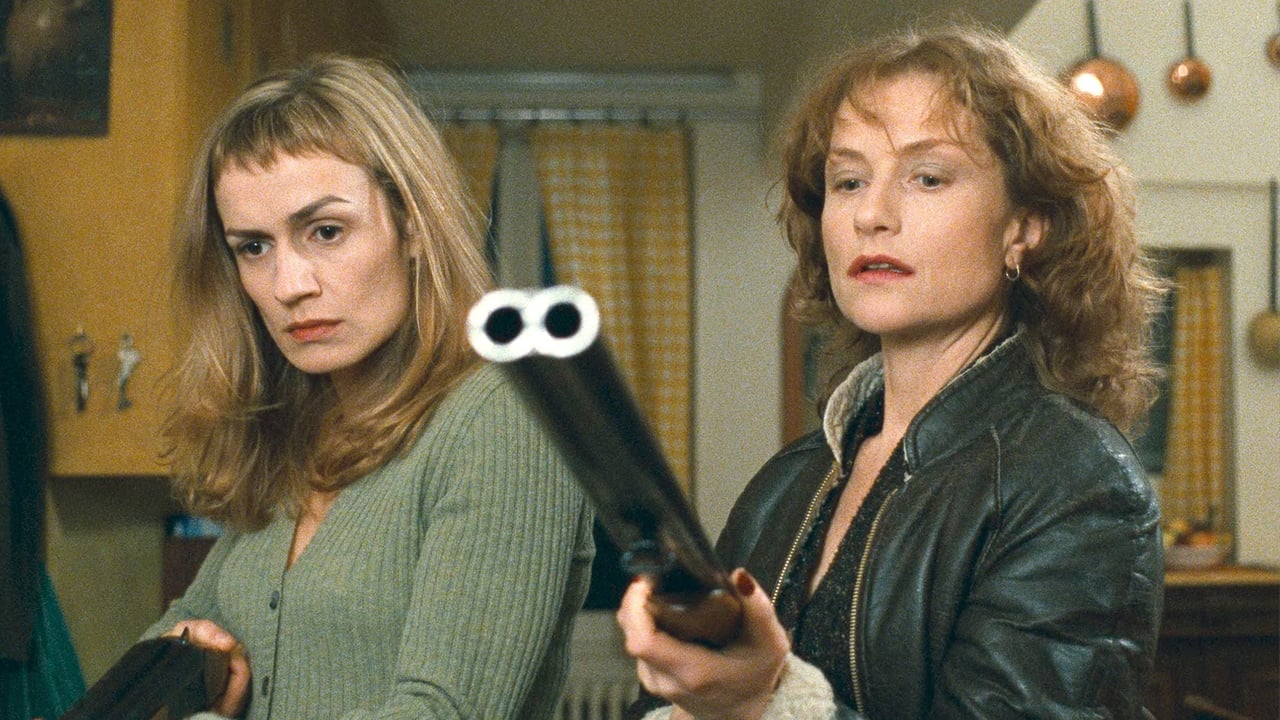
The film introduces us to Sophie Bonhomme (Sandrine Bonnaire), a seemingly efficient but deeply enigmatic young woman hired as a live-in maid by the Lelièvre family. They are the picture of upper-middle-class French comfort: Georges (Jean-Pierre Cassel), the cultured patriarch; Catherine (Jacqueline Bisset), his elegant wife; Melinda (Virginie Ledoyen), their music-loving daughter; and Gilles (Valentin Merlet), the sensitive son from Georges' previous marriage. Their Brittany manor house is lovely, their interactions superficially warm. But Sophie remains an outsider, watchful, reserved, harboring a significant secret: she is illiterate, a fact she guards with fierce, almost primal determination. This vulnerability becomes the fissure through which chaos slowly seeps.
An Unholy Alliance
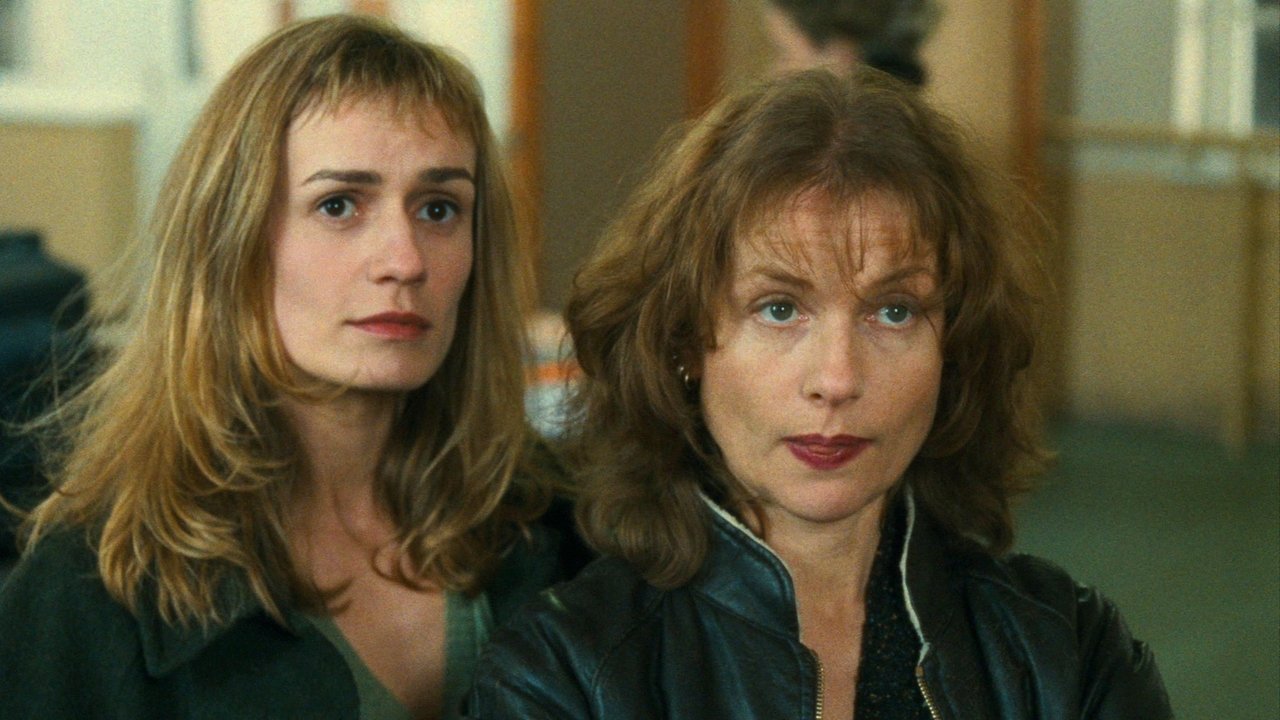
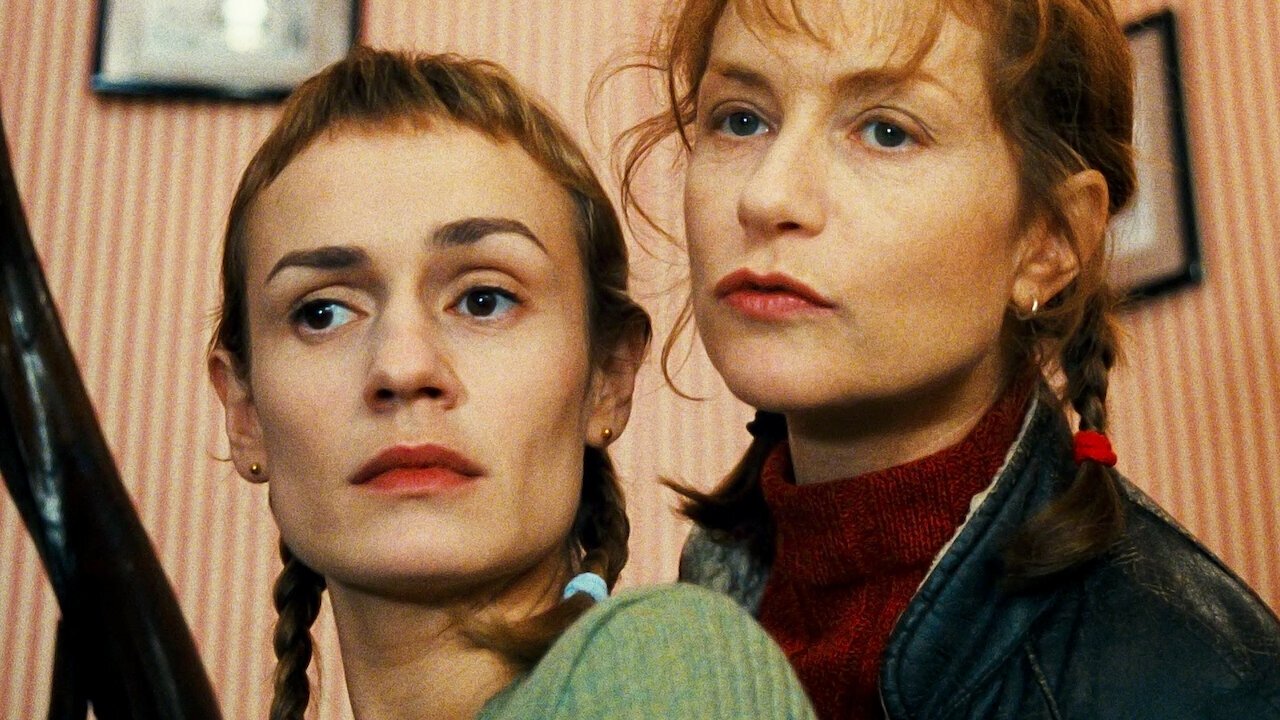
Sophie's isolation is broken by her unlikely friendship with Jeanne Marchal (Isabelle Huppert), the brazen, eccentric postmistress who reads other people's mail and carries a simmering grudge against the world, particularly the well-off Lelièvres. Huppert, a frequent and brilliant collaborator with Chabrol (think Violette Nozière or Madame Bovary), is electrifying here. Where Bonnaire’s Sophie is implosive, contained, her emotions barely rippling the surface, Huppert’s Jeanne is explosive, mischievous, radiating a gleeful, anarchic energy. Their bond forms not out of genuine affection, perhaps, but shared alienation and a mutual disdain for the bourgeois world they observe. It’s a fascinating, deeply unsettling portrayal of a toxic friendship, two damaged souls amplifying each other's worst impulses. Watching them together, you feel the air thicken, the inevitability of something terrible gathering force like a storm cloud.
Chabrol's Clinical Eye
Chabrol directs with his signature detached precision. There are no flashy camera tricks, no manipulative musical cues telegraphing shocks. Instead, he uses careful framing and unhurried pacing, observing his characters almost like specimens under glass. This clinical approach makes the eventual eruption of violence all the more shocking and brutal. He forces us to confront the banality that often precedes horror, the small slights and simmering resentments that can accumulate with devastating consequences. It’s a style honed over decades, seen in classics like Le Boucher (1970), but here it feels perfectly calibrated to the subject matter.
Echoes of Rendell and Papin
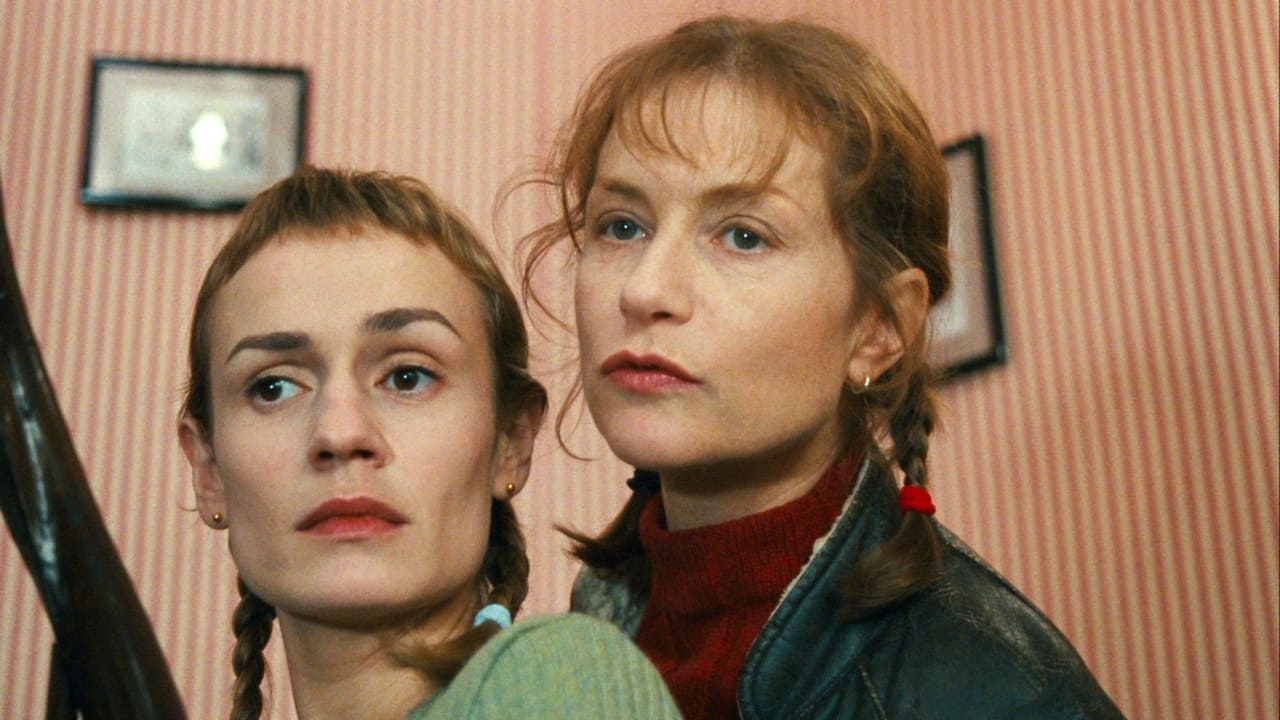
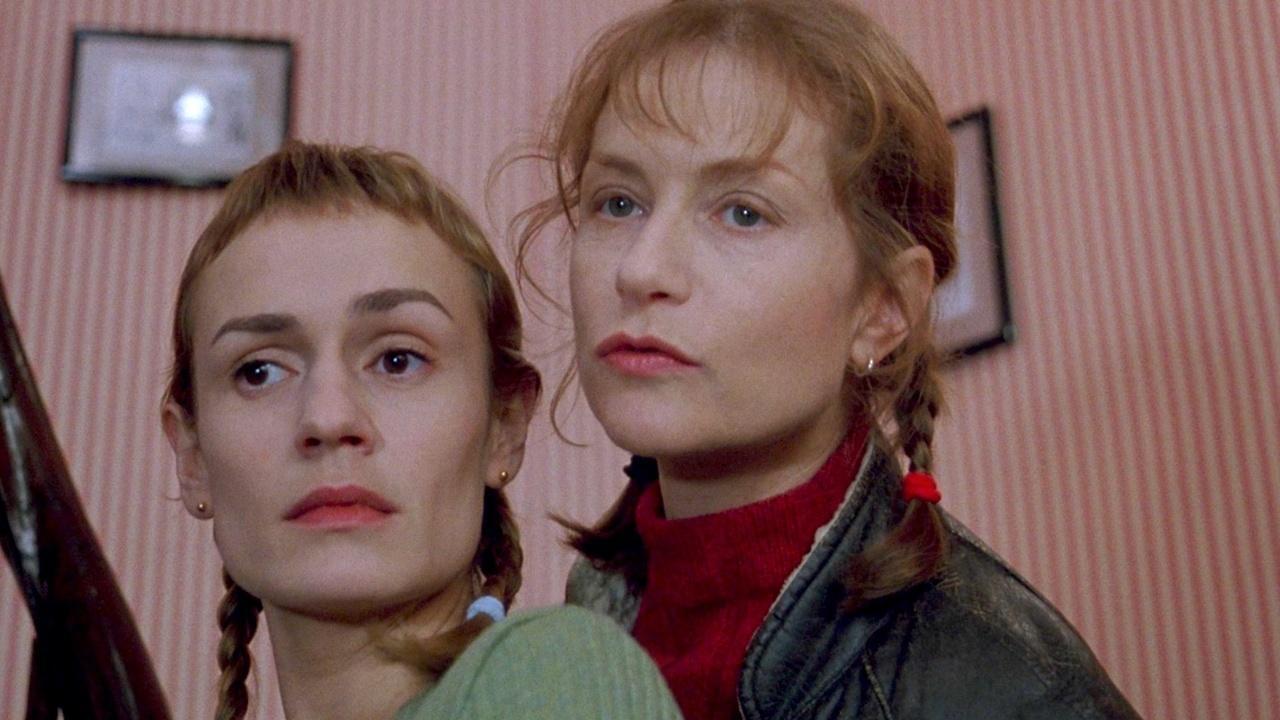
It’s fascinating to know that La Cérémonie is based on Ruth Rendell's psychological thriller A Judgement in Stone, whose famous opening line gives away the plot immediately: "Eunice Parchman killed the Coverdale family because she could not read or write." Chabrol and co-writer Caroline Eliacheff deliberately obscure Sophie's motive initially, letting the tension build through character interaction rather than explicit foreshadowing. The film also carries undeniable echoes of the infamous 1933 Papin sisters case in France, where two maids brutally murdered their employer and her daughter. This real-life event clearly informs the film's exploration of class antagonism and the potential for sudden, shocking violence erupting from seemingly placid domesticity. Weaving this context in doesn't just feel like trivia; it deepens our understanding of the societal fault lines Chabrol is dissecting.
Performances Forged in Fire and Ice
The film truly belongs to its two lead actresses. Sandrine Bonnaire delivers a masterclass in understated performance. Sophie's shame, her fear of exposure, her moments of quiet defiance – it's all conveyed through subtle shifts in expression, a averted gaze, a tightening of the jaw. It's a performance of immense control and quiet power. Opposite her, Isabelle Huppert is simply magnetic. Jeanne is provocative, unpredictable, almost gleefully amoral. There's a dangerous intelligence in her eyes, a recognition of Sophie's vulnerability that she both exploits and strangely validates. Their shared scenes crackle with unspoken understanding and impending doom. It’s no surprise both actresses shared the Best Actress award (Volpi Cup) at the Venice Film Festival for these roles – they are perfectly, terrifyingly matched.
The Lingering Chill
La Cérémonie isn't an easy watch. It doesn't offer catharsis or simple answers. It meticulously builds a case for the breakdown of social order, fueled by ignorance, resentment, and the unpredictable catalyst of a toxic relationship. The "ceremony" of the title could refer to the rituals of bourgeois life, the careful performance of social graces, or perhaps the final, horrifying ritual the two women undertake. What lingers long after the credits roll is the chilling sense of inevitability, the quiet horror lurking beneath the surface of everyday life. It forces us to ask uncomfortable questions: What secrets do we keep hidden? How fragile is the veneer of civilization? And what happens when those excluded from its comforts decide they've had enough?
Rating: 9/10
This score reflects the film's near-perfect execution. Chabrol's masterful, controlled direction, the powerhouse performances from Bonnaire and Huppert (truly among their best work), the tightly wound script, and the unsettling, resonant themes of class and repression make this a standout psychological thriller. It avoids genre clichés, opting for chilling realism and profound character study. It may lack the immediate gratification of more conventional thrillers, but its impact is far more lasting.
La Cérémonie is a potent reminder from the VHS era of how devastatingly effective quiet intensity can be, a cold, sharp shock to the system that hasn't dulled with time. It's a film that burrows under your skin and stays there.