There's a particular kind of chill that certain films leave you with, long after the VCR spat out the tape. It's not the jump-scare chill of a horror flick, but something deeper, more unsettling – the icy touch of ambiguity lingering around a human soul. Claude Chabrol's Violette Nozière (1978) is precisely that kind of film, a portrait etched in shades of grey, demanding contemplation rather than easy judgment. Finding this on a dusty shelf in the 'Foreign Films' section back in the day felt like uncovering a secret history, a far cry from the blockbuster fare dominating the main aisles.
A Glimpse Behind the Lace Curtains
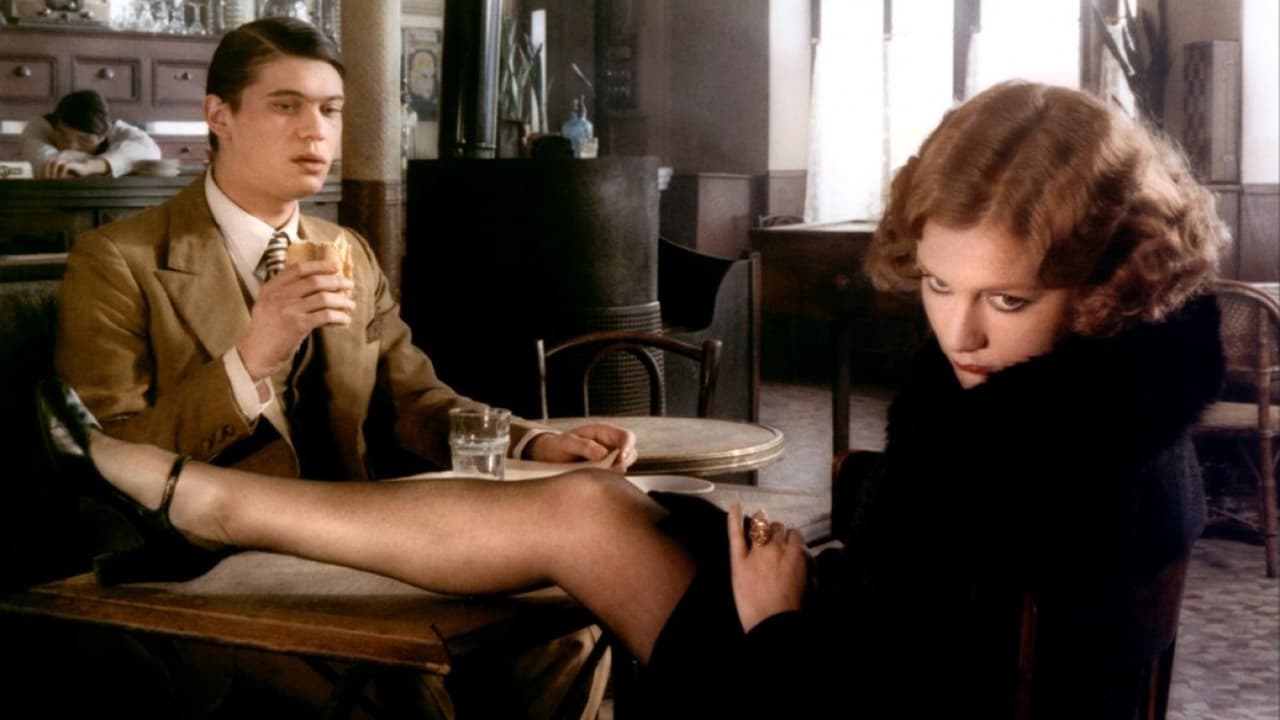
Based on a notorious true crime case that scandalized 1930s France, the film introduces us to Violette (Isabelle Huppert), a seemingly ordinary teenage girl living with her working-class parents, Baptiste (Jean Carmet) and Germaine (Stéphane Audran), in a cramped Paris apartment. But beneath the veneer of filial duty, Violette leads a clandestine life, engaging in petty theft and prostitution to fund a taste for finer things and escape the suffocating atmosphere at home. Chabrol, ever the astute observer of bourgeois hypocrisy – even within the striving working class – paints a stifling portrait of domesticity, where unspoken resentments and quiet disappointments hang heavy in the air. The period detail is meticulous, less glamorous nostalgia and more a carefully constructed cage reflecting Violette's own sense of entrapment.
The Unreadable Face of Rebellion
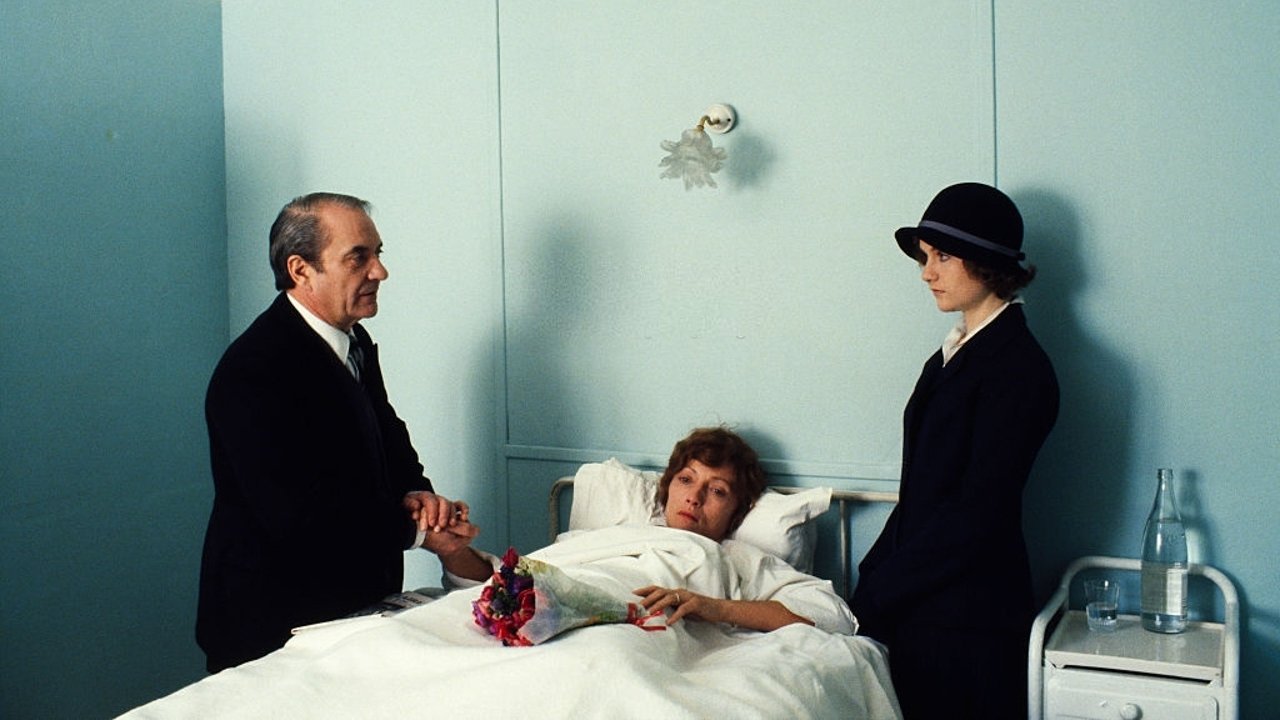
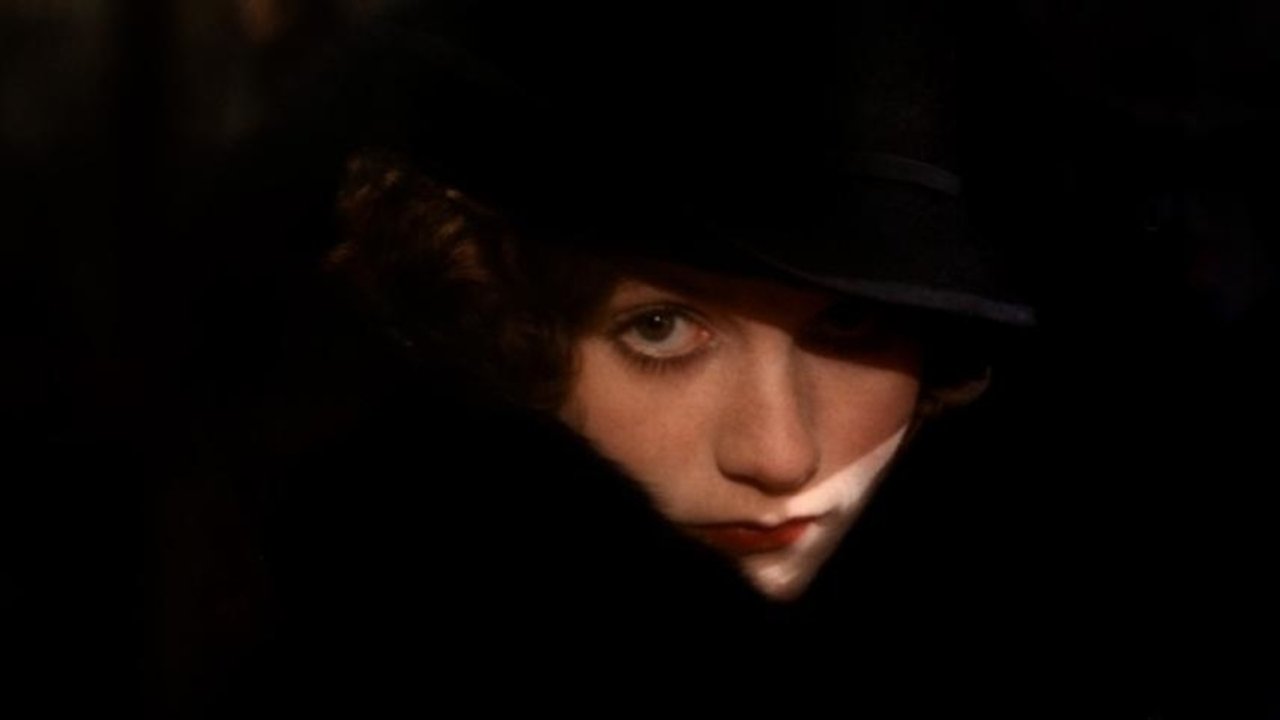
At the absolute heart of Violette Nozière is the staggering performance by Isabelle Huppert. It's a role that won her Best Actress at Cannes, and watching it again now, it's easy to see why. This wasn't the seasoned, often formidable Huppert we know from later masterpieces like The Piano Teacher (2001) or Elle (2016), but a younger actress already possessing an astonishing ability to convey complex, often contradictory emotions with minimal outward expression. Her Violette is a cipher. Is she a victim of circumstance, lashing out against a repressive environment and potentially abusive family secrets? Or is she a calculating, amoral figure driven by selfishness? Huppert refuses to provide easy answers. There’s a chilling inscrutability in her gaze, a flicker of vulnerability one moment, replaced by steely resolve the next. She makes Violette simultaneously repellent and strangely sympathetic, forcing us to question our own need to categorize and judge. Opposite her, Stéphane Audran (Chabrol's frequent collaborator and then-wife) is perfectly cast as the sharp-tongued, perhaps willfully blind mother, while Jean Carmet imbues the ailing father with a pathetic quality that complicates our perception of him. Their dynamic feels uncomfortably real, steeped in years of shared history and unspoken grievances.
Chabrol's Calculated Cruelty
Claude Chabrol, often compared to Hitchcock for his mastery of suspense and psychological tension, directs with a cool, almost clinical detachment. A leading figure of the French New Wave, his style here isn't flashy; it's precise, observant, and deeply critical. He uses the confines of the apartment, the dimly lit streets, and the slightly sordid glamour of Violette's secret haunts to create a world that feels both authentic and symbolic. There’s a deliberate pacing that allows the tension to build, mirroring the slow poisoning – both literal and metaphorical – at the story's core. One fascinating tidbit is how Chabrol, working with co-writer Odile Barski, navigated the real-life Violette Nozière's controversial rehabilitation and pardon years after the events. The film doesn't shy away from the darkness but presents the conflicting testimonies and Violette’s shifting narratives (often told through stylized fantasy sequences representing her lies or desires) without definitively stating what truly happened, leaving the audience to grapple with the elusiveness of truth itself. This wasn't just about recounting a crime; it was about dissecting the societal structures and psychological pressures that might lead to such an act.
Uncomfortable Truths
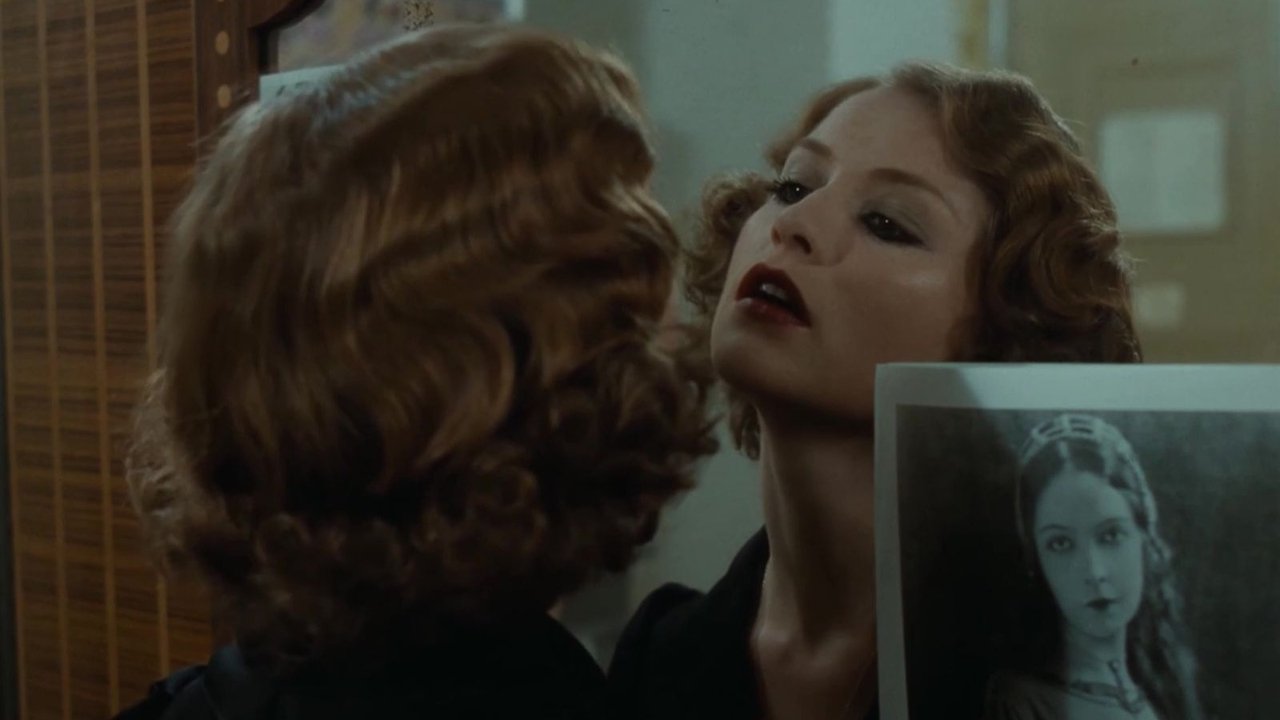
Violette Nozière isn't concerned with easy moralizing. It digs into uncomfortable territory – the stifling nature of family expectations, the complex and often dangerous landscape of burgeoning female sexuality in a patriarchal society, and the way secrets fester and corrupt. Does Violette's behavior stem from genuine trauma, or is it a calculated performance for survival and gain? The film lays out the evidence, the conflicting accounts, the poisonous atmosphere, but ultimately trusts the viewer to sit with the discomfort of not knowing. It forces us to ask: how much can we ever truly understand another person's motivations, especially when their narrative is constantly shifting? What happens when the perceived innocence of youth collides with the harsh realities of survival and desire? These aren't questions with simple answers, and Chabrol knows it.
***
Violette Nozière is a challenging, meticulously crafted character study anchored by a truly mesmerizing central performance. It avoids sensationalism, opting instead for a chilling exploration of ambiguity, repression, and the dark undercurrents beneath a seemingly placid surface. It’s a prime example of Chabrol’s cynical yet insightful view of human nature and societal failings. While perhaps not a "feel-good" watch from the VHS era, its power lies in its refusal to offer easy resolutions, leaving a lasting impression.
Rating: 8.5/10
This rating reflects the film's exceptional lead performance, masterful direction, thematic depth, and skillful handling of complex, morally ambiguous material. Huppert's portrayal is magnetic, Chabrol's critique is sharp, and the atmosphere is perfectly rendered. It might lack the immediate accessibility of some retro classics, but its intellectual and emotional resonance is undeniable. It’s a film that doesn't just tell a story; it burrows under your skin and stays there, prompting questions long after the credits roll. What truly lurked behind Violette's quiet gaze remains hauntingly elusive.