Alright, maggots, drop and give me twenty… minutes to tell you why Major Payne still snaps to attention in the glorious barracks of 90s comedy. Forget your sleek, focus-grouped chuckle-fests; this 1995 gem, slapped onto countless well-loved VHS tapes, marches to the beat of its own gloriously unhinged drummer – and that drummer is Damon Wayans firing on all comedic cylinders. Forget subtlety; this is pure, unadulterated Wayans, turned up to eleven and barking orders at a platoon of pre-teen misfits.
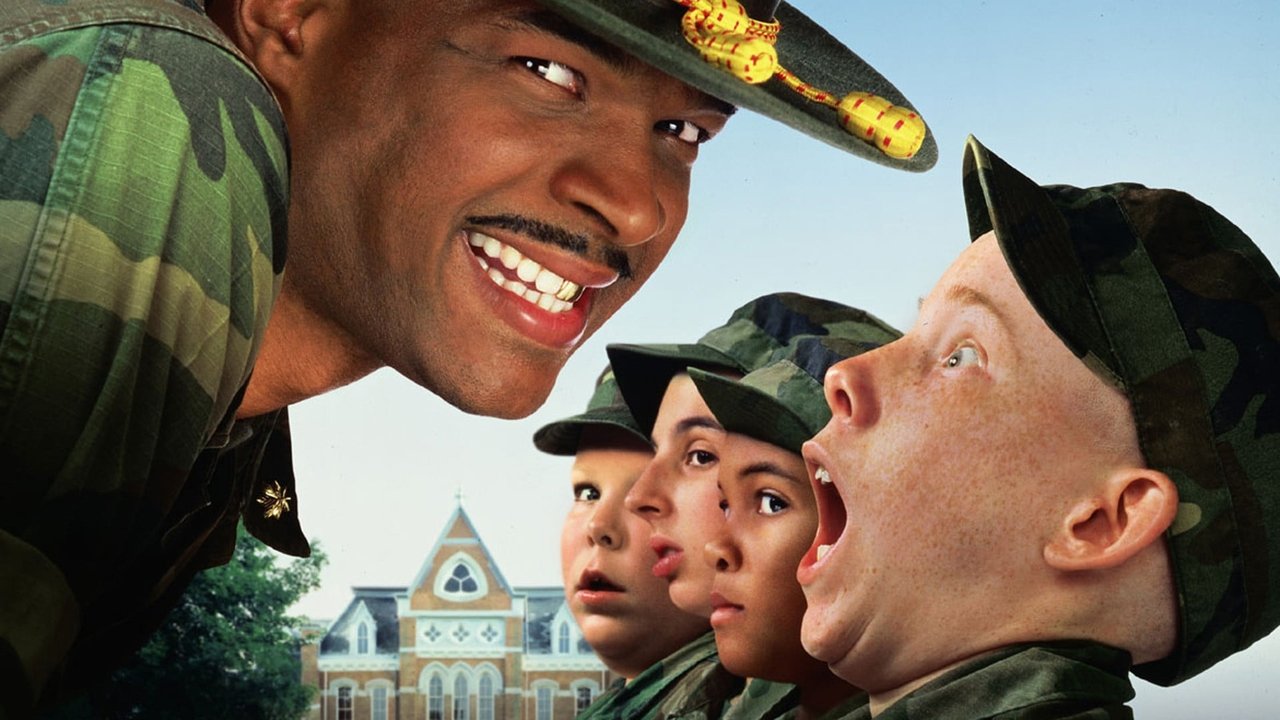
### "I Ain't Your Damn Brother!"
From the moment Major Benson Winifred Payne steps onto the screen, discharged from the Marines because, apparently, there's just no war left for him to win, you know you're in for something special. Wayans doesn't just play Payne; he inhabits this tightly-wound, camo-clad force of nature whose solution to civilian life involves applying battlefield tactics to… well, everything. His intensity is the engine driving the film, a performance so committed it borders on the surreal. Think R. Lee Ermey filtered through the kinetic energy of In Living Color, and you're halfway there. It’s a performance that feels intensely personal; indeed, Damon Wayans wasn't just the star, he also co-wrote the screenplay (alongside Dean Lorey and Gary Rosen), tailoring the character perfectly to his specific brand of physical comedy and sharp, sometimes startlingly dark, wit.
### Basic Training in Hilarity
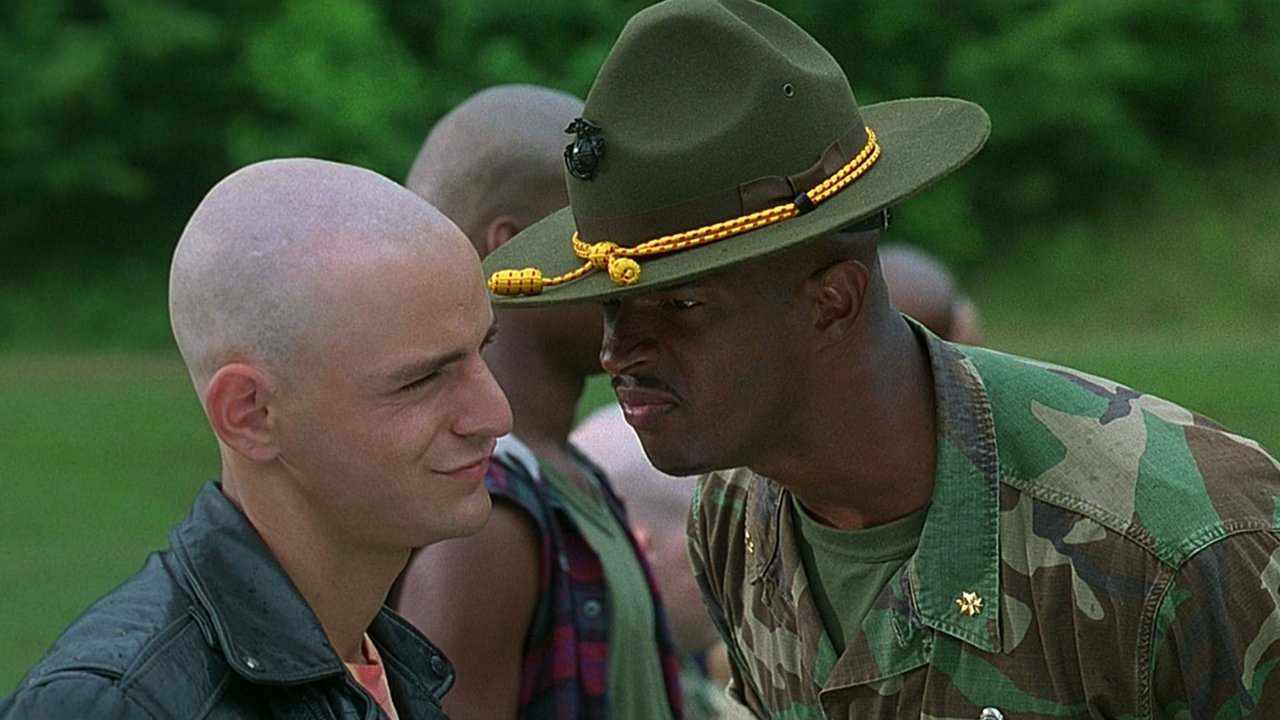
The setup is pure fish-out-of-water gold: Payne takes a job whipping the JROTC program at Madison Preparatory School into shape. These aren't hardened recruits; they're awkward kids, including a very young Steven Martini as the defiant cadet leader Alex Stone and the scene-stealing Andrew Leeds as the diminutive, hearing-impaired Cadet Dotson. The clash between Payne's extreme methods and the sheltered world of prep school provides the film's comedic backbone. Remember him trying to motivate the "little engine that could" story? Or the infamous "one-legged man in an ass-kicking contest" speech? These moments weren't just funny; they felt dangerously close to the edge for a PG-13 family comedy in '95, and that was part of the thrill. You watched it wondering, "Did he really just say that?"
It's fascinating that the director was Nick Castle, a name many horror aficionados know as the original Michael Myers in John Carpenter's Halloween, but who also directed the beloved 80s sci-fi adventure The Last Starfighter. Castle brings a certain competence to the proceedings, letting Wayans run wild but keeping the story moving. He doesn't necessarily impose a strong visual signature, but he crucially understands comedic timing and allows the absurdity of Payne's interactions with the kids and the lovely, grounding school counselor Dr. Emily Walburn (Karyn Parsons, fresh off The Fresh Prince of Bel-Air) to breathe. Parsons provides the essential warmth and humanity needed to counterbalance Payne's… everything. Their gentle romance adds a necessary layer of sweetness, preventing the film from becoming just a series of drill sergeant gags.
### Shock Tactics and Surprising Heart
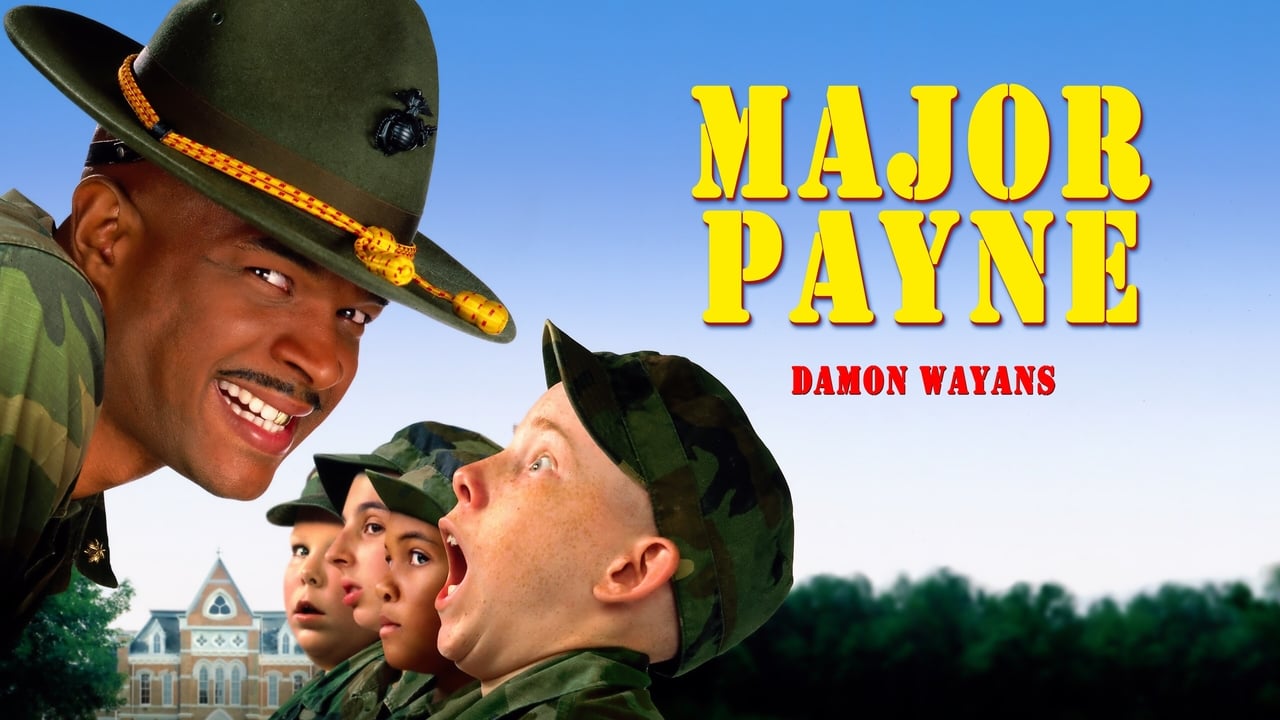
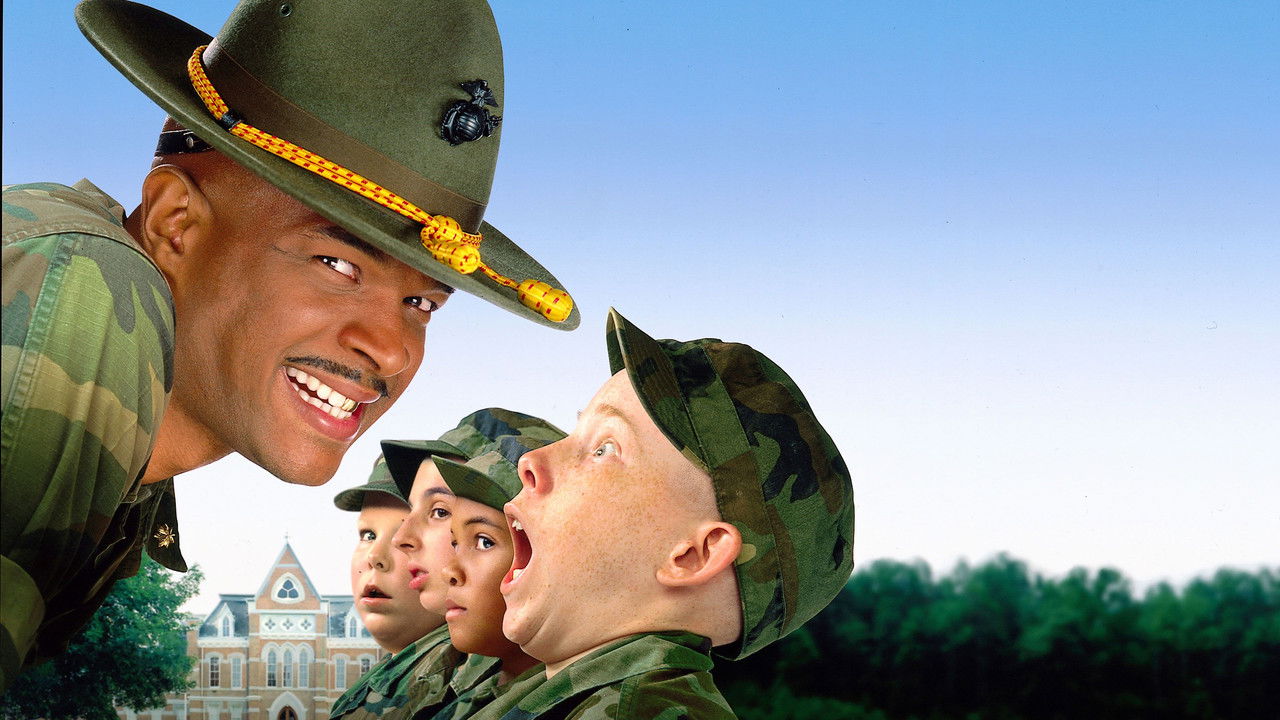
Let's talk about those tactics. Payne isn't just tough; he's borderline psychotic in his training methods. Shaving heads, live ammunition (allegedly!), psychological warfare involving fairy tales twisted into gruesome military fables – it's outrageous. One particularly memorable, if perhaps slightly uncomfortable-to-watch-now moment, involves Payne demonstrating pressure points on Cadet Dotson. It's played for laughs, but there's a genuine shock value there that felt distinctively 90s. Yet, beneath the bluster, the film finds a surprising amount of heart. Payne’s gradual, almost reluctant, bonding with the cadets, especially the orphaned Tiger (played with genuine pathos by Orlando Brown), gives the film an emotional anchor. His attempts to be a father figure, filtered through his bizarre military lens, are unexpectedly touching.
A fun tidbit often overlooked is how the film navigates its tone. It's based loosely on the 1955 Charlton Heston film The Private War of Major Benson, but Wayans and his co-writers cranked the absurdity way up. It wasn't a huge box office smash ($30 million against a budget likely in the mid-to-high teens), but it found a massive second life on home video. It became one of those tapes – the one everyone seemed to rent, the one constantly playing on cable – cementing its status as a cult favourite among millennials who grew up quoting lines like "Feeling good, lookin' good, oughta be in Hollywood!"
### Enduring Drill
Does Major Payne hold up perfectly? Maybe not every joke lands with 2024 sensibilities, and the plot follows a fairly predictable trajectory. But the sheer force of Wayans' central performance remains undeniable. He created an iconic comedic character, equal parts terrifying and hilarious, wrapped in a surprisingly conventional family film structure. The blend is odd, sometimes jarring, but ultimately incredibly memorable. It captured that specific 90s energy where mainstream comedies could still feel a little dangerous, a little weird.
Rating: 7.5 / 10
Justification: The score reflects Damon Wayans' tour-de-force comedic performance, which elevates the entire film. The consistent laughs derived from Payne's extreme methods and the fish-out-of-water scenario earn high marks. However, the predictable plot structure and occasional tonal imbalance between harsh comedy and required sentimentality hold it back from true classic status. Director Nick Castle provides capable, if not overly distinct, direction. Ultimately, its strong rewatchability factor for fans of 90s comedy and Wayans' unique brand of humor solidifies its positive score.
This is pure, unadulterated 90s comfort food comedy, best enjoyed with the volume up and maybe a slight tracking adjustment for old time's sake. Major Payne reporting for duty, sir! And frankly, we're glad he showed up.