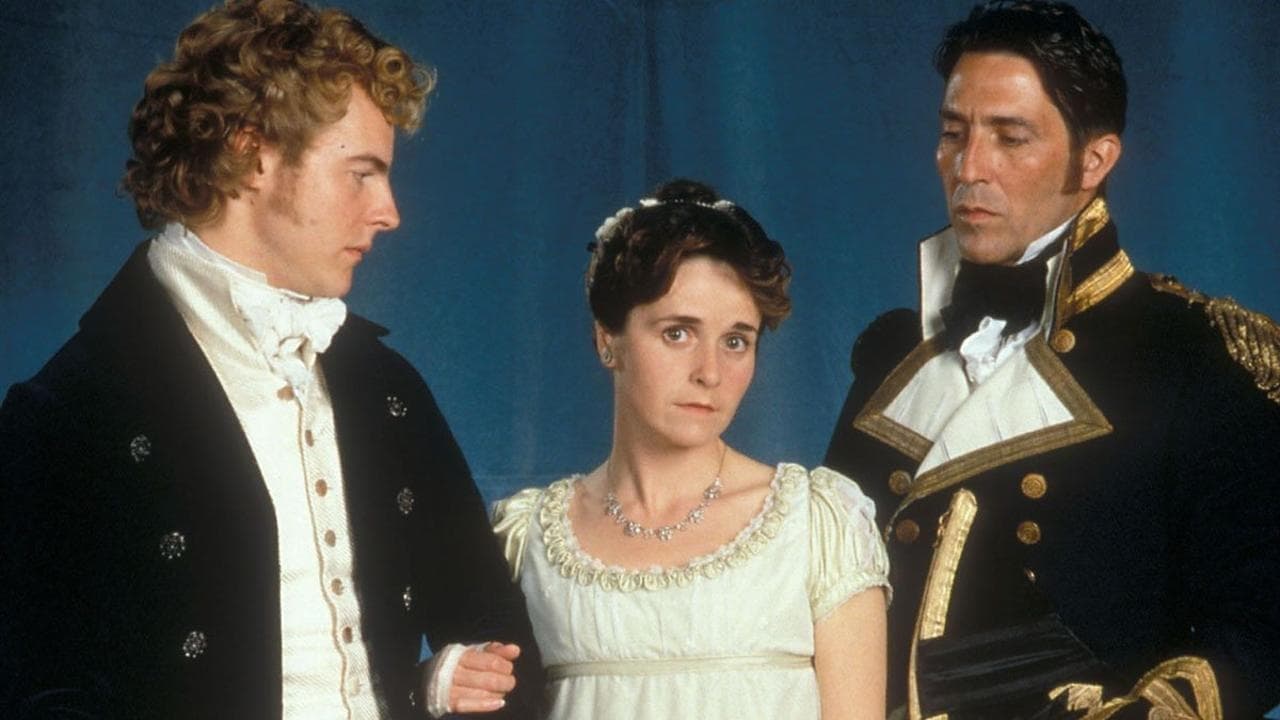
It often feels like stepping into a Jane Austen adaptation is akin to entering a perfectly preserved, slightly airbrushed dollhouse – beautiful, certainly, but sometimes lacking the scuffs and shadows of real life. Then there's Roger Michell's 1995 Persuasion. Forget the manicured lawns and impossibly pristine ballgowns for a moment. This film felt... real. Almost startlingly so, carrying the scent of sea air, the chill of damp stone, and the weight of unspoken regrets right through the television screen and onto the worn fabric of your living room sofa. It arrived quietly, almost modestly, amidst a sudden flurry of Austen mania, offering something distinctly different.
### A World Less Polished
Perhaps it was its origins – initially crafted for BBC Two before receiving a well-deserved theatrical release via Sony Pictures Classics – that contributed to its grounded sensibility. Director Roger Michell, making his feature film debut here before later gifting us the very different charm of Notting Hill (1999), seemed less interested in picturesque fantasy and more in capturing the emotional weather of Austen's most mature novel. Working with screenwriter Nick Dear, Michell presents an England where mud clings to boots, rooms feel genuinely lived-in (sometimes shabbily so, reflecting the Elliot family's precarious finances), and characters possess a refreshing lack of perfect Callowe smiles. There's a palpable sense of place, whether it's the windswept Cobb at Lyme Regis – shot on location with bracing authenticity – or the bustling, sometimes overwhelming, streets of Bath. The cinematography often employs natural light and even occasional handheld shots, choices that pull you closer, making you feel less like a spectator and more like a silent observer eavesdropping on intimate moments.
### The Soulful Gaze of Anne Elliot
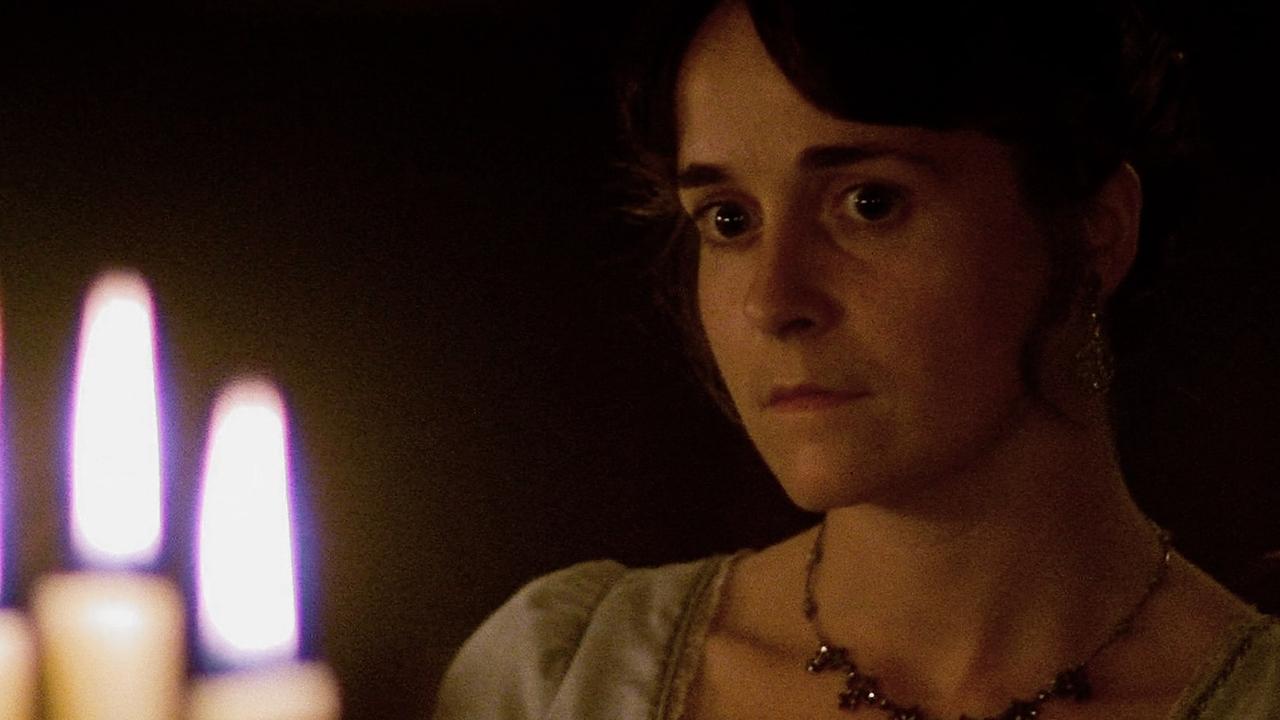
At the absolute core of Persuasion lies the quiet, often heart-wrenching performance of Amanda Root as Anne Elliot. It’s a portrayal devoid of vanity, deeply internalised, and utterly captivating. Root conveys years of suppressed longing, quiet intelligence, and aching regret often through little more than a flicker in her eyes or the subtle tension in her posture. Anne isn't presented as a conventional beauty initially; her plainness seems almost a reflection of her diminished spirits after being persuaded, eight years prior, to break off her engagement to the then-penniless naval officer, Frederick Wentworth. Watching Root gradually allow Anne’s spirit to re-emerge, tentative hope blossoming on her face as Wentworth re-enters her life, is profoundly moving. It feels less like acting and more like witnessing a soul slowly finding its way back to the light. You understand completely why casting director Susie Figgis reportedly championed Root for capturing Anne's essential vulnerability, choosing her over potentially more established names.
### A Captain Forged by the Sea
Opposite Root is Ciarán Hinds as Captain Wentworth, and it’s another piece of perfect, grounded casting. Hinds, not yet the globally recognised figure from Rome or Game of Thrones, brings a rugged, weather-beaten presence to Wentworth. This isn't a smooth, drawing-room charmer; he’s a man shaped by the sea, by war, and by the lingering sting of past rejection. The choice of Hinds, deliberately less conventionally handsome than, say, Colin Firth’s Darcy who would emerge later the same year, underscores the film’s commitment to realism. The chemistry between Root and Hinds is electric precisely because it's built on restraint, on shared history conveyed through loaded glances and awkward silences. You feel the weight of those eight lost years between them in every interaction.
### Details That Speak Volumes
The supporting cast is uniformly excellent, notably the wonderful Susan Fleetwood as Lady Russell, Anne's well-meaning but misguided confidante (in what was sadly one of her final roles, as she passed away shortly after filming). The film excels in using small details to reveal character and class – the slightly fraying elegance of the Elliot family versus the earned confidence (and perhaps slightly rougher edges) of the naval characters like Admiral Croft (John Woodvine) and his wife Sophia (Fiona Shaw, wonderfully pragmatic). Costumes subtly reflect financial standing, and Nick Dear's screenplay, while remarkably faithful to Austen's text, possesses a naturalistic rhythm that feels true. It’s a world populated by believable people, not just archetypes. This commitment to authenticity even extended to details like allowing characters to have less-than-perfect teeth, a small touch that speaks volumes about the film's overall approach.
### From Small Screen Gem to Enduring Classic
Made on a relatively modest budget (reportedly around £1.5 million), Persuasion initially aired on British television in April 1995, garnering critical acclaim and several technical BAFTA awards (including for its evocative score by Jeremy Sams). Its subsequent cinematic release introduced this intimate gem to a wider audience, holding its own alongside the glossier Sense and Sensibility and the cultural phenomenon of the BBC's Pride and Prejudice. While those adaptations captured hearts for different reasons, Persuasion felt like the quiet, thoughtful cousin – less concerned with grand romantic gestures and more focused on the internal landscape of second chances. It proved that faithfulness to Austen didn’t require sacrificing grit or emotional honesty. I distinctly remember renting this one, perhaps initially overshadowed by flashier covers on the video store shelf, but its quiet power stayed with me long after the tape was returned.
### Lasting Impressions
What lingers most after watching Michell's Persuasion isn't sweeping romance, but the profound satisfaction of seeing two reserved, decent people navigate a minefield of social convention and personal pride to finally reclaim their happiness. It’s a film that trusts its audience to appreciate nuance, to find drama in unspoken feelings and quiet gestures. It feels weathered and true, much like the enduring love story it portrays.
Rating: 9/10
This rating reflects the film's exceptional lead performances, particularly Amanda Root's definitive Anne Elliot, its intelligent direction that prioritizes emotional realism over period gloss, and its faithful yet fresh adaptation of Austen's most poignant novel. The slightly lower budget occasionally shows in scale, but this intimacy arguably enhances its unique charm. It remains, for my money, one of the most resonant and truthful Austen adaptations ever put to film. Doesn't its grounded portrayal, in a way, feel closest to the spirit of Austen herself – observing human nature with clear-eyed empathy?