## The Weight of Winter Palaces: Reflecting on Bernard Rose's Anna Karenina (1997)
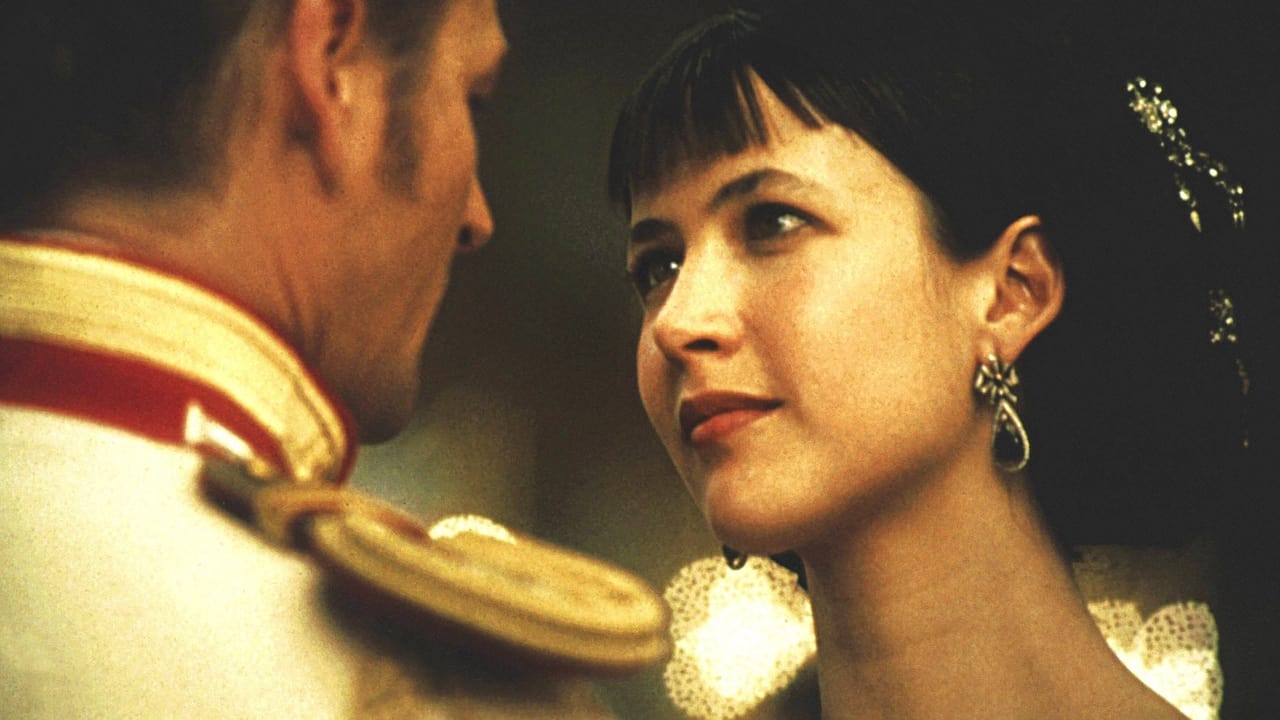
There’s a particular kind of ambition that radiates from certain VHS boxes, isn't there? Not just the explosive promise of an action flick, but the quiet grandeur of a literary epic squeezed onto magnetic tape. Picking up the 1997 adaptation of Anna Karenina felt like that – a serious undertaking, promising snow-dusted Russian landscapes and tragic romance. What truly sets this version apart, even now, isn't just its stars, but the audacious reality of where it was filmed. Imagine, if you will, securing permission in the mid-90s, a time still buzzing with the echoes of the Cold War's end, to film Tolstoy's masterpiece not on soundstages, but within the actual historic palaces and locations of St. Petersburg and Moscow. That context alone lends this particular Anna Karenina a weight, an authenticity that's almost palpable before the first scene even unfolds.
A Canvas of Authentic Grandeur
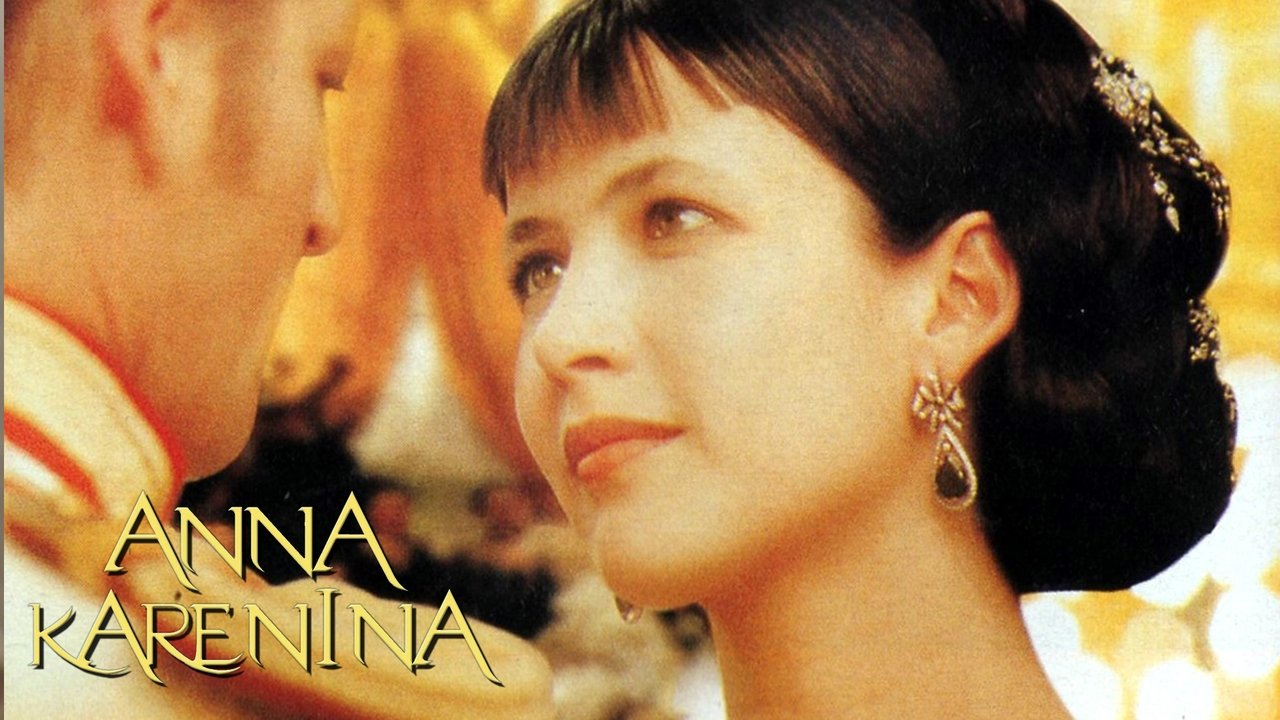
Director Bernard Rose, who intriguingly came to this after the visceral horror of Candyman (1992) and the biographical intensity of Immortal Beloved (1994), clearly understood the power of place. He didn't just adapt Tolstoy's novel; he immersed his film in its very soul. The sheer visual scope achieved by shooting on location is undeniable. The Winter Palace, the Kremlin – these aren't sets dressed to look Russian; they are Russia, lending a breathtaking, almost documentary-like veracity to the backdrop against which Anna's tragedy plays out. This commitment was groundbreaking; reportedly, it was the first Western production granted such extensive access in the post-Soviet era. You feel the chill off the Neva River, the imposing scale of the Imperial architecture. It’s a feast for the eyes, grounding the lofty drama in tangible reality.
Marceau's Anna: A Study in Captivity
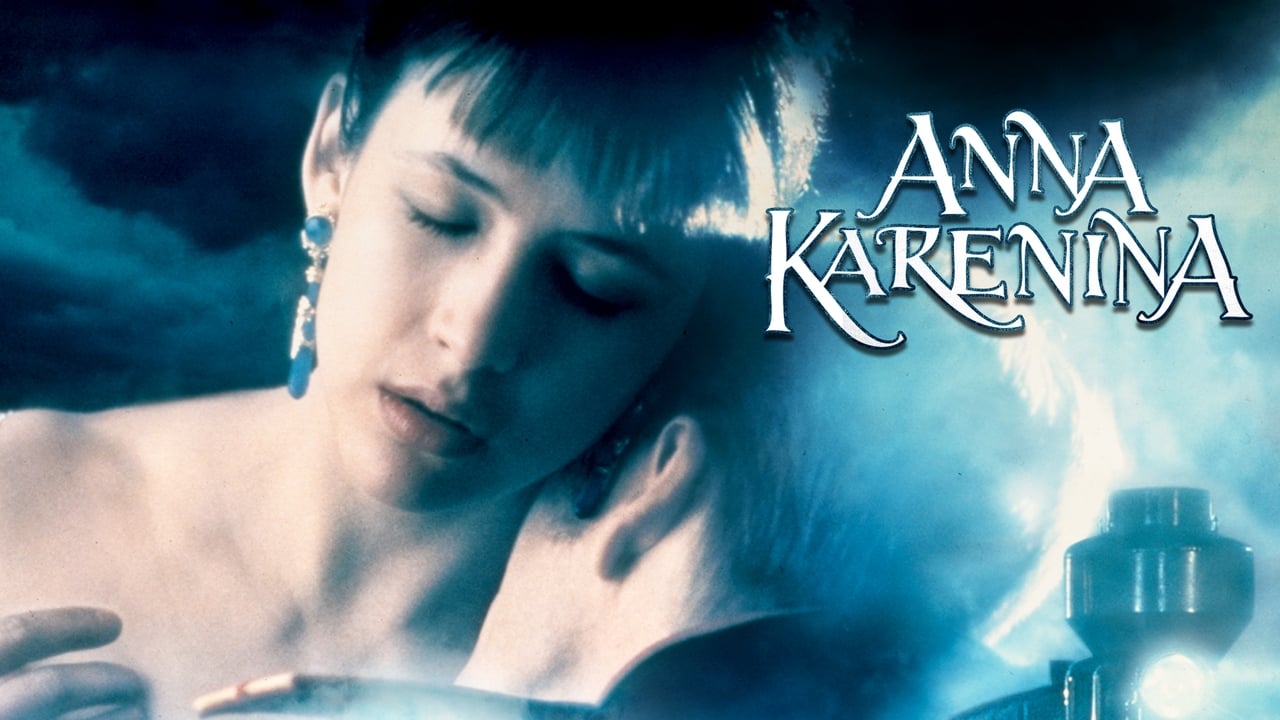
At the heart of this visual splendour is Sophie Marceau as Anna. A luminous presence in 90s cinema (Braveheart (1995)), Marceau certainly looks the part – beautiful, elegant, haunted. She embodies the societal cage Anna inhabits, her initial radiance gradually dimming under the weight of forbidden love and societal condemnation. There's a fragility to her performance, a sense that she is constantly observing the intricate rules of her world, even as she prepares to break them. Does she fully capture the tempestuous, sometimes frustratingly complex inner life Tolstoy wrote? Perhaps not entirely – there are moments where the performance feels more illustrative than deeply inhabited. Yet, her portrayal of Anna's increasing isolation and desperation resonates, particularly in the film's latter half. You see the trap closing around her, mirrored by the opulent but cold environments.
Opposite her is Sean Bean as Count Vronsky. Known then, as now, for more rugged roles (like Alec Trevelyan in GoldenEye (1995)), casting him as the dashing, aristocratic lover was an interesting choice. Bean brings a certain intensity, a smouldering presence that convinces us of the initial spark. However, does the chemistry fully sustain the destructive passion the story demands? It flickers, certainly, but sometimes feels overshadowed by the sheer scale of the production and the internal focus on Anna. Bean feels solid, committed, but perhaps lacks that essential spark of irresistible recklessness Vronsky embodies in the novel.
The Counterpoint and the Adaptation
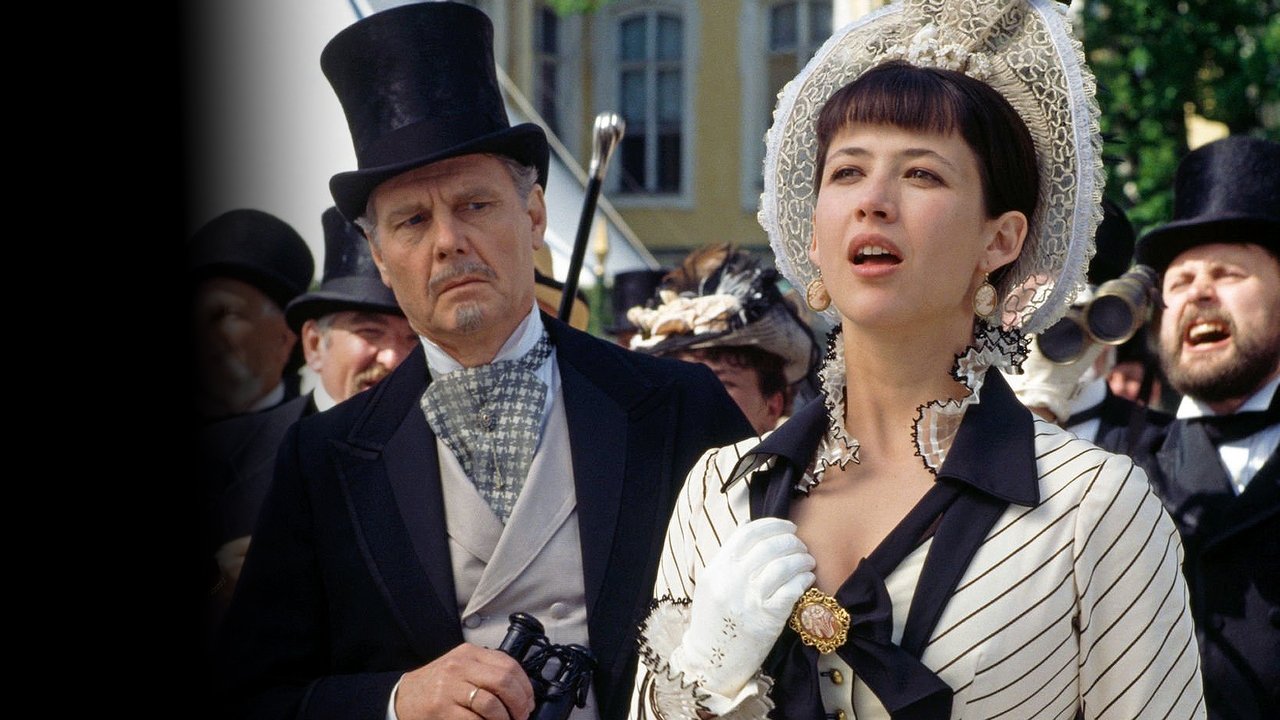
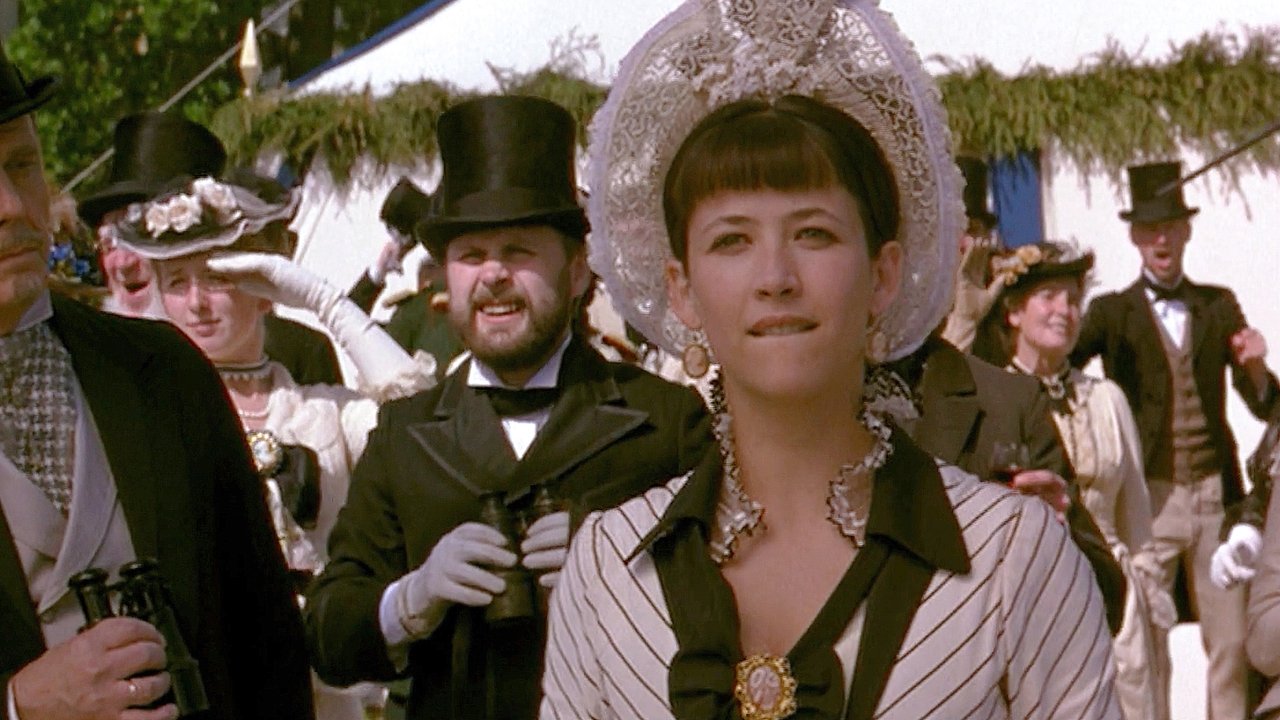
Bernard Rose, who also penned the screenplay, makes the understandable but challenging decision to heavily condense Tolstoy's sprawling narrative. This inevitably means sacrificing depth, particularly in the parallel story of Konstantin Levin (Alfred Molina) and Kitty (Mia Kirshner). Molina, ever the reliable craftsman, imbues Levin with warmth and intellectual searching, offering a necessary counterpoint to Anna and Vronsky's destructive path. His journey towards finding meaning in faith, family, and the land is sketched effectively, but feels secondary, lacking the space to breathe and develop fully as it does on the page. It raises the perennial question faced by adapters: how much can you cut from an epic before its intricate balance is compromised? Rose prioritizes Anna's narrative, making it a more focused, perhaps more cinematically conventional, tragedy.
A Forgotten Gem or Flawed Beauty?
Watching this Anna Karenina again, decades after its release, evokes a sense of respect for its ambition. The commitment to authentic locations provides a unique viewing experience that subsequent adaptations haven't replicated in quite the same way. The extensive use of Tchaikovsky in the score further enhances the Russian atmosphere. Yet, despite its visual strengths and Marceau's committed performance, the film sometimes struggles to ignite the profound emotional fire at the novel's core. It can feel beautiful, tragic, yet slightly distant.
Interestingly, despite its reported $35 million budget, the film was a significant box office disappointment, barely making a dent in the US market. Perhaps audiences in 1997 weren't clamoring for another Tolstoy adaptation, or maybe its more somber, classical approach felt out of step with the prevailing cinematic winds. It didn't achieve the iconic status of the Garbo or Leigh versions, nor the stylistic boldness of the later Joe Wright/Keira Knightley interpretation (2012).
Rating: 7/10
This score reflects the film's undeniable achievements alongside its shortcomings. The stunning on-location cinematography and production design earn major points, offering a visual authenticity rarely seen. Sophie Marceau delivers a compelling, often moving performance as Anna. However, the necessary compression of Tolstoy's epic narrative leaves some emotional depth unexplored, and the central romance doesn't always achieve the searing intensity required. It’s a beautifully crafted, serious adaptation that feels both grand and slightly melancholic, hampered perhaps by the sheer weight of its source material and the challenge of balancing spectacle with intimacy.
It remains a fascinating entry in the long history of Anna Karenina adaptations, particularly notable for its unique production circumstances. A worthwhile watch, especially for those who appreciate the tangible feel of history captured on film, even if the passionate heart of the story beats a little faintly beneath the Imperial frost. It leaves you pondering the choices made, the stories condensed, and the enduring power of Tolstoy's tragedy, seen here through a distinctly '90s, visually rich lens.