It arrived in video stores, perhaps nestled between explosive action flicks and quirky comedies, bearing the name of a director synonymous with gritty streets and volatile gangsters: Martin Scorsese. Seeing his name attached to a story of 1870s New York high society felt, initially, like a surprising detour. Yet, watching The Age of Innocence (1993) unfold, first perhaps on a cherished, slightly fuzzy CRT screen via a well-worn VHS tape, revealed not a departure, but a master filmmaker exploring the violence of manners, the brutality of unspoken rules, and the exquisite pain of repressed desire with the same intensity he brought to Goodfellas just three years prior. This wasn't about physical blows, but the devastating impact of social constraints.

Gilded Cages and Unspoken Desires
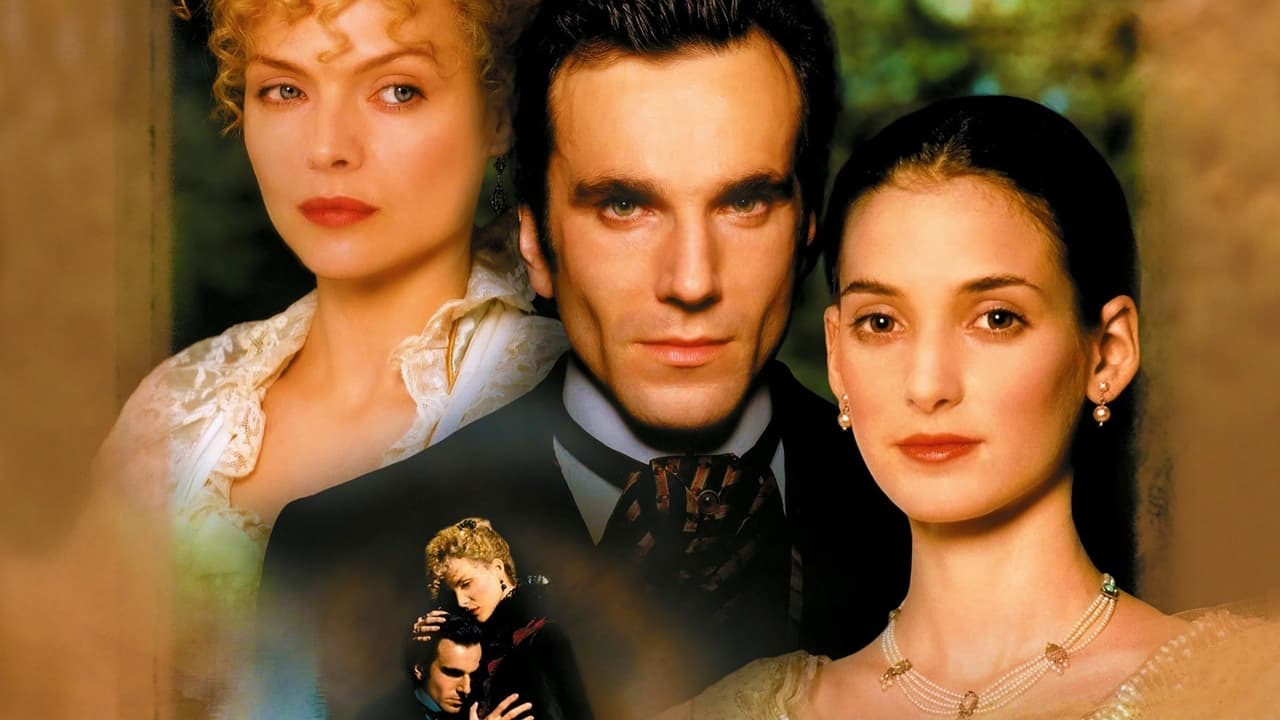
The film plunges us into a world suffocatingly beautiful. Based on Edith Wharton’s Pulitzer Prize-winning novel, it follows Newland Archer (Daniel Day-Lewis), a respectable young lawyer engaged to the perfectly proper May Welland (Winona Ryder). Their future seems mapped out within the rigid, almost tribal codes of New York’s aristocracy. But the arrival of May’s cousin, the Countess Ellen Olenska (Michelle Pfeiffer), throws Archer’s meticulously constructed world into disarray. Ellen, estranged from her brutish European husband and carrying the whiff of scandal, represents an intellectual freedom and emotional honesty utterly alien to Archer’s circle, yet deeply alluring to him. What unfolds is less a torrid affair and more a slow, agonizing dance around unspoken feelings, a desperate yearning constrained by the iron fist of societal expectation. The central question hangs heavy in the perfumed air: Can genuine passion survive in a world built on preserving appearances at all costs?
A Trio Caught in Silk Threads
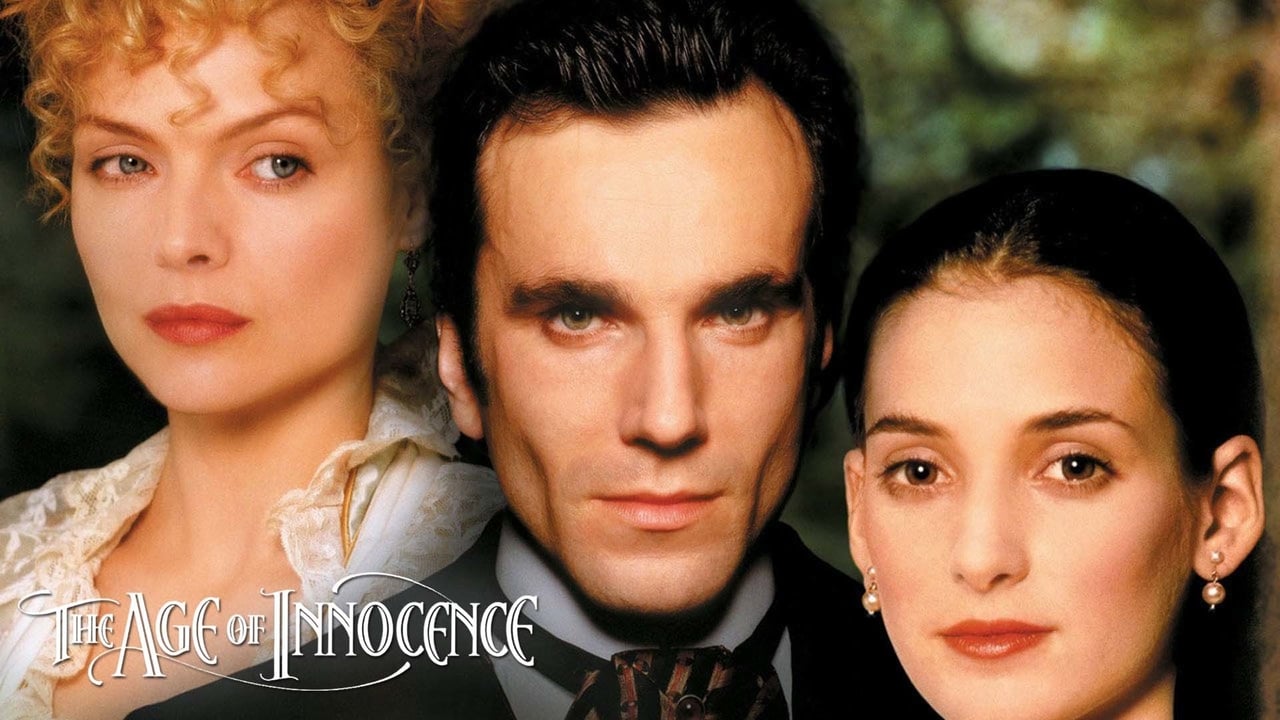
The performances are central to the film's power, operating with devastating subtlety. Daniel Day-Lewis, already renowned for his immersive methods, embodies Archer’s inner turmoil. He’s a man wrestling with his conscience, his desires, and the crushing weight of duty. You see the battle play out in the stiff set of his shoulders, the flicker of longing in his eyes quickly masked by propriety. It’s a performance of profound restraint, making the rare moments of vulnerability all the more impactful.
Michelle Pfeiffer as Ellen Olenska is luminous, capturing both her exotic allure and her weary vulnerability. She isn't simply a temptress; she's a woman who has seen a world beyond the suffocating confines of New York society and carries the scars of that knowledge. Her quiet defiance and underlying sadness make her instantly magnetic. There's a shared understanding between her and Archer that transcends words, a painful recognition of souls somewhat adrift.
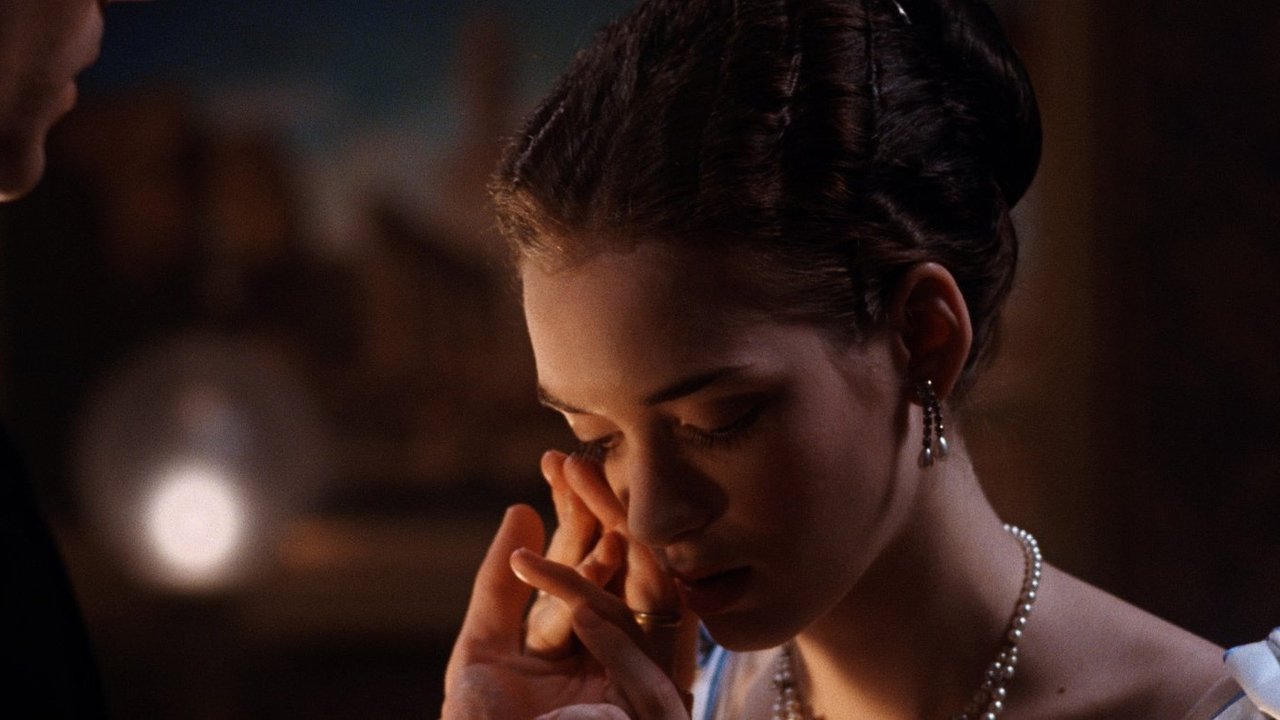
And then there’s Winona Ryder, fresh off roles like Edward Scissorhands (1990) and Bram Stoker's Dracula (1992), delivering a performance that earned her an Oscar nomination for Best Supporting Actress. Her May Welland initially seems the picture of naive innocence, the perfect society bride. But Ryder subtly reveals layers beneath the demure facade – a quiet awareness, a steely determination masked by sweetness. Is her innocence genuine, or a carefully cultivated defense mechanism within this predatory social ecosystem? The ambiguity Ryder brings is masterful, making May far more complex than she first appears.
Scorsese's Velvet Glove
Scorsese, working from a screenplay co-written with Jay Cocks, directs with astonishing precision. Far from being stifled by the period setting, he uses it to explore his recurring themes of tribalism, loyalty, and the consequences of breaking code. The violence here is psychological, inflicted through pointed glances, whispered gossip, and the crushing finality of social ostracism.
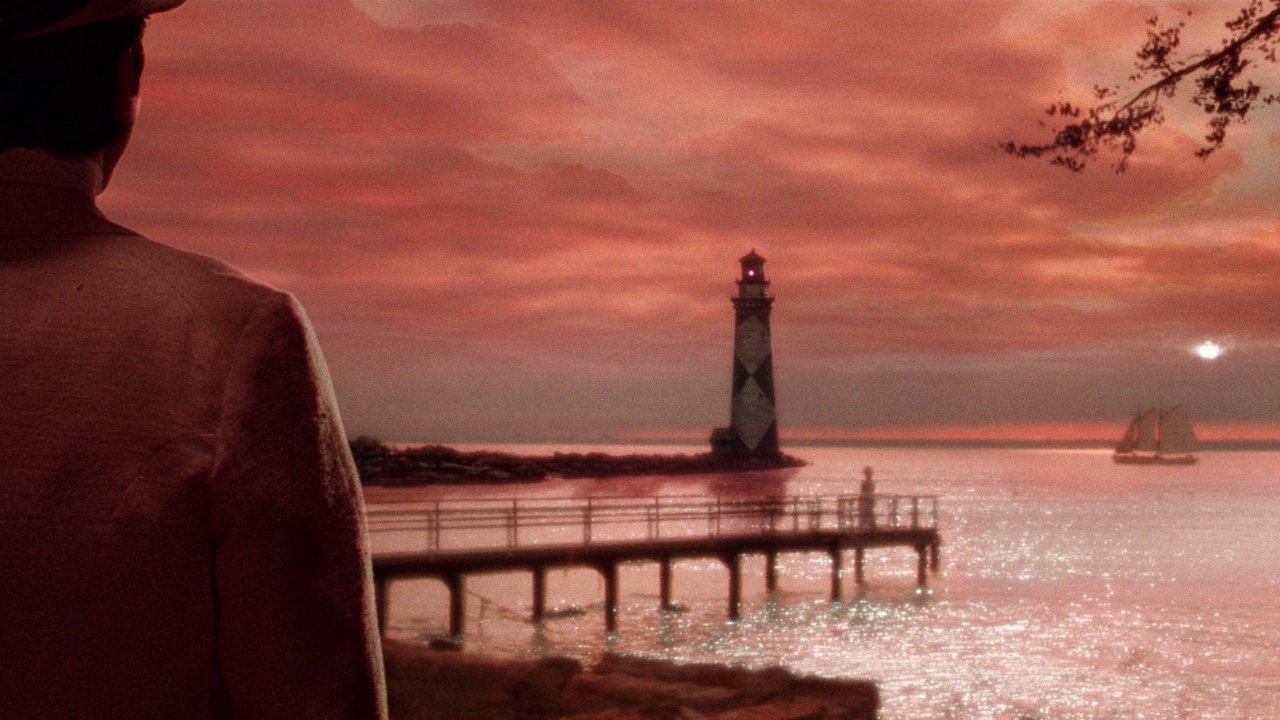
The film is a visual feast, meticulously recreating the era's opulent interiors, elaborate costumes (Gabriella Pescucci deservedly won an Oscar for Costume Design), and intricate social rituals. Michael Ballhaus’s cinematography is lush and painterly, often lingering on textures – velvet, lace, pearls, the rich mahogany of furniture – emphasizing the sensual world Archer intellectually appreciates but emotionally feels detached from. Scorsese employs fades, irises, and bursts of intense colour (like the recurring motif of yellow roses associated with Ellen) with artistic purpose, visually echoing the characters' internal states. The use of Joanne Woodward's elegant, omniscient narration, drawing heavily from Wharton's prose, provides crucial context and insight into the characters' hidden thoughts and the unspoken rules governing their world. It feels less like exposition and more like a knowing confidante guiding us through the intricate social maze.
Whispers from Behind the Scenes
Scorsese's dedication to authenticity was legendary. He reportedly consulted numerous historical experts, including food historians to ensure the elaborate dinner party scenes were accurate down to the last course. His own father, Charles Scorsese, even offered advice on the proper folding of a gentleman's formal scarf. This meticulousness wasn't just for show; it grounds the emotional drama in a tangible, believable reality. The film's production design by Dante Ferretti is breathtaking, transporting the viewer completely. Interestingly, despite its critical acclaim and visual splendour, the film wasn't a huge box office smash for Scorsese, earning back its estimated $34 million budget globally but not setting records – perhaps audiences accustomed to his visceral crime dramas were hesitant about this change of pace. Yet, its reputation as a masterpiece of adaptation and directorial control has only grown. The elegant, almost hypnotic title sequence designed by the legendary Saul Bass (in one of his final works) perfectly sets the stage, using blooming flowers overlaid with lace patterns to suggest both beauty and constraint.
The Enduring Ache
The Age of Innocence isn't a film you watch for thrills; you watch it to feel the exquisite ache of possibility denied. It explores the profound melancholy of choosing duty over passion, the quiet tragedy of a life lived within carefully prescribed boundaries. It forces us to consider the "what ifs" not just in Archer's life, but perhaps in our own. What compromises do we make for acceptance? What passions do we let wither for the sake of stability? I remember watching this on VHS, the sheer richness of the visuals almost overwhelming the standard-definition format, yet the emotional core – the longing, the regret, the suffocating beauty – resonated powerfully then, and lingers just as strongly now.
Rating: 9.5/10
This near-perfect score is earned through the trifecta of flawless performances, particularly from Day-Lewis, Pfeiffer, and Ryder, who navigate complex emotional landscapes with stunning subtlety. Scorsese's direction is masterful, adapting Wharton's novel with both reverence and his signature thematic depth. The breathtakingly authentic production design and costumes, coupled with Ballhaus's painterly cinematography and Elmer Bernstein's evocative score, create an immersive, unforgettable world. It’s a film whose emotional weight and visual beauty justify its place as not just a great Scorsese film, but a truly exceptional piece of cinema.
It leaves you with a quiet sense of melancholy, a haunting reflection on the intricate, often cruel, ways society shapes our choices and the enduring power of paths not taken.