### The Haze of Memory, The Heat of Desire
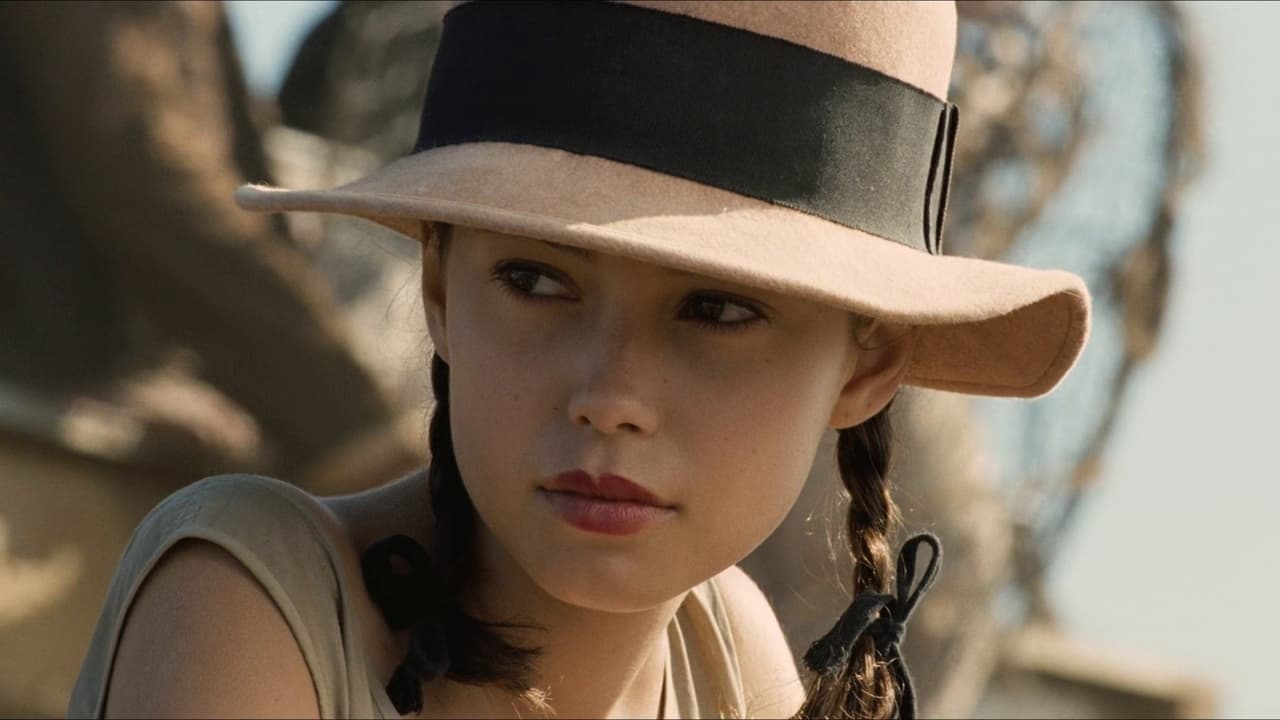
Some films don't just tell a story; they steep you in an atmosphere so thick you can almost feel the humid air cling to your skin. Jean-Jacques Annaud's The Lover (1992) is one such film. Watching it again now, decades after first encountering its distinctive beige MGM/UA Home Video clamshell case on a rental store shelf, feels like unearthing a half-forgotten, intensely personal memory. It wasn't the usual action fare or broad comedy; it felt… different. Adult. Perhaps even a little dangerous. It transports you utterly to 1929 French Indochina, a world brimming with decay, beauty, and forbidden encounters.
### Across the Mekong
Based on the autobiographical novel by Marguerite Duras, the film recounts the passionate, illicit affair between a fifteen-and-a-half-year-old French girl (credited simply as 'The Young Girl', played by a debuting Jane March) and a wealthy, older Chinese man ('The Chinaman', portrayed with quiet intensity by Tony Leung Ka-fai). They meet on a crowded ferry crossing the Mekong Delta – she, striking in her man's fedora and simple dress, catching his eye from his chauffeured limousine. What unfolds is less a conventional romance and more a collision of loneliness, burgeoning sexuality, societal taboos, and the complex power dynamics inherent in their colonial setting.

The plot itself is deceptively simple, focusing primarily on their clandestine meetings in his secluded apartment in Saigon. Yet, beneath the surface lies a turbulent sea of unspoken emotion, cultural barriers, and the harsh realities of poverty driving the young girl's family. The narration, adapted from Duras's prose and delivered with haunting detachment by Jeanne Moreau in the original French version (and often dubbed in English releases), frames the affair as a pivotal, searing memory looked back upon from old age – an event that shaped everything that followed.
### A Debut Steeped in Controversy
Much of the film's notoriety, both then and now, stems from its explicit depiction of sexuality and the casting of the very young Jane March. She was just 17 or 18 during filming, playing even younger, which understandably generated significant controversy surrounding the intimate scenes. It's a testament to Annaud's direction and the professionalism of the actors that these scenes, while undeniably sensual, often convey vulnerability and transaction more than pure eroticism. The persistent rumours that the sex scenes were real were fiercely denied by Annaud, who detailed the meticulous choreography involved, but the whispers certainly added to the film's mystique upon its release. Interestingly, Marguerite Duras herself, despite being credited as a writer alongside Gérard Brach and Annaud, publicly disavowed the final film, feeling it deviated too much from her intensely personal source material – a layer of behind-the-scenes drama that adds context to the viewing.
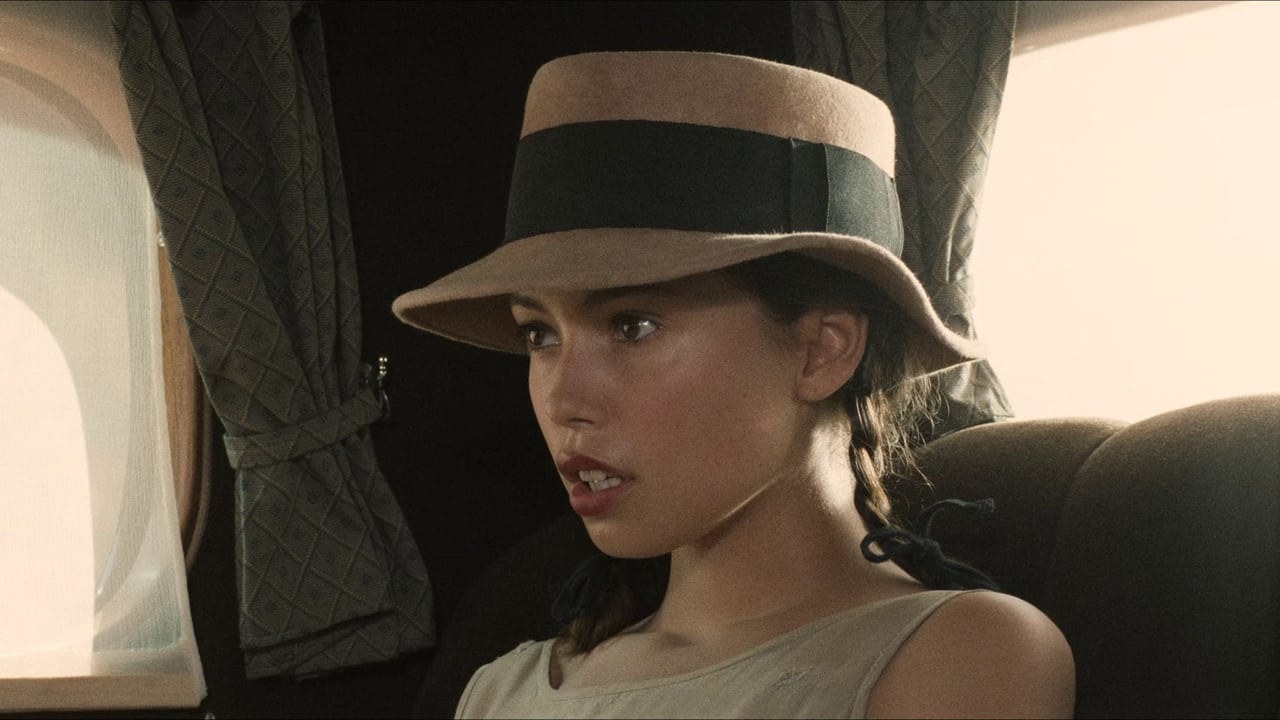

Tony Leung Ka-fai, already an established star in Hong Kong cinema (though perhaps less known to Western audiences pre-The Lover), is simply magnetic. He imbues the Chinaman with a profound melancholy, a man trapped by his wealth and societal expectations, finding a desperate, fleeting connection with the girl. His performance is one of subtle glances, hesitant touches, and deep wells of sadness behind his eyes. It’s a portrayal that resonates with a quiet power, making his character far more complex than just a wealthy predator. March, in her first role, embodies the paradoxical mix of youthful naivety and startling self-awareness the character demands. There's a raw, almost feral quality to her performance, capturing the character's defiance and burgeoning understanding of her own power, even amidst exploitation. Does her lack of experience sometimes show? Perhaps, but it also lends an authenticity that a more polished performance might have lacked.
### Capturing a Vanished World
Visually, The Lover is breathtaking. Director Jean-Jacques Annaud, known for his meticulous world-building in films like The Name of the Rose (1986) and Quest for Fire (1981), immerses the viewer completely. He and cinematographer Philippe Rousselot (who earned a well-deserved Oscar nomination for his work) conjure the oppressive heat, the faded colonial grandeur, and the vibrant chaos of 1920s Saigon. The deliberate pacing allows you to soak in the details – the peeling paint, the bustling markets, the languid afternoons heavy with unspoken tension. Filming extensively on location in Vietnam, which had only recently opened up more to Western productions, presented significant logistical hurdles, but the authenticity it brings is undeniable. You truly feel transported to another time and place. The budget, around $30 million (a hefty sum for what is essentially an art-house drama), is all visible on screen, capturing the period with remarkable detail. While it didn't set the US box office alight (around $4.7 million), it performed significantly better internationally, finding its audience over time, particularly on home video.
### Lingering Questions

What stays with you after the credits roll? It's not just the controversial elements or the beautiful imagery. It's the profound sense of sadness, the exploration of memory's selective, often painful nature. The film forces us to confront uncomfortable questions about agency, consent (viewed through a modern lens), the corrupting influence of poverty, and the deep scars left by colonialism and forbidden desire. It doesn't offer easy answers or moral judgments. Instead, it presents a snapshot of a deeply flawed, intensely felt connection, leaving the viewer to grapple with its implications. It captures that specific ache of looking back on a formative experience that was both vital and damaging. Isn't that often how memory works – a mosaic of pleasure and pain?
Rating: 8/10
This score reflects the film's stunning atmospheric achievement, the brave and compelling central performances, and its willingness to explore complex, uncomfortable themes with artistic integrity. While the controversy surrounding its production and subject matter is undeniable, and Duras's own feelings add a layer of complexity, the film stands as a powerful piece of cinematic art. It’s a haunting, beautifully crafted exploration of memory and desire that lingers long after viewing, much like the humid Saigon air it so vividly portrays. It remains a standout piece of 90s arthouse cinema that found its way, perhaps surprisingly, onto mainstream rental shelves.