What lingers most, perhaps, after the static hiss fades and the VCR clicks off, is the profound loneliness at the heart of Powder. Not just the isolation of its unique protagonist, but the wider, more familiar loneliness that stems from misunderstanding, fear, and the simple inability of people to truly see one another. Released in 1995, Powder arrived on shelves with a premise bordering on the fantastical, yet grounded itself in deeply human, often painful, truths.
Into the Light, Into the Storm
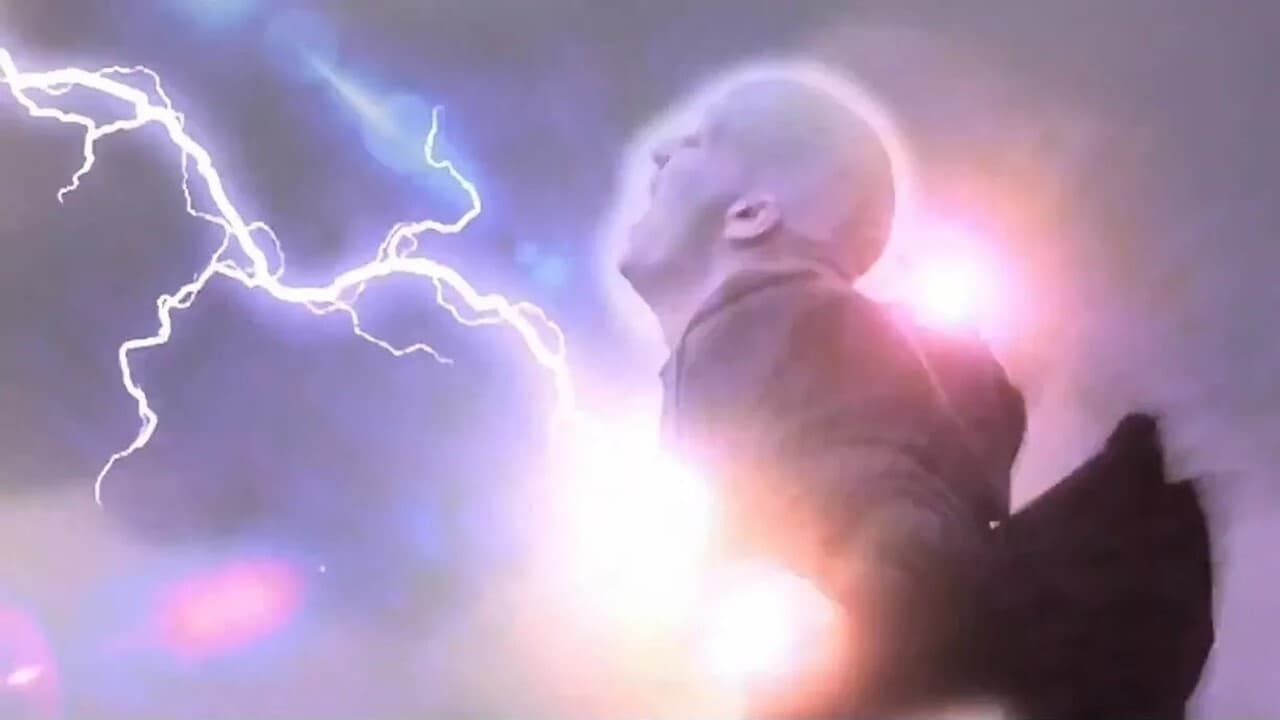
The film introduces us to Jeremy "Powder" Reed (Sean Patrick Flanery) under the most unusual circumstances – discovered living in the basement of his deceased grandparents' farmhouse, a young man whose existence was hidden from the world. His appearance is striking: devoid of pigment, hairless, almost spectral. But his differences run far deeper. Powder possesses extraordinary intelligence, an ability to sense the thoughts and feelings of others, and a strange connection to electrical energy. Thrust from his sheltered isolation into a small Texas town, he becomes an object of fascination, fear, and ultimately, persecution. The narrative unfolds as Powder navigates this new, often hostile world, guided by the compassionate director of a local boys' home, Jessie Caldwell (Mary Steenburgen), and observed by the pragmatic Sheriff Barnum (Lance Henriksen).
A Study in Empathy and Otherness
What makes Powder resonate, even now, isn't just the sci-fi premise, but its unwavering focus on empathy – or the tragic lack thereof. Powder’s abilities force those around him to confront uncomfortable truths, Dredging up hidden pains and prejudices. His mere presence acts as a catalyst, revealing the best and worst of human nature. We see genuine connection blossom, particularly with Jessie and the science teacher Donald Ripley (Jeff Goldblum, adding his signature intellectual charm), but we also witness gut-wrenching cruelty fueled by ignorance and fear. Remember the scene in the locker room? It’s hard to watch, precisely because it feels so horribly plausible. The film asks us, point-blank: how do we treat those who are different? What potential do we stifle when we let fear dictate our actions?
Beneath the Makeup
Sean Patrick Flanery's performance is central, and it's a remarkably physical and internalised one. Buried under layers of pale makeup (a process reportedly taking several hours each day, surely adding to the character’s sense of being trapped), Flanery conveys Powder's intelligence, his aching vulnerability, and his quiet suffering primarily through his eyes and subtle gestures. It's a performance that requires immense restraint, communicating vast emotions without overt expression. Mary Steenburgen provides the film's warmth and moral center as Jessie, her inherent kindness offering Powder (and the audience) a desperately needed anchor. Lance Henriksen, ever the reliable presence, gives Sheriff Barnum a grounded skepticism that slowly evolves into reluctant understanding, representing the cautious, questioning everyman.

That 90s Blend of Wonder and Sentiment
Director Victor Salva crafts a film that often feels like a fable. The cinematography captures both the starkness of Powder's condition and the beauty of the natural world he feels so connected to – think of the memorable scene with the dying deer, a moment of profound empathy that showcases Powder's unique gift. The electrical effects, like the lightning attraction or the memorable spoon-bending demonstration for Ripley, were quite striking back in the mid-90s, achieved with practical ingenuity before CGI dominated everything. While effective, the film does occasionally lean heavily into sentimentality. Its emotional beats are sometimes underlined a little too forcefully, risking melodrama where subtlety might have served better.
Retro Fun Facts & Lasting Ripples
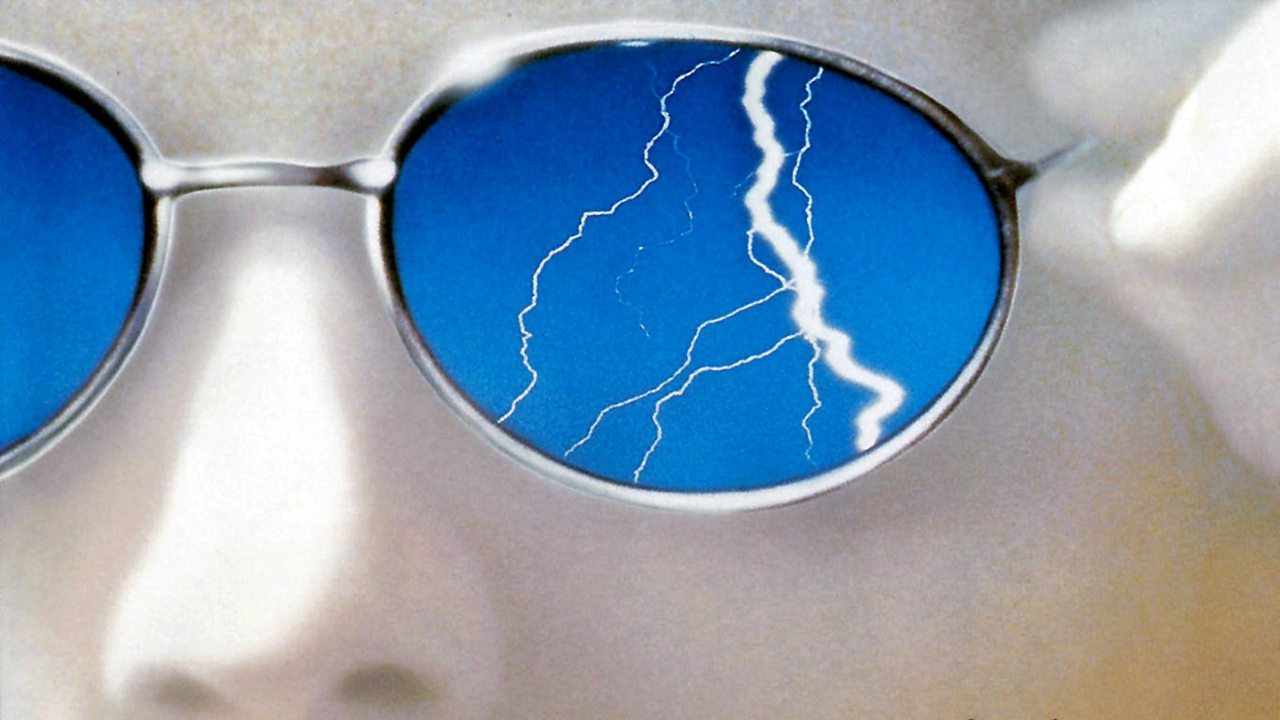
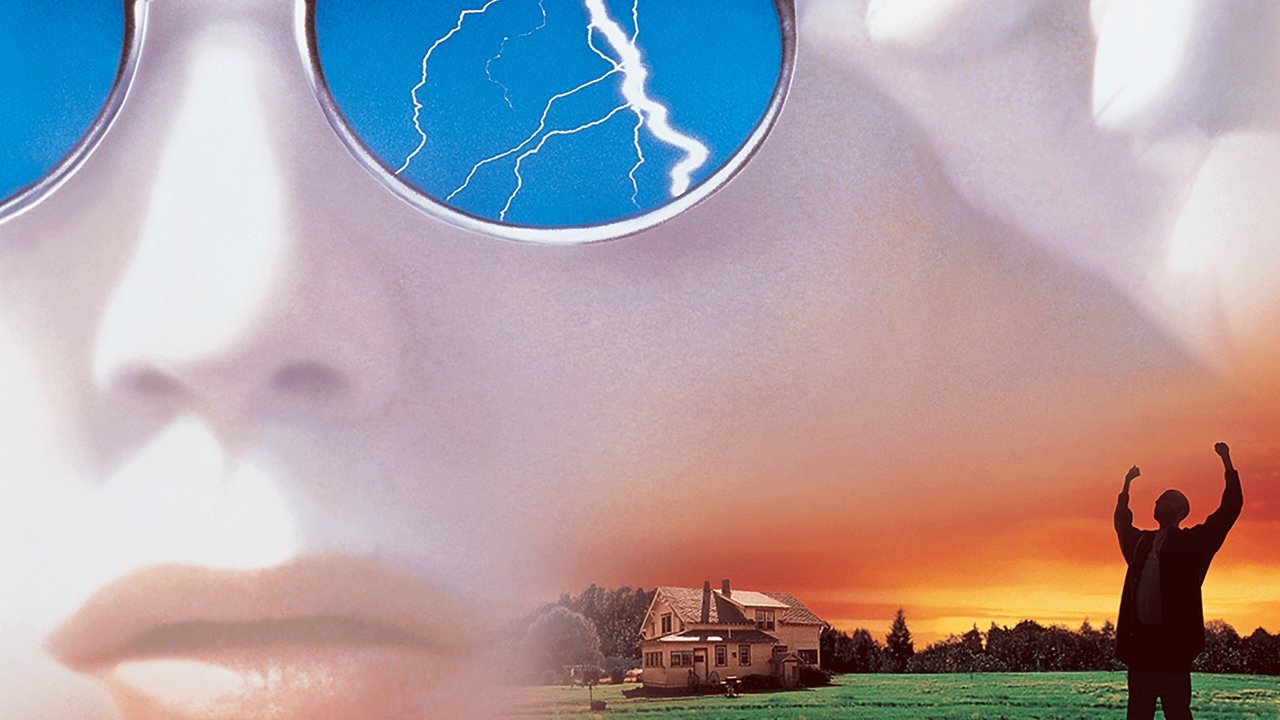
Powder wasn't a runaway blockbuster (grossing around $30 million on a roughly $9.5 million budget), but it certainly sparked conversation, finding a solid audience on home video – becoming one of those rentals you'd see consistently on the shelves at Blockbuster. Filmed largely around Houston and Austin, Texas, the locations lend an authentic, sun-bleached, small-town atmosphere crucial to the story. Interestingly, the film's release wasn't without controversy surrounding director Victor Salva's past criminal conviction, which led Disney (distributing through Hollywood Pictures) to navigate its promotion carefully. This off-screen context adds a layer of complexity to the film's themes of judgment and hidden truths, though the movie itself largely focuses on its own narrative world. Did you know the iconic image of Powder reaching towards the lightning was a key part of the marketing, immediately conveying the film's blend of the human and the extraordinary?
Final Thoughts: An Imperfect Spark
Powder is a film that stays with you, not necessarily for its plot mechanics, but for the feelings it evokes and the questions it poses. It’s a poignant, sometimes heavy-handed, exploration of intolerance and the potential beauty found in difference. While its sentimentality might feel a touch dated to some, the core message about empathy and acceptance remains potent. Flanery's committed performance and the film's moments of genuine wonder and sadness make it a memorable, if imperfect, piece of 90s cinema. It’s one of those films that invites reflection long after the tape ends, prompting thoughts about how we connect, how we judge, and what truly makes us human.

Rating: 7/10
Justification: The film scores points for its powerful central performance, compelling themes, and moments of genuine emotional resonance and visual wonder specific to its era. However, it loses some points for its occasional heavy-handed sentimentality and a somewhat uneven tone that doesn't always seamlessly blend its fantastical elements with its grounded drama. Still, a worthwhile and thought-provoking watch.
Final Takeaway: A melancholic fable from the VHS racks, reminding us that sometimes the brightest lights come from the most unexpected, and often misunderstood, sources.