Some films feel less like watching a story unfold and more like bearing witness to exposed nerves, raw and pulsing under a harsh light. Sean Penn’s 1995 drama, The Crossing Guard, is precisely that kind of experience. Picking up this tape back in the day, perhaps nestled between more colourful action or comedy boxes at the local video store, hinted at something heavier, something that demanded a different kind of attention. It wasn't escapism; it felt more like an invitation into the long, dark shadow of grief.
Six Years of Waiting
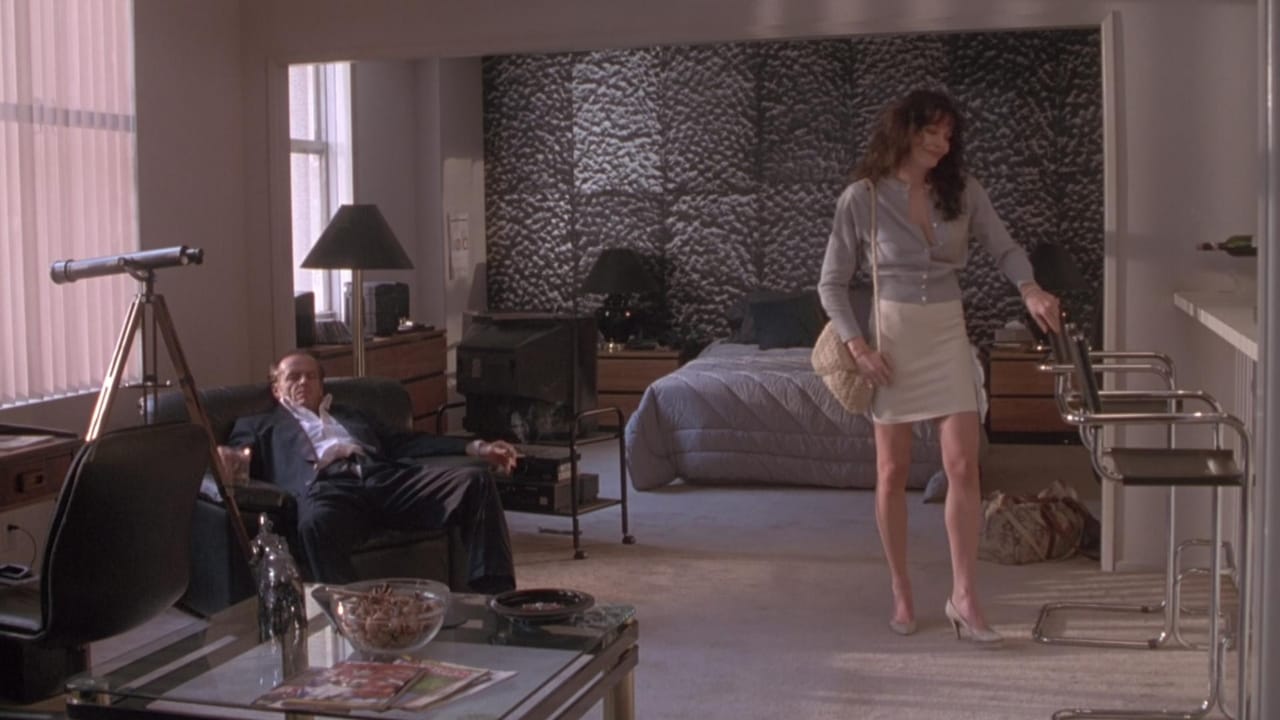
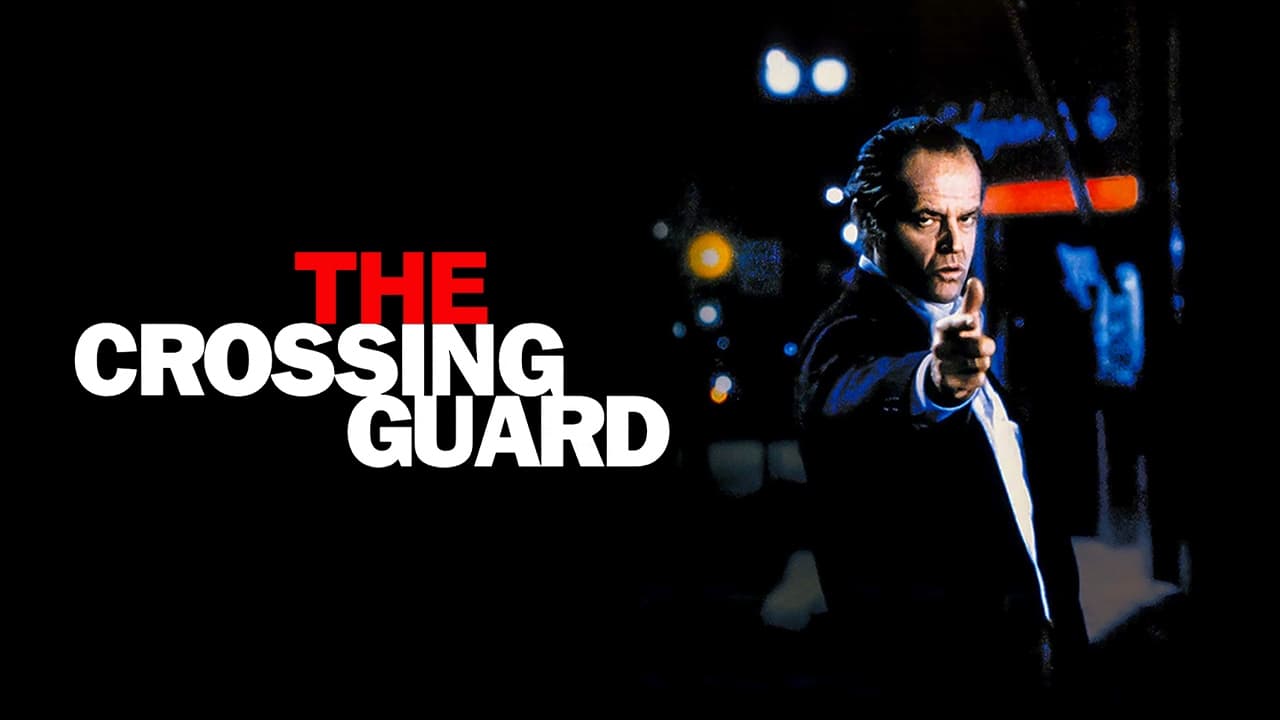
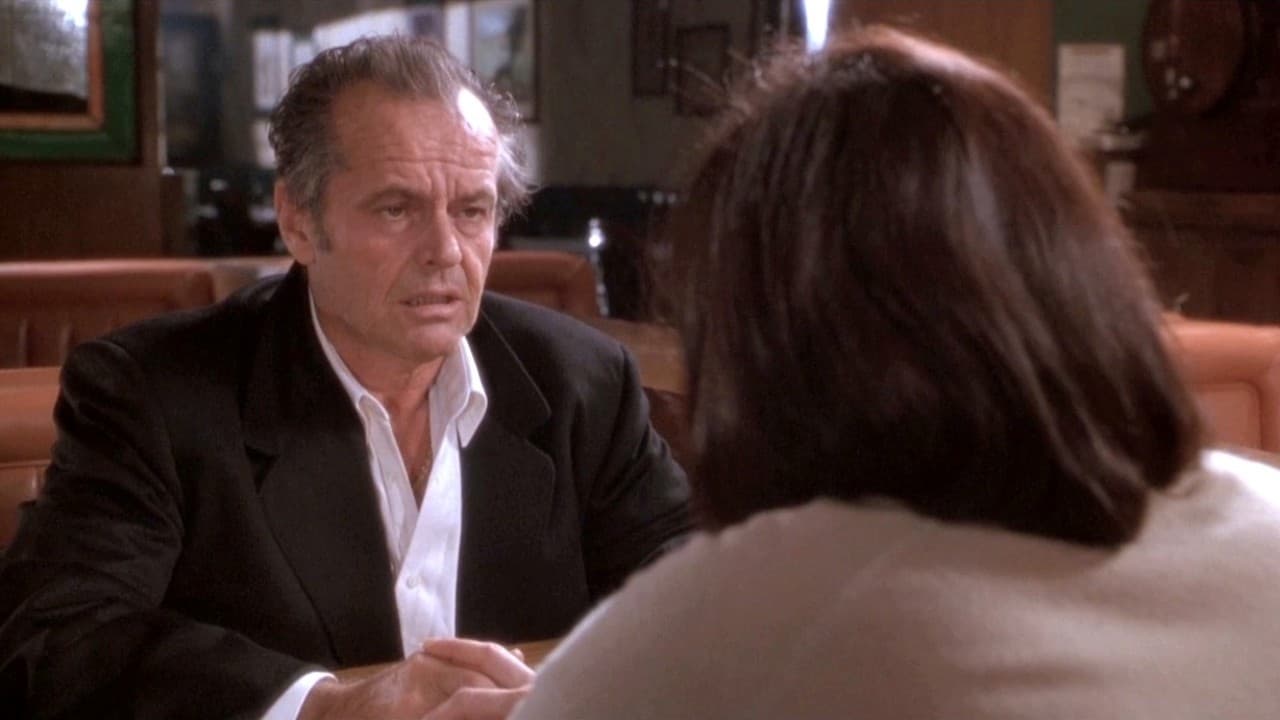
The premise is stark: Freddy Gale (Jack Nicholson) owns a jewelry store, but his real occupation for the past six years has been waiting. Waiting for John Booth (David Morse) to be released from prison. Booth, driving drunk, killed Freddy's young daughter, Emily. Now, Booth is out, and Freddy has given him three days' notice: after that, Freddy intends to kill him. It’s a setup simmering with inevitable violence, but Penn, both as writer and director (his second feature after 1991's The Indian Runner), isn't interested in crafting a simple revenge thriller. Instead, he plunges us headfirst into the suffocating miasma of Freddy's existence – a world pickled in alcohol, regret, and an obsession that has hollowed him out completely.
What makes The Crossing Guard burrow under your skin isn't the plot's momentum – Penn often allows the film to linger, sometimes uncomfortably – but the devastating authenticity of the human wreckage on display. This is a film about the messy, unresolved, and profoundly lonely landscape of loss.
Giants in Their Grief
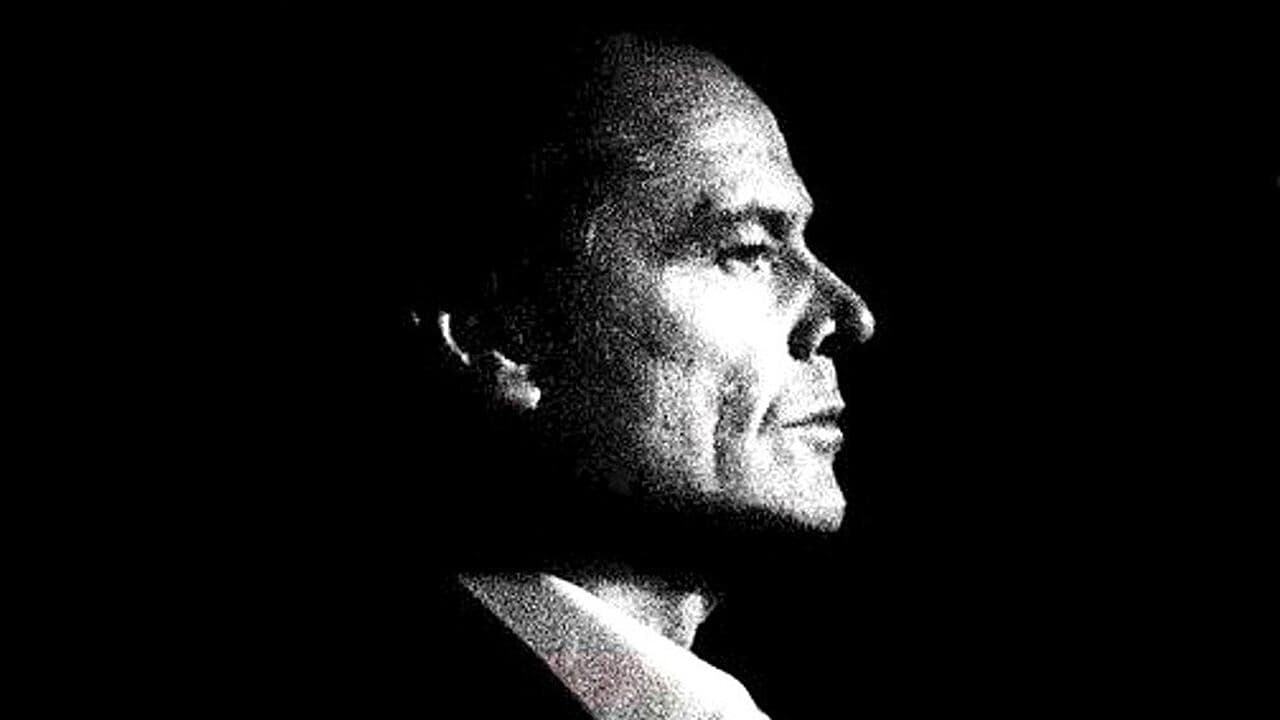
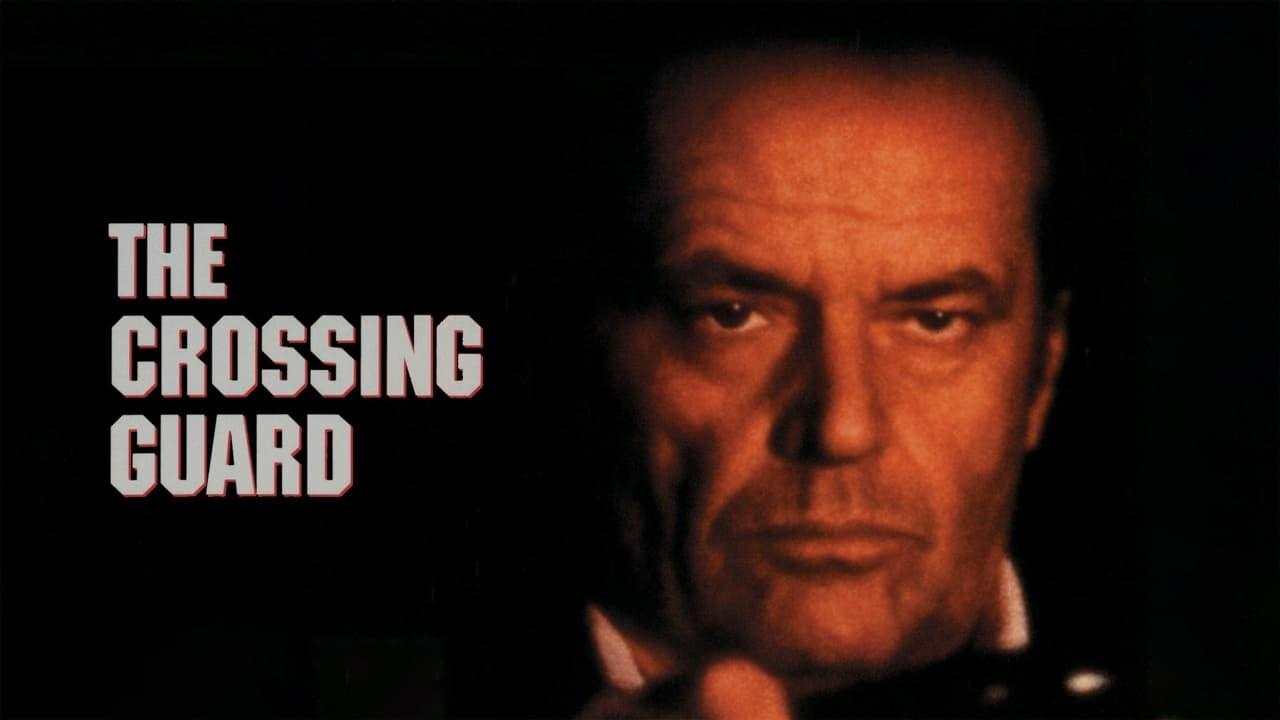
The performances are, frankly, monumental. Jack Nicholson, far from the gleeful chaos of some of his iconic roles, delivers a portrait of festering agony. Freddy isn't just angry; he's consumed. His eyes, often hidden behind sunglasses, betray a man whose soul has curdled. It’s a performance built on tremors of rage barely contained beneath a veneer of forced nonchalance, punctuated by volcanic outbursts that feel terrifyingly real. Nicholson reportedly took a pay cut to work with Penn, a testament perhaps to the material's pull. Seeing him navigate this particular darkness feels like watching a master craftsman chisel away at granite.
Opposite him, David Morse as John Booth is quietly shattering. Instead of a villain, we find a man deeply burdened by his actions, carrying his guilt like a physical weight. Morse, who gained weight for the role, embodies remorse not through histrionics, but through a palpable sense of sorrow and resignation. His quiet dignity in the face of Freddy's promised retribution is haunting. The confrontations between Nicholson and Morse crackle with a tension that goes beyond mere plot mechanics; it’s the collision of two irrevocably broken lives.
And then there's Anjelica Huston as Mary, Freddy's estranged wife. Their shared history adds an almost unbearable layer of poignancy, especially knowing Nicholson and Huston’s own long and famously ended real-life relationship. Huston portrays Mary not just as a grieving mother, but as someone who has somehow found a way to keep breathing, to move forward while Freddy remains anchored to the tragedy. Her scenes with Nicholson are electric with unspoken history, shared pain, and the vast gulf that now separates them. It’s a performance of weary strength and profound sadness.
Penn's Measured Hand
Sean Penn directs with a deliberate, sometimes heavy hand. He’s not afraid of silence or letting scenes play out at a pace that mirrors the characters' emotional inertia. The film often feels drenched in a kind of perpetual twilight, reflecting the internal gloom of its protagonist. Penn, who apparently hammered out the first draft of the script in a whirlwind three days (though surely refining it later), shows a confidence in letting his actors carry the emotional weight. He trusts their faces, their gestures, to convey more than dialogue ever could. The use of music, including powerful tracks by Bruce Springsteen, underscores the themes of working-class desperation and fractured dreams without feeling intrusive.
Interestingly, despite the star power of Nicholson, The Crossing Guard wasn't a box office hit, earning less than $1 million domestically against its estimated $9 million budget. Perhaps its unflinching bleakness and refusal to offer easy answers made it a tough sell for mainstream audiences in the mid-90s. It wasn’t the kind of film you casually threw on; it demanded something from you, an emotional investment that mirrored the characters' own profound struggles. This quieter reception, however, makes it feel even more like a discovery now, a potent piece of 90s adult drama tucked away on the VHS shelf.
The Weight of Unresolve
Does the film fully succeed? Its pacing can test patience, and the pervasive despair makes it a challenging watch. Some might find Freddy's relentless obsession borders on the monstrous, making empathy difficult. Yet, isn't that part of the point? Grief, especially when left to fester and fueled by addiction, can be monstrous. The film asks difficult questions: Can forgiveness ever truly be earned after such a devastating loss? Can a person consumed by vengeance ever find peace, even if they achieve their goal? What does it mean to survive when survival itself feels like a betrayal of the one you lost?
The Crossing Guard doesn't offer easy answers. It leaves you contemplating the weight these characters carry, the choices they make, and the messy reality that closure is often a myth. It’s a film that sits with you, heavy and thought-provoking, long after the VCR clicked off.
Rating: 8/10
This score reflects the sheer power of the central performances and Penn’s commitment to exploring difficult emotional terrain, even if the film's relentless intensity and deliberate pacing make it a demanding viewing experience. The acting from Nicholson, Morse, and Huston is simply unforgettable, elevating the material beyond a standard revenge plot into a profound meditation on grief and the ghosts that haunt us.
It's a film that reminds you how potent simple human drama could be on screen, a far cry from the spectacle often prioritized then and now. Finding it felt like unearthing something significant, a stark reminder of the enduring power of character-driven storytelling.