It starts with a promise, doesn't it? A simple two-week family visit. But beneath the surface of that promise in 1991's Not Without My Daughter, there’s a tremor of unease, a cultural chasm that widens into a terrifying trap. Watching it again now, decades removed from its initial, charged release, the film retains a visceral power, tapping into primal fears of losing control, losing family, and losing oneself in an unfamiliar world. It’s a film that likely caused more than a few anxious discussions after the VCR clicked off back in the day.
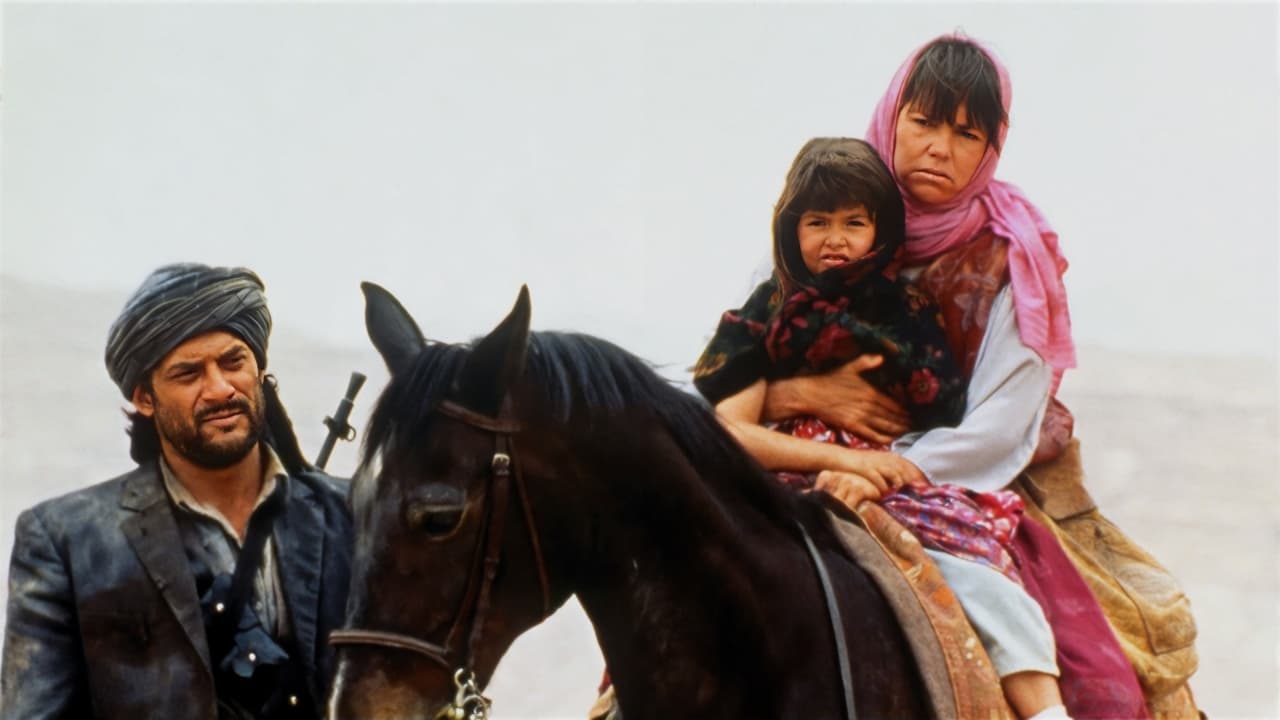
A Holiday Turns Hostage Situation
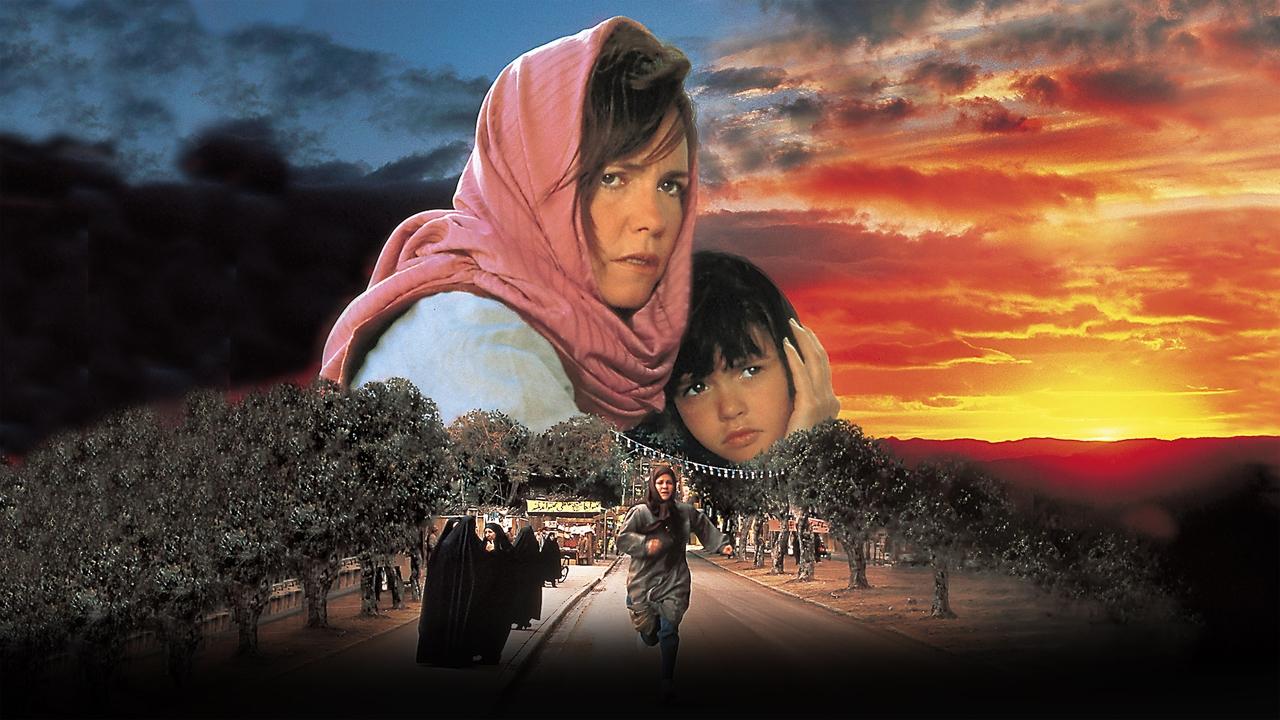
Directed by Brian Gilbert (who would later give us the thoughtful biopic Wilde), the film plunges us into the seemingly ordinary life of Betty Mahmoody (Sally Field), an American woman married to Moody (Alfred Molina), an Iranian-born doctor living comfortably in Michigan. Moody, feeling pressure from family and perhaps a sense of displacement himself, persuades a reluctant Betty to take their young daughter, Mahtob (Sheila Rosenthal), on that fateful trip to Tehran to meet his relatives. The initial scenes cleverly establish Betty’s apprehension, subtly contrasted with Moody’s reassurances – a dynamic that makes the eventual betrayal all the more chilling.
Once in Iran, amidst the backdrop of the post-revolutionary era, the atmosphere shifts dramatically. The loving husband becomes devoutly traditional, increasingly authoritarian, and ultimately, Betty’s captor. The moment Moody declares, "You're not leaving Iran. You're here until you die," is a gut-punch, transforming the narrative from family drama to harrowing thriller. The film excels in depicting Betty’s mounting desperation and isolation, trapped not just by her husband, but by a legal system and culture utterly alien and seemingly insurmountable.
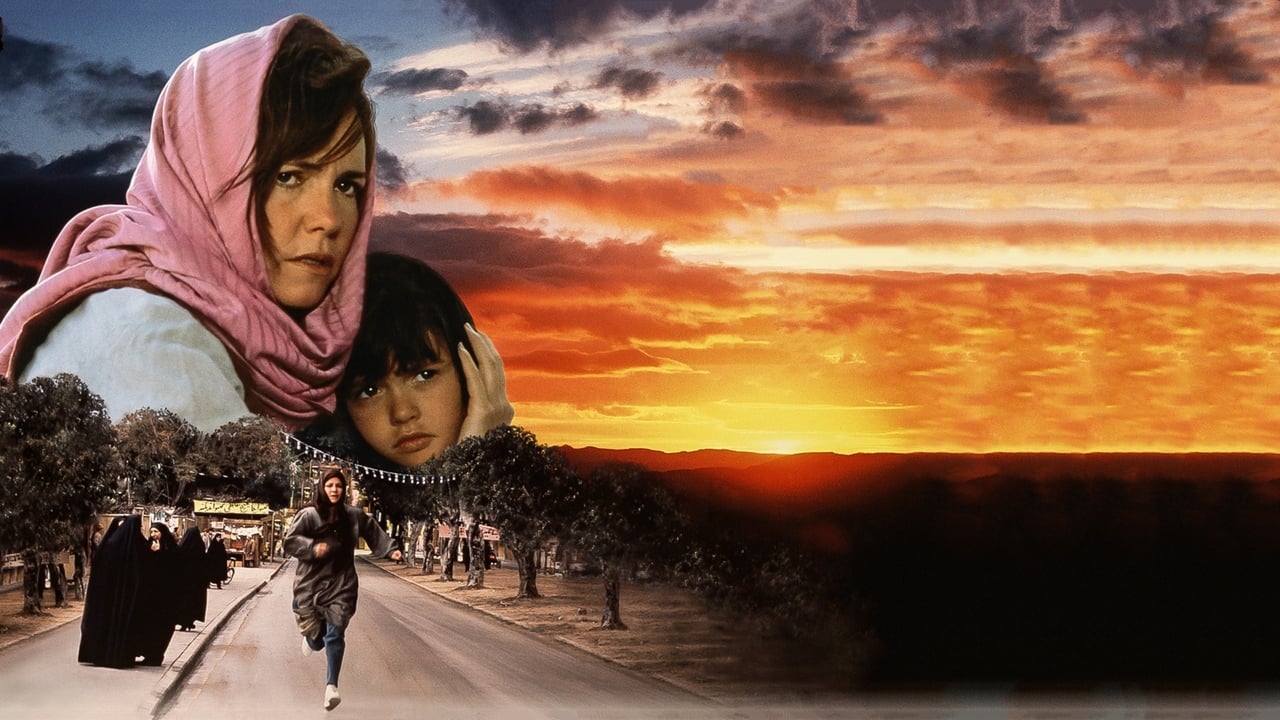
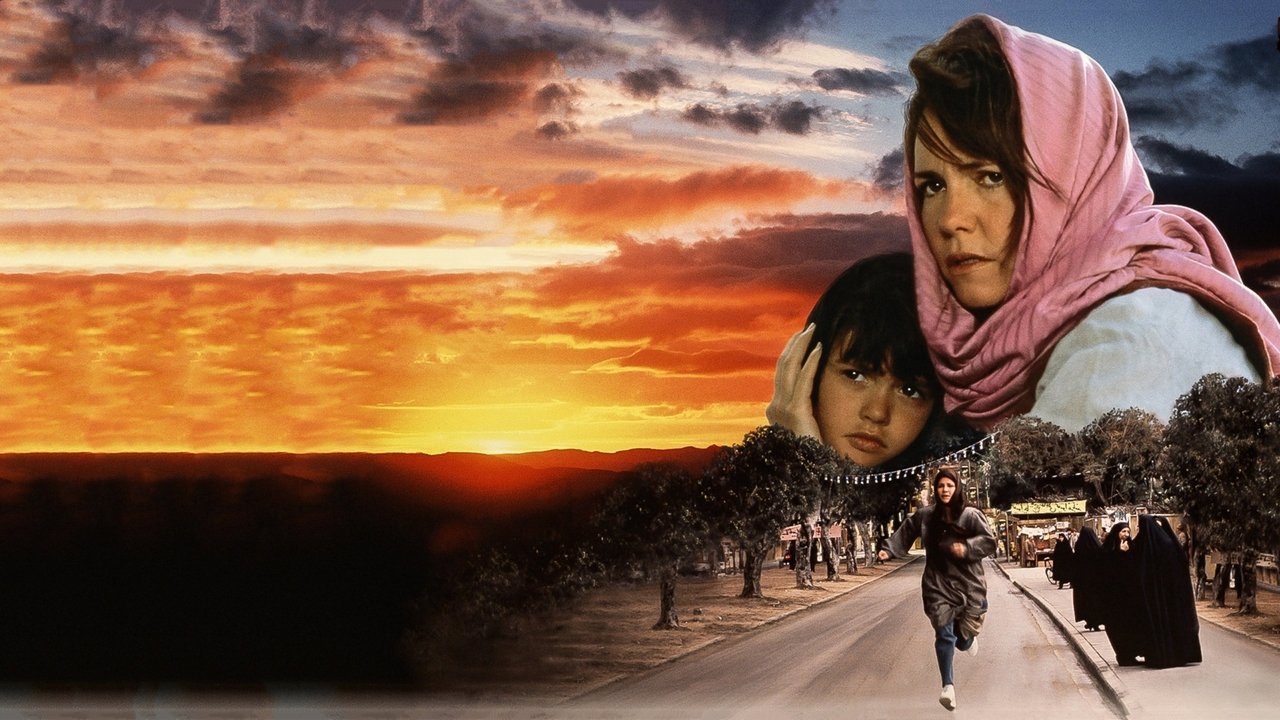
Field’s Fierce Maternal Fire
At the heart of the film's enduring grip is Sally Field. Fresh off powerful roles in films like Norma Rae (1979) and Places in the Heart (1984), Field embodies Betty’s journey from naive wife to fiercely protective mother bear with unwavering conviction. She doesn't play Betty as a superhero, but as an ordinary woman pushed to extraordinary limits. Her fear is palpable, her moments of despair feel wrenchingly real, but it’s the simmering resilience, the sheer force of will driven by her love for Mahtob, that anchors the film. We see the terror in her eyes, but also the calculation, the constant search for an escape route, however slim. It’s a performance that feels utterly authentic in its portrayal of maternal desperation.
Molina and the Shadow of Controversy
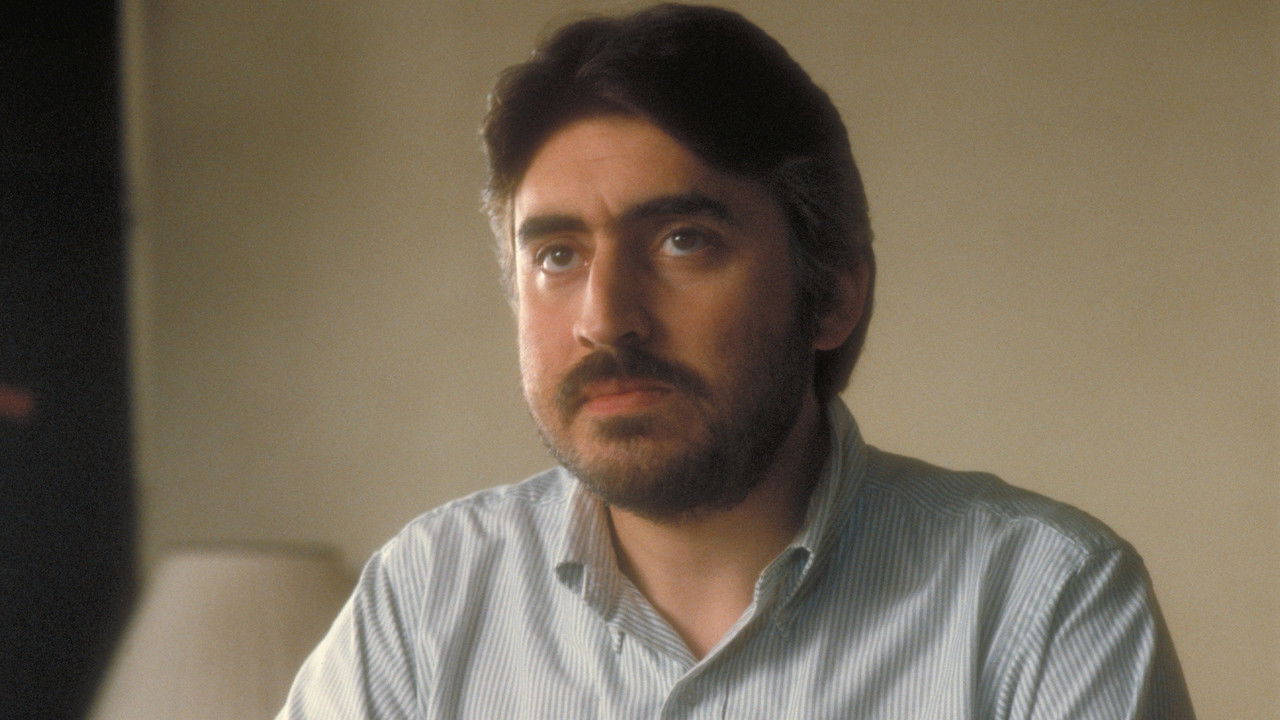
Alfred Molina, in a role that understandably generated significant debate, portrays Moody. It's a difficult tightrope walk. While the film needs him to be the antagonist, Molina imbues Moody with flickers of the man Betty initially loved, hinting at internal conflicts driven by cultural expectations, religious fervor, and perhaps deep-seated insecurities. However, the film, based closely on Betty Mahmoody's memoir (she served as a consultant on the film), faced considerable criticism upon release for presenting a largely one-dimensional view of Iranian men and culture. Many felt it painted with too broad a brush, reinforcing negative stereotypes during a period of already strained US-Iran relations. It’s a valid critique; the film primarily functions as Betty’s story, and nuance regarding Moody's motivations or the broader Iranian perspective is often sacrificed for suspense and emotional impact. Finding sympathetic Iranians willing to help Betty becomes crucial to the plot, offering a slight counterbalance, but the overwhelming feeling presented is one of pervasive oppression from Moody's side of the family and the surrounding society.
Crafting Claustrophobia
Despite the geographical constraints – the film couldn't shoot in Iran, primarily using locations in Israel and the USA to double for Tehran – Brian Gilbert and his team effectively create a sense of confinement and cultural dislocation. The bustling street scenes, the unfamiliar customs, the constant feeling of being watched – it all contributes to Betty’s (and the viewer’s) sense of being adrift and vulnerable. The production design and cinematography work together to emphasize the oppressive atmosphere, making Betty's eventual desperate flight feel even more perilous. Interestingly, despite the harrowing subject matter and Sally Field's star power, the film wasn't a major box office success, reportedly costing around $14.8 million and earning roughly the same domestically. Its true impact, however, likely lay less in ticket sales and more in the conversations (and controversies) it ignited.
The Escape and Enduring Questions
Spoiler Alert! (Though most familiar with the film or book know the outcome). The final act, depicting Betty and Mahtob’s perilous journey overland towards Turkey, is nerve-shredding. Gilbert ramps up the tension effectively, relying on close calls, near-discoveries, and the raw determination etched on Field’s face. It’s a testament to the power of hope against overwhelming odds.
Watching Not Without My Daughter today, it remains a potent, if problematic, thriller. Its power lies in its universal theme of parental love and the desperate lengths one will go to protect their child. It taps into anxieties about cultural misunderstanding and the loss of personal freedom. Yet, its controversial legacy, stemming from its portrayal of a specific culture during a politically charged time, cannot be ignored. Does the film still hold up as compelling drama? Absolutely. Does it require viewing through a lens aware of its historical context and potential biases? Without a doubt. It leaves you pondering the complexities of cultural identity, the devastating impact of fanaticism, and the unbreakable bond between a mother and child.
VHS Heaven Rating: 7/10
Justification: The film earns a solid 7 primarily due to Sally Field's powerhouse performance and the effectively sustained tension throughout. It functions incredibly well as an emotional thriller, gripping the viewer from the moment the trap is sprung. Alfred Molina also delivers a committed performance in a challenging role. However, the rating is tempered by the undeniable controversy surrounding its one-sided portrayal of Iranian culture, which feels dated and problematic viewed today, preventing it from reaching higher marks despite its technical competence and emotional pull.
Final Thought: A film that burrowed under your skin back in the rental days, Not Without My Daughter remains a stark reminder of how quickly the familiar can become terrifyingly foreign, and the ferocious strength found in a mother’s love.