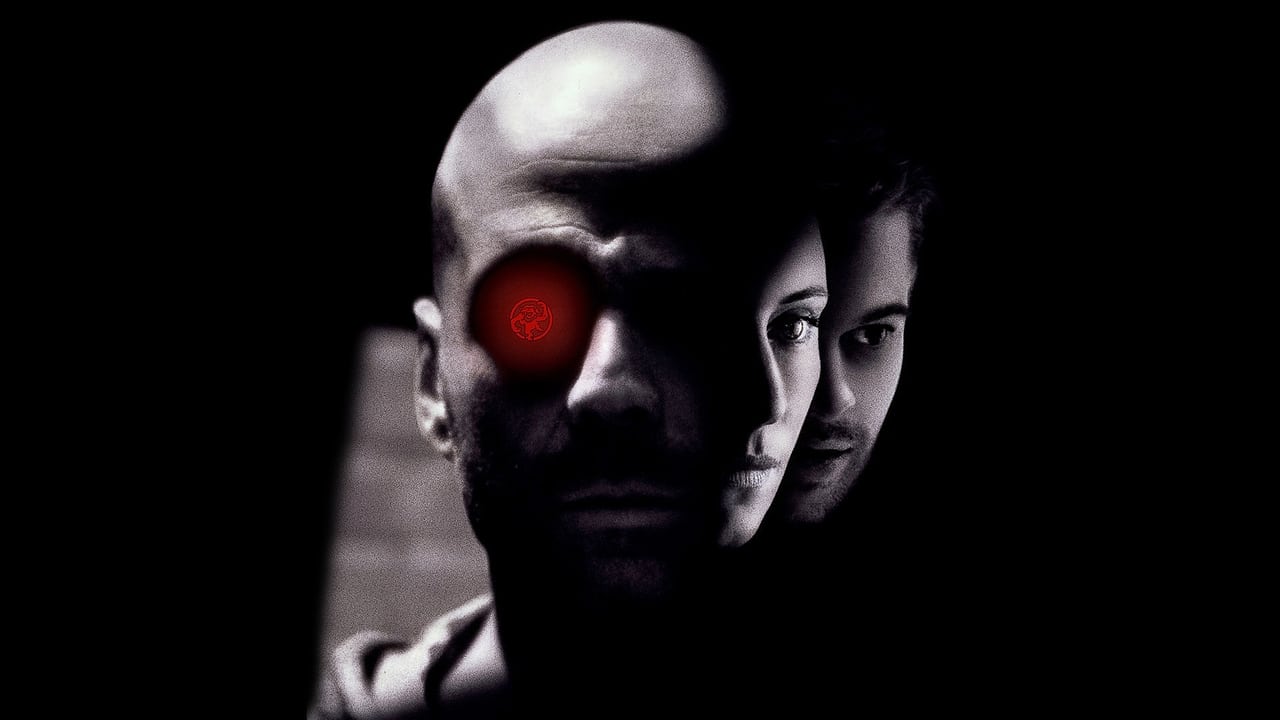
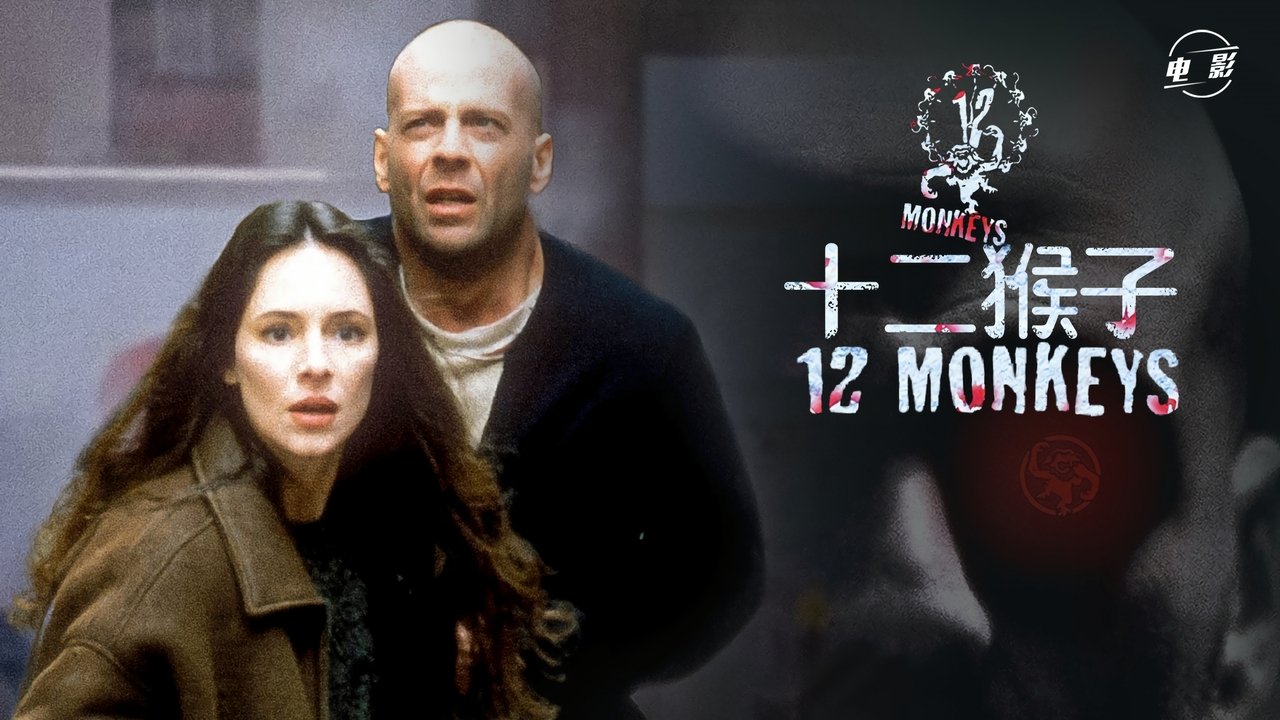
"5 billion people died from a virus in 1996... almost the entire world population. The survivors were driven underground. The surface of the planet became contaminated... animals ruled the world again." That chilling narration doesn't just set up a plot; it plunges you headfirst into the oppressive, decaying world of Terry Gilliam's Twelve Monkeys. Watching this 1995 sci-fi mind-bender again, it feels less like a movie and more like a fever dream stitched together from paranoia, fractured memories, and the inescapable grime of a future humanity desperately wants to undo. There's a disorientation here, a deliberate chaos, that Gilliam – the visionary behind Brazil (1985) and Fear and Loathing in Las Vegas (1998) – wields like a weapon.
A Future Etched in Rust and Dread
The film wastes no time establishing its bleak credentials. We meet James Cole (Bruce Willis), a prisoner in a subterranean hellscape sometime around 2035. Humanity clings to existence in jury-rigged bunkers, ruled by ominous scientists who see Cole as little more than a tool. His mission, whether he truly volunteers or not, is stark: travel back to 1996, pinpoint the origin of the apocalyptic virus – believed to be linked to the shadowy "Army of the Twelve Monkeys" – and gather information so the future can reclaim the surface. The production design here is pure Gilliam: a claustrophobic maze of rusted metal, exposed wires, and crude technology, all filmed through unsettling wide angles that make the cramped spaces feel vast and isolating simultaneously. Remember how tangible that grime felt, even through the fuzz of a CRT? It wasn't sleek sci-fi; it was dirty, desperate, and utterly convincing.
Is He Crazy, or Is Everyone Else?
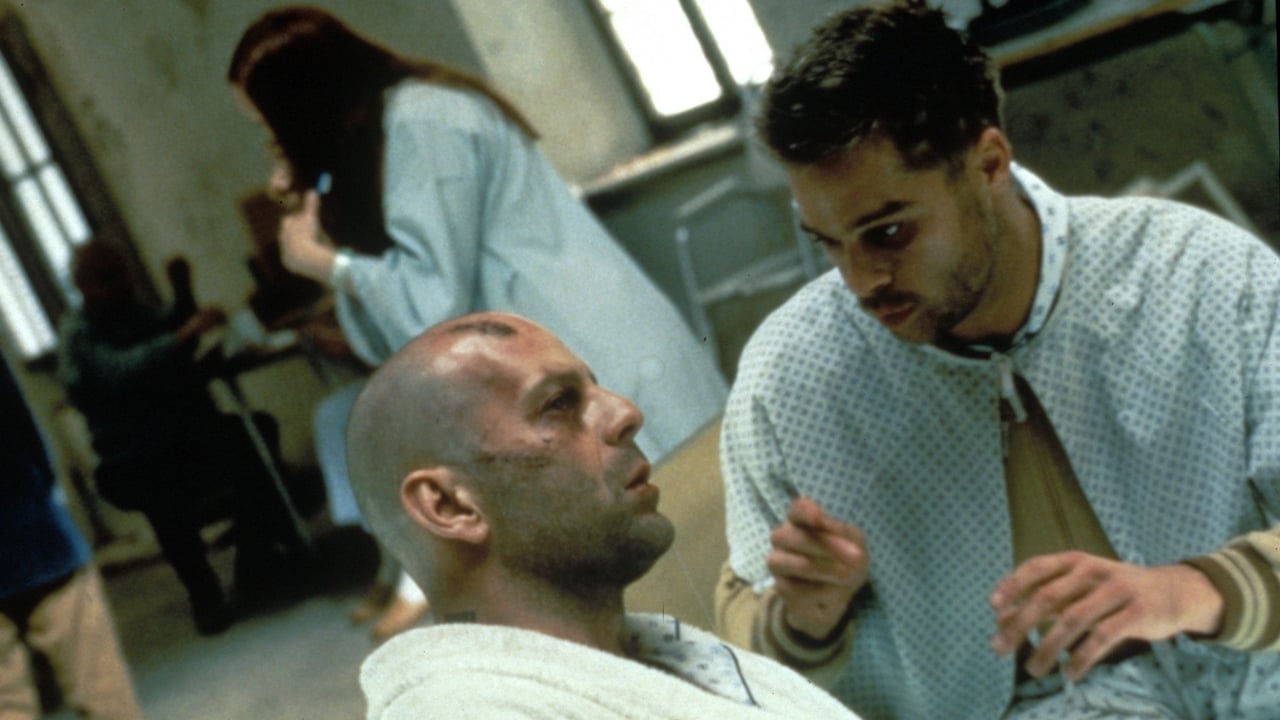
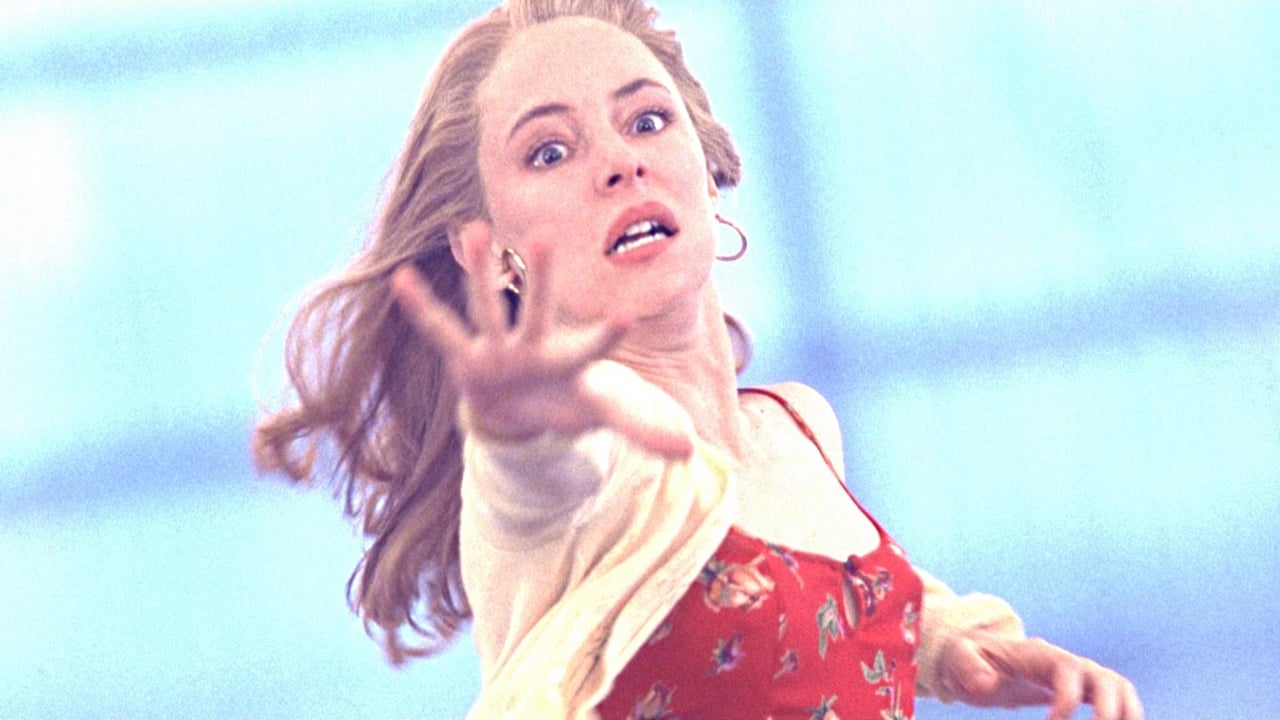
Of course, time travel is rarely precise, especially in Gilliam's universe. Cole initially lands in 1990, promptly getting thrown into a mental institution under the care of Dr. Kathryn Railly (Madeleine Stowe). This is where the film tightens its psychological grip. Is Cole truly a time traveler, or is he suffering from profound delusions? Bruce Willis, stepping away from the unflappable action hero persona he perfected in films like Die Hard (1988), delivers one of his most vulnerable and compelling performances. His Cole is perpetually bewildered, haunted by recurring dreams, and physically battered by his temporal jumps. Stowe provides the crucial anchor of empathy and rationality, her journey from skeptical psychiatrist to potential believer mirroring our own grappling with Cole's reality. The ambiguity is delicious, forcing you to question every piece of information. That nagging uncertainty... doesn't it still linger?
The Catalyst of Chaos
And then there's Jeffrey Goines. Brad Pitt, in an Oscar-nominated performance that rocketed him to a new level of stardom (released the same year as his equally intense role in Se7en), is an absolute live wire. As the wildly unpredictable, anti-establishment scion Cole encounters in the asylum, Pitt practically vibrates with manic energy. His rapid-fire delivery and twitchy physicality are mesmerizing, stealing every scene he's in. It’s a legendary turn, fueled partly by Gilliam’s mischievous direction – rumour has it the director confiscated Pitt's cigarettes to enhance his nervous state. Pitt, relatively affordable back then, reportedly threw himself into the role, even spending time in a psychiatric ward at Temple University for research. He’s not just a character; he's a force of nature disrupting Cole's mission and our understanding of the plot.
Gilliam's Grand, Grimy Design
Twelve Monkeys wasn't a massive budget blockbuster ($29.5 million, roughly $60 million today), but Gilliam stretches every dollar to create a distinctive, immersive world. Inspired by Chris Marker's haunting 1962 French short film La Jetée (which used still photographs to tell its story), writers David and Janet Peoples crafted a screenplay that perfectly suited Gilliam's thematic obsessions: sanity, authority, and the absurdity of modern life. The choice to shoot in dilapidated areas of Philadelphia and Baltimore lends an authentic layer of urban decay. That massive, eerie animal mural in Philly? The imposing, abandoned power station interiors? These weren't just sets; they were tangible pieces of the film's decaying soul. Achieving Gilliam's signature visual style – those Dutch tilts, the invasive wide-angle close-ups – created a constant sense of unease, a visual reflection of Cole's fractured mental state. It's a testament to Gilliam's uncompromising vision that the film feels so coherent despite its temporal loops and thematic density.
The Unshakeable Loop
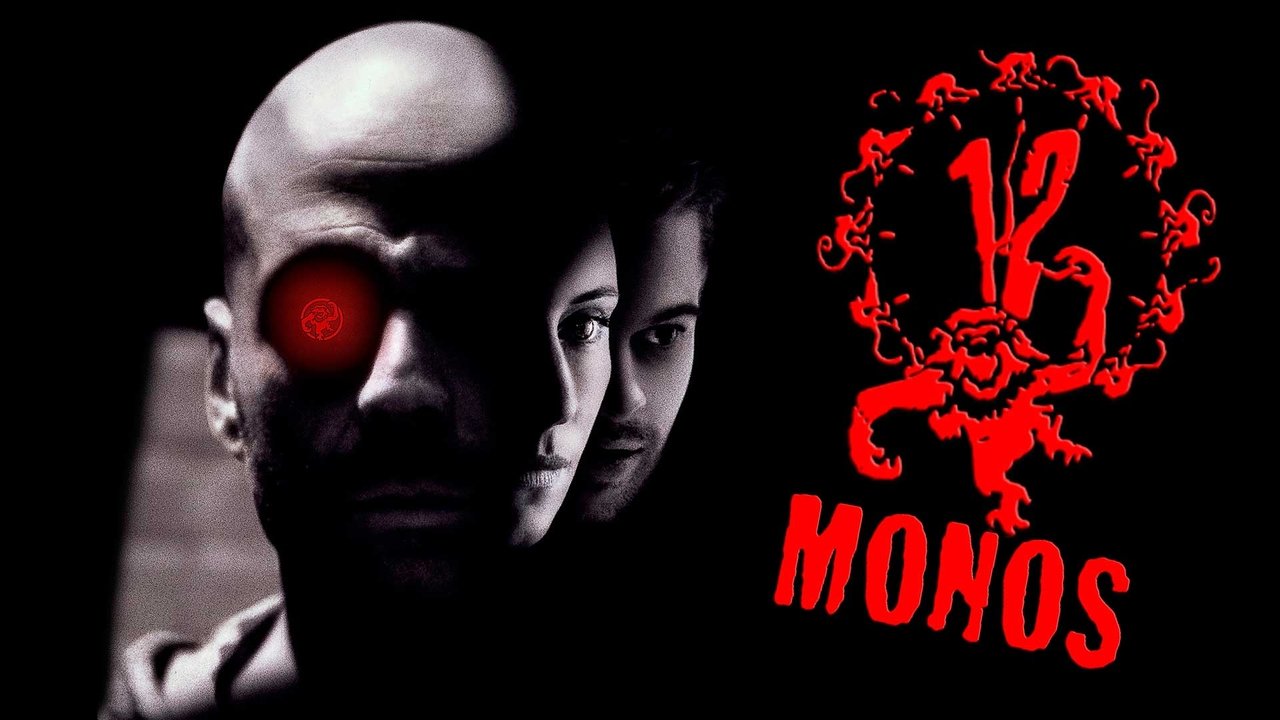
Spoiler Alert! The true genius, and perhaps the bleakest aspect, of Twelve Monkeys lies in its ending. The realization that Cole’s recurring dream isn't just a memory but a premonition of his own fate, witnessed by his younger self, is a gut punch. The virus isn't released by the anarchic, yet ultimately toothless, Army of the Twelve Monkeys, but by a single scientist carrying the plague through airport security. The cyclical nature, the seeming inevitability of it all, leaves you reeling. Can the future truly be changed, or are we all just passengers on a predetermined track? The film offers no easy answers, lingering like the static hum after the tape ejects. My own worn VHS copy certainly saw its share of rewinds trying to piece it all together back in the day.
VHS Heaven Rating: 9/10
Twelve Monkeys earns its high score through sheer audacity and masterful execution. It boasts career-defining performances from Willis and Pitt, stunningly atmospheric direction from Gilliam, and a narrative that remains complex, challenging, and deeply unsettling nearly three decades later. Its $168.8 million worldwide gross proved challenging sci-fi could find an audience. While its deliberate ambiguity and non-linear structure might frustrate some viewers seeking simple resolution, its power lies in that very complexity. It's a film that burrows under your skin, forcing you to confront uncomfortable questions about time, memory, and sanity long after the credits roll. A true standout of 90s speculative fiction, it’s a chilling reminder that sometimes, the most terrifying monsters are the ones we can't escape within our own minds, or within the relentless march of time itself.