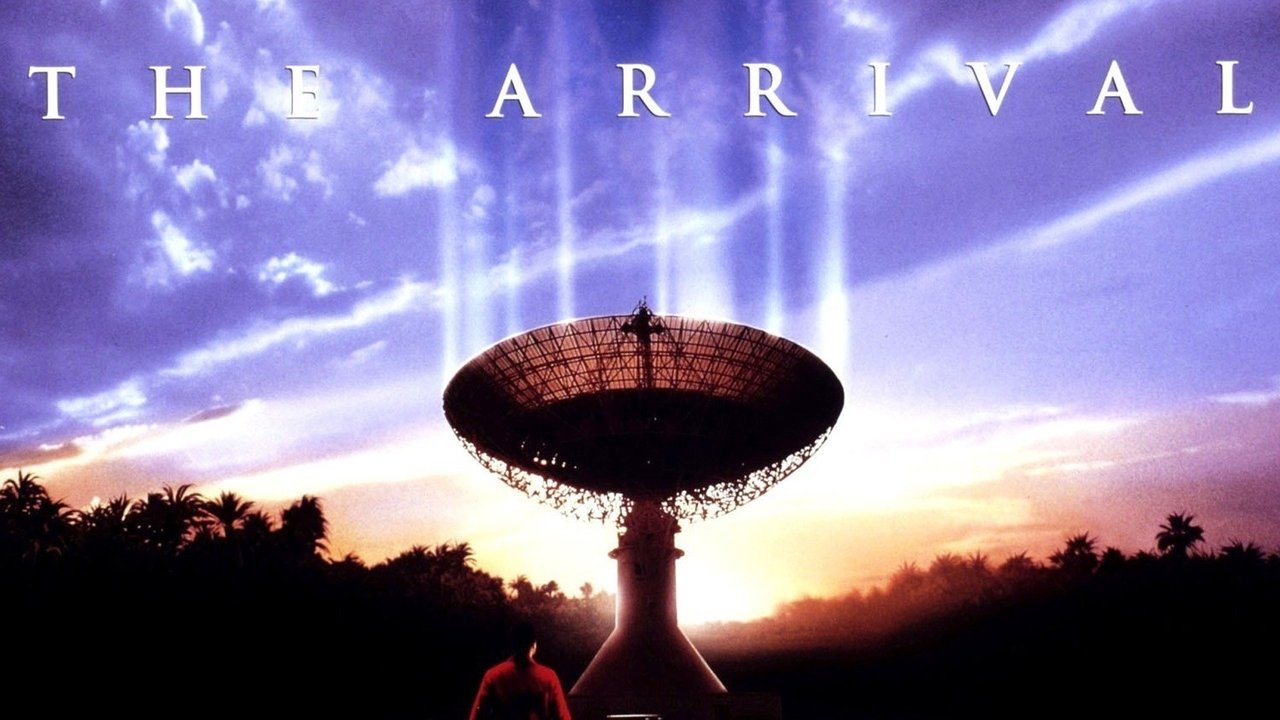
The silence isn't empty. It's listening. That's the feeling that permeates David Twohy's 1996 sci-fi thriller, The Arrival – a creeping dread that begins not with a bang, but with a whisper from the vastness of space, picked up by the hopeful ear of a massive radio telescope dish turning slowly under a lonely night sky. It’s a film that taps directly into that mid-90s vein of paranoia, that feeling that the truth wasn't just out there, it was actively being suppressed, perhaps breathing right down your neck.

Whispers from Wolf 336
We're thrown immediately into the world of Zane Zaminsky, played with a surprising, focused intensity by Charlie Sheen, an actor then perhaps better known for lighter fare. Zane is a brilliant, obsessive SETI astronomer who catches the impossible: a clear, intelligent signal originating light-years away. The initial thrill of discovery, however, curdles almost instantly into something far more sinister. His tapes are erased, his job evaporates, his credibility is systematically dismantled by shadowy forces who move with terrifying efficiency. David Twohy, who had already honed his skills crafting tension with screenwriting credits including work on The Fugitive (1993), builds this atmosphere of conspiracy brick by chilling brick. It's not just that Zane heard something; it's that someone knows he heard it, and they will stop at nothing to ensure the silence is restored. Remember that cold dread when his boss, played with bureaucratic menace by Ron Silver, calmly fires him? It felt less like corporate downsizing and more like the first step into an abyss.
Sun-Baked Secrets and Unsettling Discoveries
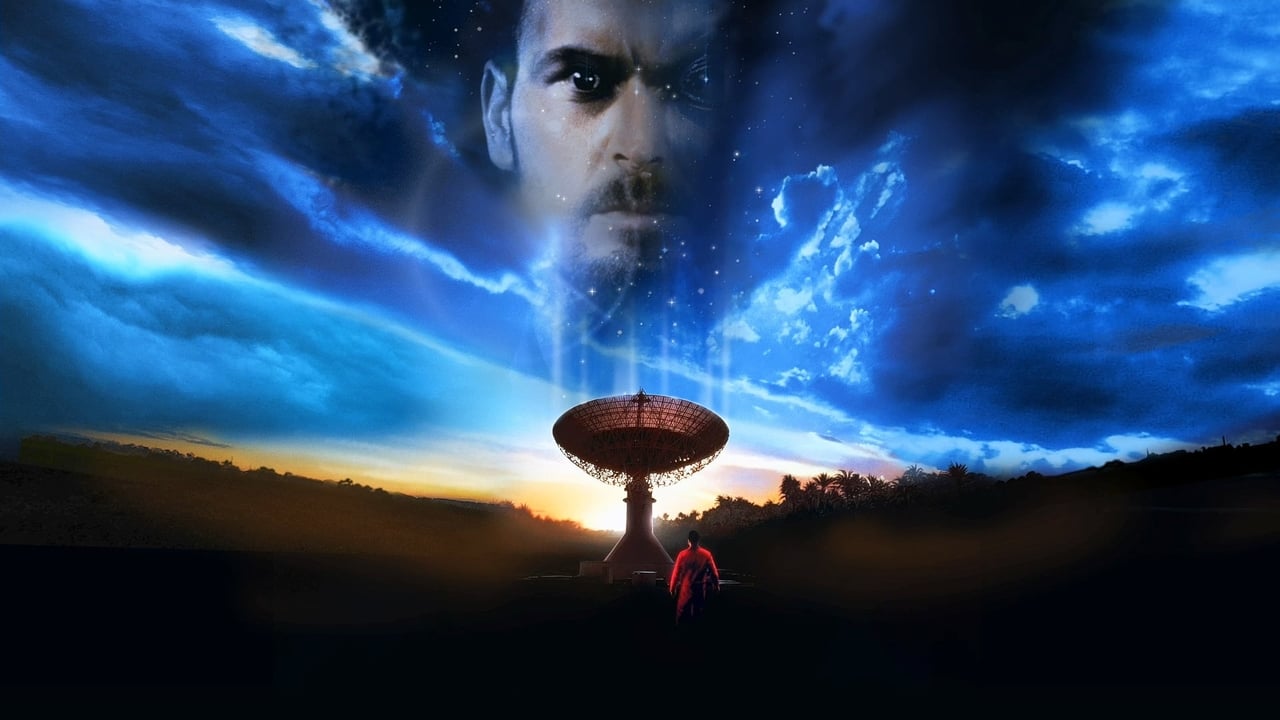
The conspiracy forces Zane south of the border, trading the sterile environment of the observatory for the dusty, sun-drenched heat of Mexico. This change of scenery doesn’t lessen the paranoia; it bakes it in, making the shadows seem deeper, the lurking threats more tangible. It’s here he crosses paths with Ilana Green (Lindsay Crouse), a climatologist investigating anomalous atmospheric phenomena, initially skeptical but drawn into Zane's frantic quest for answers. The Mexican locations, primarily around Mexico City and Cuernavaca, provide a distinct, almost alien landscape themselves, amplifying the sense of displacement and danger. You can almost feel the oppressive heat radiating off the screen, mirroring Zane's mounting desperation. Twohy uses the environment masterfully, turning seemingly innocuous settings – a dusty town square, a remote power plant – into stages for suspense.
They Walk Among Us
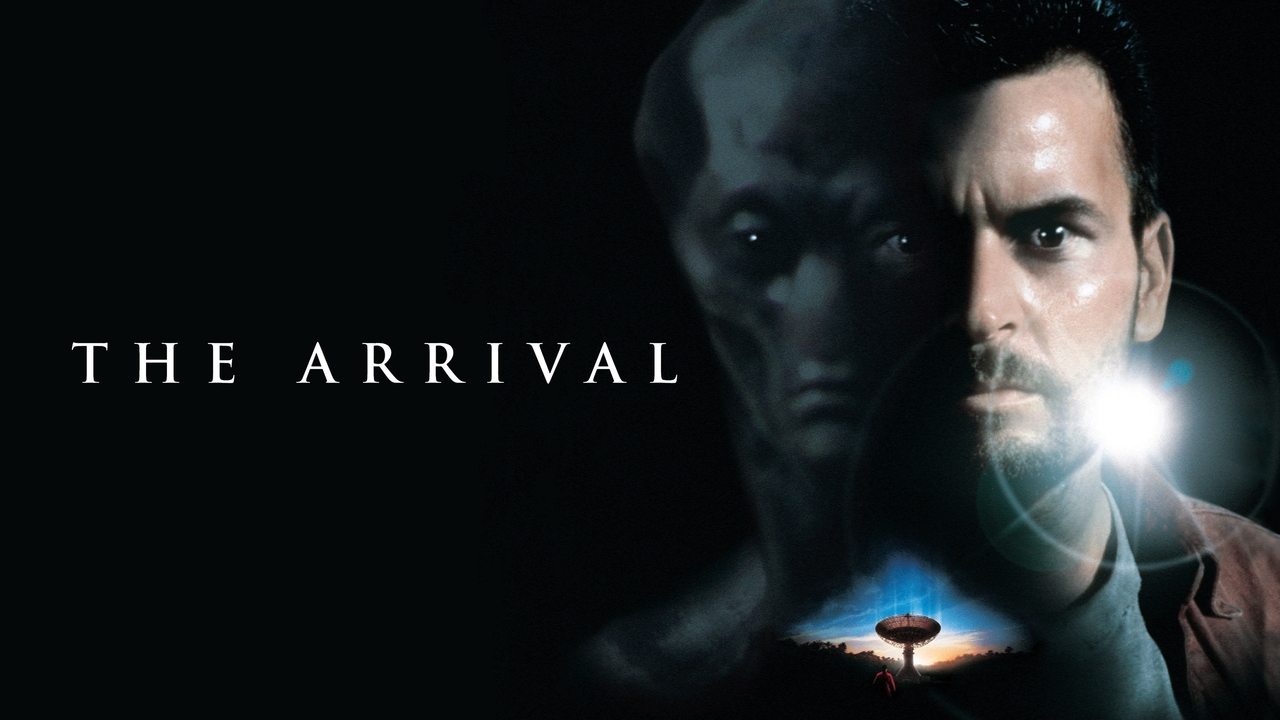
The Arrival is perhaps best remembered for its alien design, particularly those unnerving, reverse-jointed legs. When we finally glimpse the extraterrestrials, it’s a genuinely unsettling moment. Avoiding typical bug-eyed monster tropes, Twohy opted for something more subtly wrong, creatures capable of sophisticated camouflage and possessing technology far beyond our own – like that sphere device capable of creating localized vacuum pockets, a truly inventive and terrifying concept. The film cleverly blends practical effects with the burgeoning CGI of the mid-90s. While some digital elements might show their age now, the core design remains effective. Reportedly, the physical alien suits were complex creations involving puppetry and animatronics, and apparently intensely uncomfortable for the performers inside, adding a layer of unseen struggle to their on-screen menace. Doesn't that practical, almost biomechanical look of their disguised forms still feel creepier than much modern CGI?
A Different Kind of Sheen
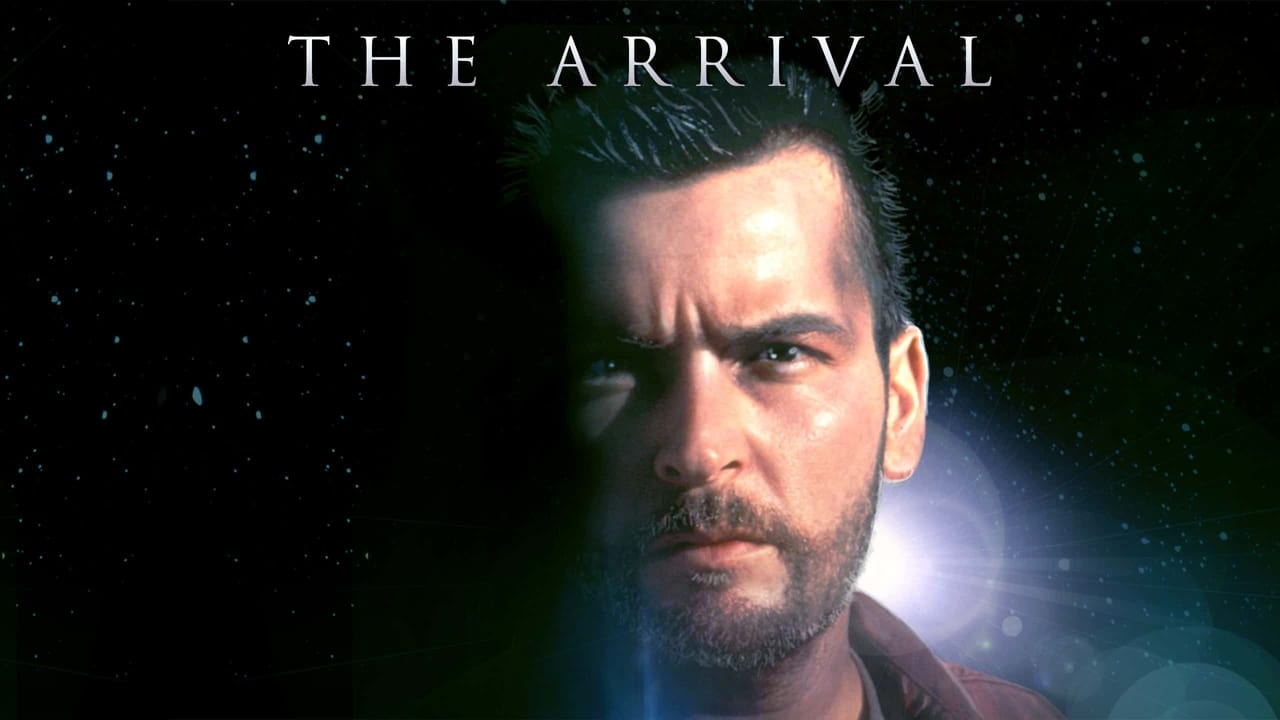
This was a notable role for Charlie Sheen. Leaving behind the swagger of Major League (1989) or the antics of Hot Shots! (1991), he delivers a performance fuelled by caffeine, adrenaline, and raw panic. His Zane isn't a superhero; he's an intelligent but fundamentally ordinary man pushed to extraordinary limits, making his desperate fight against an invisible, powerful enemy all the more compelling. We see the toll it takes on him, the frayed nerves, the wild-eyed conviction. Teri Polo provides solid support as his girlfriend Char, grounding Zane's increasingly outlandish theories in relatable human concern before inevitably being drawn into the danger herself. Their disintegrating relationship adds another layer of personal cost to Zane's crusade.
A Prescient Chill
Looking back, The Arrival feels remarkably prescient. Its core conceit – aliens secretly manipulating Earth's climate to make it habitable for themselves – resonates even more strongly today amidst our own climate anxieties. Filmed on a respectable budget of around $25 million, it performed modestly at the box office (around $14 million domestic), perhaps overshadowed by bigger summer blockbusters like Independence Day released the same year. Yet, its themes of environmental exploitation, governmental distrust, and the lonely burden of knowing a terrible truth echo the anxieties fuelling shows like The X-Files, which was then at the peak of its cultural influence. It’s a film that trusts its audience's intelligence, weaving a complex conspiracy without excessive hand-holding.
Retro Fun Facts
- David Twohy not only directed but also wrote the screenplay, ensuring a singular vision.
- The film's central alien signal was designated "SHGb02+14a" in the movie, a nice touch of pseudo-scientific realism.
- Keep an eye out for the scene where Zane uses liquid nitrogen to reveal a hidden alien device – a classic bit of low-tech ingenuity against high-tech invaders.
- A direct-to-video sequel, Arrival II (also known as The Second Arrival), was released in 1998 starring Patrick Muldoon and Jane Sibbett. It sadly lacked the original's tension and intelligence, serving mostly to highlight how well-crafted the first film truly was.
***
VHS Heaven Rating: 8/10
The Arrival earns its 8/10 score through its masterful build-up of paranoia, David Twohy's tight direction, Charlie Sheen's committed performance, and a genuinely unsettling core concept backed by creative alien design. It effectively blends sci-fi mystery with conspiracy thriller elements, creating a palpable sense of dread that lingers. While some visual effects are dated, the atmosphere and storytelling hold up remarkably well. It might lack the explosive spectacle of some contemporaries, but its intelligent chills and prescient themes feel more relevant than ever.
This is a quintessential piece of 90s sci-fi paranoia cinema. It’s the kind of film you’d rent on a whim, drawn in by the intriguing cover art, and find yourself glued to the screen, checking your own windows afterwards. A genuinely smart, tense thriller that deserves to be rediscovered by anyone who appreciates when science fiction aims for the unsettling quiet rather than just the loud bang.