There’s a certain quiet magic that clings to Studio Ghibli’s mid-90s output, a feeling distinct even from their grander fantasies. Amidst the Totoros and Kiki’s deliveries, nestled like a treasured find in an old bookstore, sits Whisper of the Heart (1995). It might not have the soaring dragons or forest spirits, but watching it feels like stepping into the hazy warmth of a Tokyo summer, filled with the anxieties and dreams of adolescence, rendered with that unmistakable Ghibli touch. For many of us stumbling upon Ghibli treasures perhaps a little later on VHS or cable, this film offered something different – a grounded, deeply relatable story about finding your path, powered by imagination and the tentative steps of first love.
### Summer Days and Library Cards
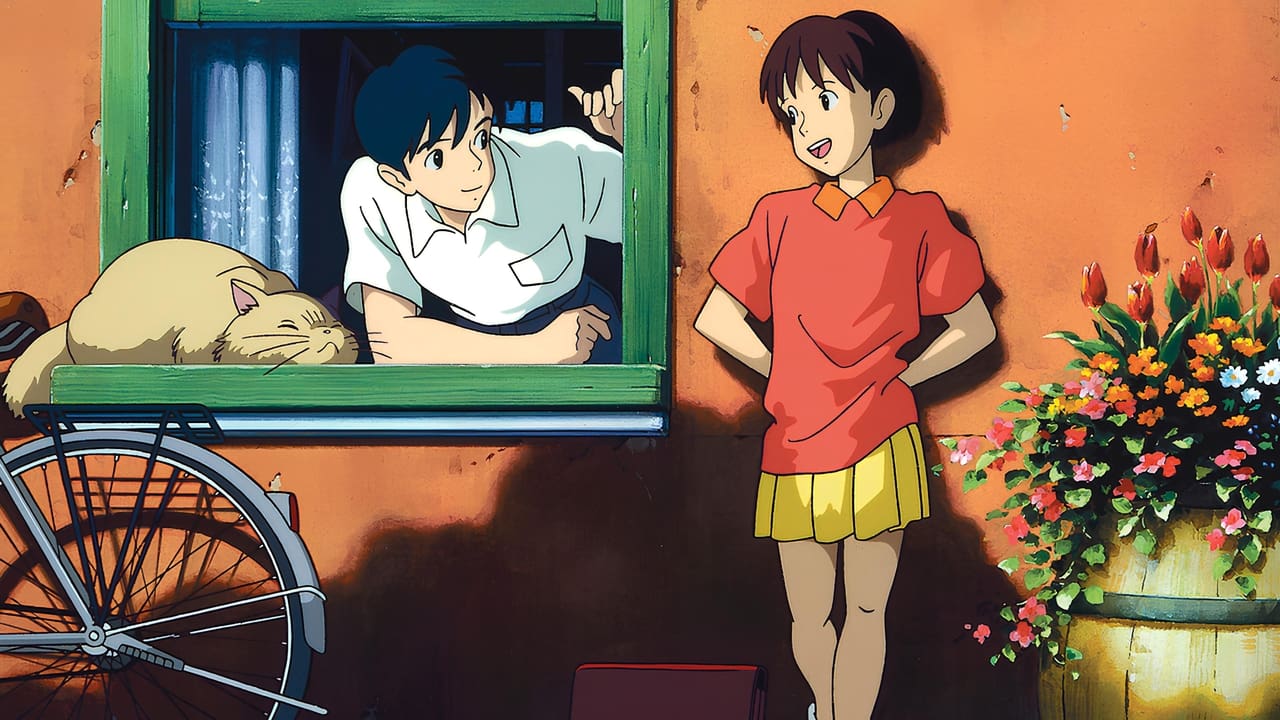
Our guide is Shizuku Tsukishima (voiced with wonderful earnestness by Yōko Honna), a bright, bookish junior high student spending her summer consumed by literature. It’s a familiar scene: long days, the drone of cicadas, and the escape found within pages. But Shizuku notices something curious – the same name, Seiji Amasawa, appears on the checkout card of every library book she borrows. Who is this mystery reader? This simple curiosity sets off a chain reaction, leading her not just to Seiji (Issei Takahashi), a boy who initially seems infuriatingly smug, but also down winding hillside streets to a place brimming with quiet enchantment: a mysterious antique shop.
This is where Whisper of the Heart truly finds its soul. Written by the legendary Hayao Miyazaki, based on Aoi Hiiragi's manga, the film deviates from his usual directorial fare, instead handed to Yoshifumi Kondō. There's a palpable sense of Miyazaki's storytelling DNA – the meticulous attention to everyday life, the celebration of craft, the flights of fancy – but Kondō brings a gentle, observational style perfectly suited to this intimate tale. He paints a picture of suburban Tokyo that feels incredibly real, almost inviting you to wander those streets yourself. In fact, many locations were modelled directly on the Tama Hills area west of Tokyo, near the Ghibli studios, adding another layer of authenticity.
### The Baron and a Budding Dream
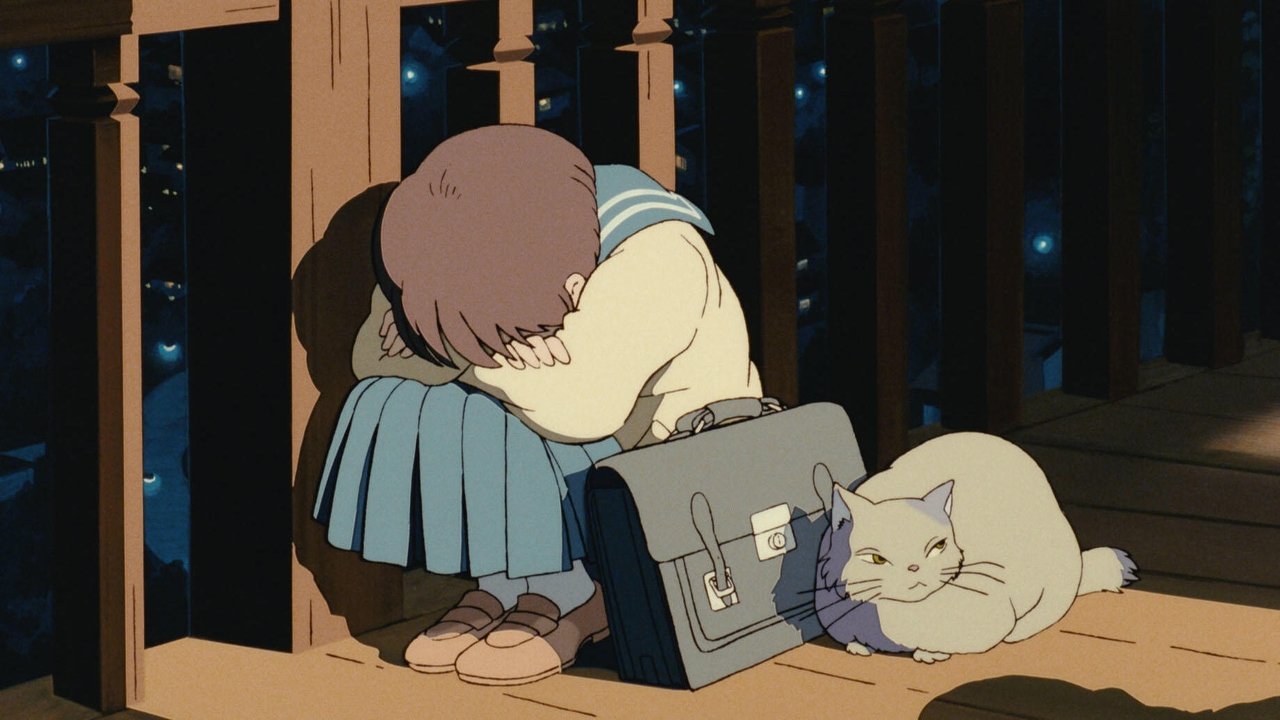
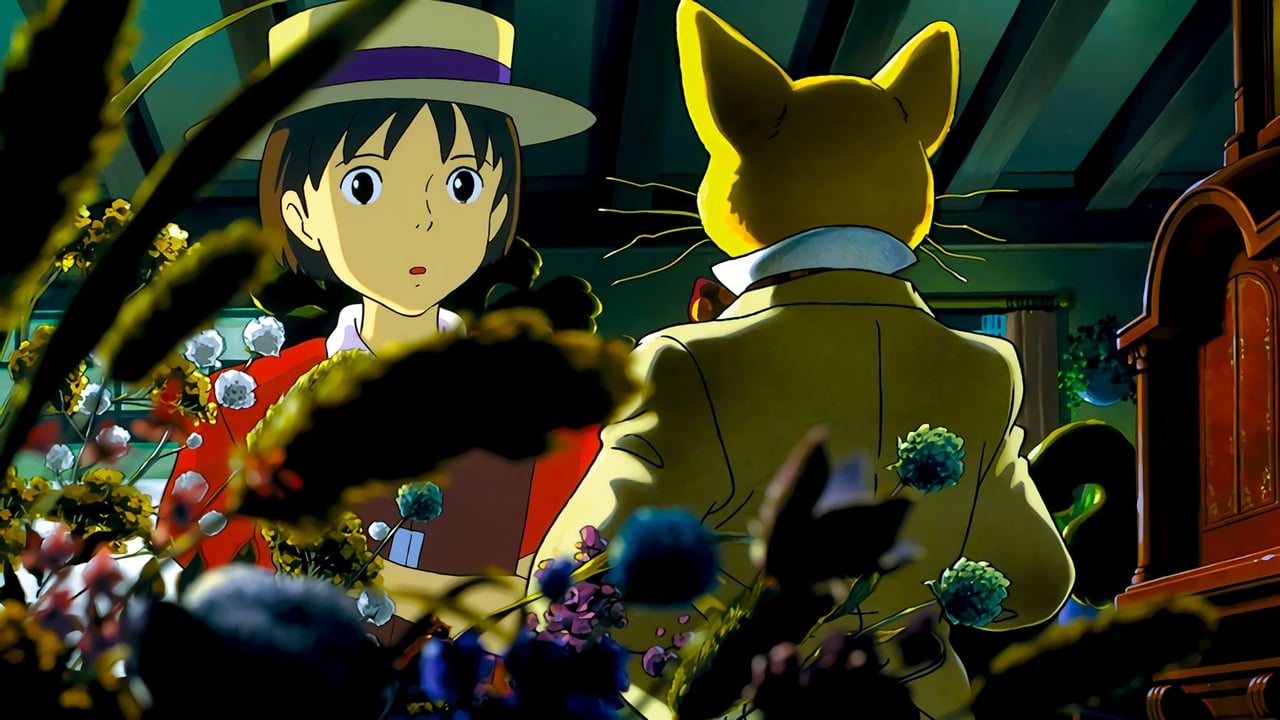
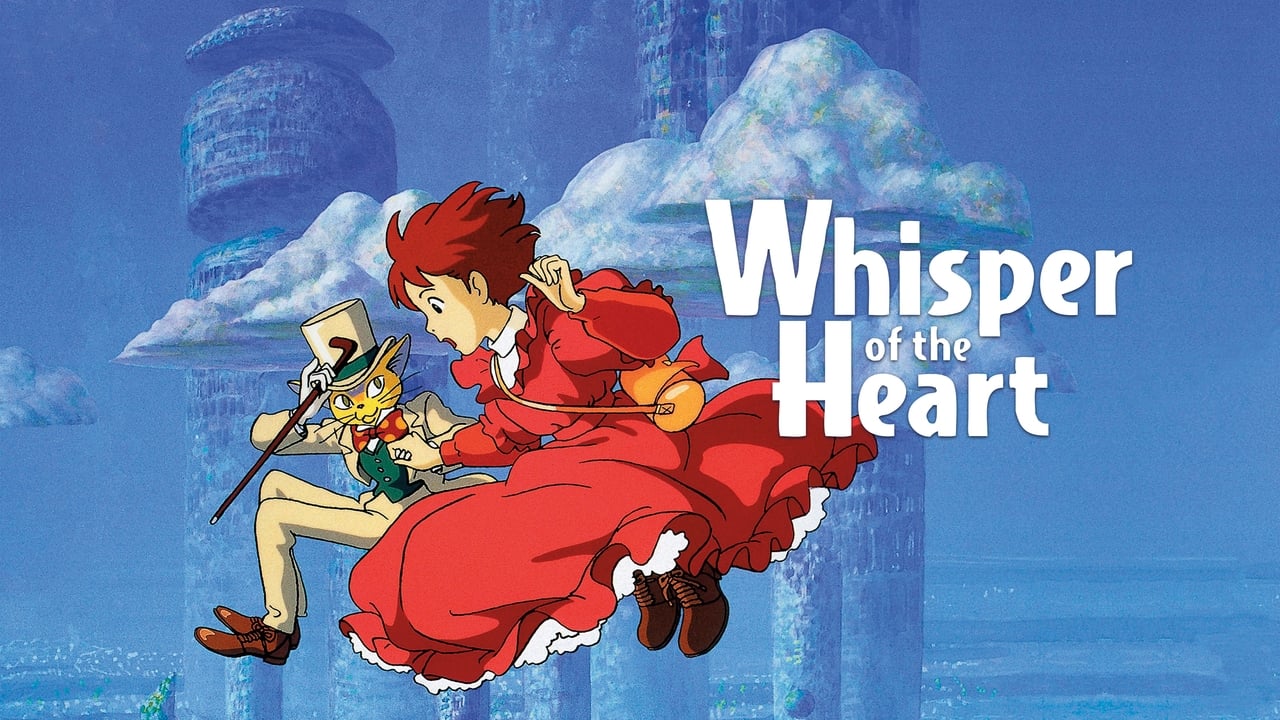
Inside the antique shop, run by Seiji's kindly grandfather Nishi (Takashi Tachibana), Shizuku encounters "The Baron," a dapper cat figurine with emerald eyes who seems to hold stories untold. It’s this encounter, coupled with her burgeoning connection to Seiji – who reveals his own passionate dream of becoming a master violin maker – that ignites a spark in Shizuku. She feels adrift, unsure of her own talents compared to Seiji's focused ambition. In a moment many creative souls will recognise, she decides she must test herself, pouring all her energy into writing her first novel, a fantasy story inspired by The Baron.
This journey of creative self-discovery is the film’s core. It doesn’t shy away from the frustrations, the doubts, the feeling of inadequacy that often accompanies trying something new and deeply personal. Miyazaki’s script captures this adolescent vulnerability beautifully, showing how Shizuku’s determination is fueled by both inspiration and a touch of competitive spirit with Seiji. We see her neglecting her studies, staying up late, wrestling with words – it feels remarkably true to life.
### Ghibli Craftsmanship, Quietly Applied
While lacking overt spectacle, the Ghibli artistry shines through. The animation is fluid and expressive, capturing subtle shifts in emotion. The backgrounds are lush and detailed, making Shizuku's world feel lived-in and tangible. And then there’s the music. The recurring motif is John Denver's "Take Me Home, Country Roads," which Shizuku is translating for the school choir. It becomes an anthem for her journey, first hummed tentatively, then performed awkwardly with Seiji and his grandfather's musical friends in a truly heartwarming scene, and finally adapted into her own Japanese lyrics reflecting her local "Concrete Road." It’s a clever, touching use of music that underscores the film’s themes of finding your own voice and place.
Retro Fun Fact: The decision to place the film in the hands of Yoshifumi Kondō was significant. Seen by many within Ghibli as a potential successor to Miyazaki and Isao Takahata, Kondō poured immense dedication into Whisper of the Heart, his first and, tragically, only feature film as director. He passed away from an aneurysm in 1998, believed by some (including Miyazaki) to be related to the immense workload. Knowing this adds a layer of poignancy to the film's gentle beauty and its themes of pursuing one's passion. It remains a testament to his incredible talent. Another tidbit? The success and fan affection for The Baron character directly led to the creation of the spin-off film The Cat Returns (2002).
### A Story That Stays With You
Whisper of the Heart doesn’t offer easy answers. Shizuku’s first novel isn’t proclaimed a masterpiece; Seiji’s path requires him to leave and study abroad. Their connection is sweet but faces real challenges. Yet, the film leaves you with a profound sense of hope and the quiet encouragement to listen to the "whispers" of your own heart, to find and pursue what truly matters to you, even when the path isn't clear. It champions the importance of dedication, craft, and finding supportive connections along the way.
It might not have been the flashiest tape on the rental shelf, perhaps overshadowed by more action-packed anime or Disney giants back in the day. But finding Whisper of the Heart felt like uncovering a secret, a film that spoke directly to the dreamer in all of us. It’s a story whose gentle power lingers long after the credits roll, a perfect example of Studio Ghibli's ability to find magic in the mundane.

Rating: 9/10
This rating reflects the film's masterful storytelling, relatable characters, beautiful animation, and resonant themes. It's a near-perfect execution of a quiet, character-driven drama that captures the anxieties and aspirations of youth with profound empathy and warmth. The slightly less fantastical nature compared to other Ghibli behemoths might make it feel smaller in scope to some, but its emotional depth and artistic craft are undeniable.
For anyone seeking a dose of heartfelt nostalgia and gentle inspiration, Whisper of the Heart is a Ghibli masterpiece waiting to be rediscovered – a reminder that sometimes the greatest adventures happen within the landscapes of our own dreams and ambitions.