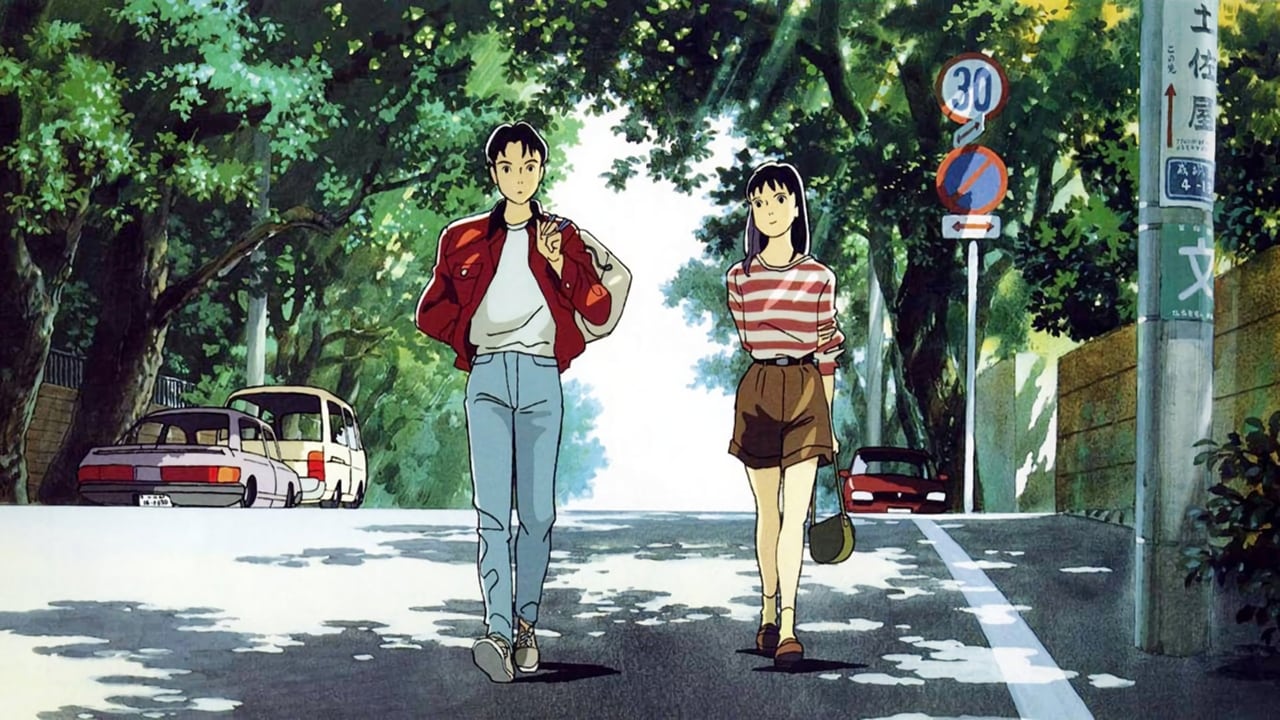
Okay, let's dim the lights, imagine the gentle whir of the VCR, and settle in. There’s a particular kind of quiet magic to revisiting certain films from the Ghibli catalogue, especially those that don't quite fit the mold we often associate with the legendary studio. Forget soaring castles and forest spirits for a moment; instead, picture the humid haze of summer in a coastal Japanese city, the awkwardness of high school hallways, and the confusing pull of first encounters. That's the world of Ocean Waves (Umi ga Kikoeru), a film that feels less like a grand animated spectacle and more like flipping through a half-forgotten photo album filled with poignant, unresolved teenage memories.
### A Different Kind of Ghibli Wave
Released in 1993, Ocean Waves stands apart. This wasn't a theatrical epic from Miyazaki or Takahata; it was a television film, conceived as a project for Studio Ghibli's younger staff members to gain experience, supposedly on a tighter budget and schedule. Of course, as often happens in creative endeavors, it reportedly ended up going over both. Directed by Tomomi Mochizuki (known later for things like Kimagure Orange Road: Summer's Beginning), and based on the novel by Saeko Himuro, it tells a story grounded firmly in reality, a departure that feels both refreshing and quietly resonant. For many of us in the West, encountering Ocean Waves likely happened much later than our first viewings of My Neighbor Totoro (1988) or Kiki's Delivery Service (1989). It might have been a discovery on a copied VHS tape passed between fans, or perhaps a later DVD release, adding to its mystique as a sort of hidden Ghibli gem.
### Echoes of Youth in Kōchi
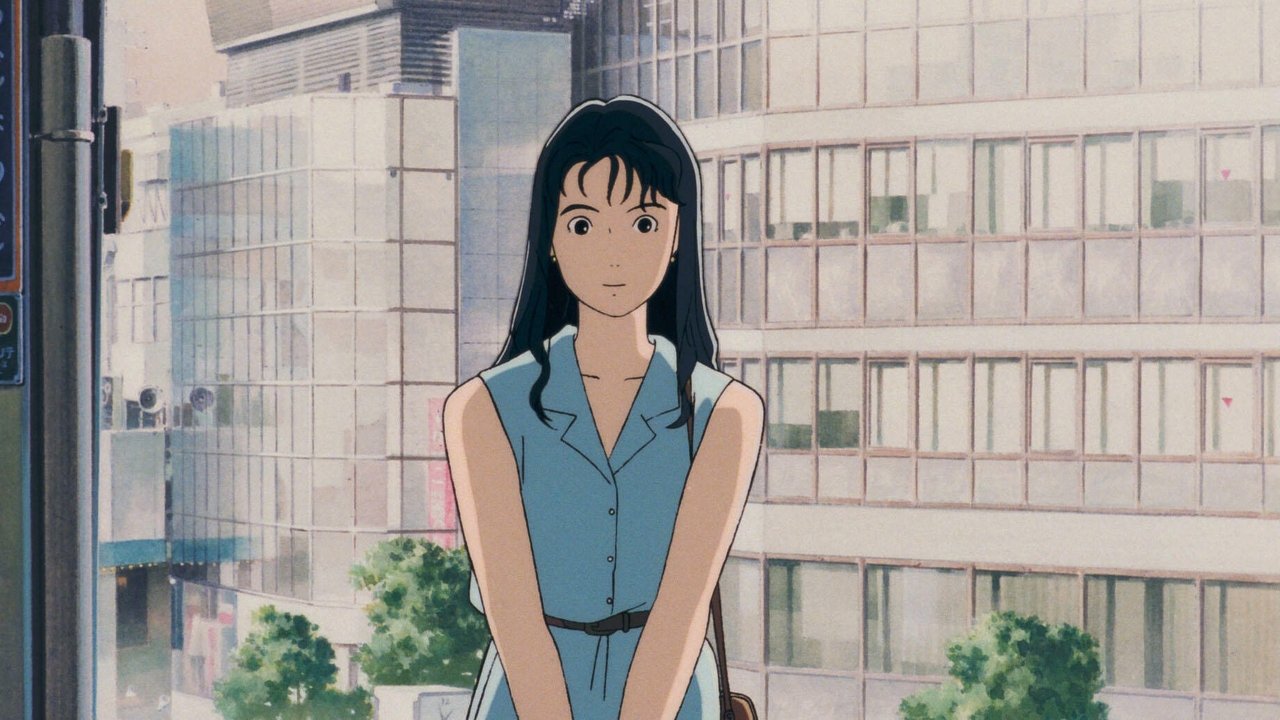
The story unfolds primarily through the recollections of Taku Morisaki (voiced by Nobuo Tobita) as he travels back home after his first year of university in Tokyo. Seeing a familiar face at the train station triggers a flood of memories about his final years of high school in Kōchi, a picturesque city on the island of Shikoku. Central to these memories is Rikako Muto (Yoko Sakamoto), a sharp, beautiful, and often difficult transfer student from Tokyo whose arrival disrupts the comfortable dynamic between Taku and his best friend, Yutaka Matsuno (Toshihiko Seki).
What follows isn't a story of grand gestures or dramatic pronouncements. Instead, Ocean Waves excels at capturing the subtle currents of adolescent relationships: the unspoken rivalries, the misunderstandings born from pride and insecurity, the tentative steps towards connection, and the sting of perceived betrayals. Rikako isn't always likable; she can be aloof, demanding, and inconsiderate. Yet, beneath the surface, there's a vulnerability stemming from her parents' divorce and her displacement from the bustling city life she knew. Doesn't this complexity feel more true to life than perfectly idealized characters? The voice acting, particularly Yoko Sakamoto's portrayal of Rikako, captures this nuanced blend of confidence and fragility beautifully. Nobuo Tobita as Taku perfectly embodies the slightly bewildered, observant teenage boy caught in emotional crosscurrents he doesn't fully comprehend.
### Capturing the Feeling
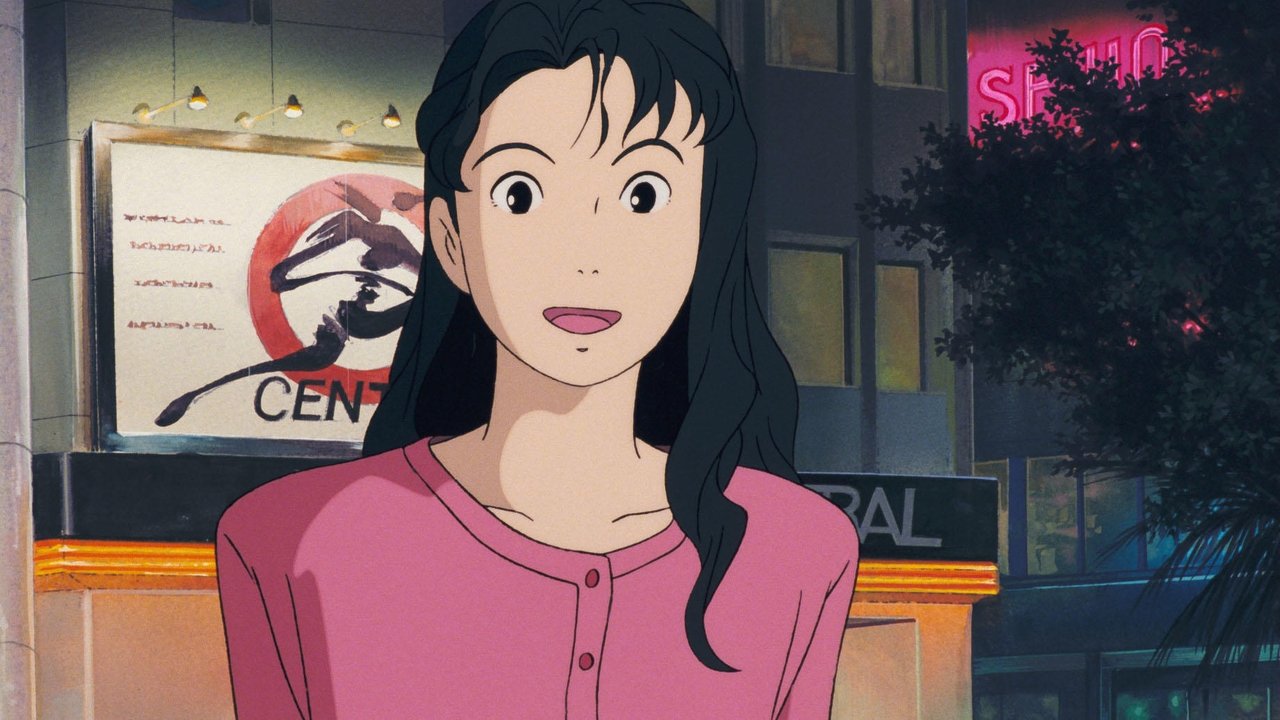
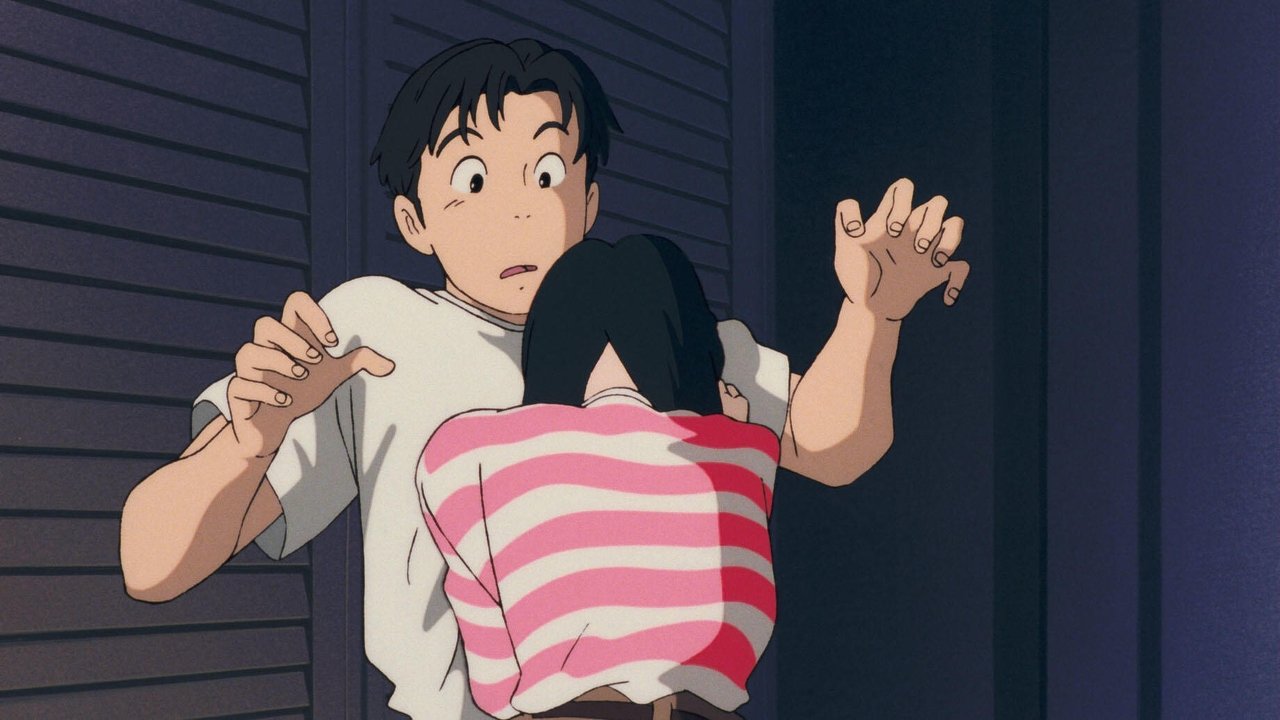
Mochizuki's direction leans into realism. The animation, while perhaps not possessing the sheer fluidity of Ghibli's theatrical features, is rich in detail, beautifully rendering the specific atmosphere of Kōchi – the light filtering through classroom windows, the shimmering heat off the pavement, the nighttime glow of the city seen from afar. There's a deliberate pacing here, a willingness to let moments breathe, that mirrors the languid passage of time during those formative years. The score by Shigeru Nagata is similarly understated, gently underscoring the emotional tone without ever becoming intrusive.
One fascinating aspect is the film's dedication to its setting. The use of the distinct Tosa dialect adds another layer of authenticity for Japanese viewers, grounding the story firmly in its specific location. It’s a small touch, but it contributes to the feeling that we’re observing real lives unfolding, not just watching animated characters. This commitment to the mundane, to the everyday textures of teenage life in early 90s Japan, is precisely what makes Ocean Waves so compelling. It doesn’t shy away from the messiness, the awkward silences, the things left unsaid that reverberate long after. Remember that feeling of intense high school drama that seemed earth-shattering at the time, only to look back later with a mix of fondness and perhaps a slight cringe? This film taps right into that.
### A Gentle Current That Lingers
Ocean Waves isn't aiming for the universal, awe-inspiring wonder of Ghibli's most famous works. Its ambitions are smaller, more intimate. It explores the bittersweet ache of nostalgia, the realization that paths diverge, and the quiet understanding that can sometimes arrive long after the moments themselves have passed. It doesn't offer easy answers or neat resolutions, reflecting the often-unresolved nature of our own youthful experiences. What lingers most is the feeling – that specific blend of melancholy, warmth, and wistful reflection. It’s a film that might not grab you with spectacle, but it slowly seeps in, leaving you contemplating those formative relationships and the subtle ways they shape who we become.

Rating: 7.5/10
Justification: While lacking the grand scope or imaginative fantasy of prime Ghibli, Ocean Waves offers a beautifully observed, realistic portrayal of teenage relationships and the specific melancholy of looking back. Its strength lies in its subtlety, authentic atmosphere, and nuanced characters. The deliberate pacing and focus on mundane realism might not resonate with everyone expecting typical Ghibli fare, and the TV-movie origins are occasionally apparent in the animation compared to theatrical releases. However, its emotional honesty and evocative sense of time and place make it a unique and worthwhile entry in the studio's catalogue, a gentle character study that resonates more deeply with each viewing.