### A Star Arrives Under the Summer Sun
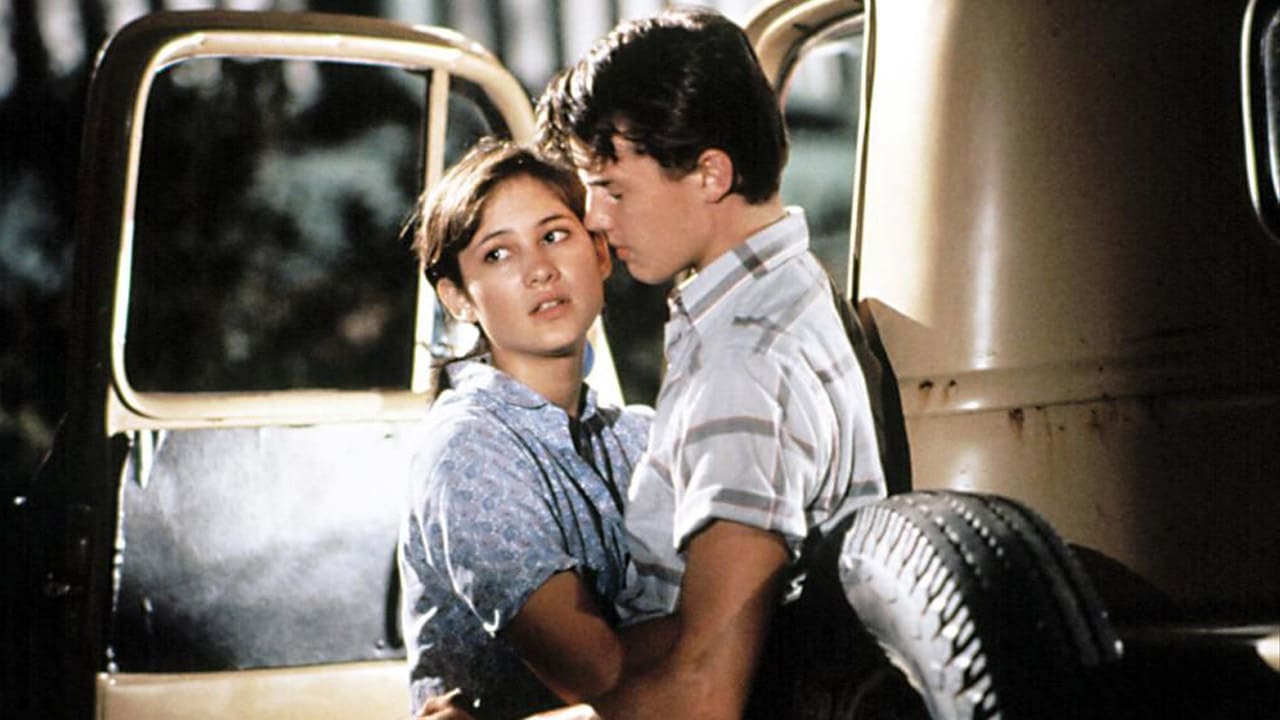
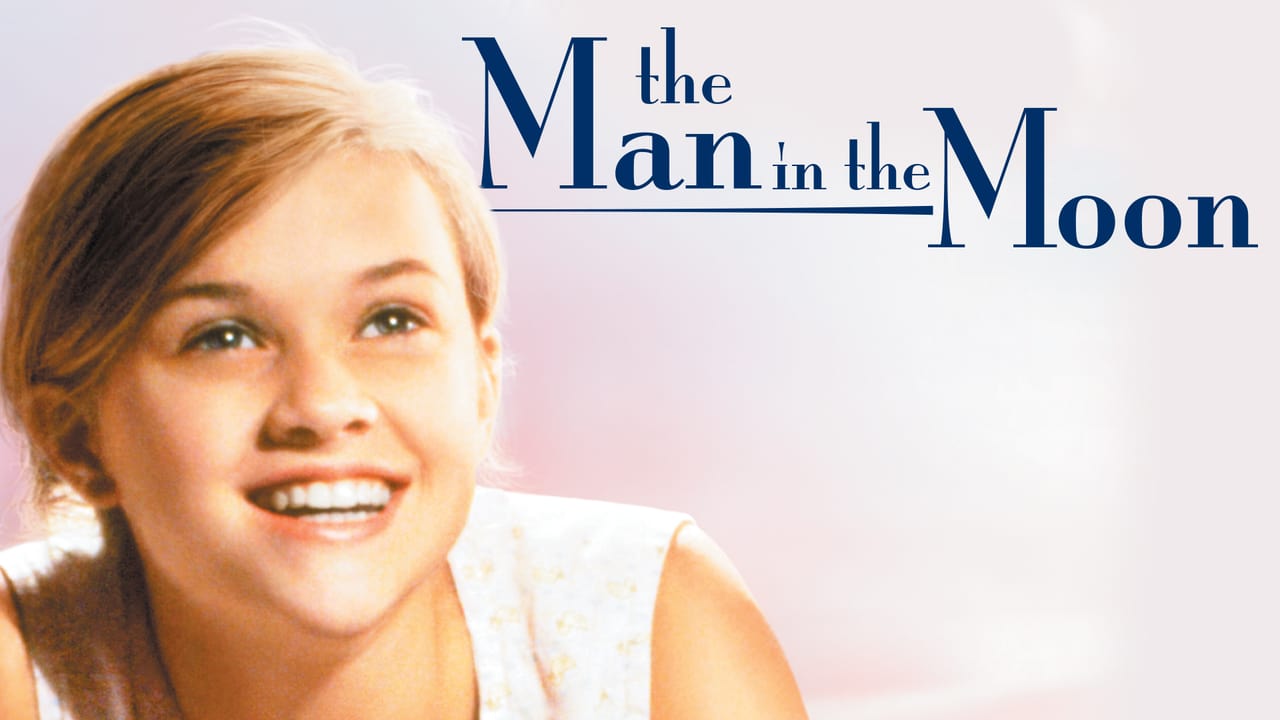
Sometimes, a film arrives unheralded, a quiet presence on the video store shelf amidst the louder action flicks and broader comedies. And sometimes, pulling that tape, sliding it into the VCR, reveals something truly special, something that stays with you long after the static hiss signals the end. Watching Robert Mulligan's The Man in the Moon (1991) felt like that. But beyond the film's own gentle power, it announced the arrival of a formidable talent – a fourteen-year-old Reese Witherspoon, delivering a debut performance so natural, so achingly real, it felt less like acting and more like witnessing captured truth. How often does that happen?
### Louisiana Haze and Heartache
The film unfolds during the long, languid summer of 1957 in rural Louisiana. Director Robert Mulligan, who so masterfully captured childhood innocence and complexity in To Kill a Mockingbird (1962), brings that same sensitivity here. He lets the story breathe, soaking in the heat, the dust, the thick greens of the countryside. We meet the Trant family, focusing on young Dani (Witherspoon), a tomboy on the cusp of adolescence, all scraped knees and burgeoning curiosity. The atmosphere isn't just backdrop; it's palpable – you can almost feel the sticky humidity, hear the cicadas buzzing, sense the sleepy rhythm of life before everything changes. It's a world beautifully realised, thanks in part to filming on location in Louisiana, grounding the narrative in a tangible sense of place.
### The Tender Weight of First Love
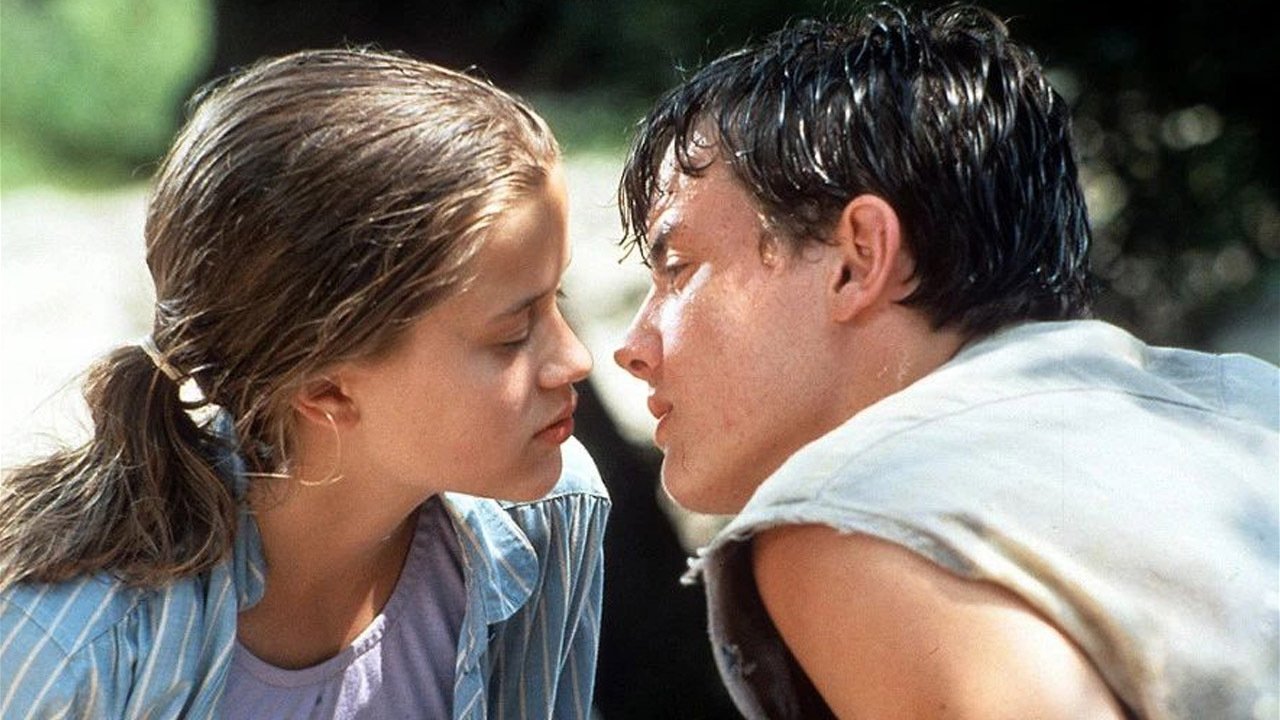
At its heart, The Man in the Moon is a coming-of-age story, centered on Dani's fierce, consuming first love for her new neighbour, the handsome seventeen-year-old Court Foster (Jason London, also making a strong early impression). What elevates this familiar arc is the profound authenticity Mulligan and screenwriter Jenny Wingfield bring to it. Dani's feelings aren't played for easy sentimentality; they are raw, intense, sometimes awkward, utterly believable. Her giddy joy, her quiet observations of Court, her fumbling attempts to navigate these overwhelming emotions – Witherspoon embodies it all with startling transparency. The film treats young love with the respect it deserves, capturing its dizzying heights and the sharp, confusing pain when reality intrudes – particularly when Court's affections turn towards Dani's older, more conventionally beautiful sister, Maureen (Emily Warfield).
### Performances That Resonate
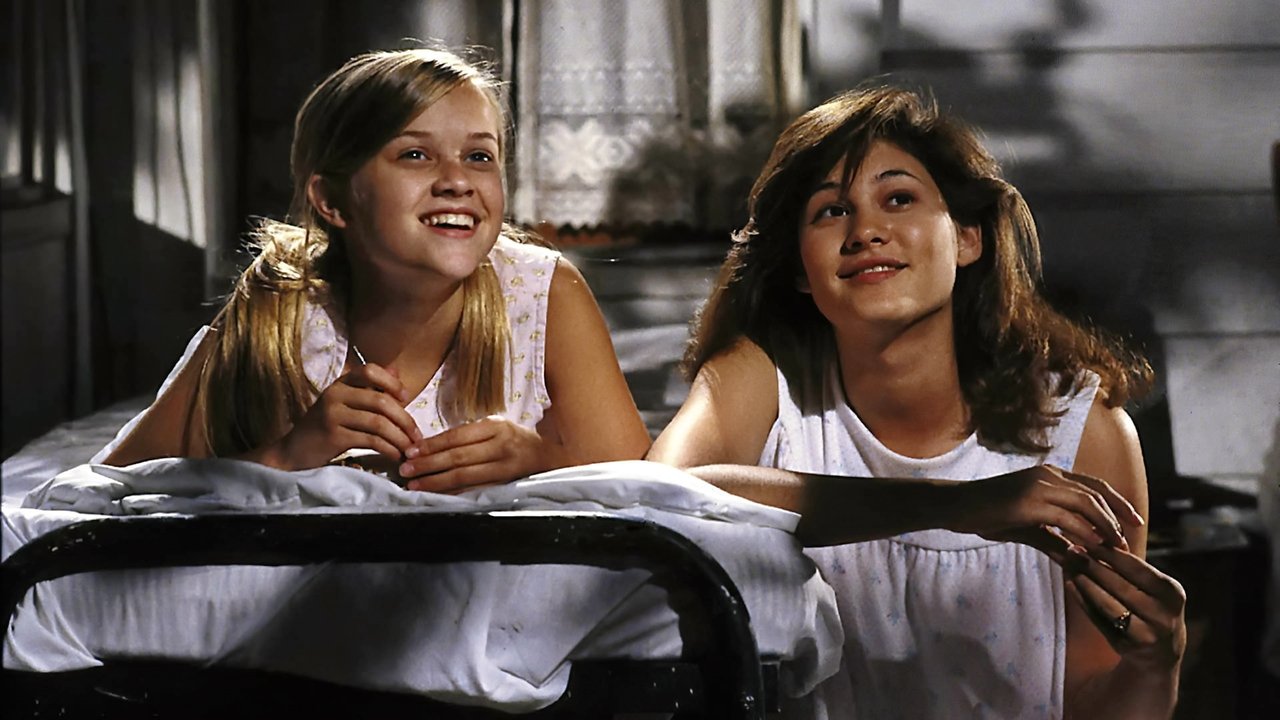
While Witherspoon is undeniably the revelation here – it’s astonishing to think she initially auditioned for a smaller part before Mulligan recognized her potential for Dani – the entire ensemble feels perfectly cast. Sam Waterston and Tess Harper as Dani's parents, Matthew and Abigail Trant, are the bedrock of the film. Their portrayal of a loving, occasionally strained marriage, dealing with their own burdens (including another baby on the way) while trying to guide their daughters, is nuanced and deeply human. Waterston conveys a quiet strength and paternal warmth, while Harper captures the weariness and resilience of motherhood with understated grace. Their presence provides a crucial anchor, reminding us that Dani's awakening is part of a larger family tapestry.
### Behind the Gentle Surface
This was, sadly, Robert Mulligan's final feature film, a poignant capstone to a career often focused on youth and moral reckoning. It feels like a film he was destined to make, bringing his signature patient, observational style to Jenny Wingfield's deeply personal script, which reportedly drew from her own childhood memories and took years to bring to the screen. It arrived in 1991 without enormous fanfare, a $6 million picture that found critical favour (Roger Ebert famously gave it four stars) and resonated with audiences who discovered its quiet power, often through word-of-mouth or that lucky VHS rental. It's a testament to the idea that sometimes the most profound stories don't need explosions or elaborate effects, just honesty and heart.
### Navigating the Unthinkable
Spoiler Alert! The film takes a devastating turn, confronting sudden loss with a rawness that avoids melodrama. The way the family reels from tragedy, the awkward silences, the fumbling attempts at comfort, the fractured relationships that must somehow mend – it’s handled with extraordinary sensitivity. Mulligan doesn't offer easy answers or catharsis. Instead, he shows the slow, painful process of navigating grief, the subtle shifts in family dynamics, and the enduring strength found in shared sorrow. Dani's journey through this period is particularly affecting, forcing her to confront adult realities far sooner than expected. What lingers most, perhaps, is the film's quiet understanding of how life irrevocably changes, leaving scars but also forging deeper connections.
***

The Man in the Moon is one of those films that might have slipped past you in the early 90s, but finding it felt like uncovering a hidden gem. It’s a beautifully crafted, emotionally resonant story powered by extraordinary performances, particularly the luminous debut of Reese Witherspoon. It captures the specific ache and wonder of first love and the harsh realities of loss with uncommon grace.
Rating: 9/10 - This score reflects the film's exceptional performances (especially Witherspoon's debut), Mulligan's sensitive direction, the authentic atmosphere, and its profoundly moving, honest portrayal of adolescence, love, and grief. It's a near-perfect execution of a delicate coming-of-age story.
It remains a poignant reminder of the quiet power of character-driven drama, a film whose emotional truths echo long after the credits roll, much like the faint outline of the man in the moon himself – a symbol of distant dreams and enduring memories.